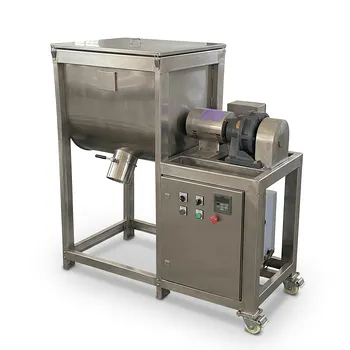
What is the primary function of a laboratory powder mixer in mullite ceramic batching? Achieve Microscopic Homogeneity
Updated 4 months ago
The primary function of a laboratory powder mixer in the batching stage of mullite-based ceramics is to achieve deep homogenization of raw materials. This process ensures that diverse components—such as alumina, quartz, aluminum slag, and Rice Husk Ash (RHA)—are distributed uniformly at a microscopic scale. By eliminating component segregation, the mixer prevents sintering unevenness and localized mechanical defects in the final ceramic structure.
Core Takeaway: A laboratory powder mixer acts as the foundation for structural integrity by forcing a microscopic blend of precursors and binders. This level of uniformity is essential to ensure consistent chemical reactions during sintering and to prevent "weak zones" that compromise the finished ceramic's strength.
Ensuring Microscopic Uniformity
Eliminating Component Segregation
In mullite production, materials with different densities and particle sizes, like Rice Husk Ash and aluminum slag, tend to separate. The mixer uses high-efficiency mechanical force to counteract gravity and friction, ensuring that every cubic millimeter of the batch contains the correct ratio of ingredients.
Facilitating Solid-State Reactions
Mullite is formed through the chemical reaction of alumina (Al2O3) and silica (SiO2) at high temperatures. The mixer ensures these particles are in direct, intimate contact, which significantly enhances reaction kinetics and prevents the formation of unwanted heterogeneous phases.
Distributing Organic Binders and Additives
Trace components, such as PVA or petroleum wax, must be distributed evenly to act as lubricants or binders. High-speed mixing ensures these additives uniformly coat the surface of the ceramic particles, which is critical for the flowability and compaction of the powder during molding.
The Impact on Material Performance
Preventing Sintering Irregularities
If powders are poorly mixed, different areas of the ceramic will shrink at different rates during the firing process. A high degree of homogenization ensures uniform thermal contraction, which prevents warping, cracking, or the development of internal stress levels.
Optimizing Plasticity and Forming
For ceramics requiring a specific moisture content, the mixer ensures uniform moisture penetration throughout the clay or powder. This creates a "crumb-like" matrix with ideal plasticity and binding strength, allowing for the production of dense, regular green bodies.
Enhancing Mechanical Toughness
By achieving a molecular-level distribution of sintering aids and reinforcing agents, the mixer helps prevent localized weak zones. This leads to a finished product with higher overall toughness and more stable friction and wear performance.
Understanding the Trade-offs
Risk of Material Contamination
While high-energy mixing is necessary for uniformity, the abrasive nature of ceramic powders can wear down the mixer's internal components. This introduces trace metallic or ceramic impurities from the mixing blades or chamber into the batch, which can alter the dielectric or mechanical properties of the mullite.
Heat Generation and Particle Degradation
Extended mixing times or excessive speeds can generate significant frictional heat, which may prematurely dry out binders or cause them to degrade. Additionally, over-processing can lead to unintended particle size reduction, potentially changing the sintering profile of the material.
How to Apply This to Your Project
Selecting the Right Mixing Approach
- If your primary focus is maximizing chemical purity: Use a mixer with ceramic-lined chambers or polyurethane-coated blades to prevent metallic contamination during high-energy blending.
- If your primary focus is structural consistency in complex shapes: Prioritize a high-shear mixer that can uniformly disperse liquid binders, ensuring the powder has the necessary plasticity for intricate molding.
- If your primary focus is accelerating production cycles: Opt for a high-efficiency mixer that maximizes particle-to-particle contact, as this reduces the time and temperature required for successful solid-state sintering.
Achieving microscopic uniformity during the batching stage is the most critical factor in determining the final reliability and performance of mullite-based ceramics.
Summary Table:
| Key Function | Benefit to Mullite Ceramics | Impact on Final Product |
|---|---|---|
| Deep Homogenization | Eliminates component segregation of RHA/alumina | Prevents localized weak zones and defects |
| Kinetic Enhancement | Ensures intimate contact between Al2O3 and SiO2 | Accelerates solid-state sintering reactions |
| Binder Distribution | Uniformly coats particles with PVA/wax | Optimizes powder plasticity and compaction |
| Stress Management | Facilitates uniform thermal contraction | Minimizes warping and cracking during firing |
Elevate Your Material Research with Precision Sample Preparation
Achieving the perfect mullite structure requires more than just high-quality raw materials—it demands rigorous homogenization and precise compaction. We provide complete laboratory sample preparation solutions tailored for material science professionals who refuse to compromise on structural integrity.
Our specialized equipment line supports your entire workflow:
- Advanced Powder Processing: High-efficiency powder mixers, defoaming mixers, and a versatile range of mills (planetary ball, jet, sand/bead, and rotor mills) for achieving microscopic uniformity.
- Precision Sizing & Prep: Sieve shakers (vibratory/air-jet), jaw/roll crushers, and liquid nitrogen cryogenic grinders for difficult samples.
- Superior Compaction: A full spectrum of hydraulic presses, including Cold/Warm Isostatic Presses (CIP/WIP), standard lab presses, vacuum hot presses, and XRF pellet presses to ensure high-density green bodies.
Ready to eliminate weak zones and optimize your ceramic performance?
Contact our technical experts today to find the ideal mixing and pressing solution for your laboratory's unique requirements.
References
- Grace Olufunke Matthew, Seun Samuel Owoeye. Effects of alumina slag (Valoxy) and rice husk ash as substitute resources on mechanical properties of mullite based ceramics. DOI: 10.5281/zenodo.6962179
Mentioned Products
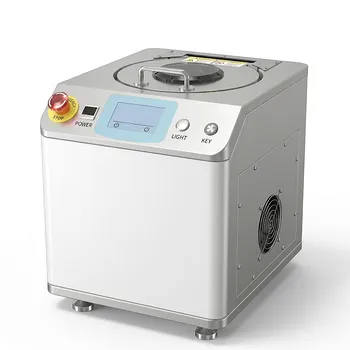
- High Efficiency Vacuum Planetary Centrifugal Mixer and Defoaming Machine for Industrial Material Research and Precise Laboratory Powder Dispersion
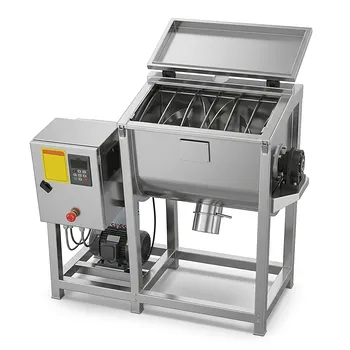
- Horizontal Ribbon Mixer for Uniform Powder and Slurry Mixing
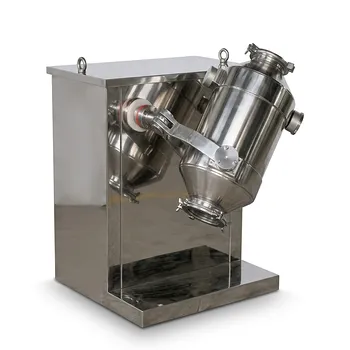
- Three-Dimensional Motion Mixer for Laboratory Powder and Granule Blending
- Multi Dimensional Universal Mixer for High Uniformity Powder Blending
- High Speed Laboratory Powder Grinder Small Batch Sample Preparation Mill
People Also Ask
- Why is a planetary centrifugal mixer recommended for geopolymer slurries? Achieve high-shear, air-free homogenization.
- What core functions does a planetary centrifugal mixer perform? Optimize Hard Carbon Anode Slurry & Degassing
- Why is a planetary centrifugal mixer utilized for wood powder and HPMC? Achieve uniform dispersion & rapid defoaming.
- What role does a planetary centrifugal mixer play in flexible sensor inks? Achieve Nano-Scale Homogenization
- What is the role of a planetary centrifugal mixer in preparing DCPD resin-based matrices? Ensure Flawless Homogeneity

Tech Team · PowderPreparation
Last updated on Jun 03, 2026
Related Products
High Efficiency Vacuum Planetary Centrifugal Mixer and Defoaming Machine for Industrial Material Research and Precise Laboratory Powder Dispersion
Horizontal Ribbon Mixer for Uniform Powder and Slurry Mixing
Three-Dimensional Motion Mixer for Laboratory Powder and Granule Blending
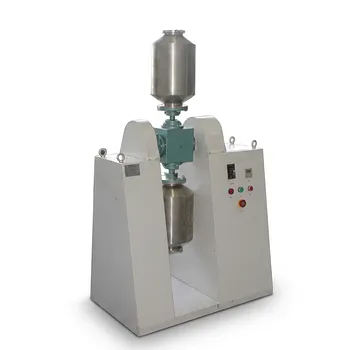
Multi Dimensional Universal Mixer for High Uniformity Powder Blending
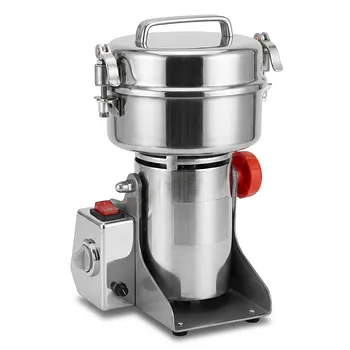
High Speed Laboratory Powder Grinder Small Batch Sample Preparation Mill
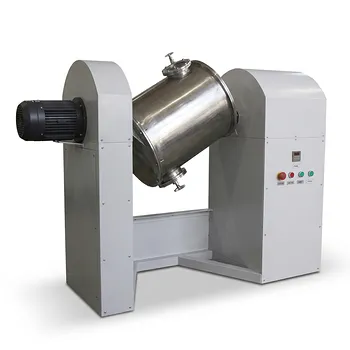
Inclined Mixer for Homogeneous Powder Blending and Grinding
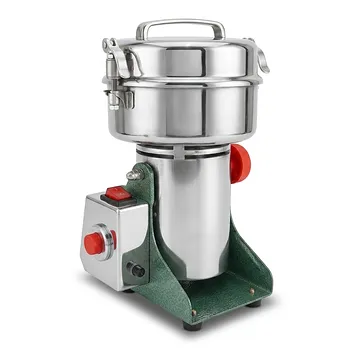
Small High-Speed Laboratory Grinder for Powder Processing
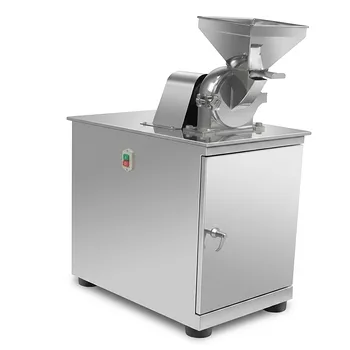
Universal Laboratory Pulverizer Grinder for Small Batch Powder Processing and Material Science Research
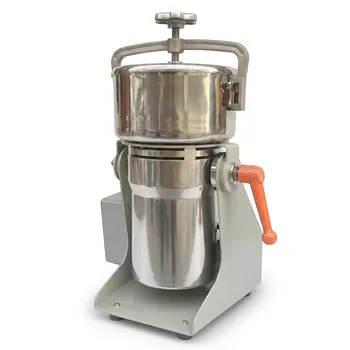
High Speed Laboratory Grinder Efficient Stainless Steel Powder Pulverizer Universal Material Science Mill for Sample Preparation
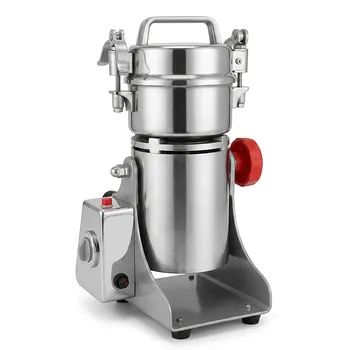
Industrial High Speed Small Sample Pulverizer Swing Type Laboratory Grinder for Powder Processing
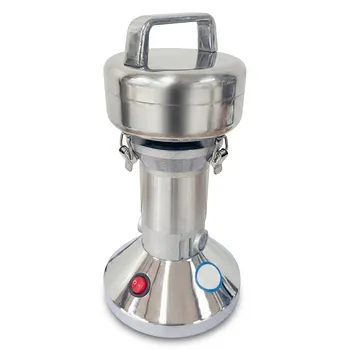
Small Trace Sample High Speed Pulverizer Grinder Laboratory Powder Mill
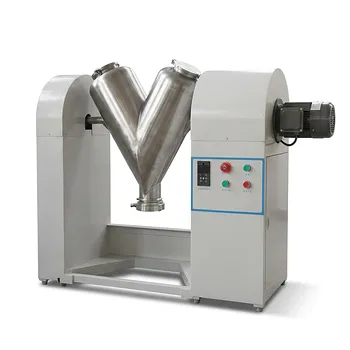
V-Type Powder Mixer for Uniform Blending of Dry Powders and Granules
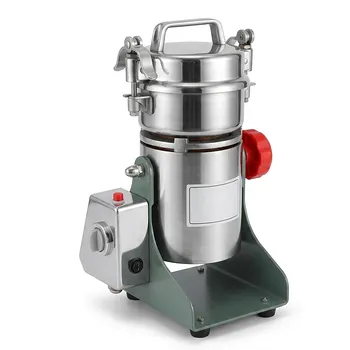
High Speed Swing Type Laboratory Pulverizer for Fine Powder Grinding and Sample Preparation
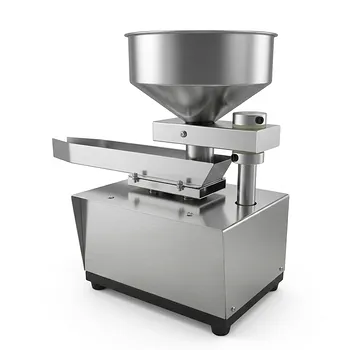
Automatic Vibrating Powder Feeder for Laboratory Material Processing Precision Vibratory Hopper Feeder for Granular and Powder Material Handling Industrial Grade Vibrating Tray Feeder for Consistent Material Sample Preparation
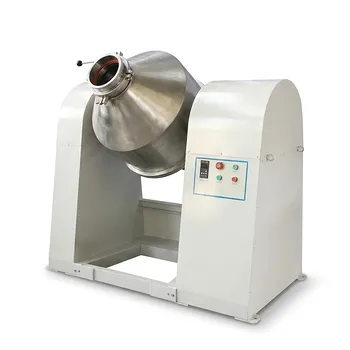
Industrial Double Cone Mixer for Powder Blending and Homogeneous Mixing
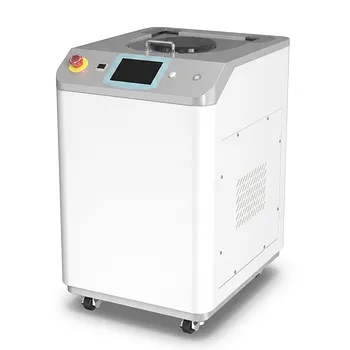
High Viscosity Planetary Centrifugal Mixing and Vacuum Defoaming Machine for Laboratory Material Preparation
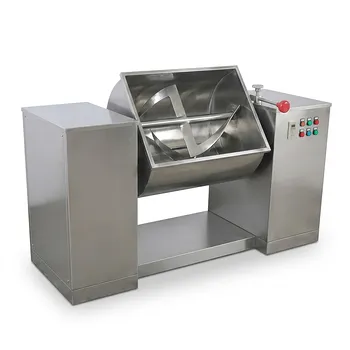
Horizontal Trough Mixer for Uniform Powder and Paste Blending
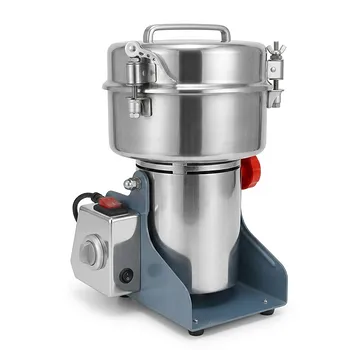
Small High-Speed Grinder for Efficient Laboratory Sample Preparation
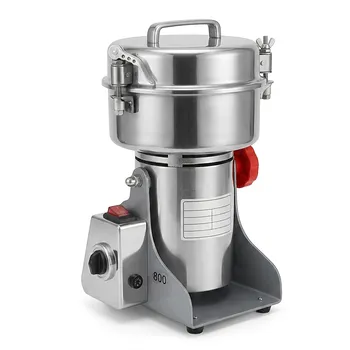
Small High-Speed Laboratory Grinder for Rapid Sample Preparation