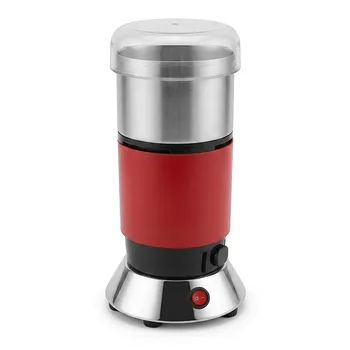
How does a laboratory mill or grinder assist in fertilizer nutrient analysis? Ensure Precise Sample Pretreatment
Updated 4 months ago
A laboratory mill transforms coarse fertilizer granules into a fine, uniform powder to ensure chemical reagents can fully access the sample’s internal composition. This mechanical pretreatment is the essential bridge between a bulk physical sample and a high-precision chemical analysis, directly enabling the complete release of nutrients for measurement.
Effective nutrient analysis depends on a laboratory mill’s ability to maximize surface area through pulverization, which guarantees that acid digestion is complete and that subsequent measurements are both accurate and reproducible.
Maximizing Surface Area for Chemical Reaction
Overcoming the Physical Barriers of Granules
Finished fertilizer granules are engineered for stability and controlled release, making them naturally resistant to rapid chemical breakdown. A laboratory mill uses mechanical force to shatter these structures, exposing the internal matrix that would otherwise remain shielded from solvents.
Accelerating the Acid Digestion Process
The speed and completeness of acid digestion are directly proportional to the available surface area of the sample. By pulverizing granules into an extremely fine powder, the mill ensures that chemical reagents can interact with the entire mass of the sample simultaneously rather than just the outer layer.
Ensuring Full Nutrient Release
Key elements, such as potassium, are often locked within the crystalline structure of the granule. Milling is critical for the "full release" of these elements into the solution, preventing under-reporting of nutrient content during the measurement phase.
Ensuring Sample Homogeneity and Consistency
Achieving Uniform Particle Size
A high-quality mill produces a uniform powder that eliminates the variability found in raw granules. This consistency is vital because uneven particle sizes can lead to stratified reactions, where smaller particles dissolve completely while larger ones remain partially intact.
Enhancing Analytical Reproducibility
When every sample is processed to the same level of fineness, the results become reproducible across different batches. This standardization allows laboratories to compare data points with confidence, knowing that physical variances have been removed from the equation.
Facilitating Efficient Material Mixing
Just as in the preparation of specialized granules, a refined powder allows for more uniform material mixing. This ensures that the small sub-sample taken for analysis is truly representative of the entire bulk lot.
Understanding the Trade-offs and Pitfalls
Heat Generation and Nutrient Integrity
Aggressive milling can generate significant frictional heat, which may alter the chemical state of sensitive nitrogen compounds or cause moisture loss. Technicians must balance the need for fineness with the risk of thermal degradation by using interval milling or cooling systems.
The Risk of Cross-Contamination
Laboratory mills must be meticulously cleaned between samples to prevent cross-contamination. Even a trace amount of a high-concentration fertilizer left in the milling chamber can skew the results of a subsequent low-concentration sample.
Managing Dust and Sample Loss
Extremely fine pulverization can result in "fines" that are easily lost as dust, potentially changing the nutrient profile of the remaining sample. Using sealed milling chambers and proper classification tools, such as sieve shakers, helps maintain sample integrity.
How to Apply This to Your Laboratory Workflow
Effective pretreatment is a balance of mechanical force and chemical requirements.
- If your primary focus is Absolute Accuracy: Ensure the mill achieves a particle size that allows for 100% dissolution during acid digestion to prevent the loss of recalcitrant elements.
- If your primary focus is High Throughput: Select a mill with easy-to-clean components and rapid pulverization cycles to minimize downtime between different fertilizer batches.
- If your primary focus is Material Research: Incorporate sieve shakers after milling to classify particles (e.g., using a 200 μm mesh) to ensure the highest level of consistency for experimental formulations.
Proper mechanical pretreatment ensures that your analytical results reflect the true chemical value of the fertilizer, rather than the limitations of the digestion process.
Summary Table:
| Key Milling Benefit | Impact on Analysis | Practical Importance |
|---|---|---|
| Surface Area Expansion | Accelerates Acid Digestion | Ensures chemical reagents can access the entire sample mass. |
| Structural Breakdown | Full Nutrient Release | Unlocks elements like potassium from crystalline granule matrices. |
| Particle Uniformity | Enhanced Homogeneity | Eliminates variability and ensures sub-samples are representative. |
| Standardization | High Reproducibility | Removes physical variances to allow consistent batch comparisons. |
Elevate Your Analytical Precision with Professional Sample Prep
Achieving accurate nutrient analysis starts with superior sample preparation. We provide complete laboratory sample preparation solutions tailored for material science and chemical analysis. Whether you are processing fertilizer granules, minerals, or advanced ceramics, our equipment ensures your samples are perfectly homogenized and ready for high-precision testing.
Our extensive product line includes:
- Milling & Grinding: Planetary ball mills, jet mills, rotor mills, and liquid nitrogen cryogenic grinders for heat-sensitive materials.
- Crushing & Sizing: Jaw/roll crushers and vibratory/air-jet sieve shakers with precision test sieves.
- Powder Compaction: A full spectrum of hydraulic presses, including Cold/Warm Isostatic Presses (CIP/WIP), XRF pellet presses, and vacuum hot presses.
- Advanced Mixing: High-efficiency powder mixers and vacuum defoaming mixers for uniform material distribution.
Don't let poor pretreatment compromise your research results. Contact our technical experts today to find the ideal equipment for your laboratory workflow and ensure the highest level of accuracy and reproducibility.
References
- Erizal Erizal, Halim Zaini. Production of Granular Potassium Fertilizer from Oil Palm Empty Fruit Bunch (EFB) Incineration Ash. DOI: 10.30811/teknologi.v25i3.7527
Mentioned Products
- Vibratory Superfine Grinder for Ultra Fine Laboratory Powder Milling
- Laboratory Desktop Ultra Fine Powder Grinder High Speed Micronizing Pulverizer
- High Speed Laboratory Grinder Efficient Stainless Steel Powder Pulverizer Universal Material Science Mill for Sample Preparation
- High Efficiency High Speed Grinder Laboratory Mill 1300W 25000rpm
- Small Laboratory Oscillating Granulator for Wet and Dry Granulation Processing
People Also Ask
- What role does a laboratory grinder play in the pretreatment of sunflower seed shell-based adsorbents? Boost Efficiency.
- How does a laboratory grinder or mill enhance the adsorption performance of agricultural waste materials? Boost Surface Area
- What is the function of a laboratory vibratory mill? Master StPh/MMT Nanocomposite Preparation via Mechanochemistry
- Why is high-efficiency ultra-fine grinding required for Portland cement before XRD? Get Accurate Rietveld Results
- How does the size of grinding media influence the vibratory milling efficiency? Achieve Optimal Pharmaceutical Fineness

Tech Team · PowderPreparation
Last updated on Jun 03, 2026
Related Products
Vibratory Superfine Grinder for Ultra Fine Laboratory Powder Milling
Laboratory Desktop Ultra Fine Powder Grinder High Speed Micronizing Pulverizer
High Speed Laboratory Grinder Efficient Stainless Steel Powder Pulverizer Universal Material Science Mill for Sample Preparation
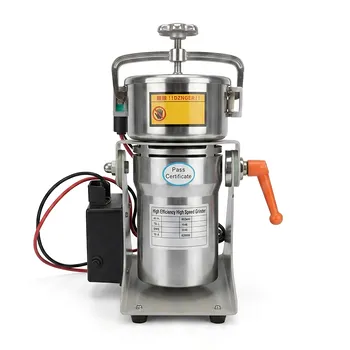
High Efficiency High Speed Grinder Laboratory Mill 1300W 25000rpm
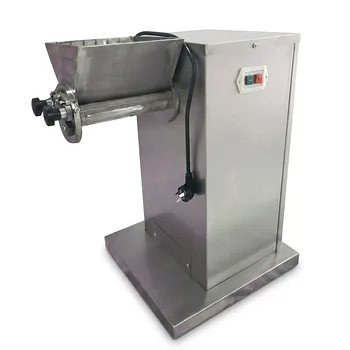
Small Laboratory Oscillating Granulator for Wet and Dry Granulation Processing
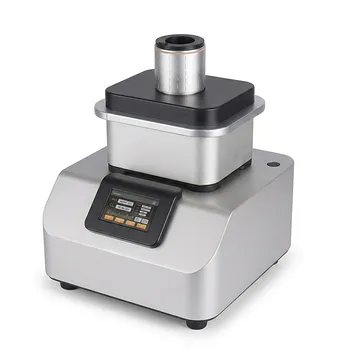
Ultra Centrifugal Mill High Speed Laboratory Grinder for Fibrous and Brittle Sample Preparation
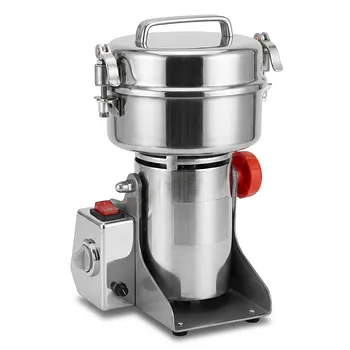
High Speed Laboratory Powder Grinder Small Batch Sample Preparation Mill
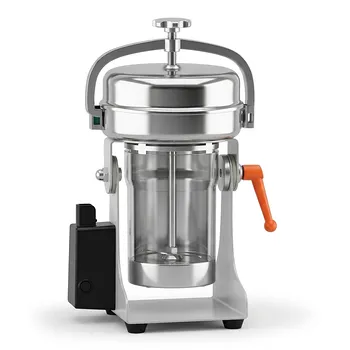
High Efficiency High Speed Grinder 2200W 25000 RPM Laboratory Sample Preparation
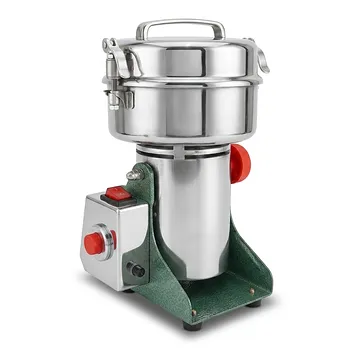
Small High-Speed Laboratory Grinder for Powder Processing
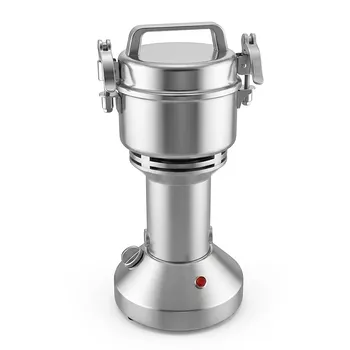
Small High Speed Upright Grinder for Laboratory Sample Preparation
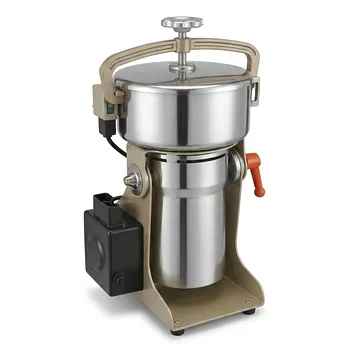
Multifunctional High Efficiency High Speed Laboratory Grinder
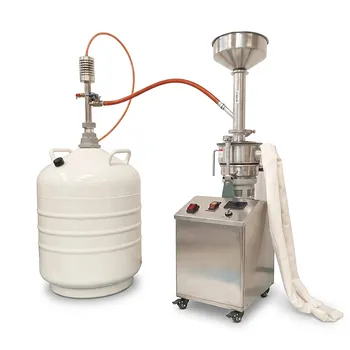
Laboratory Liquid Nitrogen Cryogenic Grinder for Polymer and Elastomer Materials
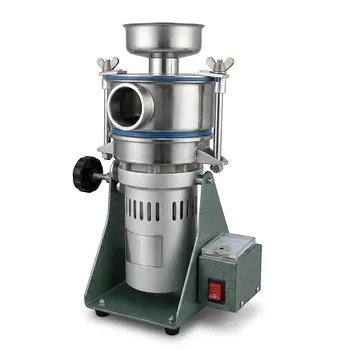
Small Airflow Ultra-Fine Grinder for Laboratory Sample Preparation
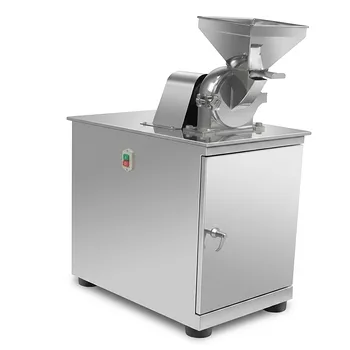
Universal Laboratory Pulverizer Grinder for Small Batch Powder Processing and Material Science Research

360° Rotating Omnidirectional Laboratory Planetary Ball Mill for Homogeneous Ultra-Fine Grinding and Mixing
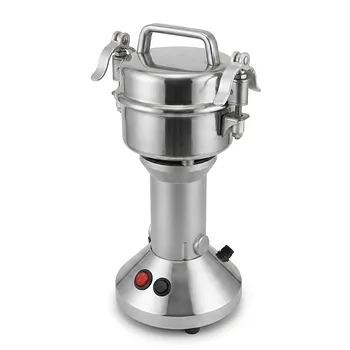
Continuous Feeding Grinding Mill for Dry Fibrous Tough and Hard Materials in Laboratory and Small Production
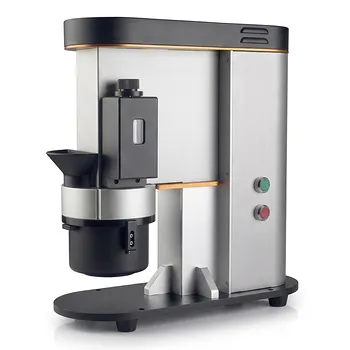
Precision Soil Disc Mill for Laboratory Fine Grinding and Environmental Sample Preparation
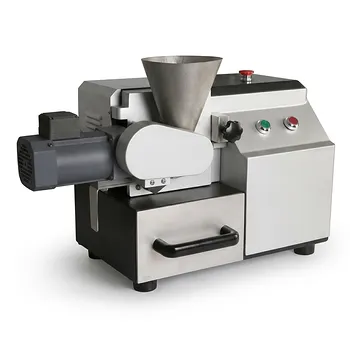
Laboratory Hammer Mill for Coal Quality Analysis and Brittle Mineral Grinding
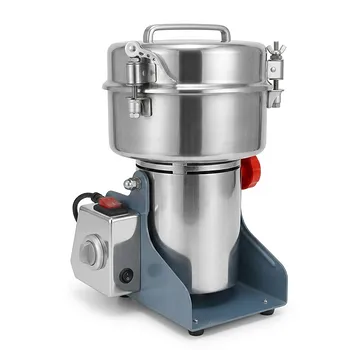
Small High-Speed Grinder for Efficient Laboratory Sample Preparation