How does a lab hydraulic press influence SiC/Cf fiber-reinforced preforms? Mastering Microstructural Integrity
Updated 4 months ago
The laboratory hydraulic press is the primary tool for establishing the microstructural integrity of SiC/C$_f$ fiber-reinforced preforms.
By applying precise, high-tonnage pressure, the press dictates the spatial arrangement of carbon fibers and the resulting fiber volume fraction. This molding process defines the pore network essential for subsequent matrix infiltration and minimizes internal defects like macro-voids that could otherwise compromise the material's final damage resistance.
The laboratory hydraulic press serves as a critical control point for preform density and geometry, ensuring the fiber-matrix architecture is optimized for structural stability. Precise pressure application is essential for eliminating air, facilitating mechanical interlocking, and preparing the preform for secondary processing like silicidation or sintering.
Defining the Microstructural Architecture
Controlling Fiber Volume Fraction
The hydraulic press precisely regulates the fiber volume fraction by determining how closely carbon fibers are packed. This density is a primary driver of the final composite's mechanical properties, as it dictates the ratio of reinforcement to the ceramic matrix.
Geometry and Spatial Arrangement
Molding pressure forces carbon fibers into specific geometries required for the final component. By maintaining consistent pressure, the press ensures that the fiber architecture remains stable throughout the transition from a loose layup to a rigid preform.
Mechanical Interlocking of Layers
High pressures—often reaching 80 MPa to 120 MPa—are used to bond stacked matrix and interface tapes. This physical compression creates mechanical interlocking between layers, providing the structural stability needed for the preform to survive binder removal and high-temperature sintering.
Influence on Porosity and Infiltration
Regulating Pore Structure
The spacing between fibers, determined by the press, creates the pore structure of the preform. This capillary network is what allows the matrix material to infiltrate the preform effectively during later stages of production.
Eliminating Macro-voids and Entrapped Air
The compression process is vital for excluding residual air and bubbles trapped between layers or within the fiber bundles. Removing these voids is critical, as any macro-pores left in the preform become "weak spots" that significantly reduce the material's resistance to damage.
Optimizing Mass Diffusion Paths
In preforms containing nano-additives or powders, the press reduces the distance between particles. This shortens diffusion paths, which facilitates faster and more uniform mass diffusion during the final high-temperature heat treatment.
Dimensional Stability and Density
Achieving Target Green Density
By accurately adjusting compaction pressure, the hydraulic press can regulate the initial density of carbon components (typically within a range of 0.9 to 1.46 g/cm³). This level of control ensures the green body is dense enough to maintain its shape during handling.
Managing Non-Shrinkage Sintering
Precise pressure control allows for the creation of dimensionally stable preforms. This is essential for specialized processes like non-shrinkage silicidation, where the preform must maintain its exact measurements while reacting with molten silicon.
Understanding the Trade-offs
Excessive Pressure and Fiber Damage
While high pressure increases density, exceeding the mechanical limits of the fibers can cause fiber crushing or fragmentation. Damaged fibers lose their load-bearing capacity, which can lead to a "brittle" failure mode in the final SiC/C$_f$ composite.
Insufficient Pressure and Structural Weakness
If the pressure is too low, the preform may suffer from delamination or high internal porosity. This results in a "loose" structure that cannot be properly infiltrated, leading to a final product with low compressive strength and poor volumetric stability.
How to Apply This to Your Fabrication Goal
Depending on your specific application for the SiC/C$_f$ preform, your approach to using the hydraulic press should shift to prioritize different outcomes.
- If your primary focus is Maximum Damage Resistance: Prioritize consistent, moderate pressure to eliminate macro-voids while ensuring carbon fibers remain intact and uncrushed.
- If your primary focus is Complex Matrix Infiltration: Focus on regulating the molding pressure to maintain a specific pore size distribution that matches the viscosity of your infiltration material.
- If your primary focus is Dimensional Precision: Utilize high-pressure compaction (up to 120 MPa) to achieve a high-density green body that will resist warping or shrinkage during subsequent sintering.
- If your primary focus is Layer Adhesion: Ensure the press is used to create mechanical interlocking between matrix tapes, focusing on the exclusion of air bubbles at the interfaces.
By mastering the precise application of pressure, you transform a loose assembly of fibers and powders into a high-performance structural foundation.
Summary Table:
| Key Influence Factor | Impact on SiC/Cf Preforms | Recommended Parameter/Goal |
|---|---|---|
| Compaction Pressure | Controls mechanical interlocking and air exclusion | 80 MPa to 120 MPa |
| Fiber Volume Fraction | Dictates the ratio of reinforcement to matrix | Precise density regulation |
| Pore Structure | Facilitates matrix infiltration and mass diffusion | Capillary network optimization |
| Green Density | Ensures dimensional stability during sintering | 0.9 to 1.46 g/cm³ |
| Macro-void Removal | Eliminates weak spots and internal defects | Crucial for damage resistance |
Elevate Your Material Research with Precision Compaction
Achieving the perfect microstructural architecture for SiC/C$_f$ preforms requires more than just pressure—it requires precision. At our core, we provide complete laboratory sample preparation solutions for material science, specializing in high-performance powder processing and compaction equipment.
Our extensive range of hydraulic presses is engineered to meet the rigorous demands of advanced ceramic research, including:
- Isostatic Presses: Cold/Warm Isostatic Presses (CIP/WIP) for uniform density.
- Specialized Lab Presses: Standard lab presses, XRF pellet presses, and vacuum hot presses.
- Sample Prep Tools: Crushers, cryogenic grinders, and advanced planetary ball mills.
- Mixing & Sizing: Powder mixers, defoaming mixers, and precision sieve shakers.
Whether you are aiming to eliminate macro-voids or optimize fiber volume fractions, our equipment ensures your preforms maintain dimensional stability and structural integrity. Contact us today to discover how our tailored solutions can enhance your lab's output and material performance!
References
- Aicha Metehri, Ilias-Mohammed-Amine Ghermaoui. Tensile examination of progressive damage and failure in porous ceramic composite materials using the XFEM. DOI: 10.5937/vojtehg72-50091
Mentioned Products
- 6-Ton Small Single-Punch Tablet Press — Laboratory Powder & Granule Tableting Equipment / Tablet Forming Machine
- 5 Ton Single Punch Tablet Press Laboratory Small Batch Production
- Manual Tablet Press with Dual Scale Pressure Gauge for Pharmaceutical Food Chemical Laboratory Sample Preparation
- 6 Ton Variable Frequency Single Punch Tablet Press
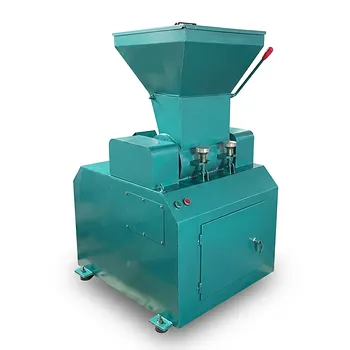
- High Speed Small Laboratory Crusher for Dry Material Sample Preparation
People Also Ask
- What is the function of a laboratory press in Cr-Ti alloy evaluation? Quantify Fracture Stress & Strength
- What is the function of a laboratory press in assessing the hydrophobic performance of modified vermiculite fillers?
- What is the core function of a laboratory press in the forming of ceramic filter element green bodies? Maximize Density.
- What is the function of a laboratory press in the preparation of ceramic feed rods? Master Density and Precision
- Why is vacuum sealing and flexible packaging necessary for Aluminum Titanate powders during CIP? Ensure Peak Density

Tech Team · PowderPreparation
Last updated on Jun 03, 2026
Related Products
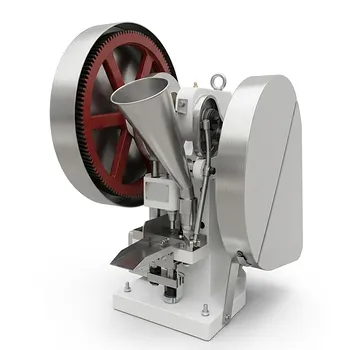
6-Ton Small Single-Punch Tablet Press — Laboratory Powder & Granule Tableting Equipment / Tablet Forming Machine
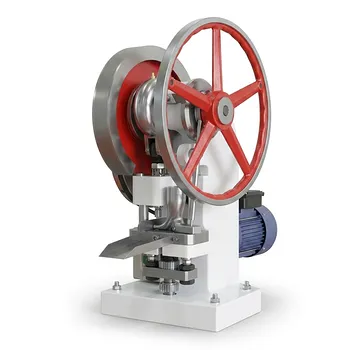
5 Ton Single Punch Tablet Press Laboratory Small Batch Production
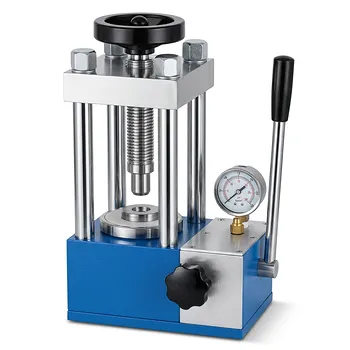
Manual Tablet Press with Dual Scale Pressure Gauge for Pharmaceutical Food Chemical Laboratory Sample Preparation
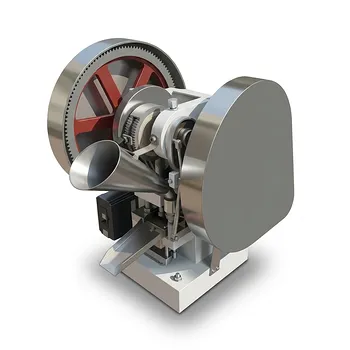
6 Ton Variable Frequency Single Punch Tablet Press
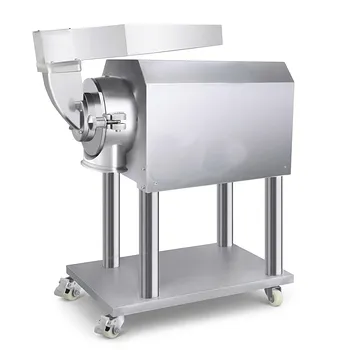
High Speed Small Laboratory Crusher for Dry Material Sample Preparation
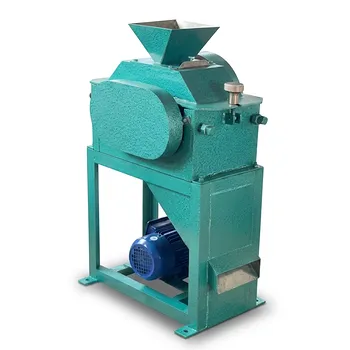
Laboratory Double Roll Crusher for Medium Hardness Materials Coal Ore Sample Preparation
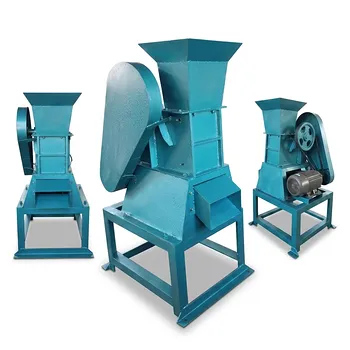
Custom Raised Height Laboratory Jaw Crusher for Precision Sample Preparation in Material Science
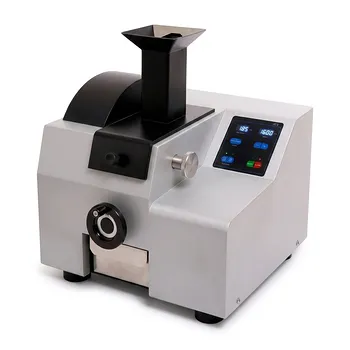
Laboratory Benchtop Jaw Crusher for Hard Brittle Materials Primary Size Reduction and Sample Preparation
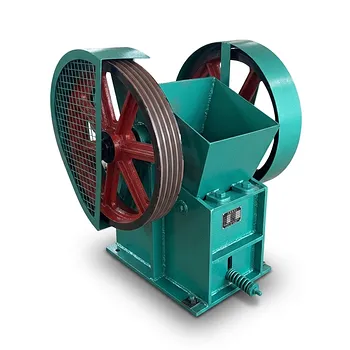
150x250mm Laboratory Jaw Crusher for Medium Hard Material Crushing and Sample Preparation
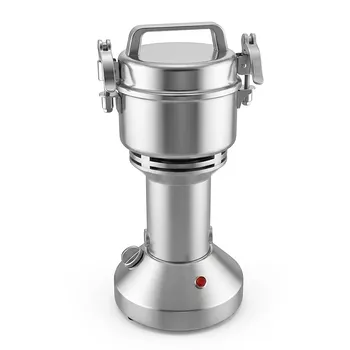
Small High Speed Upright Grinder for Laboratory Sample Preparation
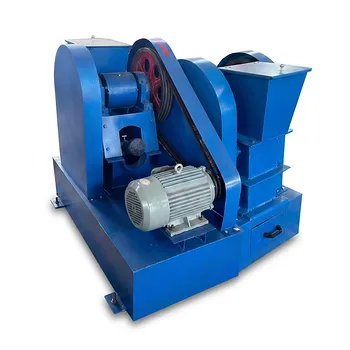
Horizontal Jaw Crusher Medium Hard Material Crushing Laboratory Sample Preparation Equipment
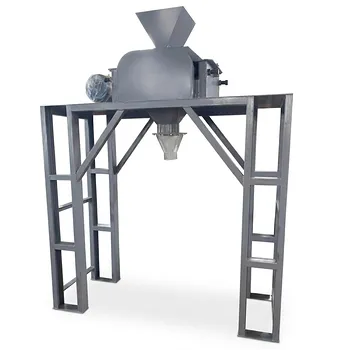
Heightened Customized Laboratory Double Roll Crusher for Coal Ore Rock Crushing
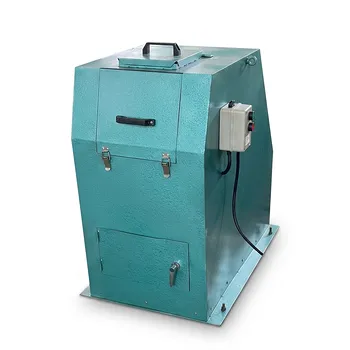
Environmentally Friendly Sealed Laboratory Jaw Crusher for Sample Preparation
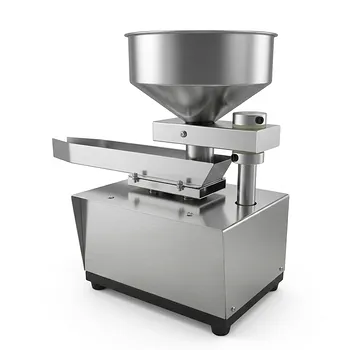
Automatic Vibrating Powder Feeder for Laboratory Material Processing Precision Vibratory Hopper Feeder for Granular and Powder Material Handling Industrial Grade Vibrating Tray Feeder for Consistent Material Sample Preparation
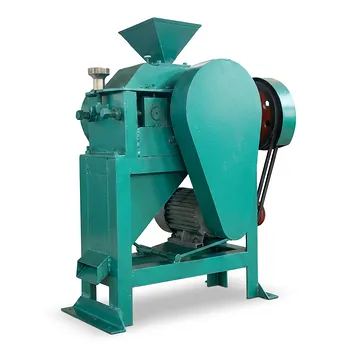
Laboratory Sealed Double Roll Crusher for Coal Ore Rock and Medium Hardness Materials Sample Preparation
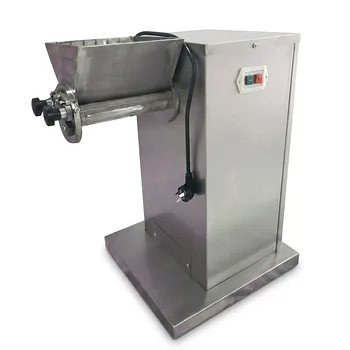
Small Laboratory Oscillating Granulator for Wet and Dry Granulation Processing
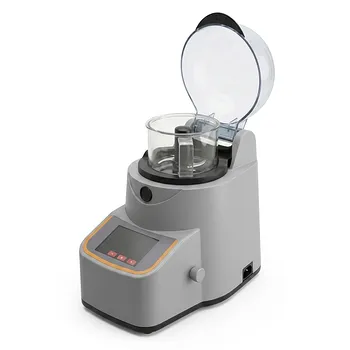
Industrial Knife Mill for Food and Biological Sample Preparation High Speed Laboratory Homogenizer
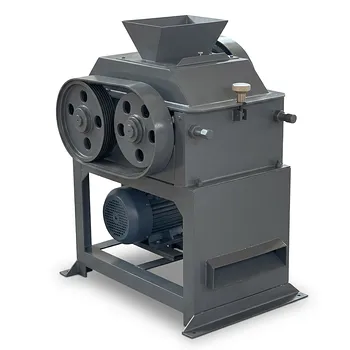
Sealed Laboratory Double Roll Crusher for Coal, Mineral, Ore Sample Preparation
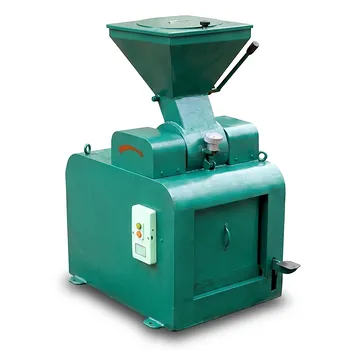
Laboratory Sealed Hammer Crushers for Coal Sample Preparation and Medium Strength Material Crushing