How does a laboratory hydraulic press improve ceramic green body quality? Optimize pressure for superior densification.
Updated 4 months ago
A laboratory hydraulic press improves ceramic green body quality by applying precise, high-pressure loads—typically ranging from 2 to 4 tons—to force powder particles into a state of rearrangement and plastic deformation. This controlled compression eliminates internal micro-pores and density gradients, creating a structurally sound "green" state that can withstand the intense thermal stresses of the sintering process without warping, cracking, or delaminating.
Precise pressure control is the fundamental bridge between loose powder and a high-performance ceramic. By ensuring uniform particle packing and maximizing contact points, the hydraulic press establishes the physical foundation required for successful densification and phase transformation during sintering.
The Mechanics of Particle Transformation
Overcoming Friction and Rearrangement
In its initial state, ceramic powder contains significant air gaps and internal friction that resist densification. Precise axial pressure provides the energy necessary for these particles to overcome friction, slide past one another, and fill empty voids.
Plastic Deformation and Contact Points
Once the particles are rearranged, sustained pressure forces them to undergo plastic deformation. This increases the number of contact points between individual grains, which significantly boosts the green strength of the body, making it durable enough for manual handling and transport.
The Role of Pressure-Holding
The ability to maintain a specific load over a set duration is as critical as the peak pressure itself. Stable pressure-holding allows the particles to settle into their most stable configuration, which is essential for achieving a consistent bulk density throughout the entire sample.
Eliminating Internal Defects
Removal of Micro-pores and Trapped Air
High-pressure forming (often reaching up to 100 MPa) acts to expel trapped air and collapse internal micro-pores. This reduction in initial porosity is the primary defense against shrinkage deviations that can ruin the dimensions of the final ceramic product.
Minimizing Density Gradients
Inaccurate or uneven pressure application creates areas of high and low density within the same green body. A precision hydraulic press ensures uniform internal density distribution, preventing the uneven internal stresses that lead to catastrophic failures like cracking during the cooling phase.
Establishing the Sintering Foundation
The quality of the green body dictates the success of the high-temperature stage. A dense, uniform green body provides a stable environment for grain growth and phase transformation, ensuring the final ceramic disk achieves its intended geometric shape and physical properties.
Understanding the Trade-offs and Pitfalls
The Risk of Over-Pressing
While higher pressure generally increases density, exceeding the material's limits can cause capping or delamination. This occurs when stored elastic energy is released too quickly upon pressure removal, causing the green body to split into layers.
Friction and Wall Effects
Even with high-precision presses, friction between the powder and the stainless steel mold walls can lead to slight density variations. It is crucial to balance pressure levels with proper mold lubrication to ensure the most homogenous results possible.
Material-Specific Pressure Requirements
Not all powders respond to pressure in the same way; granulated powders often require different pressure profiles than fine, raw powders. Applying a "one size fits all" pressure setting can lead to insufficient bonding or internal structural flaws that only become visible after sintering.
How to Apply This to Your Project
When utilizing a laboratory hydraulic press, your pressure strategy should align with your specific material goals:
- If your primary focus is maximizing final density: Use the highest recommended pressure for your material (often near 100 MPa) while utilizing a slow pressure-release cycle to prevent internal cracking.
- If your primary focus is dimensional precision: Prioritize precise pressure-holding stages to ensure uniform density, which minimizes unpredictable shrinkage during the 1250°C to 1500°C sintering range.
- If your primary focus is preventing delamination: Opt for a press with controlled decompression capabilities to allow elastic energy to dissipate slowly without fracturing the green body layers.
By mastering the precise control of the hydraulic pressing stage, you ensure that the subsequent sintering process results in a flawless, high-performance ceramic component.
Summary Table:
| Process Stage | Action | Impact on Quality |
|---|---|---|
| Rearrangement | Overcoming internal friction | Fills air gaps & voids |
| Deformation | Increasing particle contact | Boosts green strength & durability |
| Pressure-Holding | Stabilizing bulk density | Ensures uniform internal structure |
| Decompression | Controlled energy release | Prevents capping & delamination |
| High Pressure | Expelling trapped air | Minimizes shrinkage & micro-pores |
Elevate Your Material Research with KINTEK
Achieve the perfect physical foundation for your ceramic samples with KINTEK’s precision engineering. We provide complete laboratory sample preparation solutions for material science, specializing in advanced powder processing and compaction equipment.
Whether you require standard lab presses, XRF pellet presses, or advanced Cold/Warm Isostatic Presses (CIP/WIP), our technology ensures uniform density and eliminates structural defects. Our extensive range also includes:
- Crushing & Grinding: Jaw/roll crushers and planetary ball/jet mills.
- Sieving & Mixing: Sieve shakers and high-efficiency defoaming mixers.
- Thermal Processing: Hot presses and vacuum hot presses for specialized applications.
Ready to optimize your powder compaction workflow? Contact KINTEK today to consult with our experts and find the ideal solution for your laboratory's needs.
References
- A Zainudin, Woon Kiow Lee. Performance Properties Optimization of Triaxial CeramicPalm Oil Fuel Ash by Employing Taguchi Grey Relational Analysis. DOI: 10.30880/ijie.2019.11.01.026
Mentioned Products
- 6-Ton Small Single-Punch Tablet Press — Laboratory Powder & Granule Tableting Equipment / Tablet Forming Machine
- 5 Ton Single Punch Tablet Press Laboratory Small Batch Production
- Manual Tablet Press with Dual Scale Pressure Gauge for Pharmaceutical Food Chemical Laboratory Sample Preparation
- 6 Ton Variable Frequency Single Punch Tablet Press
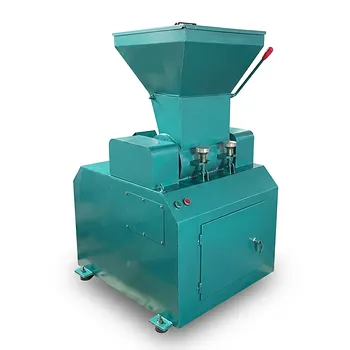
- High Speed Small Laboratory Crusher for Dry Material Sample Preparation
People Also Ask
- What is the function of a laboratory press in Cr-Ti alloy evaluation? Quantify Fracture Stress & Strength
- What is the function of a laboratory press in assessing the hydrophobic performance of modified vermiculite fillers?
- What is the core function of a laboratory press in the forming of ceramic filter element green bodies? Maximize Density.
- What is the function of a laboratory press in the preparation of ceramic feed rods? Master Density and Precision
- Why is vacuum sealing and flexible packaging necessary for Aluminum Titanate powders during CIP? Ensure Peak Density

Tech Team · PowderPreparation
Last updated on May 14, 2026
Related Products
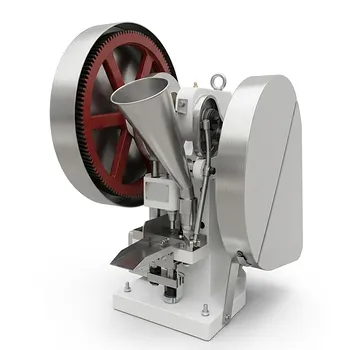
6-Ton Small Single-Punch Tablet Press — Laboratory Powder & Granule Tableting Equipment / Tablet Forming Machine
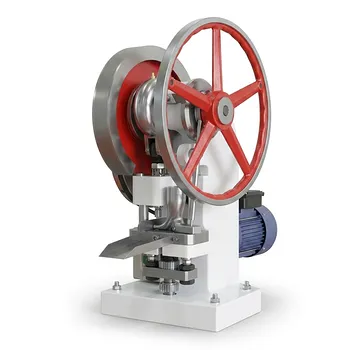
5 Ton Single Punch Tablet Press Laboratory Small Batch Production
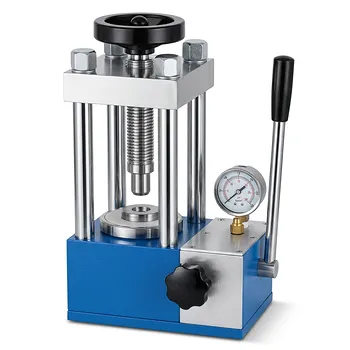
Manual Tablet Press with Dual Scale Pressure Gauge for Pharmaceutical Food Chemical Laboratory Sample Preparation
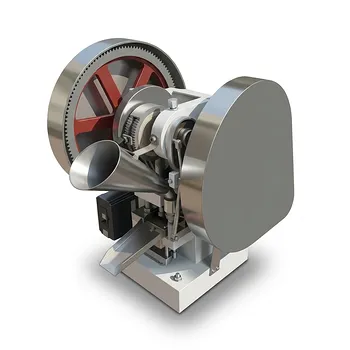
6 Ton Variable Frequency Single Punch Tablet Press
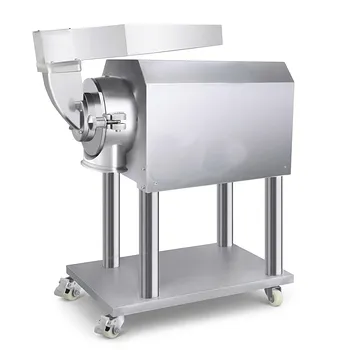
High Speed Small Laboratory Crusher for Dry Material Sample Preparation
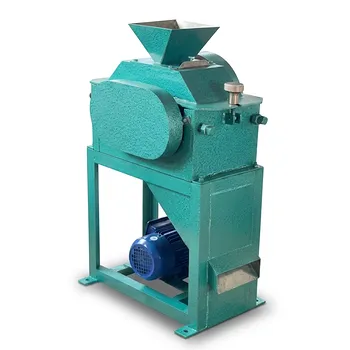
Laboratory Double Roll Crusher for Medium Hardness Materials Coal Ore Sample Preparation
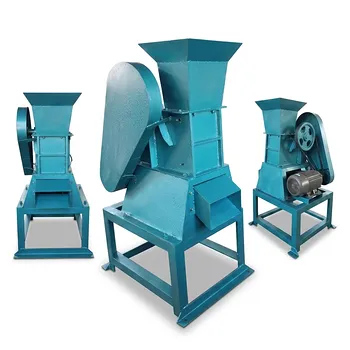
Custom Raised Height Laboratory Jaw Crusher for Precision Sample Preparation in Material Science
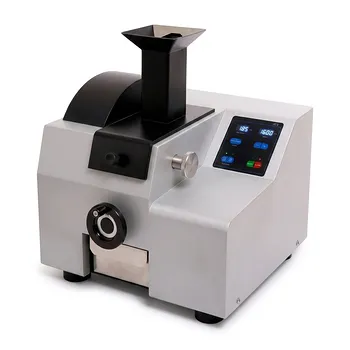
Laboratory Benchtop Jaw Crusher for Hard Brittle Materials Primary Size Reduction and Sample Preparation
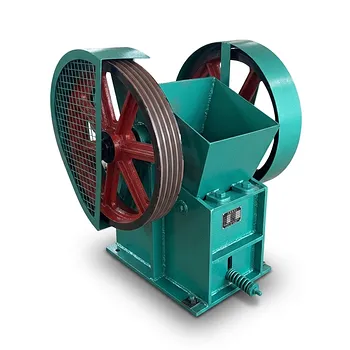
150x250mm Laboratory Jaw Crusher for Medium Hard Material Crushing and Sample Preparation
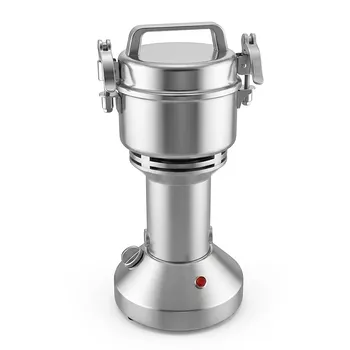
Small High Speed Upright Grinder for Laboratory Sample Preparation
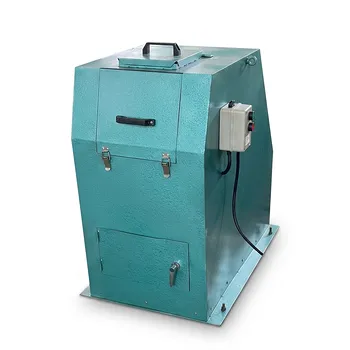
Environmentally Friendly Sealed Laboratory Jaw Crusher for Sample Preparation
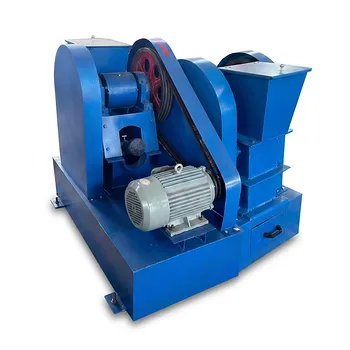
Horizontal Jaw Crusher Medium Hard Material Crushing Laboratory Sample Preparation Equipment
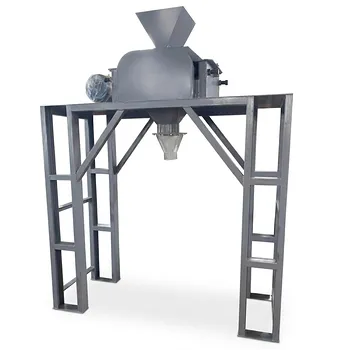
Heightened Customized Laboratory Double Roll Crusher for Coal Ore Rock Crushing
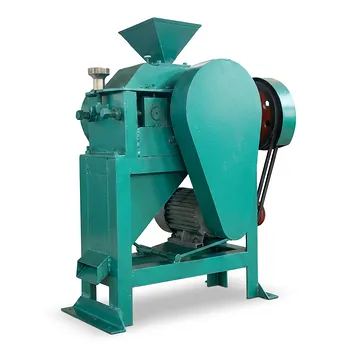
Laboratory Sealed Double Roll Crusher for Coal Ore Rock and Medium Hardness Materials Sample Preparation
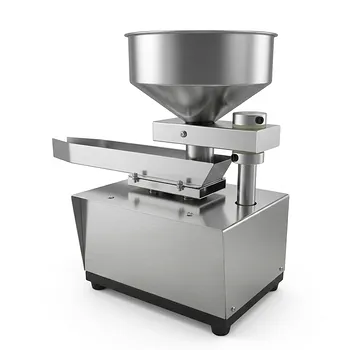
Automatic Vibrating Powder Feeder for Laboratory Material Processing Precision Vibratory Hopper Feeder for Granular and Powder Material Handling Industrial Grade Vibrating Tray Feeder for Consistent Material Sample Preparation
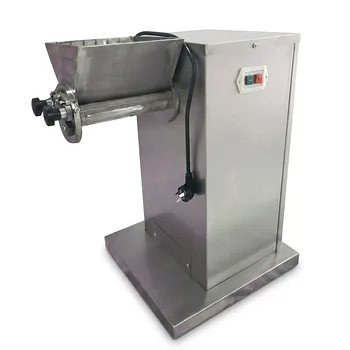
Small Laboratory Oscillating Granulator for Wet and Dry Granulation Processing
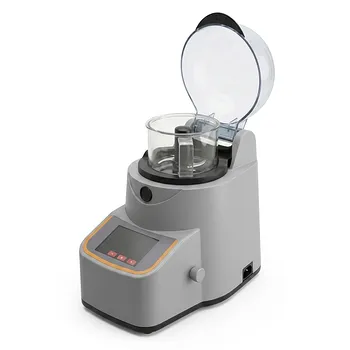
Industrial Knife Mill for Food and Biological Sample Preparation High Speed Laboratory Homogenizer
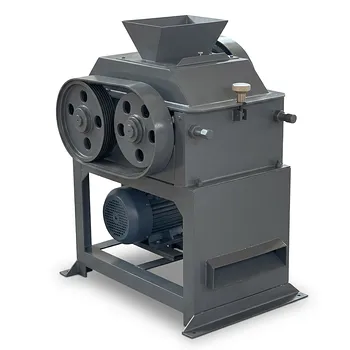
Sealed Laboratory Double Roll Crusher for Coal, Mineral, Ore Sample Preparation
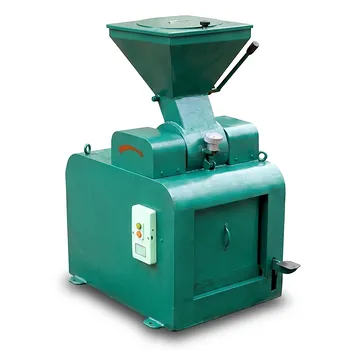
Laboratory Sealed Hammer Crushers for Coal Sample Preparation and Medium Strength Material Crushing