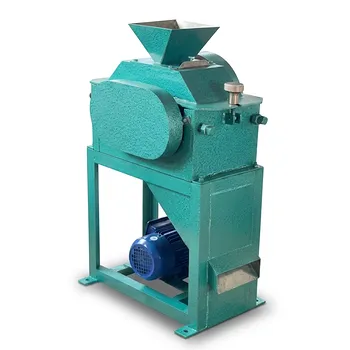
How does a laboratory hydraulic press facilitate the composition analysis of aluminum-graphene (Al-Gr) nanopowders? Tips
Updated 4 months ago
A laboratory hydraulic press is the critical bridge between raw nanopowder and actionable data. By compacting loose aluminum-graphene (Al-Gr) composite powder into dense, flat pellets, the press eliminates the signal scattering inherent in loose powders. This preparation ensures that surface analysis techniques, such as X-ray diffraction (XRD), receive a clear and accurate signal for precise phase composition analysis.
The laboratory hydraulic press facilitates composition analysis by transforming loose nanopowders into high-density, flat-surfaced pellets. This physical stabilization is essential to minimize signal noise and ensure the structural uniformity required for precise material characterization.
Optimizing Material State for Surface Analysis
Eliminating Signal Scattering
Loose nanopowders naturally scatter incident radiation, which creates significant "noise" during characterization. By applying high pressure, a hydraulic press creates a uniform, reflective surface that allows X-rays to interact predictably with the material. This results in sharper peaks and more reliable data during phase composition identification.
Improving Surface Flatness and Particle Density
Precise analysis requires the sample surface to be perfectly flush with the instrument's focal plane. The press compacts Al-Gr powders into circular pellets (typically 10 mm in diameter) with exceptional flatness. This high particle density ensures that the internal structure being analyzed is representative of the bulk material rather than captured air or voids.
Increasing Volume Utilization
Nanopowders are notoriously difficult to handle due to their low bulk density and high surface area. The hydraulic press increases the volume utilization of the material by compressing it into a solid disc or billet. This transformation makes the sample stable enough for repeated measurements and subsequent mechanical testing.
The Mechanics of Powder Compaction
Inducing Plastic Deformation
To form a stable pellet, the press applies pressures ranging from 250 MPa to 500 MPa. This intense force causes the aluminum particles to undergo plastic deformation, filling the interstitial voids between graphene sheets. The result is a "green compact" that maintains its shape through mechanical interlocking.
Overcoming Van der Waals Forces
Nanoparticles are often held in loose agglomerates by weak Van der Waals forces. The hydraulic press applies sufficient static pressure to overcome these forces, forcing particle rearrangement. This process excludes trapped air and establishes a continuous material matrix essential for accurate density measurements.
Uniformity through Double-Sided Pressing
Advanced laboratory presses utilize double-sided pressing dies to ensure pressure is transmitted evenly throughout the powder. This method is superior to single-sided pressing because it significantly reduces density gradients. A uniform density prevents micro-cracks and ensures that analysis results are consistent across the entire surface of the sample.
Understanding the Trade-offs
The Risk of Density Gradients
While high pressure is necessary for compaction, uneven application can lead to anisotropy within the pellet. If the pressure is not distributed uniformly, the core of the pellet may remain less dense than the exterior. This variation can lead to inconsistent XRD results if the beam strikes different areas of the sample.
Pressure Sensitivity and Micro-cracking
Applying excessive pressure (beyond the material's limit) can lead to the formation of micro-cracks or "spring-back" effects upon release. These structural defects can interfere with the continuity of the material during analysis. Conversely, insufficient pressure results in a fragile green body that may crumble during the transition to the testing equipment.
How to Apply This to Your Research
Implementing the Right Compaction Strategy
- If your primary focus is Phase Composition Accuracy: Utilize a double-sided die and high pressure (approx. 250-300 MPa) to ensure a perfectly flat, scattering-free surface for XRD.
- If your primary focus is Subsequent Mechanical Processing: Focus on achieving a specific initial density and mechanical strength to ensure the billet survives indirect extrusion or sintering.
- If your primary focus is Nanoparticle Distribution: Apply precise, controlled pressure (starting at 10 MPa) to manage initial porosity and prevent the over-agglomeration of graphene within the aluminum matrix.
By masterfully controlling the physical state of Al-Gr nanopowders, the laboratory hydraulic press transforms an unmanageable powder into a high-fidelity analytical specimen.
Summary Table:
| Feature | Action on Al-Gr Nanopowder | Analytical Benefit |
|---|---|---|
| High Pressure (250-500 MPa) | Induces plastic deformation and excludes air | Increases particle density and volume utilization |
| Double-Sided Pressing | Minimizes density gradients and micro-cracks | Ensures consistent characterization across the sample |
| Flat Die Compaction | Creates a uniform, reflective surface | Eliminates signal scattering for sharper XRD peaks |
| Static Compression | Overcomes Van der Waals forces | Transforms loose powder into stable analytical billets |
Elevate Your Material Research with Precision Sample Preparation
Accurate analysis of Al-Gr composites begins with high-quality sample preparation. We provide complete laboratory sample preparation solutions for material science, specializing in advanced powder processing and high-performance compaction equipment.
Our extensive range includes:
- Advanced Compaction: Cold/Warm Isostatic Presses (CIP/WIP), standard lab presses, XRF pellet presses, and vacuum hot presses.
- Powder Processing: Crushers (jaw/roll), liquid nitrogen cryogenic grinders, and various mills (planetary ball, jet, rotor).
- Analysis Support: Sieve shakers, powder mixers, and defoaming mixers to ensure sample homogeneity.
Whether you are refining XRD accuracy or preparing billets for sintering, our equipment ensures the structural uniformity your research demands. Contact us today to find your solution and optimize your laboratory workflow.
References
- V.K. Jain, Ajay Dhar. Microscopic and spectroscopic evaluation of SPS sintered aluminium-graphene (Al-Gr) nanocomposites. DOI: 10.5185/amp.2017/303
Mentioned Products
- 6-Ton Small Single-Punch Tablet Press — Laboratory Powder & Granule Tableting Equipment / Tablet Forming Machine
- 5 Ton Single Punch Tablet Press Laboratory Small Batch Production
- Manual Tablet Press with Dual Scale Pressure Gauge for Pharmaceutical Food Chemical Laboratory Sample Preparation
- 6 Ton Variable Frequency Single Punch Tablet Press
- High Shear Laboratory Emulsifier for Mixing and Homogenization
People Also Ask
- What is the function of a laboratory press in Cr-Ti alloy evaluation? Quantify Fracture Stress & Strength
- What is the function of a laboratory press in assessing the hydrophobic performance of modified vermiculite fillers?
- What is the core function of a laboratory press in the forming of ceramic filter element green bodies? Maximize Density.
- What is the function of a laboratory press in the preparation of ceramic feed rods? Master Density and Precision
- Why is vacuum sealing and flexible packaging necessary for Aluminum Titanate powders during CIP? Ensure Peak Density

Tech Team · PowderPreparation
Last updated on Jun 03, 2026
Related Products
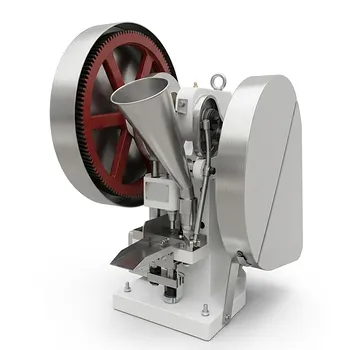
6-Ton Small Single-Punch Tablet Press — Laboratory Powder & Granule Tableting Equipment / Tablet Forming Machine
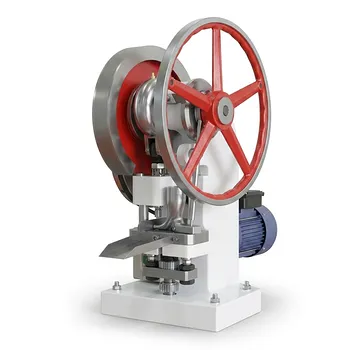
5 Ton Single Punch Tablet Press Laboratory Small Batch Production
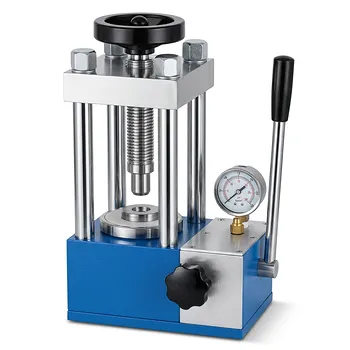
Manual Tablet Press with Dual Scale Pressure Gauge for Pharmaceutical Food Chemical Laboratory Sample Preparation
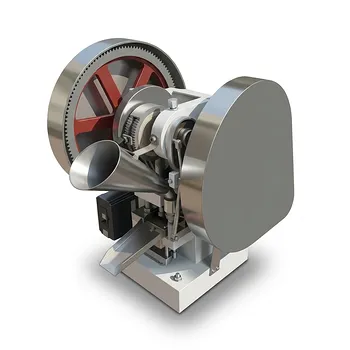
6 Ton Variable Frequency Single Punch Tablet Press
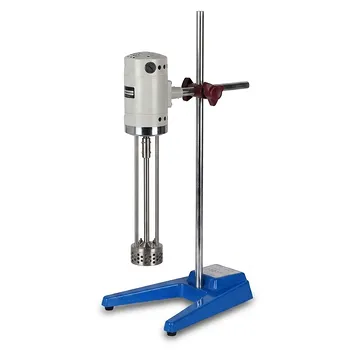
High Shear Laboratory Emulsifier for Mixing and Homogenization
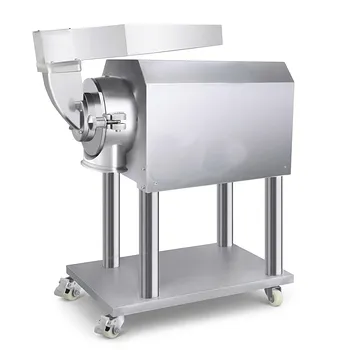
High Speed Small Laboratory Crusher for Dry Material Sample Preparation
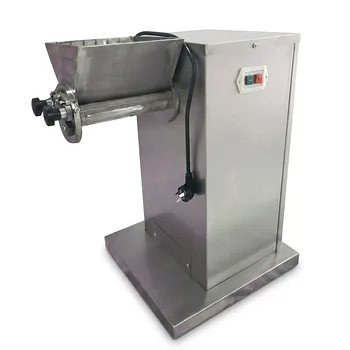
Small Laboratory Oscillating Granulator for Wet and Dry Granulation Processing
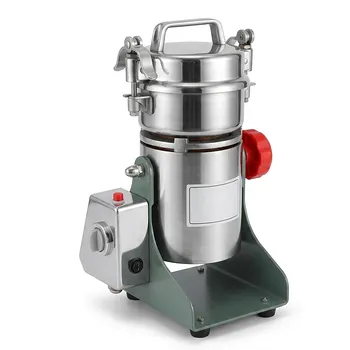
High Speed Swing Type Laboratory Pulverizer for Fine Powder Grinding and Sample Preparation
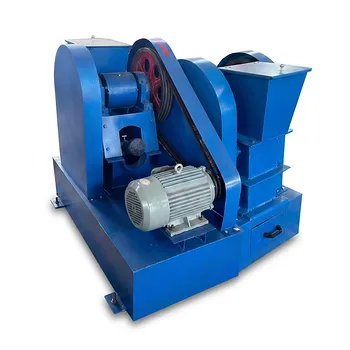
Horizontal Jaw Crusher Medium Hard Material Crushing Laboratory Sample Preparation Equipment