How does a laboratory hydraulic press contribute to the formation of (VC0.40O0.53–C)–TiNi powder compacts? Expert Guide
Updated 5 months ago
The laboratory hydraulic press serves as the primary instrument for mechanical consolidation. It applies stable, uniaxial pressure to transform loose (VC0.40O0.53–C)–TiNi mixed powders into high-density green compacts. This process establishes the essential mechanical interlocking and particle contact required to facilitate capillary penetration and dissolution-precipitation reactions during the subsequent high-temperature sintering phase.
A hydraulic press provides the precise pressure control needed to achieve a uniform green density, which is the foundation for successful liquid-phase sintering in complex metal matrix composites. By minimizing internal porosity and maximizing particle contact, it ensures that the final (VC0.40O0.53–C)–TiNi compact achieves its intended structural and chemical properties.
Establishing the Microstructural Foundation
Particle Rearrangement and Mechanical Interlocking
The application of vertical pressure forces the (VC0.40O0.53–C) and TiNi particles to rearrange and fill void spaces within the mold. As the particles are pressed together, they undergo plastic deformation, which creates mechanical interlocking between the different powder phases. This physical bonding provides the green body with the structural strength necessary to be handled and loaded into a vacuum furnace without crumbling.
Achieving Critical Green Density
The press is used to achieve a specific green density, which is a measure of how much air remains between the particles. A high initial packing density is crucial because it determines how much the material will shrink during the sintering process. Using high-precision dies ensures that the density is distributed uniformly, preventing weak spots in the final composite.
Facilitating High-Temperature Chemical Kinetics
Enabling Capillary Penetration
In the (VC0.40O0.53–C)–TiNi system, the TiNi component eventually melts into a liquid phase during high-temperature sintering. The hydraulic press creates a network of narrow capillary channels between the solid particles. This compact structure is essential for promoting the capillary penetration of liquid titanium nickelide, allowing it to flow throughout the entire volume of the compact.
Promoting Dissolution-Precipitation Reactions
For the material to achieve its final properties, a dissolution-precipitation reaction must occur at the solid-liquid interface. By ensuring tight physical contact between powder particles, the hydraulic press minimizes the distance atoms must travel. This close contact allows the chemical reaction to proceed efficiently, leading to a more homogenous microstructure.
Understanding the Trade-offs
Pressure Thresholds and Lamination
While increasing pressure generally improves density, there is a "point of diminishing returns." Applying excessive pressure can lead to internal stress concentrations and elastic spring-back, which may cause the compact to crack or "laminate" upon release from the die.
Die Wear and Contamination
High-pressure compaction (e.g., levels near 1 GPa) increases the friction between the powder and the steel mold walls. This not only accelerates wear on expensive precision tooling but also increases the risk of metal contamination on the surface of the (VC0.40O0.53–C)–TiNi compact, which could interfere with subsequent vacuum sintering.
Optimizing Compaction for Your Material Synthesis
Making the Right Choice for Your Goal
- If your primary focus is maximizing final density: Use a higher compaction pressure (e.g., 150 MPa or above) to minimize initial porosity and ensure full densification during the liquid-phase sintering stage.
- If your primary focus is preventing structural defects: Use moderate, stable pressure and consider a lubricant on the die walls to reduce internal stress concentrations and avoid cracks during ejection.
- If your primary focus is reaction efficiency: Ensure the powders are uniformly mixed before pressing to maximize the contact area between the (VC0.40O0.53–C) and TiNi particles.
The precise control of a laboratory hydraulic press is the fundamental prerequisite for transforming specialized powders into high-performance, dense metal matrix nanocomposites.
Summary Table:
| Compaction Factor | Influence on (VC0.40O0.53–C)–TiNi Compacts |
|---|---|
| Pressure Control | Ensures uniform green density and minimizes internal porosity. |
| Particle Contact | Facilitates dissolution-precipitation and atomic diffusion. |
| Capillary Network | Enables liquid TiNi penetration during vacuum sintering. |
| Microstructure | Promotes plastic deformation for mechanical interlocking. |
Elevate Your Material Synthesis with KINTEK SOLUTION
Achieving the perfect (VC0.40O0.53–C)–TiNi compact requires equipment that offers unmatched stability and precision. At KINTEK SOLUTION, we provide complete laboratory sample preparation solutions for material science, specializing in advanced powder processing and compaction equipment designed for rigorous research environments.
Our extensive manufacturing line includes:
- Hydraulic Presses: A full spectrum including Cold/Warm Isostatic Presses (CIP/WIP), standard lab presses, XRF pellet presses, hot presses, and vacuum hot presses.
- Size Reduction: Jaw/roll crushers, liquid nitrogen cryogenic grinders, and diverse mills (planetary ball, jet, sand/bead, disc, rotor).
- Analysis & Mixing: Sieve shakers (vibratory/air-jet), powder mixers, and defoaming mixers.
Whether you are focusing on maximizing final density or preventing structural lamination, our tools ensure uniform results and superior microstructures for your high-performance nanocomposites.
Ready to optimize your powder processing? Contact our technical team today to find your ideal solution!
References
- Yu. A. Avdeeva, Л. Х. Аскарова. Mechanism of liquid-phase interaction between nanocrystalline composition (VC0.40О0.53–C)–C and titanium nickelide. DOI: 10.17073/1997-308x-2022-1-26-35
Mentioned Products
- 6-Ton Small Single-Punch Tablet Press — Laboratory Powder & Granule Tableting Equipment / Tablet Forming Machine
- 5 Ton Single Punch Tablet Press Laboratory Small Batch Production
- Manual Tablet Press with Dual Scale Pressure Gauge for Pharmaceutical Food Chemical Laboratory Sample Preparation
- 6 Ton Variable Frequency Single Punch Tablet Press
- High Speed Small Laboratory Crusher for Dry Material Sample Preparation
People Also Ask
- What is the function of a laboratory press in Cr-Ti alloy evaluation? Quantify Fracture Stress & Strength
- What is the function of a laboratory press in assessing the hydrophobic performance of modified vermiculite fillers?
- What is the core function of a laboratory press in the forming of ceramic filter element green bodies? Maximize Density.
- What is the function of a laboratory press in the preparation of ceramic feed rods? Master Density and Precision
- Why is vacuum sealing and flexible packaging necessary for Aluminum Titanate powders during CIP? Ensure Peak Density

Tech Team · PowderPreparation
Last updated on May 14, 2026
Related Products
6-Ton Small Single-Punch Tablet Press — Laboratory Powder & Granule Tableting Equipment / Tablet Forming Machine
5 Ton Single Punch Tablet Press Laboratory Small Batch Production
Manual Tablet Press with Dual Scale Pressure Gauge for Pharmaceutical Food Chemical Laboratory Sample Preparation
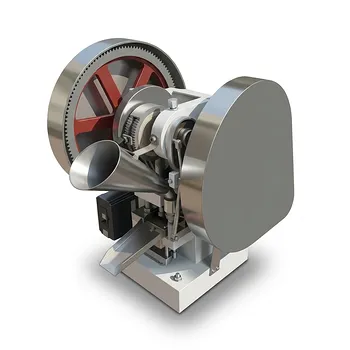
6 Ton Variable Frequency Single Punch Tablet Press
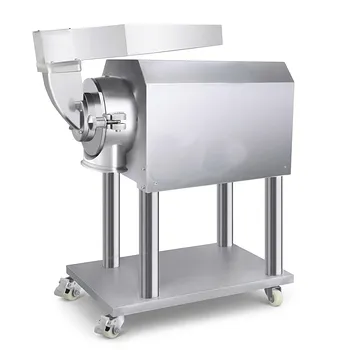
High Speed Small Laboratory Crusher for Dry Material Sample Preparation
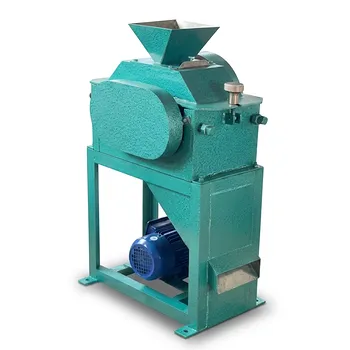
Laboratory Double Roll Crusher for Medium Hardness Materials Coal Ore Sample Preparation
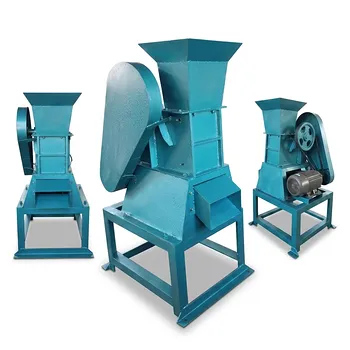
Custom Raised Height Laboratory Jaw Crusher for Precision Sample Preparation in Material Science
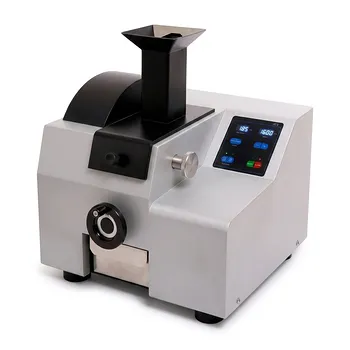
Laboratory Benchtop Jaw Crusher for Hard Brittle Materials Primary Size Reduction and Sample Preparation
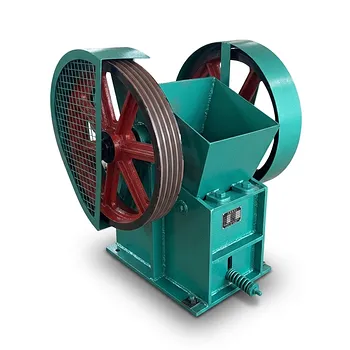
150x250mm Laboratory Jaw Crusher for Medium Hard Material Crushing and Sample Preparation
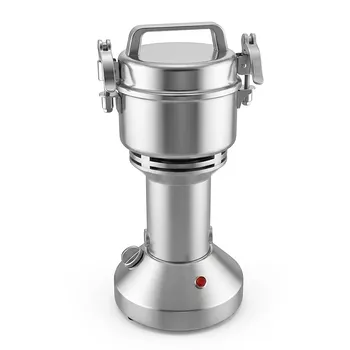
Small High Speed Upright Grinder for Laboratory Sample Preparation
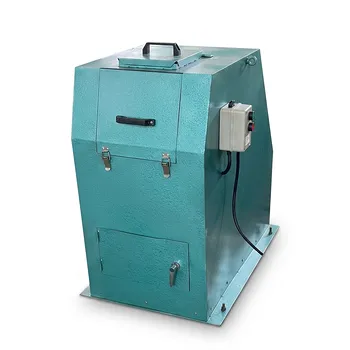
Environmentally Friendly Sealed Laboratory Jaw Crusher for Sample Preparation
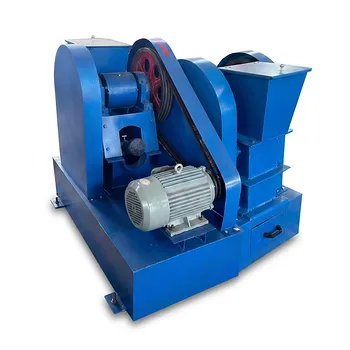
Horizontal Jaw Crusher Medium Hard Material Crushing Laboratory Sample Preparation Equipment
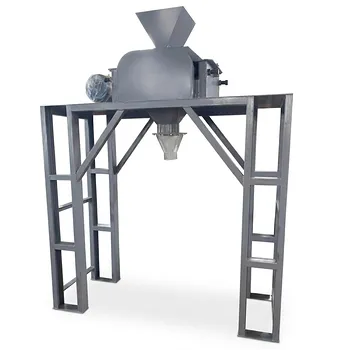
Heightened Customized Laboratory Double Roll Crusher for Coal Ore Rock Crushing
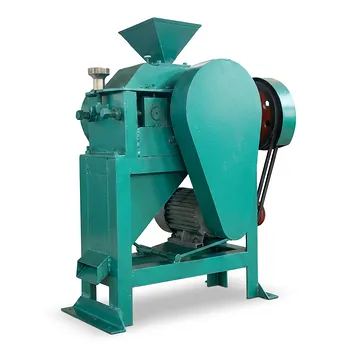
Laboratory Sealed Double Roll Crusher for Coal Ore Rock and Medium Hardness Materials Sample Preparation
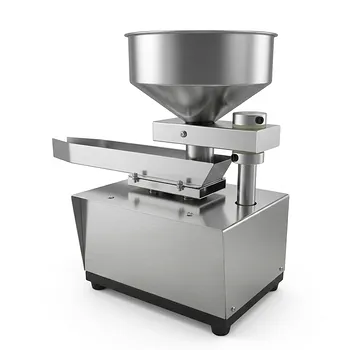
Automatic Vibrating Powder Feeder for Laboratory Material Processing Precision Vibratory Hopper Feeder for Granular and Powder Material Handling Industrial Grade Vibrating Tray Feeder for Consistent Material Sample Preparation
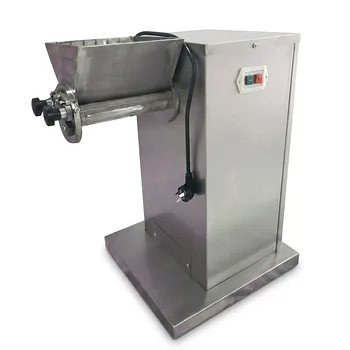
Small Laboratory Oscillating Granulator for Wet and Dry Granulation Processing
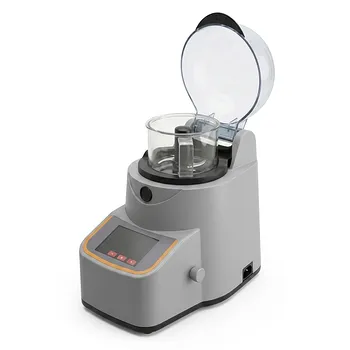
Industrial Knife Mill for Food and Biological Sample Preparation High Speed Laboratory Homogenizer
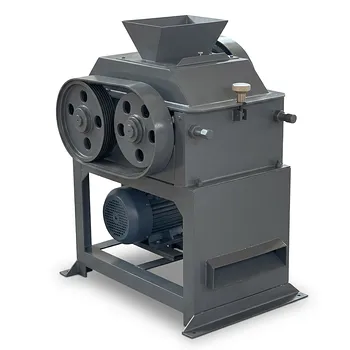
Sealed Laboratory Double Roll Crusher for Coal, Mineral, Ore Sample Preparation
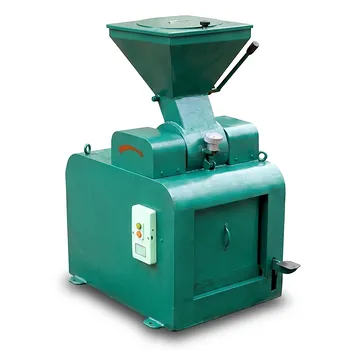
Laboratory Sealed Hammer Crushers for Coal Sample Preparation and Medium Strength Material Crushing