How does a laboratory hydraulic press contribute to the fabrication of BaTiO3-delta perovskite ceramic green bodies?
Updated 4 months ago
The laboratory hydraulic press is the primary tool for transforming loose $BaTiO_3-\delta$ powder into a structurally sound "green body." By applying controlled uniaxial pressure within a precision mold, the press forces particles to rearrange and interlock, creating a dense pellet with the precise geometry and mechanical strength required for subsequent high-temperature sintering.
A laboratory hydraulic press acts as the critical bridge between raw powder and a viable ceramic component by ensuring uniform internal density and pore elimination. This physical foundation is necessary to prevent cracking and deformation during the final sintering phase, directly influencing the dielectric and piezoelectric properties of the finished material.
The Physical Transformation of Perovskite Powders
Particle Rearrangement and Plastic Deformation
The pressing process begins by applying significant axial pressure—often reaching up to 100 MPa or 400 bar—to the loose $BaTiO_3$ powder. This force compels individual particles to overcome surface friction and slide into a more compact arrangement.
As pressure increases, the particles undergo plastic deformation. This deformation increases the contact points between particles, effectively binding them into a cohesive "green body" pellet without the need for high heat at this stage.
Mechanical Interlocking and Structural Integrity
Beyond simple arrangement, the press facilitates mechanical interlocking of the powder grains. This gives the resulting disc or pellet sufficient mechanical strength for safe handling and transportation to the furnace.
Commonly produced shapes include 10 mm diameter pellets with thicknesses around 1.5 mm. These defined geometries are essential for consistent testing of physical and electrical properties across different samples.
Critical Impacts on the Final Ceramic Product
Eliminating Internal Porosity and Trapped Air
One of the most vital functions of the hydraulic press is the expulsion of trapped air from the powder mass. High-precision pressure eliminates large voids and micro-pores that would otherwise become structural weak points.
Minimizing these pores is a physical prerequisite for achieving high densification during the solid-state diffusion process. Reducing initial porosity leads to a finished ceramic with superior dielectric strength and breakdown resistance.
Preventing Sintering Defects through Density Uniformity
Precise pressure-holding capabilities allow for a uniform internal density distribution across the green body. Without this uniformity, the ceramic would experience "density gradients" that lead to uneven shrinkage.
If the internal density is inconsistent, the sample is likely to suffer from warping, cracking, or deformation during the high-temperature sintering phase. The press ensures the green body remains stable as it transitions into its final crystalline state.
Understanding the Trade-offs
Pressure Sensitivity and Over-Compaction
While high pressure is necessary for density, exceeding the material's limits can lead to capping or laminating. This occurs when internal stresses cause the green body to split into layers upon release from the mold.
The Limitation of Uniaxial Pressing
A standard laboratory press typically applies uniaxial (unidirectional) pressure, which can lead to slight density variations between the top and bottom of the pellet. While generally sufficient for thin discs, thicker samples may require more advanced techniques to ensure total homogeneity.
Optimizing the Pressing Process for Your Project
How to Apply This to Your Fabrication
To achieve the best results with $BaTiO_3-\delta$ perovskites, the pressing parameters must be tailored to the specific experimental goals and powder characteristics.
- If your primary focus is high dielectric strength: Use a higher, sustained pressure (e.g., 20–100 MPa) to ensure the maximum possible elimination of micro-pores before sintering.
- If your primary focus is geometric precision: Prioritize a slow pressure release (dwell time) to prevent internal stress fractures and ensure the green body maintains its exact mold dimensions.
- If your primary focus is rapid prototyping: Utilize a standard 10 mm stainless steel mold with a moderate axial pressure (approx. 10 MPa) to quickly produce pellets with sufficient strength for immediate handling.
A well-executed pressing phase is the essential foundation for producing high-performance perovskite ceramics with predictable physical and electrical characteristics.
Summary Table:
| Process Stage | Mechanism of Action | Impact on Ceramic Quality |
|---|---|---|
| Compaction | Particle rearrangement & plastic deformation | High green body density and cohesive strength |
| De-airing | Expulsion of trapped air and micro-pores | Enhanced dielectric strength & breakdown resistance |
| Shaping | Mechanical interlocking in precision molds | Dimensional accuracy for consistent physical testing |
| Sintering Prep | Uniform internal density distribution | Prevents warping, cracking, and uneven shrinkage |
Elevate Your Ceramic Fabrication with KINTEK SOLUTION
Achieving the perfect green body is the foundation of high-performance material science. At KINTEK SOLUTION, we provide complete laboratory sample preparation solutions tailored for advanced ceramics like BaTiO3 perovskites.
Our specialized equipment range includes:
- Advanced Compaction: A full spectrum of hydraulic presses, including Cold/Warm Isostatic Presses (CIP/WIP), standard lab presses, XRF pellet presses, and vacuum hot presses.
- Precision Powder Processing: Crushers, cryogenic grinders, and high-energy mills (planetary ball, jet, and disc mills) to ensure optimal particle size.
- Material Consistency: Sieve shakers, powder mixers, and defoaming mixers for flawless preparation.
Ensure superior density uniformity and structural integrity in your research. Contact our experts today to find the ideal compaction solution for your laboratory’s unique requirements!
References
- E. K. Abdel-Khalek, N.S. Abd El-Aal. The enhancement of the optical, magnetic, and ferroelectric properties of BaTiO3-δ by doping with SrFeO3-δ. DOI: 10.1007/s00339-025-08398-x
Mentioned Products
- 6-Ton Small Single-Punch Tablet Press — Laboratory Powder & Granule Tableting Equipment / Tablet Forming Machine
- 5 Ton Single Punch Tablet Press Laboratory Small Batch Production
- Manual Tablet Press with Dual Scale Pressure Gauge for Pharmaceutical Food Chemical Laboratory Sample Preparation
- 6 Ton Variable Frequency Single Punch Tablet Press
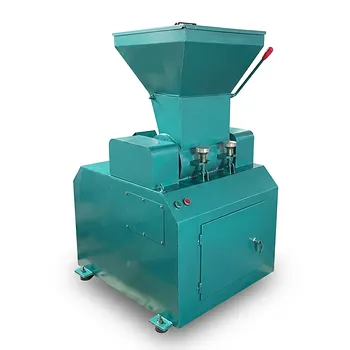
- High Speed Small Laboratory Crusher for Dry Material Sample Preparation
People Also Ask
- What is the function of a laboratory press in Cr-Ti alloy evaluation? Quantify Fracture Stress & Strength
- What is the function of a laboratory press in assessing the hydrophobic performance of modified vermiculite fillers?
- What is the core function of a laboratory press in the forming of ceramic filter element green bodies? Maximize Density.
- What is the function of a laboratory press in the preparation of ceramic feed rods? Master Density and Precision
- Why is vacuum sealing and flexible packaging necessary for Aluminum Titanate powders during CIP? Ensure Peak Density

Tech Team · PowderPreparation
Last updated on Jun 03, 2026
Related Products
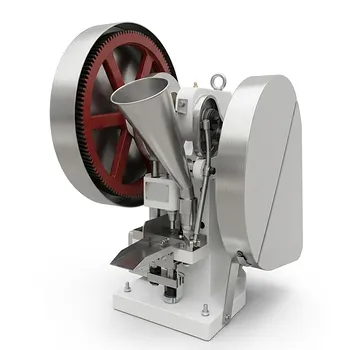
6-Ton Small Single-Punch Tablet Press — Laboratory Powder & Granule Tableting Equipment / Tablet Forming Machine
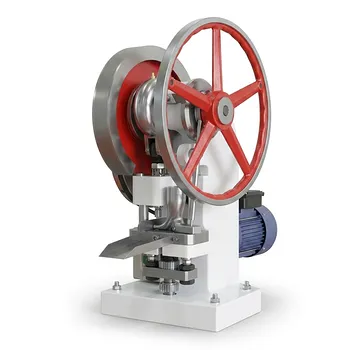
5 Ton Single Punch Tablet Press Laboratory Small Batch Production
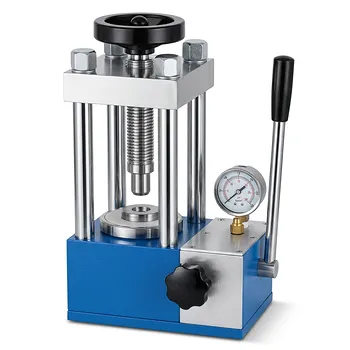
Manual Tablet Press with Dual Scale Pressure Gauge for Pharmaceutical Food Chemical Laboratory Sample Preparation
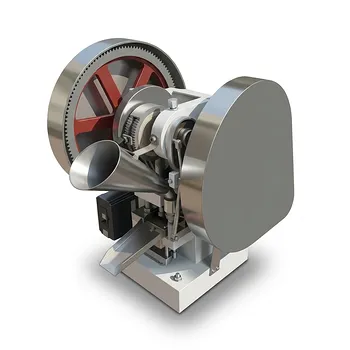
6 Ton Variable Frequency Single Punch Tablet Press
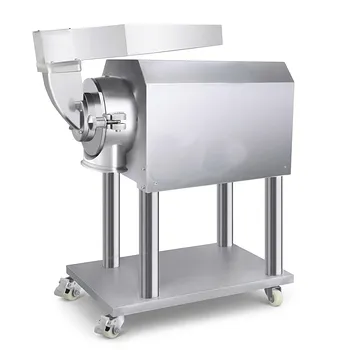
High Speed Small Laboratory Crusher for Dry Material Sample Preparation
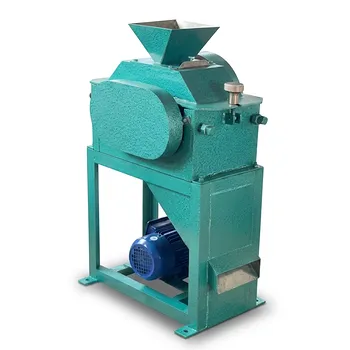
Laboratory Double Roll Crusher for Medium Hardness Materials Coal Ore Sample Preparation
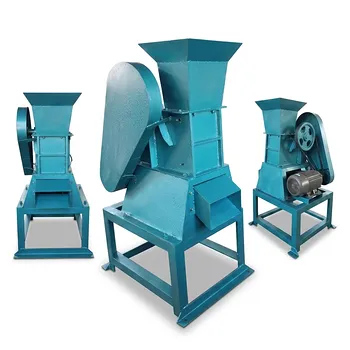
Custom Raised Height Laboratory Jaw Crusher for Precision Sample Preparation in Material Science
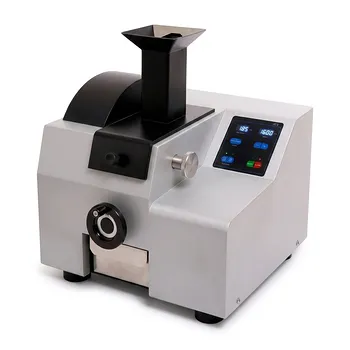
Laboratory Benchtop Jaw Crusher for Hard Brittle Materials Primary Size Reduction and Sample Preparation
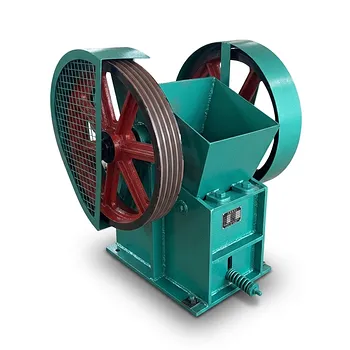
150x250mm Laboratory Jaw Crusher for Medium Hard Material Crushing and Sample Preparation
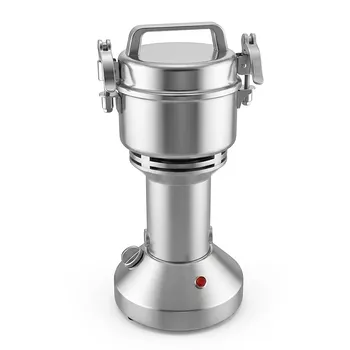
Small High Speed Upright Grinder for Laboratory Sample Preparation
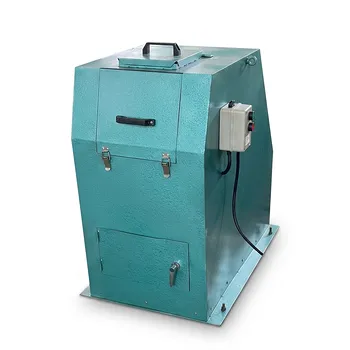
Environmentally Friendly Sealed Laboratory Jaw Crusher for Sample Preparation
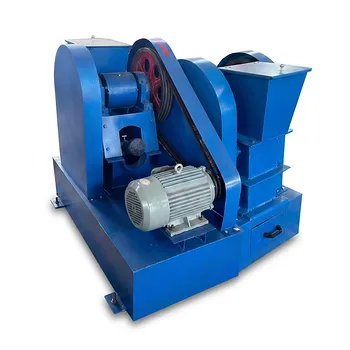
Horizontal Jaw Crusher Medium Hard Material Crushing Laboratory Sample Preparation Equipment
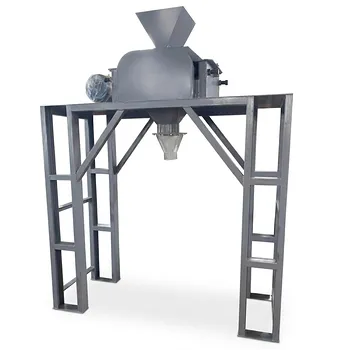
Heightened Customized Laboratory Double Roll Crusher for Coal Ore Rock Crushing
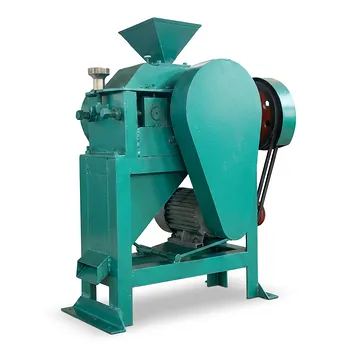
Laboratory Sealed Double Roll Crusher for Coal Ore Rock and Medium Hardness Materials Sample Preparation
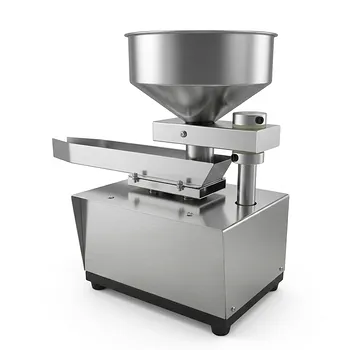
Automatic Vibrating Powder Feeder for Laboratory Material Processing Precision Vibratory Hopper Feeder for Granular and Powder Material Handling Industrial Grade Vibrating Tray Feeder for Consistent Material Sample Preparation
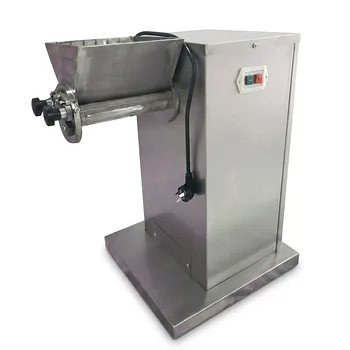
Small Laboratory Oscillating Granulator for Wet and Dry Granulation Processing
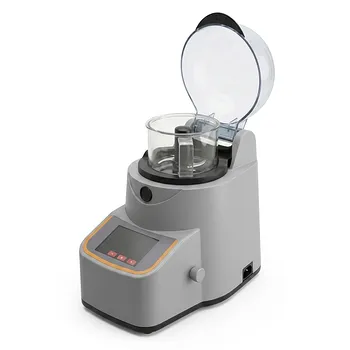
Industrial Knife Mill for Food and Biological Sample Preparation High Speed Laboratory Homogenizer
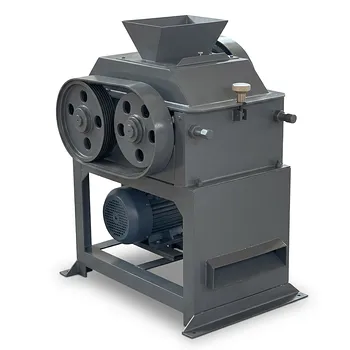
Sealed Laboratory Double Roll Crusher for Coal, Mineral, Ore Sample Preparation
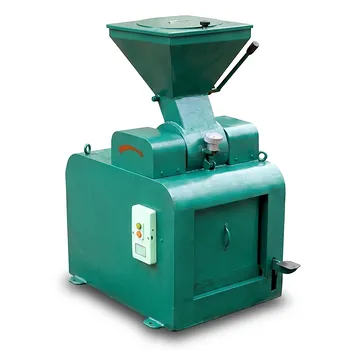
Laboratory Sealed Hammer Crushers for Coal Sample Preparation and Medium Strength Material Crushing