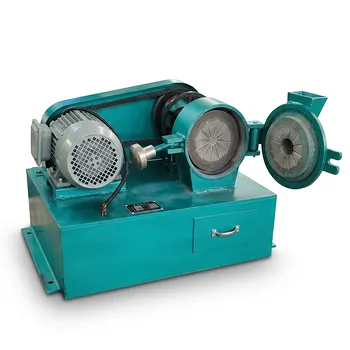
How does a laboratory ball mill contribute to the liberation study of galena ore minerals? Optimize Mineral Recovery
Updated 4 months ago
A laboratory ball mill is the primary tool for achieving monomeric liberation of galena minerals from their host rock. It utilizes the mechanical forces of impact and attrition from grinding media to break down ore particles to specific micron-level distributions. By precisely controlling the grinding environment, researchers can physically detach galena from the symbiotic gangue matrix, providing the necessary material for sieve analysis and recovery optimization.
The core contribution of the laboratory ball mill is its ability to "unlock" galena by reducing particle size until the valuable mineral is no longer physically attached to waste minerals. This enables researchers to identify the optimal liberation size, ensuring maximum recovery efficiency in downstream processes like flotation or gravity separation.
The Mechanics of Mineral Liberation
Impact and Attrition Forces
The ball mill operates by rotating a drum filled with steel ball media of varying diameters. As the drum turns, the media is lifted and dropped, creating high-energy impacts that shatter the ore. Simultaneously, the sliding motion of the balls creates attrition, which grinds the particles into a fine, uniform powder.
Achieving Monomeric Liberation
In galena ore, the lead minerals are often trapped within a matrix of silica or other gangue. The mill reduces the ore until it reaches a state of monomeric liberation, where the galena exists as independent particles. This physical separation is the essential foundation for any successful mineral enrichment or concentration study.
Exposure of Fresh Mineral Surfaces
Beyond mere size reduction, the ball mill significantly increases the specific surface area of the ore. This process exposes fresh mineral surfaces that were previously buried. For galena, this is critical because it allows flotation reagents to adsorb onto the mineral surface more effectively, facilitating better separation.
Precision Control in Liberation Studies
The Role of Grinding Time and Speed
The degree of liberation is a direct function of energy input, which is managed through grinding time. Laboratory mills often run at a constant speed, such as 80% of the critical speed (approx. 60 RPM), to ensure scientific accuracy. This allows researchers to quantitatively compare how different durations affect the particle size distribution.
Sieve Analysis and Optimization
Once the ore is ground, researchers use sieve analysis to evaluate the product. By testing various intervals, they can plot the relationship between grinding time and the percentage of liberated galena. This data identifies the "sweet spot" where the mineral is sufficiently exposed without wasting energy on excessive grinding.
Repeatability and Scalability
A standard laboratory ball mill provides a closed, controlled environment. This ensures that results are repeatable across different ore samples. The data gathered here serves as the blueprint for scaling up to industrial-sized ball mills in a full-scale processing plant.
Understanding the Trade-offs
The Risk of Over-Grinding (Sliming)
Grinding for too long can lead to over-grinding, where the galena is reduced to "slimes" that are too fine to be recovered by standard flotation. These ultra-fine particles often behave unpredictably and can lead to significant mineral loss.
Energy Consumption vs. Liberation
Achieving 100% liberation is rarely the goal because the energy cost increases exponentially as particles get smaller. Researchers must balance the recovery rate against the energy input. The laboratory mill helps find the point of diminishing returns, where additional grinding no longer provides a meaningful increase in mineral grade.
Media Wear and Contamination
The use of steel balls can introduce small amounts of iron contamination into the sample through attrition. While usually negligible, in highly sensitive chemical studies, this must be accounted for as it may affect the pH or electrochemical potential of the pulp during subsequent testing.
How to Apply This to Your Project
Recommendations for Success
- If your primary focus is Flotation Recovery: Aim for the coarsest possible grind that still achieves monomeric liberation to prevent the formation of unrecoverable slimes.
- If your primary focus is Analytical Accuracy: Use a standardized charge of balls with varied diameters to ensure a representative particle size distribution across all micron levels.
- If your primary focus is Energy Efficiency: Conduct a series of timed grinds and correlate them with liberation degrees to identify the minimum energy required for acceptable mineral exposure.
By masterfully controlling the grinding parameters within a laboratory ball mill, you transform raw ore into a scientifically viable product ready for precise mineralogical analysis and efficient recovery.
Summary Table:
| Feature/Parameter | Role in Galena Liberation | Key Research Benefit |
|---|---|---|
| Impact & Attrition | Breaks down the symbiotic gangue matrix | Achieves monomeric liberation of minerals |
| Grinding Time | Regulates the specific energy input | Identifies the "sweet spot" for size distribution |
| Surface Exposure | Increases specific surface area | Enhances flotation reagent adsorption |
| Sieve Analysis | Quantifies the degree of liberation | Provides data for industrial scaling and optimization |
| Controlled Environment | Ensures repeatability of grinding cycles | Eliminates variables for accurate scientific comparison |
Master Your Mineral Liberation with Precision Lab Solutions
Achieving the perfect balance between monomeric liberation and energy efficiency is critical for successful galena ore research. At [Our Brand], we provide complete laboratory sample preparation solutions tailored for material science. We specialize in high-quality powder processing and compaction equipment designed to give you repeatable, scalable results for your mineralogical studies.
Our extensive product range supports every stage of your workflow:
- Milling & Grinding: High-energy planetary ball mills, jet mills, and cryogenic grinders for precise micron-level reduction.
- Crushing & Sizing: Jaw and roll crushers paired with vibratory or air-jet sieve shakers for accurate particle size distribution.
- Compaction Excellence: A full spectrum of hydraulic presses, including Cold/Warm Isostatic Presses (CIP/WIP), XRF pellet presses, and vacuum hot presses.
Whether you are optimizing flotation recovery or performing detailed sieve analysis, our equipment ensures your minerals are "unlocked" with maximum accuracy. Contact us today to discuss your specific project needs and see how our expertise can enhance your laboratory's efficiency!
References
- Steven Kuba Nuhu. Sieve Analysis For The Determination Of The Liberation Size Of Galena At Zurak, Wase L. G. A., Plateau State, Nigeria. DOI: 10.5281/zenodo.546465
Mentioned Products
- 360° Rotating Omnidirectional Laboratory Planetary Ball Mill for Homogeneous Ultra-Fine Grinding and Mixing
- Vertical Semi Circular Planetary Ball Mill for Laboratory Precision Grinding
- High Energy Laboratory Planetary Ball Mill for Nano Grinding and Material Science Sample Preparation
- Laboratory Nano High Energy Ball Mill Ultrafine Grinding Mechanical Alloying
- Vertical Square Planetary Ball Mill for Laboratory Sample Preparation and Nanoscale Grinding
People Also Ask
- What role does an omni-directional planetary ball mill play in brass/cobalt antimonide pretreatment? Achieve Nano-Scale Homogeneity.
- What is the function of an omni-directional planetary ball mill? Achieve Streak-Free Glass Homogenization
- Why is an intermittent grinding process required for perovskites in a planetary ball mill? Ensure Stability & Purity
- Why is a planetary ball mill essential for SiBCN-rGO wet-spinning? Achieve Superior Dispersion and Spinnability
- What role does a planetary ball mill play in the synthesis of Li6PS5Cl (LPSCl)? Unlock High Ionic Conductivity

Tech Team · PowderPreparation
Last updated on May 14, 2026
Related Products
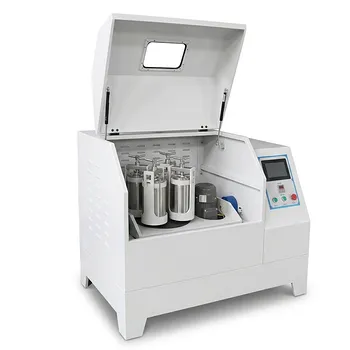
360° Rotating Omnidirectional Laboratory Planetary Ball Mill for Homogeneous Ultra-Fine Grinding and Mixing
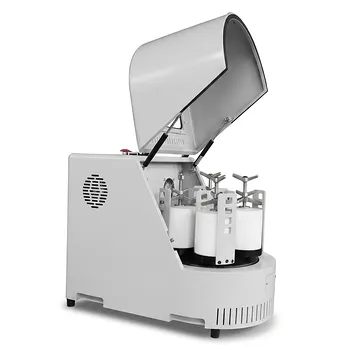
Vertical Semi Circular Planetary Ball Mill for Laboratory Precision Grinding
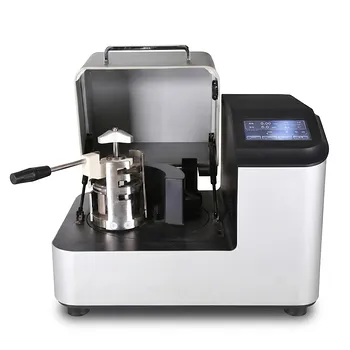
High Energy Laboratory Planetary Ball Mill for Nano Grinding and Material Science Sample Preparation
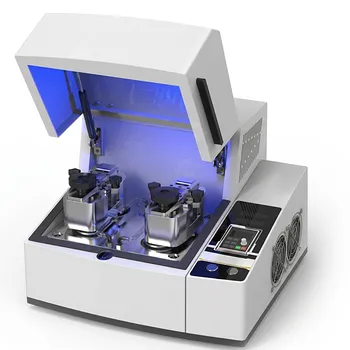
Laboratory Nano High Energy Ball Mill Ultrafine Grinding Mechanical Alloying
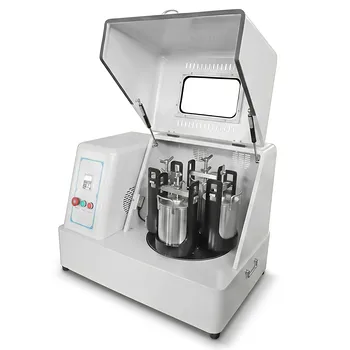
Vertical Square Planetary Ball Mill for Laboratory Sample Preparation and Nanoscale Grinding
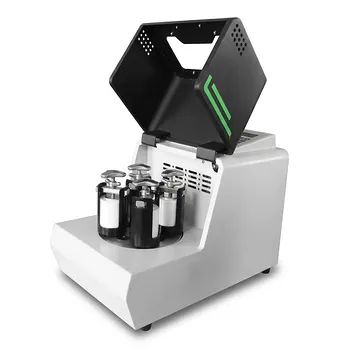
Miniature Planetary Ball Mill with Vacuum Grinding and High Efficiency for Laboratory Sample Preparation
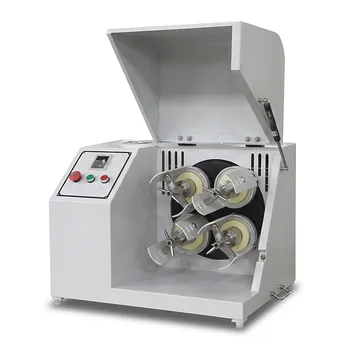
Horizontal Light Duty Planetary Ball Mill for Laboratory Sample Preparation
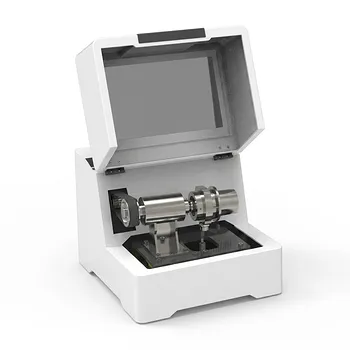
Single Tank High Energy Vibratory Ball Mill for Laboratory Grinding and Mixing
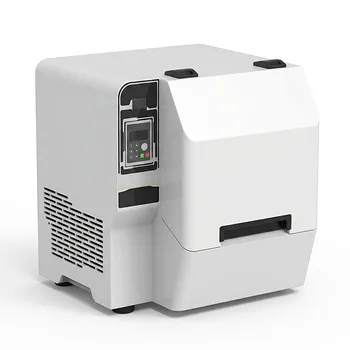
Nano High Energy Vibratory Ball Mill for Laboratory Sample Preparation
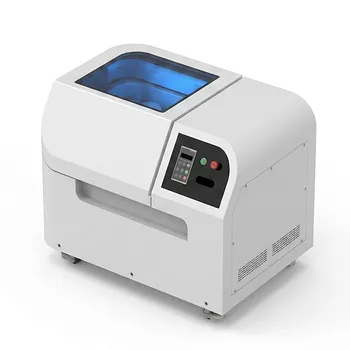
8L Planetary Ball Mill for Laboratory Grinding and Sample Preparation
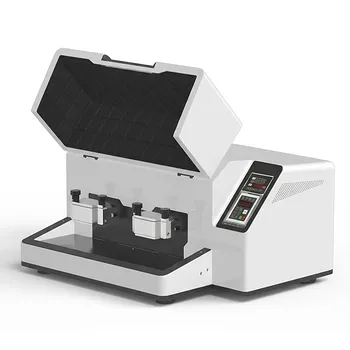
Nanoscale High-Energy Vibratory Ball Mill for Laboratory Sample Preparation, Mechanochemistry, and Mechanical Alloying
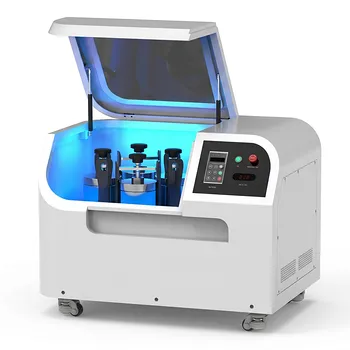
Planetary Ball Mill 12L
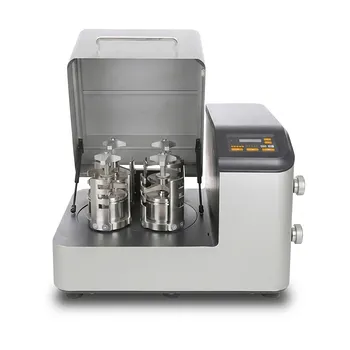
High Energy Planetary Ball Mill for Nano Scale Grinding and Colloidal Mixing in Material Science Research
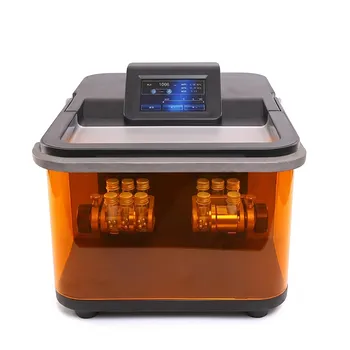
High Throughput Micro Ball Mill for Cryogenic Grinding and Laboratory Cell Disruption
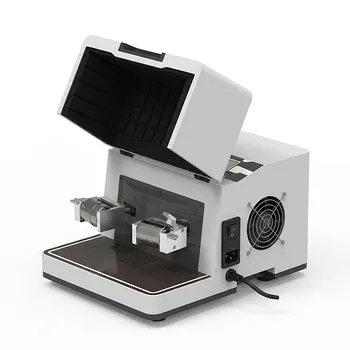
High Energy Hybrid Vibratory Ball Mill for Grinding Mixing and Cell Disruption
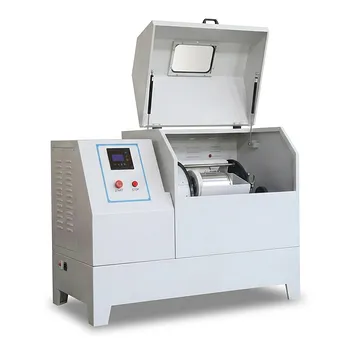
Heavy Duty Horizontal Planetary Ball Mill for Efficient Industrial Grinding and Sample Preparation
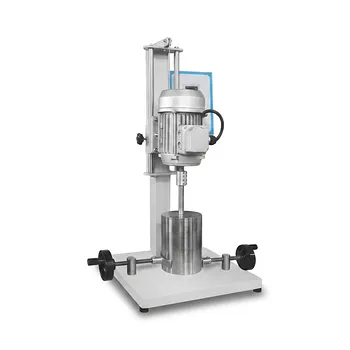
Laboratory Basket Sand Mill for Wet Grinding and Dispersion of Viscous Slurries
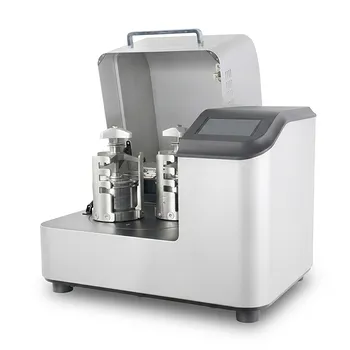
High Energy Planetary Ball Mill for Nano Scale Grinding and Mechanical Alloying
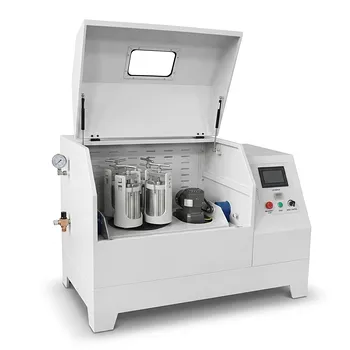
Vertical Production Planetary Ball Mill for High Throughput Powder Processing