How does a horizontal circular motion sieve shaker contribute to dry powder mixing of pre-gelatinized starches? Key Benefits
Updated 5 months ago
Horizontal circular motion sieve shakers contribute to dry powder mixing by employing high-frequency mechanical vibration to de-agglomerate pre-gelatinized starch particles. This process ensures a uniform microscopic distribution of components and standardizes the particle size distribution (PSD), which is essential for maintaining consistent flowability and material performance in subsequent manufacturing stages.
Core Takeaway: The sieve shaker acts as a precision mechanical facilitator that breaks down particle clusters and classifies grain sizes to ensure a homogenous mix. By optimizing the physical state of pre-gelatinized starch, it creates a foundation for predictable flow and uniform chemical reactivity without altering the material's underlying molecular structure.
Enhancing Microscopic Uniformity
Breaking Mechanical Agglomerates
Pre-gelatinized rice and cassava starches often form small clusters or agglomerates during storage or initial processing. The high-frequency vibration of the sieve shaker forces these particles across the mesh, providing the mechanical energy necessary to shear these clusters apart into individual granules.
Ensuring Homogenous Distribution
By breaking down clusters, the shaker ensures that modified starch components are distributed evenly at a microscopic level. This uniformity is achieved without inducing further chemical reactions, preserving the integrity of the pre-gelatinized state while preparing the powder for consistent blending with other dry ingredients.
Increasing Effective Contact Area
De-agglomeration significantly increases the available surface area of the starch granules. This is critical for future processing steps, such as plasticization, as it allows additives like glycerol to penetrate the starch molecular chains more rapidly and uniformly.
Optimizing Particle Size Distribution (PSD)
Controlling Median Particle Diameter
The use of standard test sieves (ranging from 150μm to 1000μm) allows operators to isolate specific powder fractions. By narrowing the particle size distribution to a controlled median diameter, manufacturers eliminate the interference of size variations, which directly improves the mixing kinetics of the final product.
Managing Fine Powder Content
Sieve shakers are used to monitor and limit fine powder content, typically keeping it below 10%. Maintaining a low percentage of fines ensures the starch meets physical specifications required for uniform granule mixing and consistent quality in end products like tablets.
Influencing Material Flowability
The precise grading of particles directly impacts the filling performance and mechanical strength of the granules. A standardized PSD ensures that the powder flows predictably through production equipment, reducing the risk of clogging or uneven density during compression processes.
The Mechanics of Circular Motion
Preventing Mesh Blinding
The horizontal circular motion, driven by angular momentum, ensures that the starch sample is continuously redistributed across the entire surface of the sieve. This constant movement prevents "blinding," a common issue where particles become lodged in the mesh apertures and halt the screening process.
Mitigating Localized Overloading
By spreading the material evenly, the shaker prevents localized overloading of the mesh screens. This ensures that every particle has an equal opportunity to pass through the apertures, leading to a more accurate and efficient classification of the starch powder.
Understanding the Trade-offs
Vibration Intensity vs. Material Integrity
While high-frequency vibration is necessary for de-agglomeration, excessive mechanical energy can potentially damage fragile granules or cause excessive heat buildup. Operators must balance the frequency and duration of the vibration to achieve mixing uniformity without degrading the physical properties of the starch.
Sieve Wear and Contamination
Continuous use of abrasive starch powders can lead to the gradual wear of the sieve mesh, which may alter the accuracy of the particle size grading over time. Regular calibration and mesh inspection are required to ensure that the "uniform" mix remains within the specified tolerances.
How to Apply This to Your Project
When integrating a horizontal circular motion sieve shaker into your starch mixing workflow, your approach should vary based on your specific production requirements.
- If your primary focus is microscopic uniformity: Prioritize high-frequency settings for shorter durations to break agglomerates effectively while maintaining the starch's native physical structure.
- If your primary focus is consistent flowability: Utilize a full range of standard test sieves (150μm to 1000μm) to strictly classify particle sizes and eliminate outliers that cause equipment clogging.
- If your primary focus is down-stream plasticization: Focus on maximizing the effective contact area by using finer mesh screens to ensure the highest possible degree of de-agglomeration.
By masterfully controlling the mechanical forces within the sieve shaker, you ensure that pre-gelatinized starches achieve the physical consistency necessary for high-performance dry powder mixing.
Summary Table:
| Mixing Challenge | Sieve Shaker Solution | Impact on Starch Quality |
|---|---|---|
| Particle Agglomeration | High-frequency mechanical shear | Increases surface area & microscopic uniformity |
| Inconsistent Flow | Precise PSD grading (150μm-1000μm) | Ensures predictable material flow and density |
| Mesh Blinding | Horizontal circular motion | Prevents clogging for continuous, efficient processing |
| Fine Powder Excess | Controlled fraction isolation | Limits fines (<10%) to maintain granule strength |
At [Brand Name], we provide complete laboratory sample preparation solutions for material science, specializing in high-performance powder processing and compaction equipment. Whether you are refining pre-gelatinized starches or developing advanced ceramics, our extensive line includes precision sieve shakers (vibratory/air-jet), mills (planetary ball, jet, rotor), and various powder/defoaming mixers.
To ensure the mechanical integrity of your end products, we also manufacture a full spectrum of hydraulic presses, including Cold/Warm Isostatic Presses (CIP/WIP), XRF pellet presses, and vacuum hot presses. Elevate your material consistency and production efficiency—contact our experts today to find the perfect solution for your lab!
References
- Seppo Karrila, Taewee Karrila. Effect of blending and pregelatinizing order on properties of pregelatinized starch from rice and cassava. DOI: 10.26656/fr.2017.4(1).245
Mentioned Products
- Vibratory Sieve Shaker Electromagnetic 3D Motion Powder Particle Size Analyzer for Dry and Wet Sieving
- Tapping Oscillating Sieve Shaker for Dry and Wet Particle Size Analysis
- 三维电磁微量振动筛分仪
- Dry Three Dimensional Vibratory Sieve Shaker
- Stainless Steel Laboratory Vibratory Test Sieve Shaker
People Also Ask
- How does a vibratory sieve shaker contribute to optimizing the performance of activated carbon? Enhance Adsorption Precision
- Why is a laboratory vibratory sieve shaker necessary for processing magnesium-based borate precursor powders? Boost Activity
- Why use a vibratory sieve shaker to verify coarse aggregate grading in rubberized concrete? Ensure Structural Integrity
- What function do vibratory sieve shakers and standard test sieves serve in the preparation of adsorbents? Key Guide
- What role does a vibratory sieve shaker play in the particle size analysis of ground corn products? Enhance QC Precision

Tech Team · PowderPreparation
Last updated on May 14, 2026
Related Products
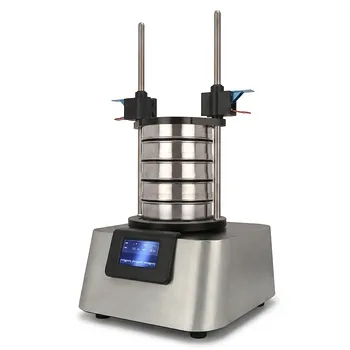
Vibratory Sieve Shaker Electromagnetic 3D Motion Powder Particle Size Analyzer for Dry and Wet Sieving
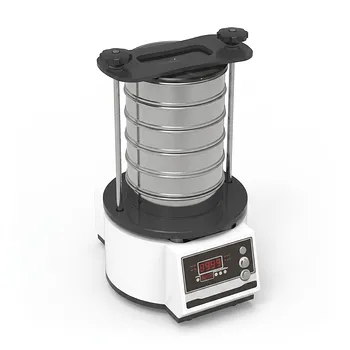
Tapping Oscillating Sieve Shaker for Dry and Wet Particle Size Analysis
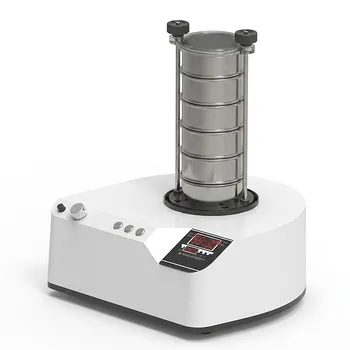
三维电磁微量振动筛分仪
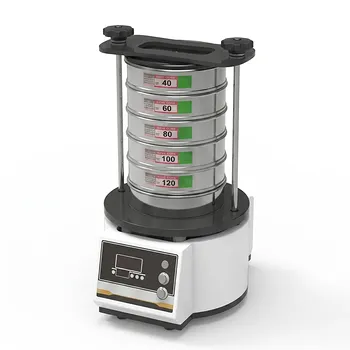
Dry Three Dimensional Vibratory Sieve Shaker
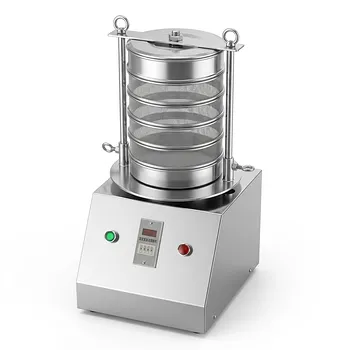
Stainless Steel Laboratory Vibratory Test Sieve Shaker
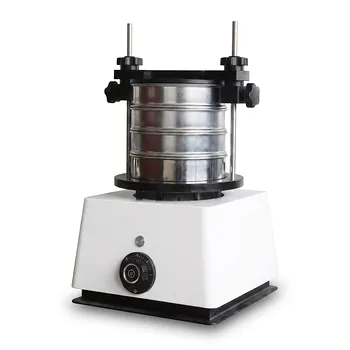
Small Laboratory Vibrating Sieve Shaker for Precise Particle Size Analysis
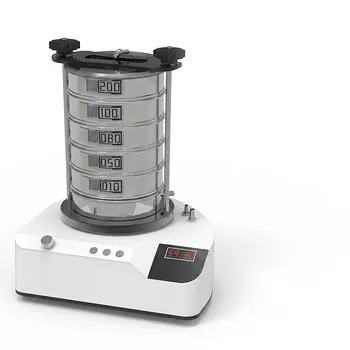
Heavy Duty Dry Three Dimensional Vibratory Sieve Shaker for Particle Separation
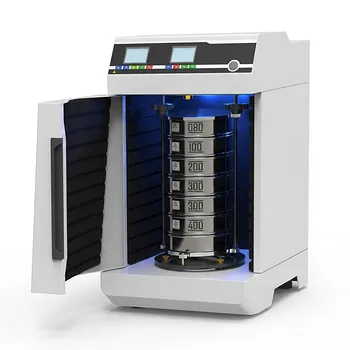
Laboratory Dry and Wet Three Dimensional Vibratory Sieve Shaker for Particle Analysis
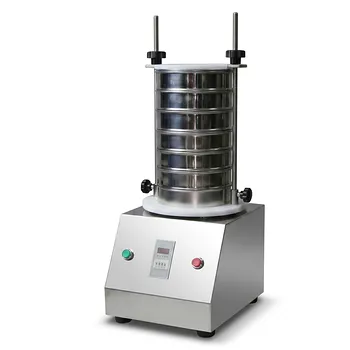
Small Laboratory Vibratory Sieve Shaker for Powder Gradation and Particle Size Analysis
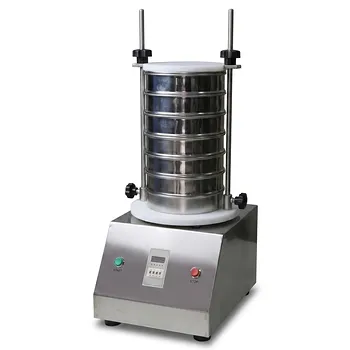
Laboratory Vibratory Test Sieve Shaker for Precision Particle Size Analysis and Powder Grading
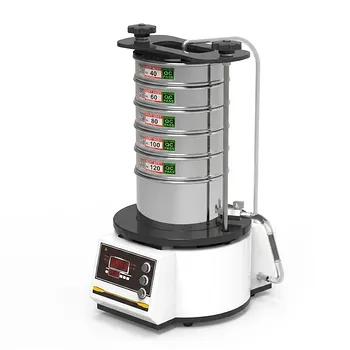
High Frequency Wet Three-Dimensional Vibrating Sieve Shaker for Dry and Wet Particle Size Analysis
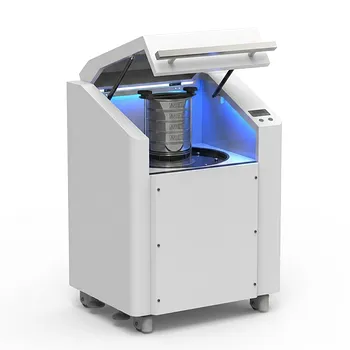
High Frequency Cabinet Type Three-Dimensional Rotary Vibrating Sieve Shaker for Dry Sieving and Particle Classification
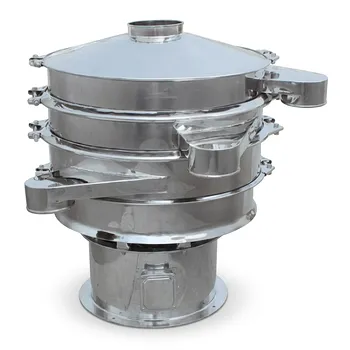
Stainless Steel Rotary Vibrating Sieve High Precision Circular Vibratory Separator Industrial Powder Grading Machine Multi Layer Sifting Equipment
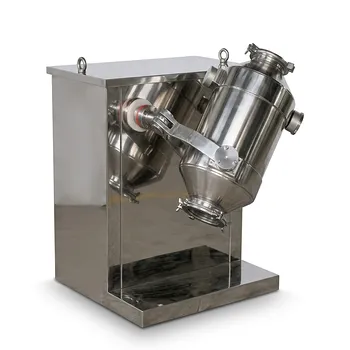
Three-Dimensional Motion Mixer for Laboratory Powder and Granule Blending
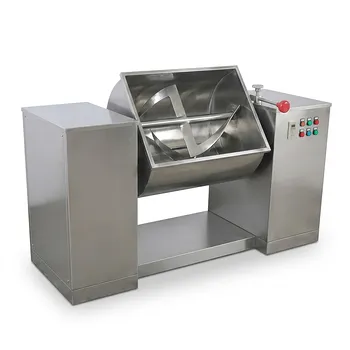
Horizontal Trough Mixer for Uniform Powder and Paste Blending
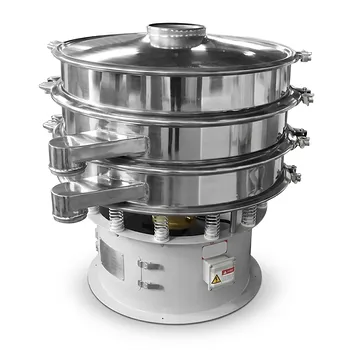
Three Dimensional Rotary Vibrating Sieve
Horizontal Double Roll Crusher for Medium Fine Crushing of Coal Limestone and Ores