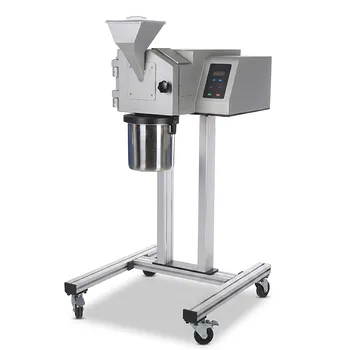
How does a high-speed hammer mill contribute to dry crushing of porcelain clay? Enhance Reactivity & Slurry Fluidity
Updated 5 months ago
The high-speed hammer mill serves as a critical catalyst for material reactivity in the porcelain production cycle. By utilizing high-velocity rotating heads, these machines deliver intense mechanical impact that shatters dried clay blocks into a uniform fine powder. This rapid reduction in particle size is the essential first step in ensuring the raw material is chemically prepared for high-efficiency downstream processing.
The primary value of a high-speed hammer mill lies in its ability to maximize the specific surface area of porcelain clay. This mechanical transformation significantly enhances the effectiveness of chemical additives, leading to superior slurry fluidity and processing consistency.
The Mechanics of High-Speed Fragmentation
Impact Force and Rapid Size Reduction
High-speed hammer mills operate by transferring massive amounts of kinetic energy from rotating hammer heads to the raw Amakusa porcelain clay. This intense impact causes the dried blocks to fracture instantly along natural cleavage planes.
The result is a rapid transition from bulk material to a fine powder state. This speed is vital for maintaining high throughput in industrial dry-crushing environments.
Achieving Particle Uniformity
Consistency is the hallmark of a high-speed mill. The mechanical design ensures that the clay is crushed until it reaches a specific, uniform granularity.
A uniform particle distribution prevents "oversized" contaminants from entering the mixing phase. This homogeneity is crucial for achieving predictable results in the final porcelain body.
Enhancing Chemical Reactivity and Fluidity
Maximizing Specific Surface Area
As the hammer mill breaks the clay into finer particles, it exponentially increases the specific surface area of the material. This provides more "contact points" for subsequent chemical reactions.
A higher surface area allows for more intimate contact between the clay particles and the liquid medium. This is the fundamental physical change required to optimize the material for the next stage of production.
Synergy with Chemical Additives
Increased surface area significantly enhances the reactivity of the clay when mixed with deflocculants and other additives. These chemicals can coat the particles more evenly and efficiently.
This optimized interaction leads to a significant improvement in the fluidity of the resulting slurry. Higher fluidity allows for easier casting and molding, reducing the energy required for pumping and transport.
Understanding the Trade-offs
Equipment Wear and Maintenance
The high-speed nature of these mills subjects the hammer heads to significant abrasive wear, especially when processing harder clay varieties. Regular inspection and replacement cycles are mandatory to maintain consistent output quality.
Heat Generation and Dust Control
Mechanical impact at high velocities generates frictional heat, which can affect the moisture content of the clay if not monitored. Additionally, the dry crushing process creates substantial fine dust, requiring robust filtration and containment systems to ensure a safe working environment.
Making the Right Choice for Your Goal
How to Apply This to Your Project
Integrating a high-speed hammer mill requires balancing the desired fineness of the powder with the operational costs of the machinery.
- If your primary focus is maximizing chemical efficiency: Prioritize high-speed settings to achieve the finest possible powder, ensuring total dispersion of deflocculants.
- If your primary focus is operational longevity: Optimize the feed size of the clay blocks to reduce the mechanical load on the hammer heads and extend the maintenance interval.
- If your primary focus is slurry consistency: Use integrated screening systems within the mill to ensure a tight particle size distribution and repeatable fluidity metrics.
By mastering the dry crushing phase with high-speed impact technology, you ensure that your raw materials are perfectly conditioned for high-performance porcelain manufacturing.
Summary Table:
| Key Feature | Mechanical Impact | Production Benefit |
|---|---|---|
| Rapid Size Reduction | High-velocity kinetic energy transfer | Increased industrial throughput |
| Particle Uniformity | Consistent mechanical fragmentation | Predictable slurry consistency |
| Surface Area Expansion | Exponential increase in contact points | Optimized chemical additive synergy |
| Mechanical Activation | Fracturing along natural cleavage planes | Enhanced material reactivity |
Elevate Your Material Preparation with Precision Engineering
Achieving the perfect particle size and reactivity is critical for high-performance porcelain manufacturing. At [Company Name], we provide complete laboratory sample preparation solutions for material science, specializing in advanced powder processing and compaction equipment.
Whether you need to optimize dry crushing or enhance downstream consistency, our extensive product line has you covered:
- Crushing & Grinding: High-speed hammer mills, jaw/roll crushers, and planetary ball mills.
- Sizing & Mixing: Vibratory sieve shakers and high-efficiency powder/defoaming mixers.
- Compaction: A full spectrum of hydraulic presses, including Cold/Warm Isostatic Presses (CIP/WIP), vacuum hot presses, and XRF pellet presses.
Ready to optimize your production workflow? Contact our technical experts today to find the ideal equipment for your material challenges!
References
- Takashi Akatsu, Dong Hao. 天草磁器土を原料とする磁器の下絵付け・ 施釉前の素焼き温度. DOI: 10.34551/0002000009
Mentioned Products
- High Efficiency High Speed Grinder Laboratory Mill 1300W 25000rpm
- Ultra Centrifugal Mill High Speed Laboratory Grinder for Fibrous and Brittle Sample Preparation
- Customized Sealed Laboratory Hammer Crusher for Coal and Medium Hardness Sample Preparation
- Laboratory Sealed Hammer Crusher for Coal and Mineral Sample Preparation
- High Efficiency High Speed Grinder 2200W 25000 RPM Laboratory Sample Preparation
People Also Ask
- What role does a laboratory grinder play in the pretreatment of sunflower seed shell-based adsorbents? Boost Efficiency.
- How does high-speed grinding equipment facilitate the preparation of lignin binders? Optimize Powder for Stronger Bonds
- How does a laboratory grinder or mill enhance the adsorption performance of agricultural waste materials? Boost Surface Area
- Why is grinding equipment necessary for SnO2-Sb2O3 xerogels? Maximize surface area and photocatalytic activity.
- How does laboratory grinding or pulverizing equipment influence eggshell-derived adsorbents? Maximize Surface Area.

Tech Team · PowderPreparation
Last updated on May 14, 2026
Related Products
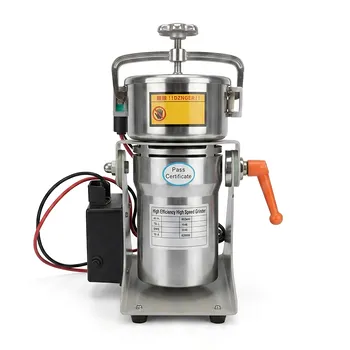
High Efficiency High Speed Grinder Laboratory Mill 1300W 25000rpm
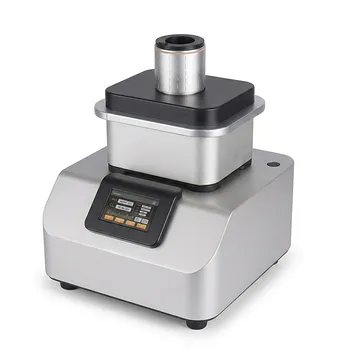
Ultra Centrifugal Mill High Speed Laboratory Grinder for Fibrous and Brittle Sample Preparation
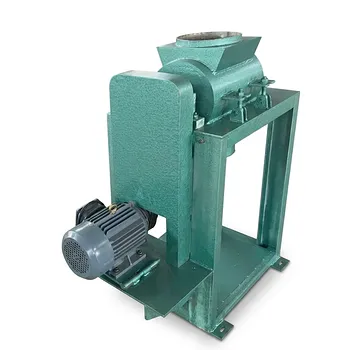
Customized Sealed Laboratory Hammer Crusher for Coal and Medium Hardness Sample Preparation
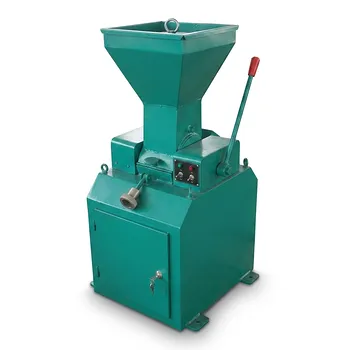
Laboratory Sealed Hammer Crusher for Coal and Mineral Sample Preparation
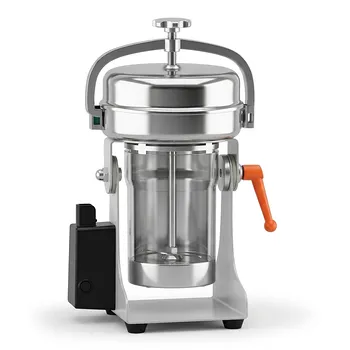
High Efficiency High Speed Grinder 2200W 25000 RPM Laboratory Sample Preparation
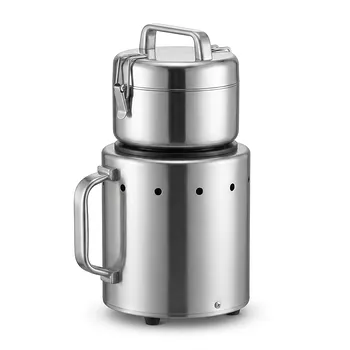
Small High Speed Grinder for Laboratory Sample Preparation
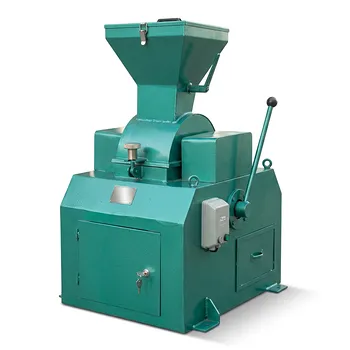
Laboratory Sealed Hammer Blade Crusher Divider for High Hardness Sample Preparation
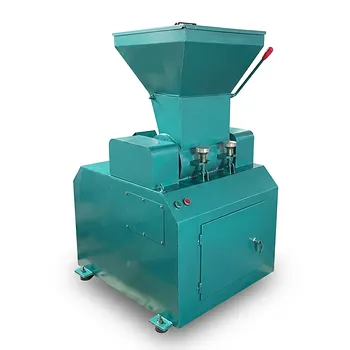
Sealed Hammer Crusher for Laboratory Coal Sample Preparation Adjustable Output Size
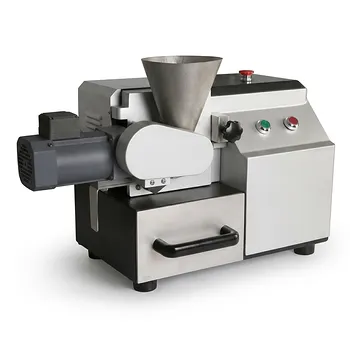
Laboratory Hammer Mill for Coal Quality Analysis and Brittle Mineral Grinding
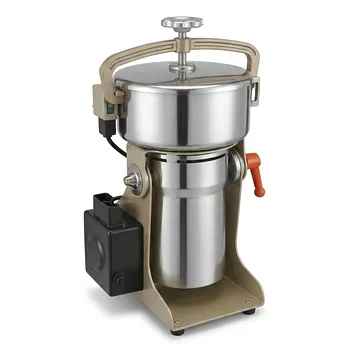
Multifunctional High Efficiency High Speed Laboratory Grinder
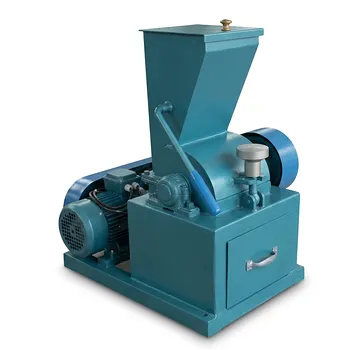
Small Hammer Crusher for Brittle Material Crushing in Mining Metallurgy and Lab Sample Preparation
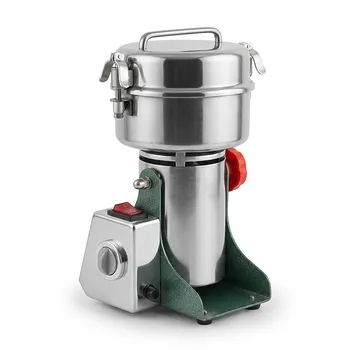
Small High-Speed Swing Grinder for Laboratory Sample Preparation
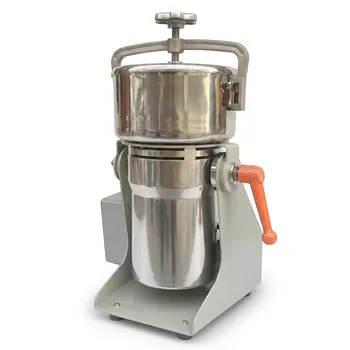
High Speed Laboratory Grinder Efficient Stainless Steel Powder Pulverizer Universal Material Science Mill for Sample Preparation
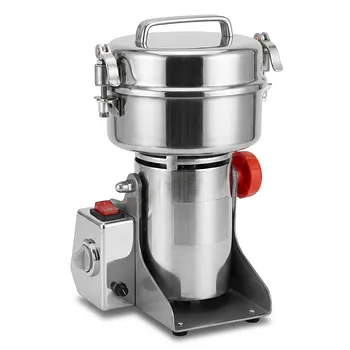
High Speed Laboratory Powder Grinder Small Batch Sample Preparation Mill
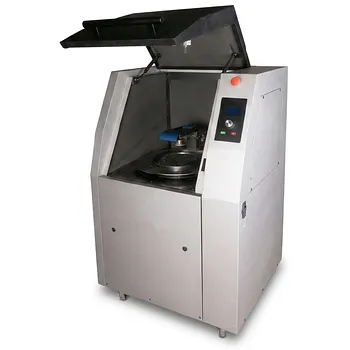
High Speed Vibratory Disc Mill for Spectral Analysis Sample Preparation and Rapid Powder Grinding
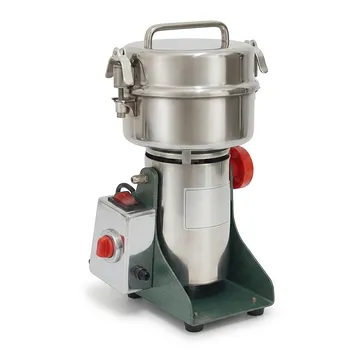
Small High Speed Grinder for Laboratory Sample Preparation
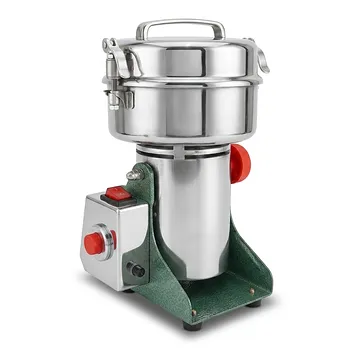
Small High-Speed Laboratory Grinder for Powder Processing
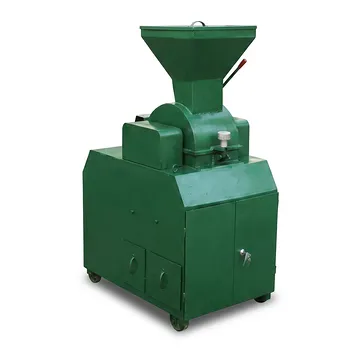
Industrial Sealed Hammer Knife Crusher for Mining Ore and Coal Sample Preparation
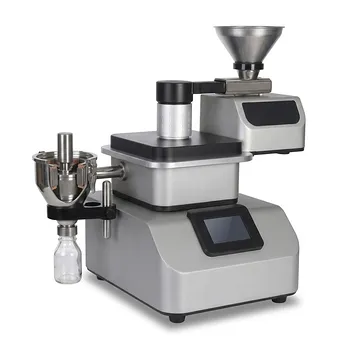
Ultra Centrifugal Mill for Rapid Laboratory Sample Preparation and Fine Powder Grinding