How does a high-capacity cryogenic grinder facilitate the preparation of PET microplastic fibers? Expert Prep Guide
Updated 5 months ago
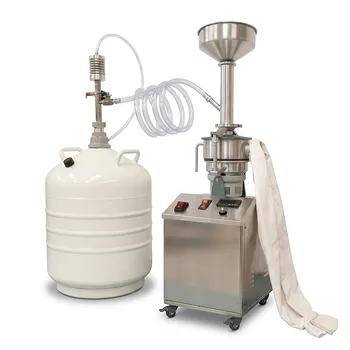
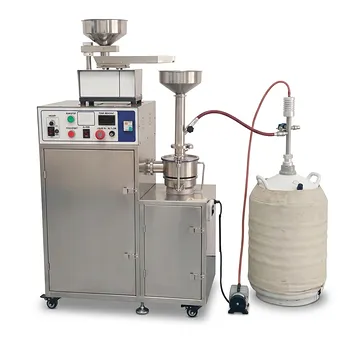
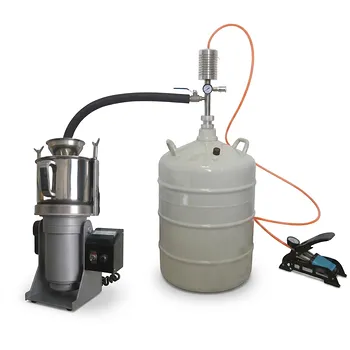
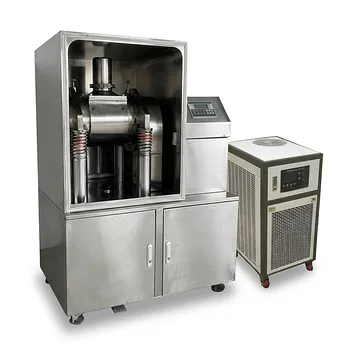
High-capacity cryogenic grinders facilitate PET fiber preparation by inducing low-temperature embrittlement through liquid nitrogen immersion. This process allows flexible polyethylene terephthalate (PET) fabrics to be pulverized into micron-sized fibers using high-frequency impact and shear forces. By maintaining an extremely cold environment, the grinder prevents the thermal degradation and melting that typically occur during standard room-temperature milling.
Core Takeaway: Cryogenic grinding is the definitive method for producing high-fidelity PET microplastics because it transforms ductile polymers into a brittle state, ensuring the resulting fibers retain the exact chemical and physical morphology of particles shed in natural environments.
The Mechanism of Cryogenic Embrittlement
Overcoming Polymer Ductility
At room temperature, PET is a ductile material that tends to deform or stretch rather than break when subjected to mechanical force. Liquid nitrogen cooling drops the material's temperature below its glass transition point, inducing a state known as cold brittleness.
High-Frequency Impact and Shear
Once the PET fabric is embrittled, the grinder utilizes high-frequency impact or hydraulic power to shatter the material. This mechanical energy breaks the polymer chains into irregular, sharp-edged micro-sized fragments that closely simulate the effects of physical weathering.
Achieving Micron-Level Precision
The combination of extreme cold and high-energy impact allows for the reduction of millimeter-sized flakes or fabrics into sub-micron or nanometer scales. This level of precision is essential for researchers needing specific size distributions, such as the 63–200μm range often found in environmental samples.
Preservation of Physicochemical Integrity
Preventing Thermal Degradation
Traditional grinding generates significant frictional heat, which can lead to the uncontrolled thermal degradation or melting of the PET. Cryogenic processing absorbs this heat immediately, ensuring the polymer does not reach its melting point during the pulverization process.
Maintaining Chemical Signatures
Because the process avoids high temperatures, the resulting microplastics do not undergo chemical alteration or denaturation. This makes the fibers ideal for subsequent studies on chemically induced artificial aging, as the starting material remains chemically "pure."
Simulating Natural Shedding
The primary advantage of this stability is the creation of experimental samples that match the physical morphology of fibers naturally shed during household laundering. This high-fidelity simulation is critical for producing reliable data in environmental impact studies.
Understanding the Trade-offs
Operational Complexity and Safety
Cryogenic grinding requires the constant handling and storage of liquid nitrogen, which introduces specific safety protocols and specialized infrastructure needs. The equipment must be designed to withstand extreme thermal cycling without structural fatigue.
Resource Intensity
The process is more resource-intensive than dry milling due to the cost of cryogenic agents and the high-energy drives required to impact brittle solids. These costs must be weighed against the necessity for high-purity, non-degraded samples.
Material Limitations
While highly effective for PET and PE, materials with extremely high plasticizer content or specific rubberized textures may still require specialized impact frequencies to achieve the desired particle size. Not all polymers respond identically to cryogenic embrittlement.
How to Apply This to Your Research Project
To achieve the best results when preparing PET microplastic fibers, align your equipment settings with your specific experimental requirements.
- If your primary focus is environmental realism: Prioritize a grinder that utilizes liquid nitrogen immersion to produce irregular, sharp-edged fragments that mimic natural weathering.
- If your primary focus is chemical stability: Ensure the system maintains a strictly controlled low-temperature environment to prevent any frictional heat from altering the polymer's chemical signature.
- If your primary focus is particle size uniformity: Utilize high-energy cryogenic equipment capable of delivering consistent high-frequency impacts to reach specific sub-micron or nanometer targets.
By leveraging the power of cryogenic embrittlement, you can produce PET microplastic fibers that are both physically and chemically representative of real-world pollutants.
Summary Table:
| Key Feature | Mechanism | Research Benefit |
|---|---|---|
| Liquid Nitrogen Immersion | Induces cold embrittlement below glass transition point | Prevents PET stretching and melting during processing |
| High-Frequency Impact | Shatters embrittled material using hydraulic/mechanical force | Simulates the irregular morphology of natural weathering |
| Thermal Protection | Immediate absorption of frictional heat | Preserves chemical signatures and prevents denaturation |
| Micron Precision | High-energy pulverization of brittle solids | Achieves specific size distributions (e.g., 63–200μm) |
Elevate Your Material Science Research with Precision Sample Preparation
Producing high-fidelity PET microplastic fibers requires specialized equipment that prevents thermal degradation while ensuring realistic physical morphology. We specialize in providing complete laboratory sample preparation solutions for material science, focusing on high-performance powder processing and compaction equipment.
Whether you are analyzing environmental pollutants or developing new polymers, our extensive product lines are designed to meet the most rigorous standards:
- Advanced Grinding & Milling: High-capacity liquid nitrogen cryogenic grinders, planetary ball mills, jet mills, and rotor mills.
- Crushing & Sizing: Jaw/roll crushers and vibratory/air-jet sieve shakers with precision test sieves and meshes.
- Powder & Sample Processing: Powder mixers, defoaming mixers, and a full spectrum of hydraulic presses, including Cold/Warm Isostatic Presses (CIP/WIP), XRF pellet presses, and vacuum hot presses.
Achieve sub-micron precision and maintain the chemical purity of your samples.
Contact our experts today for a customized solution
References
- H. Frost, M. Felipe-Sotelo. Sorption of metal ions onto PET-derived microplastic fibres. DOI: 10.1039/d4em00373j
Mentioned Products
- Water Cooled High Speed Grinder with Cryogenic Option for Laboratory Sample Preparation
- High Throughput Micro Ball Mill for Cryogenic Grinding and Laboratory Cell Disruption
- Small Liquid Nitrogen Cryogenic Grinder for Ultrafine Grinding of Heat-Sensitive Materials in Laboratories
- 500g Capacity Water Cooled Low Temperature Grinder with Variable Speed and Safety Cover
- Cryogenic Liquid Nitrogen Grinder for DNA Analysis and Polymer Pulverization with Automatic Cooling and Electromagnetic Impact Technology
People Also Ask
- What role does a laboratory grinder play in the pretreatment of sunflower seed shell-based adsorbents? Boost Efficiency.
- How does a laboratory grinder or mill enhance the adsorption performance of agricultural waste materials? Boost Surface Area
- What is the role of a high-energy cryogenic grinder in Al-Gr nanocomposites? Optimize Refinement & Dispersion
- What are the advantages of using liquid nitrogen-driven cryomilling compared to room-temperature ball milling for high-entropy alloys?
- What is the impact of grinding time on drug-loaded powders in cryogenic grinding? Optimize Morphology & Performance

Tech Team · PowderPreparation
Last updated on May 14, 2026
Related Products
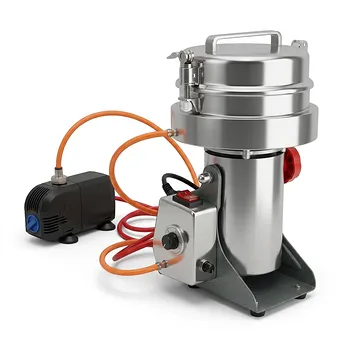
Water Cooled High Speed Grinder with Cryogenic Option for Laboratory Sample Preparation
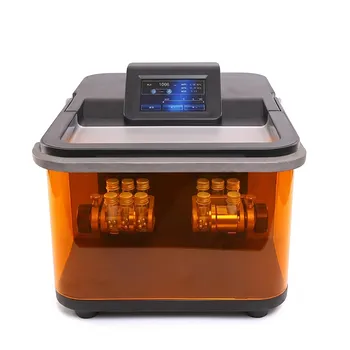
High Throughput Micro Ball Mill for Cryogenic Grinding and Laboratory Cell Disruption
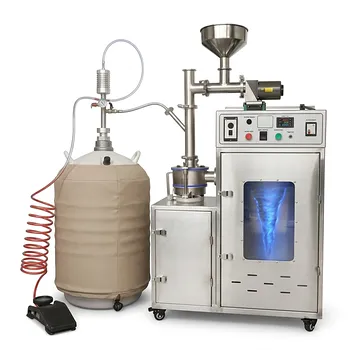
Small Liquid Nitrogen Cryogenic Grinder for Ultrafine Grinding of Heat-Sensitive Materials in Laboratories
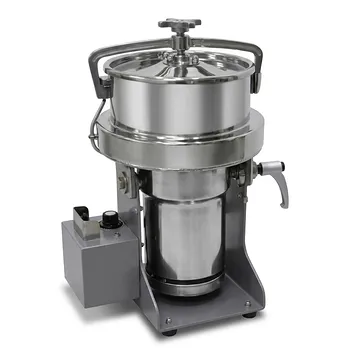
500g Capacity Water Cooled Low Temperature Grinder with Variable Speed and Safety Cover
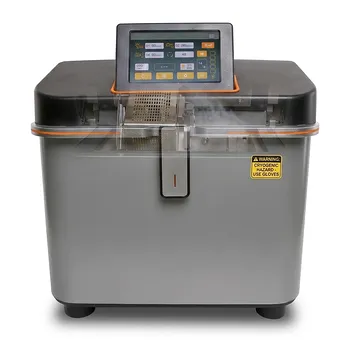
Cryogenic Liquid Nitrogen Grinder for DNA Analysis and Polymer Pulverization with Automatic Cooling and Electromagnetic Impact Technology
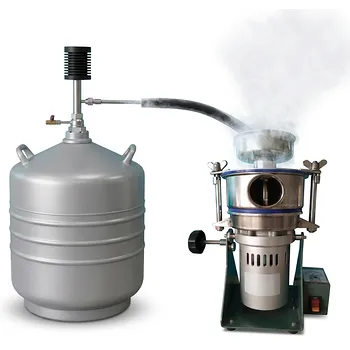
Cryogenic Liquid Nitrogen Grinder for Ultrafine Heat-Sensitive Powder Processing
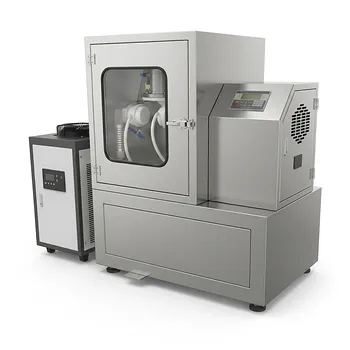
Vibratory Ultra-Low Temperature Ultrafine Grinder for Cryogenic Powder Processing
Laboratory Cryogenic Grinder Liquid Nitrogen Low Temperature Ultrafine Grinding
Small Liquid Nitrogen Cryogenic Grinder with Vibratory Feeder for Laboratory Sample Preparation
Liquid Nitrogen Cryogenic Grinder for Plastic and Heat-Sensitive Materials
Water Cooled Cryogenic Ultra Fine Cell Wall Breaking Mill
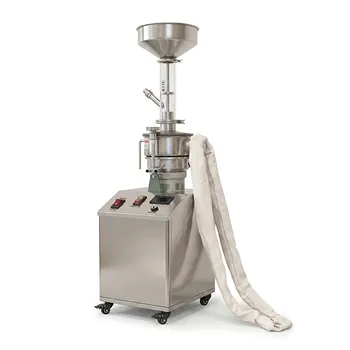
Small Liquid Nitrogen Cryogenic Grinder for Plastic and Heat-Sensitive Material Sample Preparation
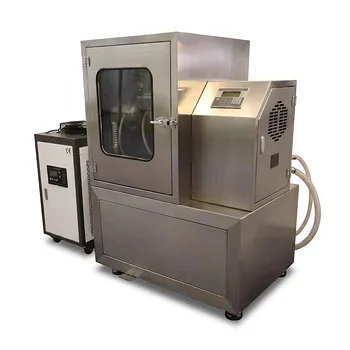
Ultra-Low Temperature Vibratory Mill for Ultrafine Grinding
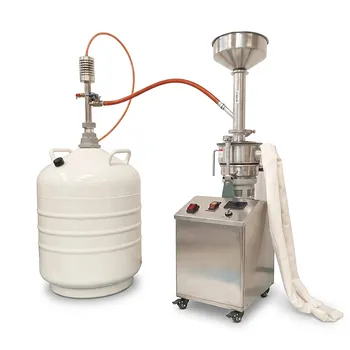
Laboratory Liquid Nitrogen Cryogenic Grinder for Polymer and Elastomer Materials
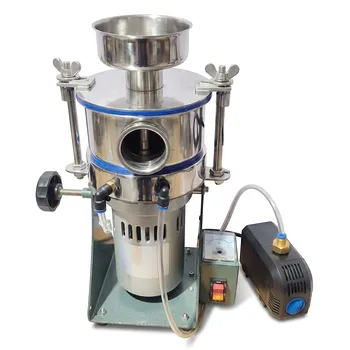
Water Cooled Airflow Ultra Fine Grinder for Low Temperature Material Processing
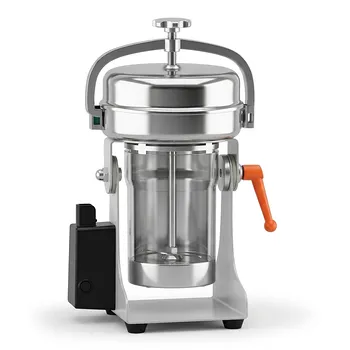
High Efficiency High Speed Grinder 2200W 25000 RPM Laboratory Sample Preparation
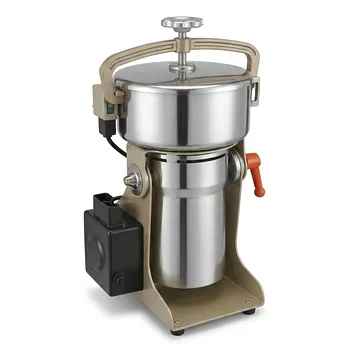
Multifunctional High Efficiency High Speed Laboratory Grinder
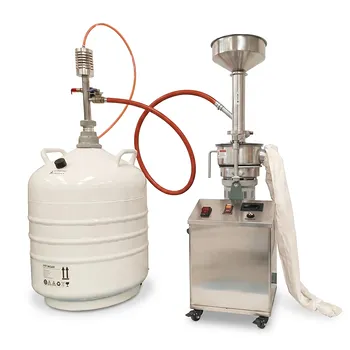
Laboratory Liquid Nitrogen Cryogenic Grinder Polymer Sample Preparation Pulverizer
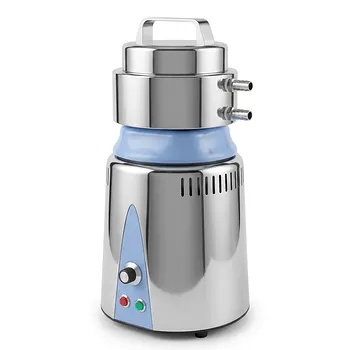
Low Temperature Laboratory Knife Mill Cryogenic Sample Grinder Material Science Powder Processing