How does a Cold Isostatic Press (CIP) enhance Steatite-Based Ceramic green bodies compared to standard mechanical pressing?
Updated 5 months ago
Cold Isostatic Pressing (CIP) is the definitive solution for achieving uniform density and structural integrity in Steatite-Based Ceramic green bodies. Unlike standard mechanical pressing, which applies force from a single direction, CIP utilizes a liquid medium to exert equal pressure—typically around 200 MPa—from all directions simultaneously. This omnidirectional force eliminates the internal density gradients and shear stresses inherent in die pressing, resulting in a significantly denser green body that is far less prone to cracking or warping during the sintering phase.
By replacing the directional friction of mechanical dies with isotropic fluid pressure, CIP creates a perfectly uniform powder compact that can survive the intense stresses of high-temperature shrinkage and thermal shock.
Overcoming the Limitations of Mechanical Pressing
Eliminating Internal Density Gradients
Standard mechanical pressing creates friction between the ceramic powder and the rigid walls of the steel die. This friction prevents pressure from reaching the center of the part evenly, leading to "soft spots" or density voids. CIP uses a liquid transmission medium to ensure that every millimeter of the green body receives the exact same compressive force.
Removing Internal Shear Forces
Uniaxial pressing often creates internal shear planes where different layers of powder slide against one another. These planes become structural weaknesses that can lead to delamination or "capping" defects. Because CIP applies isotropic pressure, it eliminates these shear forces entirely, creating a homogenous internal structure.
Enhancing Particle Packing Efficiency
High-pressure CIP (ranging from 200 MPa to 500 MPa) forces talc and ceramic particles into a much tighter arrangement than standard mechanical presses can achieve. This secondary densification increases the packing density and bonding strength between particles, which is critical for the final material's bulk density.
The Structural Impact on Steatite Ceramics
Dimensional Stability During Sintering
Ceramic bodies shrink significantly as they are fired in a kiln. If the green body has non-uniform density, it will shrink at different rates, leading to warping, twisting, or geometric distortion. CIP ensures uniform shrinkage across all axes, which is essential for producing high-precision components or large-area ceramics.
Prevention of Micro-cracks and Voids
The uniform application of pressure effectively "heals" the microscopic voids and stress concentrations that form during initial molding. By reducing internal porosity and stress concentrations, CIP significantly lowers the risk of micro-cracks forming during the cooling or rapid thermal cycling of the finished ceramic.
Improvement of Dielectric Properties
For Steatite-based ceramics used in electrical applications, density is directly linked to performance. By achieving a higher relative density—often exceeding 99 percent—CIP enhances the dielectric constant and structural integrity of the material, making it suitable for high-voltage or high-frequency environments.
Understanding the Trade-offs
Dimensional Precision and Tooling
While mechanical die pressing produces parts with very precise "as-pressed" dimensions, CIP relies on flexible rubber or elastomer molds. These molds do not provide the same rigid dimensional control, often necessitating a "green machining" step where the compact is shaped before sintering.
Process Complexity and Cost
CIP is typically a batch process and often serves as a secondary treatment after an initial axial press. This adds an extra stage to the manufacturing workflow, increasing production time and equipment costs compared to a single-step high-speed mechanical press.
Shape Limitations
While CIP is excellent for complex, large, or thick-walled parts, very thin or intricate features may be difficult to support within a flexible membrane. The process requires careful design of the flexible tooling to ensure the powder compact does not collapse or deform unevenly during the decompression phase.
Applying CIP to Your Ceramic Project
Choosing the Right Method for Your Goals
- If your primary focus is maximizing mechanical strength: Use CIP as a secondary densification step at 200 MPa to eliminate the internal micro-cracks left by initial die pressing.
- If your primary focus is geometric consistency in large parts: Utilize CIP to ensure uniform density distribution, which prevents warping and distortion during the high-temperature sintering cycle.
- If your primary focus is high-frequency electrical performance: Leverage the high-pressure capabilities (up to 500 MPa) of CIP to achieve maximum bulk density and a superior dielectric constant.
By integrating Cold Isostatic Pressing into the production workflow, engineers can produce Steatite-based components that meet the rigorous demands of high-performance technical applications.
Summary Table:
| Feature | Mechanical Pressing | Cold Isostatic Pressing (CIP) |
|---|---|---|
| Pressure Direction | Uniaxial (Single Direction) | Isotropic (All Directions) |
| Density Distribution | Non-uniform (Gradients) | Highly Uniform |
| Internal Stress | High (Risk of delamination) | Eliminated (Shear-free) |
| Sintering Stability | Risk of warping/cracking | High dimensional stability |
| Final Density | Moderate | Superior (Up to 99%+) |
| Tooling Type | Rigid Steel Dies | Flexible Elastomer Molds |
Elevate Your Material Research with Precision Compaction Solutions
Achieving structural perfection in Steatite-based ceramics requires the right equipment. At [Brand Name], we provide complete laboratory sample preparation solutions tailored for material science. We specialize in high-performance powder processing and compaction equipment designed to eliminate defects and maximize density.
Our extensive product line includes:
- Advanced Hydraulic Presses: Cold Isostatic Presses (CIP), Warm Isostatic Presses (WIP), standard lab presses, and vacuum hot presses.
- Precision Milling & Grinding: Planetary ball mills, jet mills, and cryogenic grinders for optimal particle preparation.
- Sieving & Mixing: Vibratory sieve shakers, powder mixers, and centrifugal defoaming mixers.
Whether you are looking to improve dielectric properties or ensure dimensional stability in large ceramic components, our technical team is ready to assist you.
Ready to optimize your ceramic green bodies?
Contact our experts today to find the perfect CIP or compaction solution for your laboratory!
References
- H. Kelvin, W.D. Teng. Phase Analysis and Densification of Steatite-based Ceramics. DOI: 10.15282/ijame.1.2010.1.0004
Mentioned Products
- 5 Ton Single Punch Tablet Press Laboratory Small Batch Production
- 6-Ton Small Single-Punch Tablet Press — Laboratory Powder & Granule Tableting Equipment / Tablet Forming Machine
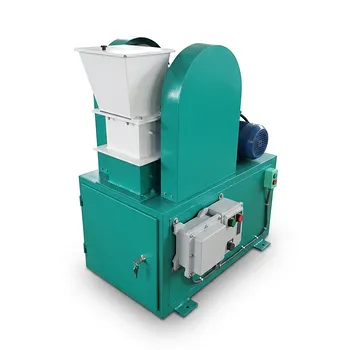
- Low Temperature Laboratory Knife Mill Cryogenic Sample Grinder Material Science Powder Processing
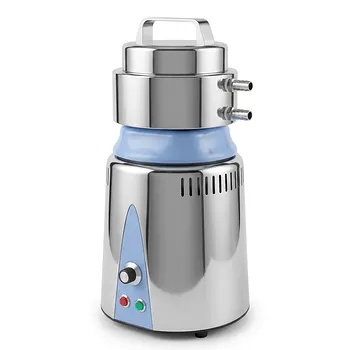
- 500g Capacity Water Cooled Low Temperature Grinder with Variable Speed and Safety Cover
- 6 Ton Variable Frequency Single Punch Tablet Press
People Also Ask
- What is the function of a laboratory press in assessing the hydrophobic performance of modified vermiculite fillers?
- What is the core function of a laboratory press in the forming of ceramic filter element green bodies? Maximize Density.
- What is the function of a laboratory press in Cr-Ti alloy evaluation? Quantify Fracture Stress & Strength
- Why is vacuum sealing and flexible packaging necessary for Aluminum Titanate powders during CIP? Ensure Peak Density
- Why is a laboratory hydraulic press required for FT-IR KBr pellets? Achieve Precise Sample Clarity for ZrC–SiC Analysis

Tech Team · PowderPreparation
Last updated on May 14, 2026
Related Products
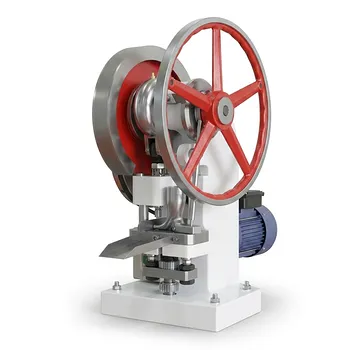
5 Ton Single Punch Tablet Press Laboratory Small Batch Production
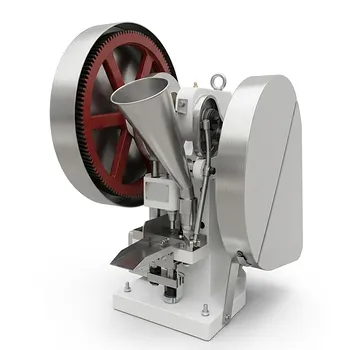
6-Ton Small Single-Punch Tablet Press — Laboratory Powder & Granule Tableting Equipment / Tablet Forming Machine
Low Temperature Laboratory Knife Mill Cryogenic Sample Grinder Material Science Powder Processing
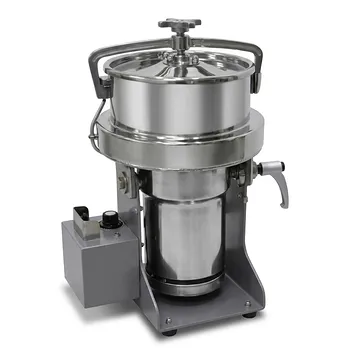
500g Capacity Water Cooled Low Temperature Grinder with Variable Speed and Safety Cover
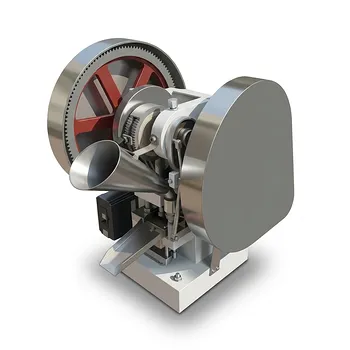
6 Ton Variable Frequency Single Punch Tablet Press
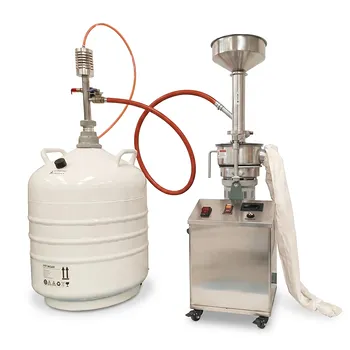
Laboratory Liquid Nitrogen Cryogenic Grinder Polymer Sample Preparation Pulverizer
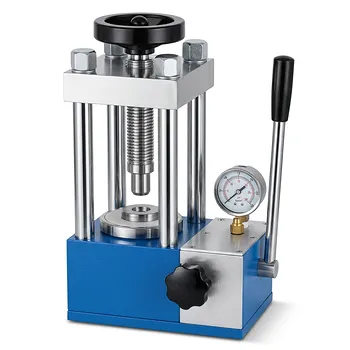
Manual Tablet Press with Dual Scale Pressure Gauge for Pharmaceutical Food Chemical Laboratory Sample Preparation
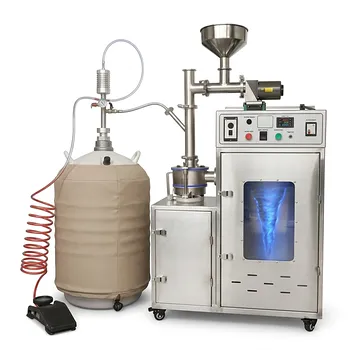
Small Liquid Nitrogen Cryogenic Grinder for Ultrafine Grinding of Heat-Sensitive Materials in Laboratories
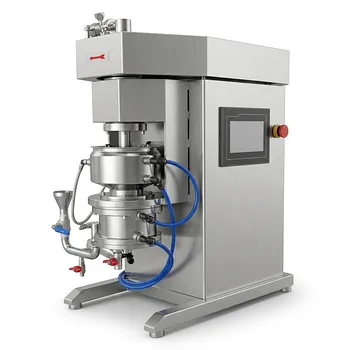
Small Ceramic Structure Laboratory Sand Mill Nanoscale Grinding Dispersion Equipment Seal-less Screen-less Design
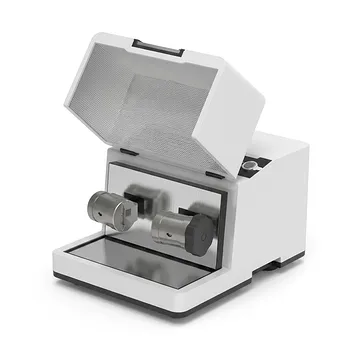
Heating Temperature Controlled High Energy Vibratory Ball Mill
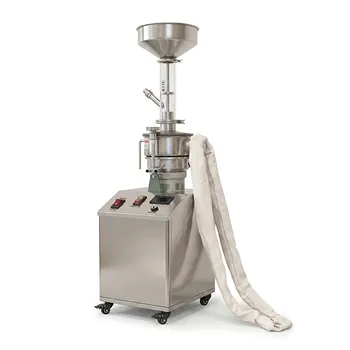
Small Liquid Nitrogen Cryogenic Grinder for Plastic and Heat-Sensitive Material Sample Preparation
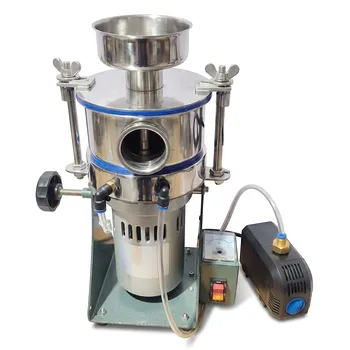
Water Cooled Airflow Ultra Fine Grinder for Low Temperature Material Processing
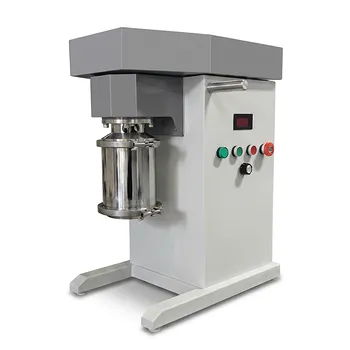
Nano Laboratory Bead Mill Desktop Sub Micron Sand Mill Screenless Seal Less Powder Grinder
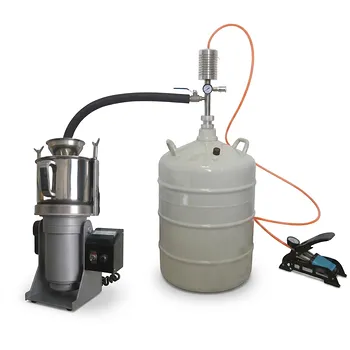
Liquid Nitrogen Cryogenic Grinder for Plastic and Heat-Sensitive Materials
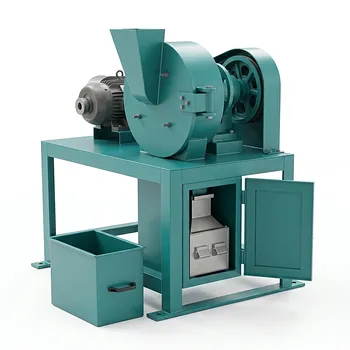
Sealed Disc Pulverizer Customized Model
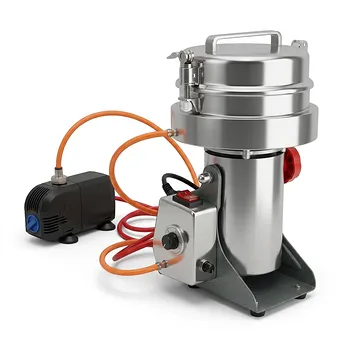
Water Cooled High Speed Grinder with Cryogenic Option for Laboratory Sample Preparation
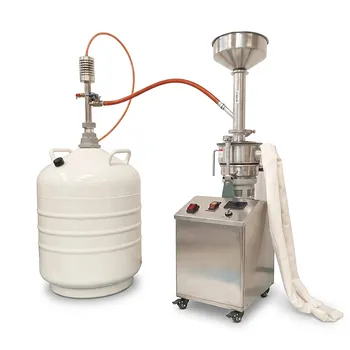
Laboratory Liquid Nitrogen Cryogenic Grinder for Polymer and Elastomer Materials
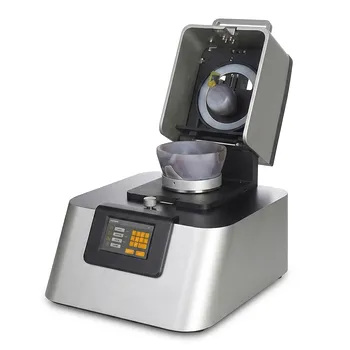
Laboratory Mortar Grinder for Sample Preparation and Cryogenic Powder Homogenization
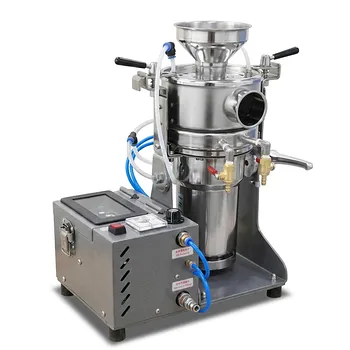
Water Cooled Pulse Jet Ultrafine Grinder