How do vibratory sieve shakers facilitate the processing of solid residues from battery thermal runaway? Optimize Recovery
Updated 4 months ago
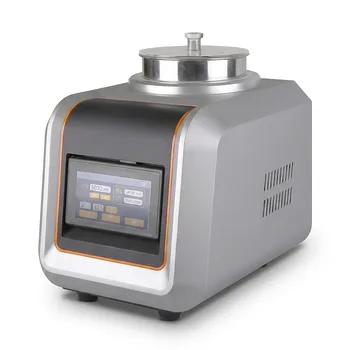
Vibratory sieve shakers facilitate the processing of battery thermal runaway residues by physically classifying solid particles into precise size intervals via high-frequency mechanical or electromagnetic vibration. These devices use multiple layers of standard sieves to separate mixed residues—ranging from several micrometers to tens of millimeters—into distinct fractions. This classification is essential for isolating high-value "black mass" from structural components like casings and foils, while also enabling the detailed study of chemical composition and thermal oxidation characteristics across different particle sizes.
Vibratory sieve shakers transform heterogeneous battery residues into homogeneous, size-specific fractions, enabling both the accurate characterization of thermal runaway events and the efficient recovery of core active materials. By isolating fine powders from coarse structural waste, these tools optimize downstream leaching processes and ensure the repeatability of experimental data.
Accelerating Material Recovery and Recycling
Separating Black Mass from Structural Debris
In the initial stages of processing, vibratory shakers use specific mesh apertures to separate fine-grained active materials from coarser components. This process effectively isolates the black mass from metal casings, electrode foils, and plastic separators.
By creating these concentrated material streams, the shaker provides a higher-purity feedstock for refined separation stages. This initial physical division is a prerequisite for improving the overall efficiency of lithium-ion battery recycling.
Enhancing Downstream Leaching Efficiency
Electromagnetic shakers can isolate extremely fine powders, often with particle sizes less than 0.1mm. These fine fractions possess the maximum specific surface area within the residue sample.
Isolating these fines significantly improves the contact efficiency between chemical solvents and metal oxides. This ensures that subsequent acid leaching and solvent extraction processes are faster and more effective.
Facilitating Scientific Analysis of Runaway Events
Constructing Full-Range Particle Size Distributions (PSD)
While laser particle size analyzers are common, they often have a limited upper measurement range. Vibratory shakers are used to process coarse fractions between 2 mm and 32 mm that laser systems cannot accurately measure.
By physically weighing the fractions captured in the sieves, researchers can mathematically combine this data with laser analysis. This results in a complete, full-range particle size distribution curve for the thermal runaway residue.
Analyzing Chemical and Thermal Variations
Residues from thermal runaway are not chemically uniform across all sizes. Shakers allow researchers to study how chemical composition and mass distribution vary between large structural fragments and fine powders.
Furthermore, these distinct size intervals are critical for studying thermal oxidation characteristics. Understanding how different particle sizes react to heat helps engineers design safer battery enclosures and suppression systems.
Optimizing Process Precision and Reliability
Ensuring Sample Homogeneity and Representativeness
Mechanical vibration ensures that solid waste samples are highly homogeneous. This homogeneity is vital for conducting leaching experiments and chemical composition analysis that require a representative sample of the entire waste stream.
Consistent classification directly improves the repeatability of experimental results. Without precise sieving, variations in sample composition can lead to inconsistent data in metallurgical and recycling research.
Multi-Layer Physical Classification
The use of multiple sieve layers allows for the simultaneous division of a single sample into several distinct size gradients. This rapid separation covers a broad spectrum, from micrometers to several millimeters.
This multi-layer approach saves time and ensures that every component of the residue, from the smallest active material to the largest casing fragment, is accounted for. It provides a structured overview of the physical impact of the thermal runaway event.
Understanding the Trade-offs and Limitations
Challenges with Material Agglomeration
Dry sieving of very fine battery residues can sometimes lead to particle agglomeration or sieve clogging. High-frequency vibration helps mitigate this, but extremely cohesive materials may still require specialized anti-blinding accessories or wet-sieving techniques.
Physical vs. Chemical Limitations
While shakers are excellent for physical size classification, they cannot separate materials of similar sizes but different densities, such as small plastic fragments and fine metal powders. In these cases, vibratory sieving must be paired with subsequent density separation or magnetic processes.
Applying Classification to Your Objectives
Making the Right Choice for Your Goal
To maximize the value of residue processing, your approach should align with your primary technical objective:
- If your primary focus is maximizing resource recovery: Use shakers to isolate the sub-0.1mm fraction to ensure the highest possible surface area for precision acid leaching.
- If your primary focus is safety research and modeling: Utilize multi-layer sieving to construct full-range PSD curves that combine sieve data with laser analysis for a complete view of fragment distribution.
- If your primary focus is industrial-scale pre-processing: Focus on dry sieving to rapidly remove large foils and casings, creating a concentrated black mass stream for downstream processing.
By precisely controlling the physical distribution of residues, vibratory sieve shakers turn chaotic thermal runaway waste into structured, actionable data and materials.
Summary Table:
| Function | Key Benefit | Application in Battery Research |
|---|---|---|
| Size Classification | Isolates high-value black mass from structural debris | Material Recovery & Recycling |
| Fine Powder Isolation | Maximizes specific surface area for chemical solvents | Downstream Leaching Efficiency |
| PSD Construction | Combines with laser data for full-range distribution | Safety Modeling & Analysis |
| Sample Homogenization | Ensures representative samples for chemical testing | Experimental Repeatability |
Elevate Your Material Research with Comprehensive Lab Solutions
Are you looking to optimize the recovery of high-value materials or improve the precision of your battery safety research? At [Company Name], we provide complete laboratory sample preparation solutions for material science, specializing in advanced powder processing and compaction equipment.
Our extensive product line is designed to handle every stage of residue processing and material development:
- Classification & Analysis: Vibratory and air-jet sieve shakers with a full range of precision test sieves and meshes.
- Size Reduction: High-performance crushers (jaw/roll), liquid nitrogen cryogenic grinders, and specialized mills (planetary ball, jet, sand/bead, disc, rotor).
- Sample Compaction: A full spectrum of hydraulic presses, including Cold/Warm Isostatic Presses (CIP/WIP), XRF pellet presses, and vacuum hot presses.
- Homogenization: Advanced powder mixers and defoaming mixers to ensure sample consistency.
Whether you are a researcher requiring precise data or a distributor seeking reliable OEM/ODM support and high-performance equipment, we bring unparalleled value to your workflow. Contact us today to discuss your specific requirements and discover how our solutions can enhance your laboratory’s efficiency.
References
- Felix Elsner, Stefan Pischinger. Detailed Characterization of Thermal Runaway Particle Emissions from a Prismatic NMC622 Lithium-Ion Battery. DOI: 10.3390/batteries11060225
Mentioned Products
- Vibratory Sieve Shaker Electromagnetic 3D Motion Powder Particle Size Analyzer for Dry and Wet Sieving
- Laboratory Dry and Wet Three Dimensional Vibratory Sieve Shaker for Particle Analysis
- Stainless Steel Laboratory Vibratory Test Sieve Shaker
- Heavy Duty Dry Three Dimensional Vibratory Sieve Shaker for Particle Separation
- Dry Three Dimensional Vibratory Sieve Shaker
People Also Ask
- How does a vibratory sieve shaker contribute to optimizing the performance of activated carbon? Enhance Adsorption Precision
- Why is a laboratory vibratory sieve shaker necessary for processing magnesium-based borate precursor powders? Boost Activity
- Why use a vibratory sieve shaker to verify coarse aggregate grading in rubberized concrete? Ensure Structural Integrity
- What function do vibratory sieve shakers and standard test sieves serve in the preparation of adsorbents? Key Guide
- What role does a vibratory sieve shaker play in the particle size analysis of ground corn products? Enhance QC Precision

Tech Team · PowderPreparation
Last updated on May 14, 2026
Related Products
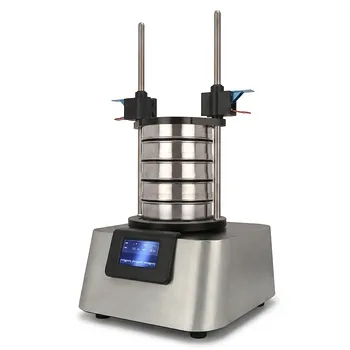
Vibratory Sieve Shaker Electromagnetic 3D Motion Powder Particle Size Analyzer for Dry and Wet Sieving
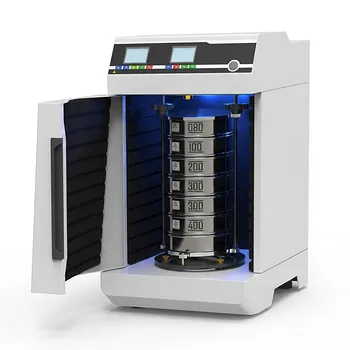
Laboratory Dry and Wet Three Dimensional Vibratory Sieve Shaker for Particle Analysis
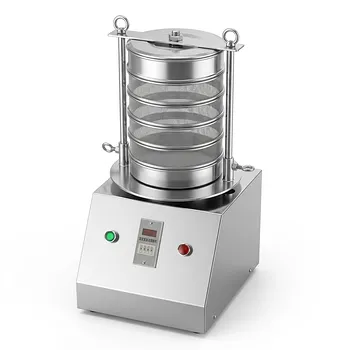
Stainless Steel Laboratory Vibratory Test Sieve Shaker
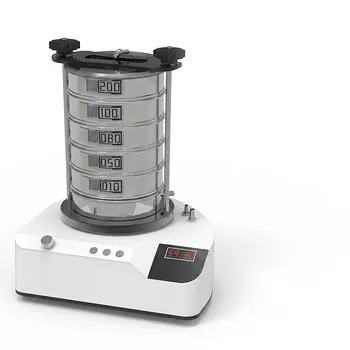
Heavy Duty Dry Three Dimensional Vibratory Sieve Shaker for Particle Separation
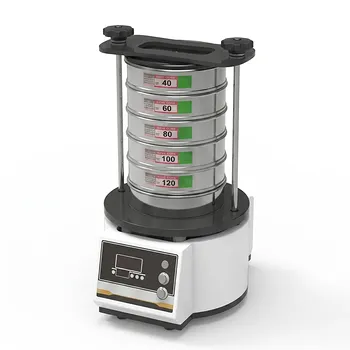
Dry Three Dimensional Vibratory Sieve Shaker
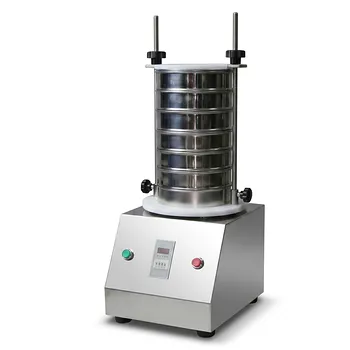
Small Laboratory Vibratory Sieve Shaker for Powder Gradation and Particle Size Analysis
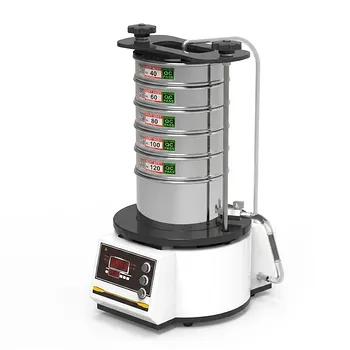
High Frequency Wet Three-Dimensional Vibrating Sieve Shaker for Dry and Wet Particle Size Analysis
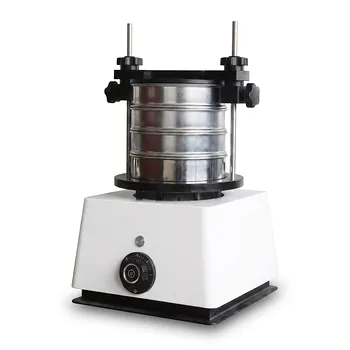
Small Laboratory Vibrating Sieve Shaker for Precise Particle Size Analysis
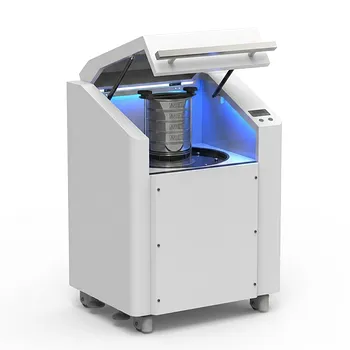
High Frequency Cabinet Type Three-Dimensional Rotary Vibrating Sieve Shaker for Dry Sieving and Particle Classification
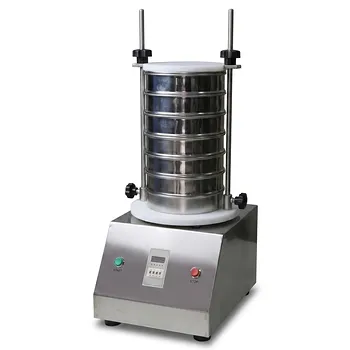
Laboratory Vibratory Test Sieve Shaker for Precision Particle Size Analysis and Powder Grading
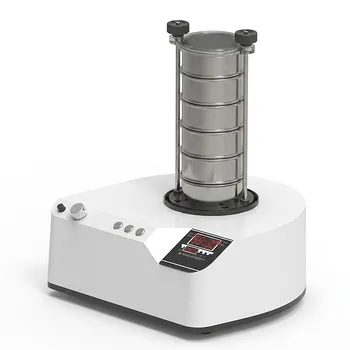
三维电磁微量振动筛分仪
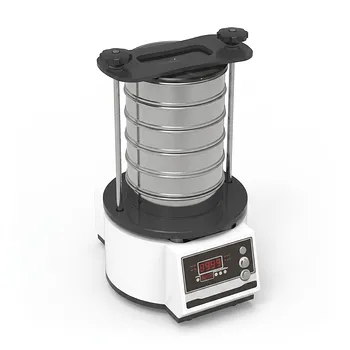
Tapping Oscillating Sieve Shaker for Dry and Wet Particle Size Analysis
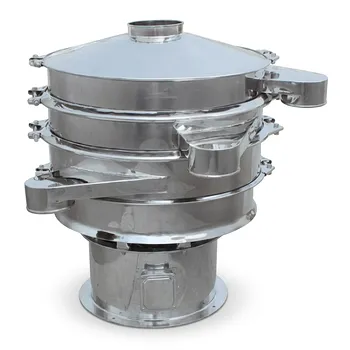
Stainless Steel Rotary Vibrating Sieve High Precision Circular Vibratory Separator Industrial Powder Grading Machine Multi Layer Sifting Equipment
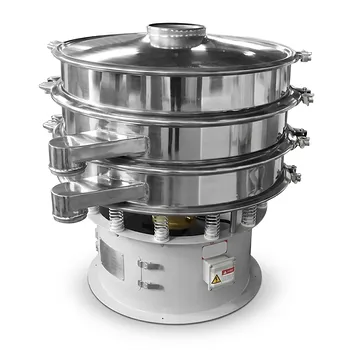
Three Dimensional Rotary Vibrating Sieve
Small Vibrating Ultrafine Grinder for Traditional Chinese Medicine
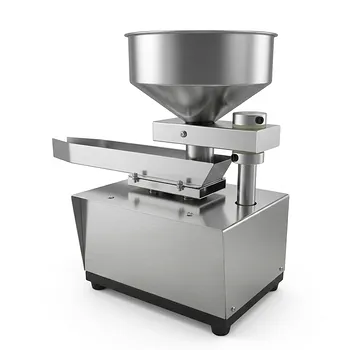
Automatic Vibrating Powder Feeder for Laboratory Material Processing Precision Vibratory Hopper Feeder for Granular and Powder Material Handling Industrial Grade Vibrating Tray Feeder for Consistent Material Sample Preparation
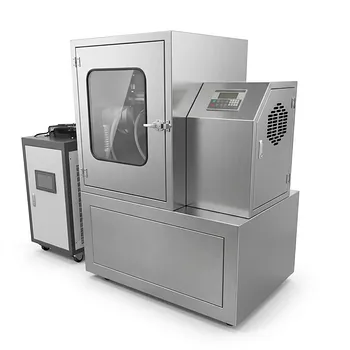
Vibratory Superfine Grinder for Ultra Fine Laboratory Powder Milling
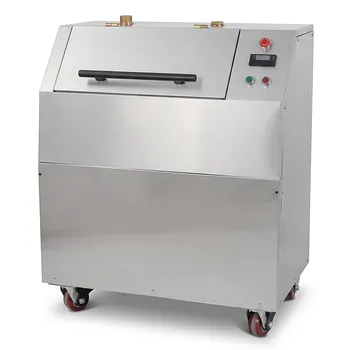
Vibratory Disc Mill for Rapid Fine Grinding and High Throughput Sample Preparation of Hard and Brittle Materials