How do vibratory sieve shakers and standard test sieves determine red algae fiber size? Optimize Your Biocomposites
Updated 4 months ago
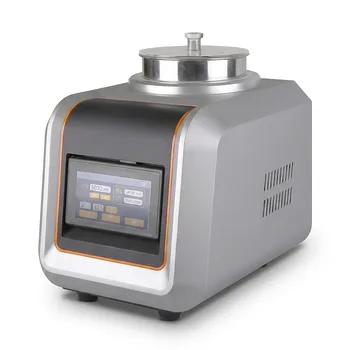
Vibratory sieve shakers and standard test sieves provide a mechanical method for the precise classification of crushed red algae fiber. By utilizing controlled, high-frequency vibrations, these tools force algae particles through a series of mesh screens with decreasing aperture sizes, such as 0.425mm or 1.18mm. This process isolates specific size fractions, allowing researchers to quantify the fiber distribution necessary for creating stable biocomposites and ensuring consistent experimental results.
The combination of vibratory shakers and standardized sieves transforms raw crushed algae into a graded industrial material. This mechanical separation is the critical prerequisite for controlling the physical properties and mechanical strength of algae-based products.
The Mechanics of Fiber Separation
Standardized Mechanical Force
Vibratory sieve shakers utilize high-frequency horizontal or vertical vibrations to move material across the sieve surface. This standardized force ensures that every particle has multiple opportunities to pass through the mesh openings during a fixed duration.
The Stacked Sieve Hierarchy
Technicians arrange standard test sieves in a "stack," with the largest apertures at the top and the smallest at the bottom. This configuration allows for the simultaneous separation of red algae powder into multiple size intervals in a single operation.
Precision Mesh Apertures
Standard test sieves provide precision-engineered openings ranging from 2.00 mm down to 63 micrometers. Using specific sizes like 0.425mm allows for the target classification of "effective fiber," which is essential for uniform material blending.
Impact on Material Performance
Stability of Biocomposites
Ensuring a uniform particle size is essential for controlling the stability of the physical properties of biocomposites. When red algae fibers are graded precisely, the resulting composite material maintains consistent density and structural integrity.
Predictable Mechanical Properties
Precise grading is a prerequisite for studying how particle size affects tensile, flexural, and impact strength. By isolating specific fiber sizes, researchers can isolate variables and ensure that mechanical failures are not caused by non-uniform clusters or "weak spots" in the material.
Reproducibility of Experimental Data
The use of standardized equipment removes the "human element" from particle analysis. This consistency allows different laboratories to achieve identical results when testing the same red algae samples, which is vital for scaling production.
Quantitative Data and Analysis
Calculating Average Particle Size
By weighing the mass of red algae retained on each sieve, technicians can calculate the weighted average particle size. This data is fundamental for correlation analysis, such as determining how fiber size influences fermentation performance or chemical reactivity.
Determining Distribution Width (P10-P90)
Sieving allows for the evaluation of the particle size distribution width, often referred to as P10 through P90. A narrow distribution indicates high uniformity, which is often preferred for high-performance industrial applications.
Geldart Classification and ROI
In specialized applications, such as using algae or sediments in air injection systems, sieve data helps determine the Geldart classification. This determines how particles behave when fluidized, which is a critical physical parameter for system design.
Understanding the Trade-offs
The Risk of Mesh Blinding
Fibrous materials like red algae can sometimes "blind" or clog the sieve mesh, especially at smaller apertures. This can lead to inaccurate data where fine particles remain trapped on a coarse screen.
Material Degradation
Excessive vibration time or intensity can physically degrade fragile algae fibers. If the mechanical force is too high, the sieving process itself may break the particles, resulting in a recorded size that is smaller than the actual raw material.
Moisture Sensitivity
Red algae is hygroscopic and can clump if moisture is present. For accurate vibratory sieving, samples must be properly dried; otherwise, particles will adhere to one another and fail to pass through the appropriate mesh levels.
How to Apply This to Your Project
Recommendations for Implementation
- If your primary focus is mechanical strength: Use a narrow stack of sieves around the 0.40mm to 0.60mm range to ensure fiber uniformity, which prevents stress concentrations in the final composite.
- If your primary focus is experimental reproducibility: Establish a strict standardized vibration duration (typically 10 to 15 minutes) and amplitude to ensure that data is comparable across different batches.
- If your primary focus is industrial scaling: Prioritize the calculation of the weighted average particle size to ensure the raw material meets the specific requirements of large-scale processing equipment.
By mastering the calibration of vibratory shakers and the selection of precision sieves, you ensure that red algae fiber becomes a predictable, high-performance component in advanced material science.
Summary Table:
| Component | Role in Particle Analysis | Key Benefit for Red Algae |
|---|---|---|
| Vibratory Shaker | Provides standardized high-frequency mechanical force. | Ensures reproducibility and removes human error. |
| Stacked Sieves | Hierarchical arrangement from coarse to fine mesh. | Simultaneous separation into multiple size fractions. |
| Precision Mesh | Engineered apertures (e.g., 0.425mm to 1.18mm). | Isolates "effective fiber" for uniform blending. |
| Data Analysis | Mass retention and P10-P90 distribution calculations. | Predicts mechanical strength and structural integrity. |
Elevate Your Material Research with [Brand Name]
At [Brand Name], we specialize in providing complete laboratory sample preparation solutions for material science, ensuring your red algae fiber research achieves maximum precision. From initial processing to final compaction, our expertise helps you maintain consistent density and structural integrity in every sample.
Our extensive product line supports your entire workflow:
- Sample Preparation: Jaw/roll crushers and liquid nitrogen cryogenic grinders for fine material reduction.
- Particle Analysis: Vibratory and air-jet sieve shakers equipped with precision test sieves for accurate size classification.
- Mixing & Homogenization: Advanced powder and defoaming mixers for uniform material blending.
- High-Pressure Compaction: A full spectrum of hydraulic presses, including Cold/Warm Isostatic Presses (CIP/WIP), XRF pellet presses, and vacuum hot presses.
Don't let non-uniform particles compromise your biocomposite performance. Partner with us to optimize your experimental reproducibility and scale your production with confidence.
Contact our technical experts today to find the perfect lab solution!
References
- Farah Nurasyikin Md Rosdi, Siti Noorbaini Sarmin. Potential Red Algae Fibre Waste as a Raw Material for Biocomposite. DOI: 10.37934/araset.30.1.303310
Mentioned Products
- Vibratory Sieve Shaker Electromagnetic 3D Motion Powder Particle Size Analyzer for Dry and Wet Sieving
- Laboratory Dry and Wet Three Dimensional Vibratory Sieve Shaker for Particle Analysis
- Stainless Steel Laboratory Vibratory Test Sieve Shaker
- Heavy Duty Dry Three Dimensional Vibratory Sieve Shaker for Particle Separation
- Dry Three Dimensional Vibratory Sieve Shaker
People Also Ask
- How does a vibratory sieve shaker contribute to optimizing the performance of activated carbon? Enhance Adsorption Precision
- Why is a laboratory vibratory sieve shaker necessary for processing magnesium-based borate precursor powders? Boost Activity
- Why use a vibratory sieve shaker to verify coarse aggregate grading in rubberized concrete? Ensure Structural Integrity
- What function do vibratory sieve shakers and standard test sieves serve in the preparation of adsorbents? Key Guide
- What role does a vibratory sieve shaker play in the particle size analysis of ground corn products? Enhance QC Precision

Tech Team · PowderPreparation
Last updated on Jun 03, 2026
Related Products
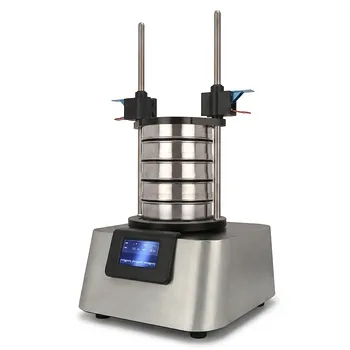
Vibratory Sieve Shaker Electromagnetic 3D Motion Powder Particle Size Analyzer for Dry and Wet Sieving
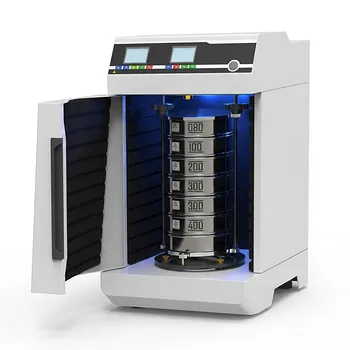
Laboratory Dry and Wet Three Dimensional Vibratory Sieve Shaker for Particle Analysis
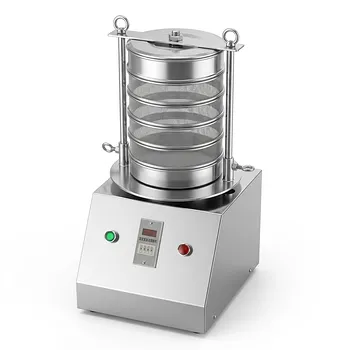
Stainless Steel Laboratory Vibratory Test Sieve Shaker
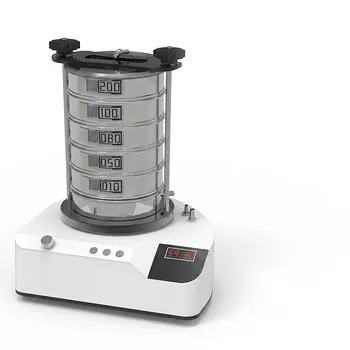
Heavy Duty Dry Three Dimensional Vibratory Sieve Shaker for Particle Separation
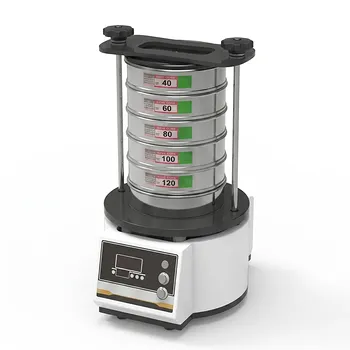
Dry Three Dimensional Vibratory Sieve Shaker
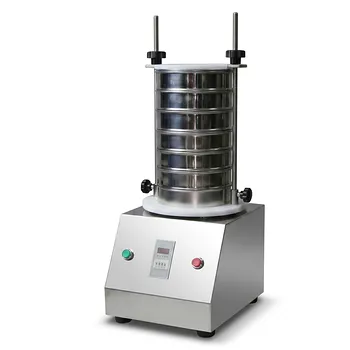
Small Laboratory Vibratory Sieve Shaker for Powder Gradation and Particle Size Analysis
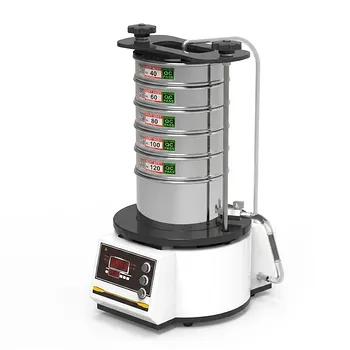
High Frequency Wet Three-Dimensional Vibrating Sieve Shaker for Dry and Wet Particle Size Analysis
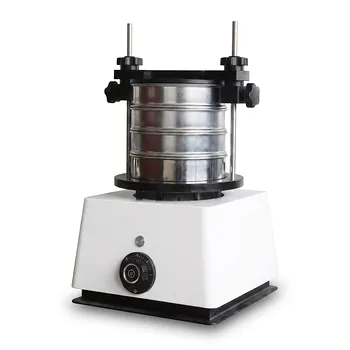
Small Laboratory Vibrating Sieve Shaker for Precise Particle Size Analysis
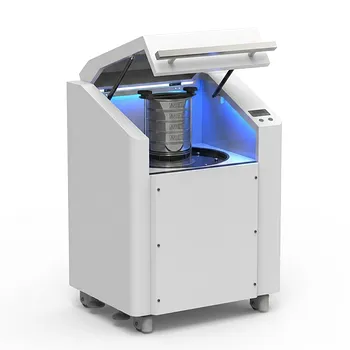
High Frequency Cabinet Type Three-Dimensional Rotary Vibrating Sieve Shaker for Dry Sieving and Particle Classification
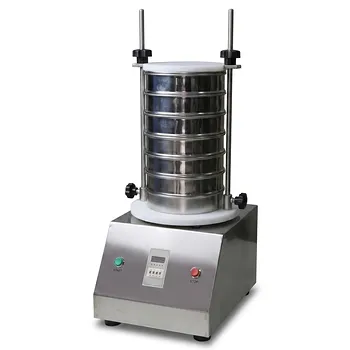
Laboratory Vibratory Test Sieve Shaker for Precision Particle Size Analysis and Powder Grading
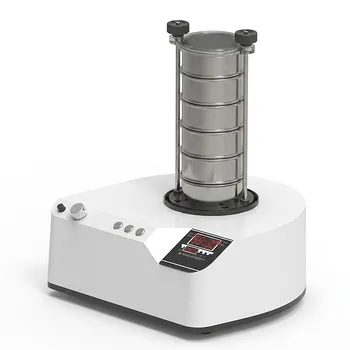
三维电磁微量振动筛分仪
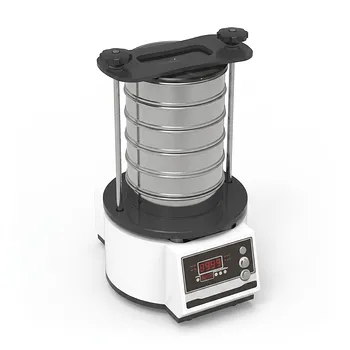
Tapping Oscillating Sieve Shaker for Dry and Wet Particle Size Analysis
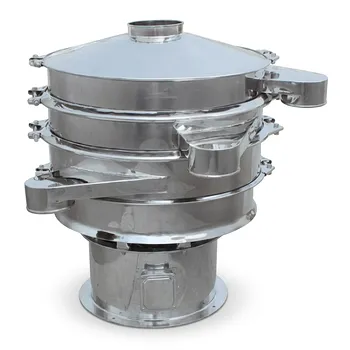
Stainless Steel Rotary Vibrating Sieve High Precision Circular Vibratory Separator Industrial Powder Grading Machine Multi Layer Sifting Equipment
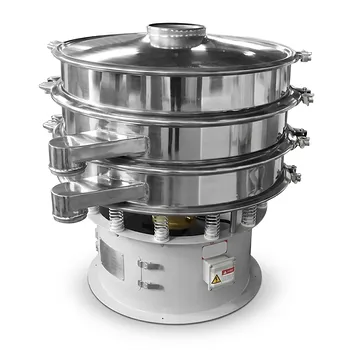
Three Dimensional Rotary Vibrating Sieve
Small Vibrating Ultrafine Grinder for Traditional Chinese Medicine
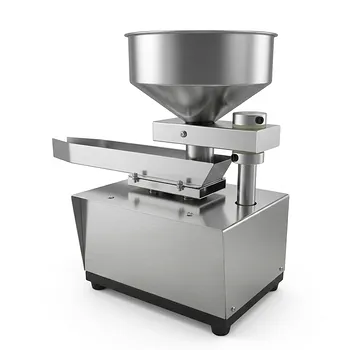
Automatic Vibrating Powder Feeder for Laboratory Material Processing Precision Vibratory Hopper Feeder for Granular and Powder Material Handling Industrial Grade Vibrating Tray Feeder for Consistent Material Sample Preparation
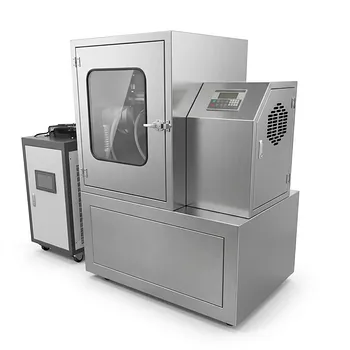
Vibratory Superfine Grinder for Ultra Fine Laboratory Powder Milling
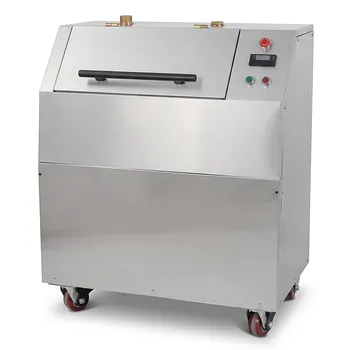
Vibratory Disc Mill for Rapid Fine Grinding and High Throughput Sample Preparation of Hard and Brittle Materials