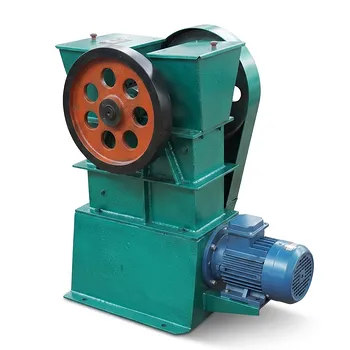
How do precision laboratory presses ensure the accuracy of physical property tests for mineral pellets? Improve Data Integrity.
Updated 5 months ago
Precision laboratory presses ensure testing accuracy by standardizing the physical state of mineral samples, specifically their density, geometry, and surface morphology. By applying controlled, high-magnitude hydraulic pressure through precision-engineered molds, these devices eliminate the structural variables that would otherwise skew comparative data. This process creates a uniform baseline, allowing researchers to isolate the actual material properties of the mineral rather than measuring inconsistencies in sample preparation.
Core Takeaway: The accuracy of physical property tests depends on the press’s ability to eliminate internal pores and density gradients, ensuring that every pellet is a geometric and structural twin of the next.
Eliminating Geometric and Density Variables
Standardization of Sample Geometry
Precision presses utilize standardized molds to compact mineral powders into uniform cylindrical pellets, often with specific diameters like 12.92 mm. This precise control over dimensions ensures that the volume and surface area are constant across all samples. Without this uniformity, measurements of sintering shrinkage or water absorption would be mathematically incomparable.
Consistency in Initial Bulk Density
By applying a consistent compaction load, typically ranging from 50 to 200 kN, the press ensures that each specimen begins the testing phase with the same initial density. This eliminates density gradients that could cause localized failures during strength testing. A standardized density provides a scientific baseline for evaluating apparent porosity and bulk density.
Enhancing Analytical Precision
Minimizing Internal Structural Defects
High-pressure application (often reaching several tons) effectively forces out air and eliminates internal pores within the mineral powder. In applications like phosphorus speciation, this uniformity ensures a consistent path for X-ray beam penetration. This reduction in internal voids is critical for the repeatability of quantitative analysis.
Optimizing Surface Characteristics
A precision hydraulic press creates pellets with an extremely flat, smooth surface. This flatness is vital for chemical element concentration analysis, as it eliminates surface roughness that could interfere with X-ray reflection. A smooth surface ensures that the interaction between the analytical beam and the sample is purely a function of the material’s chemistry.
Simulating Industrial Realities
Replicating Large-Scale Briquetting
Laboratory presses allow researchers to simulate various industrial briquetting conditions by adjusting compaction pressures. This simulation helps in understanding the bonding forces between powder particles under specific loads. By mimicking the factory floor in a controlled environment, labs can predict how minerals will behave in mass production.
Balancing Strength and Energy Consumption
Precise pressure control allows for the determination of the optimal pressure parameters required for pellet integrity. Researchers can identify the minimum pressure needed to achieve required strength, which directly informs ways to reduce production energy consumption. This data-driven approach ensures that industrial processes are both accurate and cost-effective.
Understanding the Trade-offs and Limitations
The Risk of Over-Compaction
While high pressure is necessary for stability, excessive force can lead to particle crushing or "capping," where the pellet deforms upon release from the mold. This structural failure invalidates physical property tests, as the sample no longer represents the natural behavior of the mineral.
Sensitivity to Binder Ratios
The accuracy of the press is often dependent on the homogeneity of the mixture, particularly when binders are used. If the binder is not distributed evenly, even the most precise hydraulic press cannot prevent localized weak spots. This highlights that sample preparation prior to pressing is as critical as the pressing process itself.
How to Apply This to Your Mineral Testing
Making the Right Choice for Your Goal
- If your primary focus is Chemical/X-ray Analysis: Prioritize a press that guarantees surface flatness and the elimination of internal thickness variations to ensure beam consistency.
- If your primary focus is Mechanical Strength Testing: Select a press with a wide, adjustable load range (e.g., 50–200 kN) to precisely simulate and optimize industrial compaction forces.
- If your primary focus is Comparative Material Research: Ensure you use standardized molds (such as the 12.92 mm standard) to maintain strict geometric consistency across all sample batches.
By mastering the precise control of pressure and geometry, laboratory presses transform raw mineral powders into standardized scientific specimens capable of yielding high-integrity data.
Summary Table:
| Feature | Impact on Testing | Primary Benefit |
|---|---|---|
| Geometric Standardization | Uniform volume and surface area | Accurate sintering and water absorption metrics |
| Density Consistency | Eliminates internal gradients | Reliable mechanical and structural strength data |
| Pore Elimination | Removes internal voids and defects | High precision for X-ray beam penetration |
| Surface Optimization | Creates extremely flat, smooth surfaces | Minimized interference for chemical concentration analysis |
| Pressure Control | Replicates industrial briquetting | Optimized energy consumption and bonding force data |
Elevate Your Material Research with Precision Sample Preparation
Achieving high-integrity data starts with flawless sample preparation. At KINTEK, we provide complete laboratory sample preparation solutions for material science, specializing in high-performance powder processing and compaction equipment.
Whether you are focusing on chemical analysis or mechanical strength, our extensive range ensures your mineral pellets meet the strictest scientific standards. Our product line includes:
- Size Reduction: Jaw/roll crushers and advanced mills (planetary ball, jet, sand/bead, disc, rotor).
- Sieving & Mixing: Vibratory/air-jet sieve shakers and high-efficiency powder/defoaming mixers.
- Precision Pressing: A full spectrum of hydraulic presses, including XRF pellet presses, Cold/Warm Isostatic Presses (CIP/WIP), and vacuum hot presses.
Partner with KINTEK to eliminate variables and standardize your testing workflow. Contact our specialists today to find the perfect solution for your laboratory’s unique requirements!
References
- Ivyleen Bernardo-Arugay, Raymond V. Rivera Virtudazo. Evaluation of Linamon Red Clay, Salvador Black Cinder and Kapatagan Diatomaceous Earth of the Southern Philippines. DOI: 10.3390/min13020252
Mentioned Products
- Laboratory Disc Mill for Ore and Mineral Sample Preparation
- 6-Ton Small Single-Punch Tablet Press — Laboratory Powder & Granule Tableting Equipment / Tablet Forming Machine
- Sealed Laboratory Double Roll Crusher for Coal, Mineral, Ore Sample Preparation
- Laboratory Hammer Mill for Coal Quality Analysis and Brittle Mineral Grinding
- Laboratory Sealed Hammer Crusher for Coal and Mineral Sample Preparation
People Also Ask
- What is the primary function of a laboratory disc mill for oyster shells? Boost Reactivity & Analytical Precision
- What is the purpose of using a laboratory mill to grind dried precipitates? Optimize TiO2/AuNRs Catalyst Homogeneity
- What is the function of a laboratory mill in Cassia tora L. seed analysis? Master Precision Thermal Data Prep.
- What role does a laboratory mill play in the study of lignite coal co-combustion? Optimizing Fuel Blends and Reactivity
- What function does a laboratory mill serve in corn starch saccharification experiments? Optimize Surface Area & Reactions

Tech Team · PowderPreparation
Last updated on May 14, 2026
Related Products
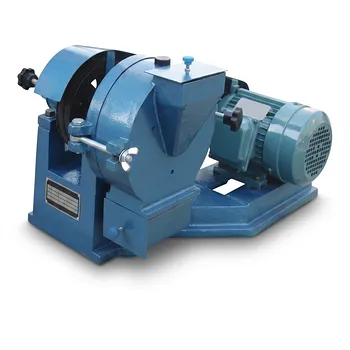
Laboratory Disc Mill for Ore and Mineral Sample Preparation
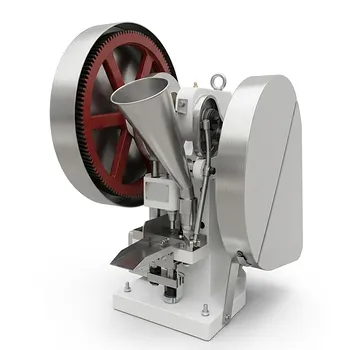
6-Ton Small Single-Punch Tablet Press — Laboratory Powder & Granule Tableting Equipment / Tablet Forming Machine
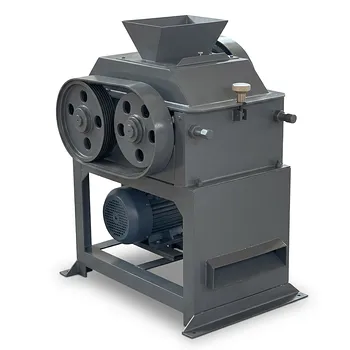
Sealed Laboratory Double Roll Crusher for Coal, Mineral, Ore Sample Preparation
Laboratory Hammer Mill for Coal Quality Analysis and Brittle Mineral Grinding
Laboratory Sealed Hammer Crusher for Coal and Mineral Sample Preparation
5 Ton Single Punch Tablet Press Laboratory Small Batch Production
High Speed Small Laboratory Crusher for Dry Material Sample Preparation
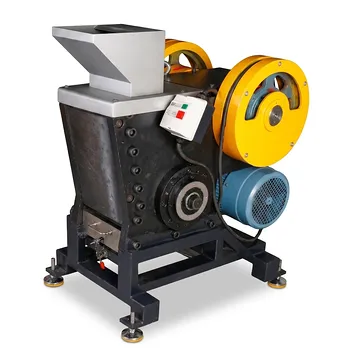
Heavy Duty Industrial Jaw Crusher for Primary Ore Crushing and High Capacity Mineral Material Size Reduction
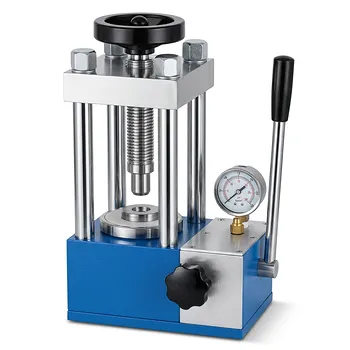
Manual Tablet Press with Dual Scale Pressure Gauge for Pharmaceutical Food Chemical Laboratory Sample Preparation
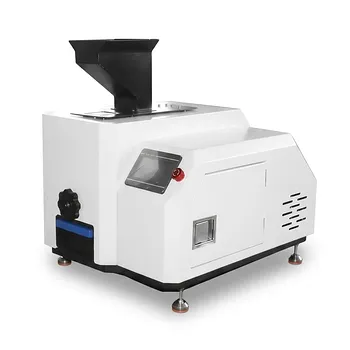
Laboratory Jaw Crusher 2025 Model for Ore and Brittle Material Crushing
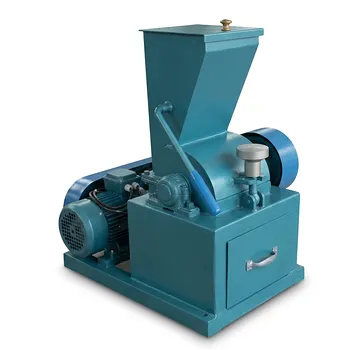
Small Hammer Crusher for Brittle Material Crushing in Mining Metallurgy and Lab Sample Preparation
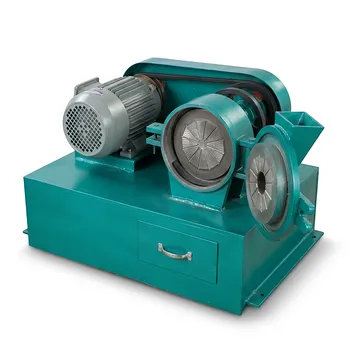
Laboratory Disc Pulverizer for Coal Coke Ore and Medium Hard Materials Sample Preparation
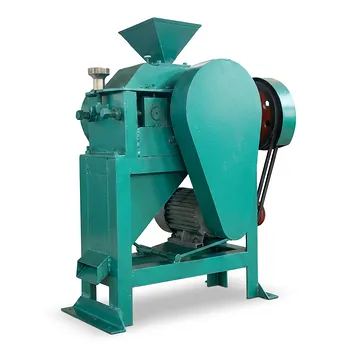
Laboratory Sealed Double Roll Crusher for Coal Ore Rock and Medium Hardness Materials Sample Preparation
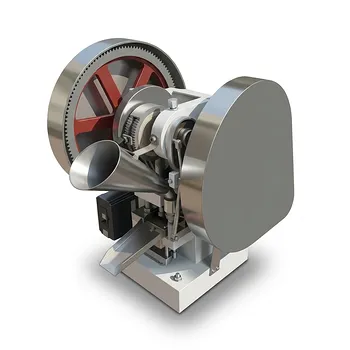
6 Ton Variable Frequency Single Punch Tablet Press
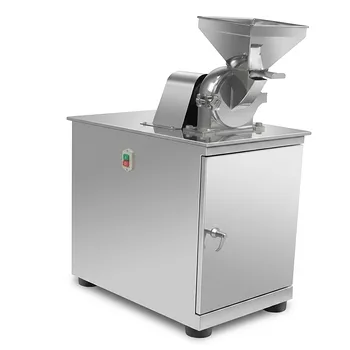
Universal Laboratory Pulverizer Grinder for Small Batch Powder Processing and Material Science Research
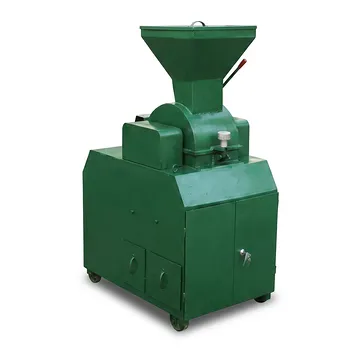
Industrial Sealed Hammer Knife Crusher for Mining Ore and Coal Sample Preparation
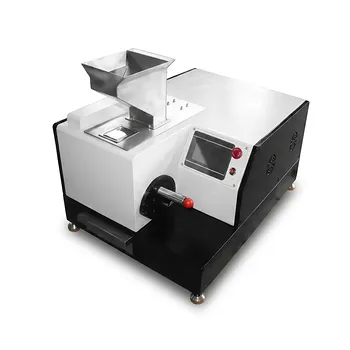
Experimental Jaw Crusher for Laboratory Ore Crushing and Sample Preparation
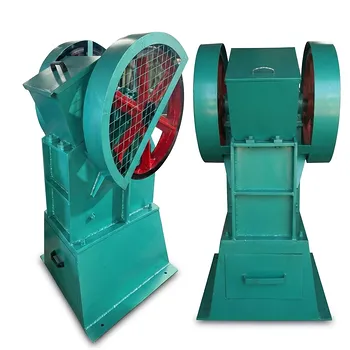
Sealed Jaw Crusher for Laboratory Material Crushing and Sample Preparation
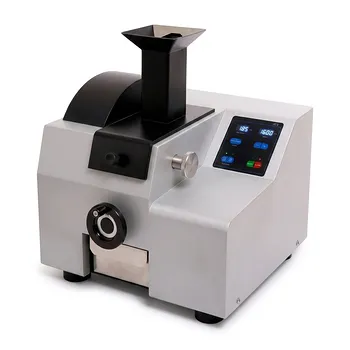
Laboratory Benchtop Jaw Crusher for Hard Brittle Materials Primary Size Reduction and Sample Preparation