Why are grinding consumables made of zirconia used for high-purity chemical samples? Ensure Pure Sample Prep & Efficiency
Updated 4 months ago
Grinding consumables made of zirconia are used for high-purity chemical samples because they provide an unparalleled combination of extreme hardness, high density, and chemical inertness. These properties minimize mechanical wear and prevent cross-contamination during the intensive milling process. By utilizing specialized zirconia jars and media, researchers ensure that the resulting sample composition remains strictly consistent with its theoretical design, meeting the rigorous demands of advanced material science.
The core advantage of zirconia in sample preparation lies in its ability to withstand high-energy impacts without shedding debris or reacting with the sample. This material integrity is essential for maintaining the chemical purity and structural characteristics required for high-precision research and manufacturing.
Minimizing Contamination through Material Integrity
Exceptional Wear Resistance
High-purity zirconia components exhibit an extremely low wear rate even under prolonged high-energy ball milling. This prevents the introduction of metallic or silicate impurities that often shed from standard grinding media like stainless steel or glass.
Chemical Inertness and Stability
Zirconia is chemically stable and does not interfere with the chemical reactions occurring within the grinding jar. This is particularly critical in mechanochemical grinding, where the media must remain passive while precursors react to form new compounds.
The Homogeneous Grinding Principle
In many applications, researchers use grinding media of the same material as the sample being processed (e.g., using zirconia balls to grind zirconia-based ceramics). This "like-grinds-like" approach ensures that any negligible wear that does occur does not introduce foreign chemical elements into the final product.
Enhancing Milling Efficiency and Energy Transfer
High Hardness and Crushing Energy
Zirconia possesses a high hardness—measured at approximately 12.663 Hv for certain cubic phases—which allows it to crush hard materials efficiently. This high hardness ensures that the media provides sufficient impact energy to reach target particle sizes without deforming.
The Impact of High Density
The high density of zirconia media allows for more efficient energy transfer during the milling process. This density reduces the total time required to reach the desired fineness, which inherently limits the duration of potential exposure to environmental contaminants.
Protecting Material Properties
In the production of electronic or structural ceramics, even trace amounts of impurities can cause abnormal grain growth or degrade electrical properties. Using zirconia media preserves the material's impedance characteristics and proton conductivity by maintaining a pristine environment.
Understanding the Trade-offs
Cost and Resource Allocation
Zirconia grinding consumables are significantly more expensive than alumina or hardened steel alternatives. Organizations must determine if the sensitivity of their analysis justifies the higher capital investment required for these specialized materials.
Thermal Sensitivity
While zirconia is incredibly durable, it can be sensitive to thermal shock if subjected to rapid temperature fluctuations. High-speed milling can generate significant heat, so cooling intervals or liquid-assisted grinding may be necessary to protect the structural integrity of the jars.
Media Selection Complexity
Choosing the wrong grade of zirconia can lead to unexpected results, as different stabilizers (like Yttria or Magnesia) can introduce trace elements. Experts must ensure the stabilizing agent in the zirconia does not interfere with the specific chemical analysis being performed.
Making the Right Choice for Your Goal
- If your primary focus is electronic or structural ceramics: Use high-purity zirconia to prevent trace impurities that could lead to abnormal grain growth or degraded electrical performance.
- If your primary focus is rapid particle size reduction: Leverage high-density zirconia media to maximize mechanical energy and minimize the time your sample is subjected to the milling environment.
- If your primary focus is zirconia-based composite research: Apply the homogeneous grinding principle by using zirconia media to ensure that any media wear remains chemically identical to the sample.
By carefully selecting zirconia consumables, you ensure that your research is defined by the purity of your sample rather than the limitations of your equipment.
Summary Table:
| Key Feature | Benefit for High-Purity Samples |
|---|---|
| Extreme Hardness | Efficiently crushes hard materials with minimal mechanical wear. |
| High Density | Delivers superior impact energy, reducing milling time and exposure. |
| Chemical Inertness | Prevents unwanted reactions or contamination during mechanochemistry. |
| Low Wear Rate | Maintains sample integrity by preventing debris from entering the mix. |
| Thermal Stability | Withstands high-energy milling environments (with proper cooling). |
Optimize Your High-Purity Material Preparation
Don't let equipment-induced contamination compromise your research results. [Your Brand Name] provides complete laboratory sample preparation solutions tailored for material science. We specialize in advanced powder processing and compaction equipment to ensure your samples meet the most rigorous purity standards.
Our extensive product lines include:
- Milling & Grinding: High-purity planetary ball mills, jet mills, and specialized zirconia grinding media.
- Crushing & Sizing: Jaw/roll crushers, liquid nitrogen cryogenic grinders, and air-jet sieve shakers.
- Pressing & Compaction: A full spectrum of hydraulic presses, including Cold/Warm Isostatic Presses (CIP/WIP), vacuum hot presses, and XRF pellet presses.
- Mixing: High-efficiency powder mixers and defoaming mixers for perfect homogeneity.
Whether you are developing advanced electronic ceramics or structural composites, our equipment is designed to preserve the chemical and structural integrity of your materials. Contact our technical experts today to discuss your specific application and find the ideal solution for your laboratory!
References
- Albin Conde Reis, Mohammadhosein Safari. Revisiting the Importance of Sulfur Electrode‐Current‐Collector Interface in Lithium‐Sulfur Batteries. DOI: 10.1002/batt.202300286
Mentioned Products
- Small High-Speed Grinder for Efficient Laboratory Sample Preparation
- Small Ceramic Structure Laboratory Sand Mill Nanoscale Grinding Dispersion Equipment Seal-less Screen-less Design
- Laboratory Disc Mill for Ore and Mineral Sample Preparation
- Nano Laboratory Bead Mill Desktop Sub Micron Sand Mill Screenless Seal Less Powder Grinder
- Small High-Speed Laboratory Grinder for Rapid Sample Preparation
People Also Ask
- What role does a laboratory grinder play in the pretreatment of sunflower seed shell-based adsorbents? Boost Efficiency.
- How does a laboratory grinder or mill enhance the adsorption performance of agricultural waste materials? Boost Surface Area
- How does high-speed grinding equipment facilitate the preparation of lignin binders? Optimize Powder for Stronger Bonds
- What is the primary role of grinding equipment in BLA preparation? Enhance Reactivity & Material Uniformity
- How does laboratory grinding or pulverizing equipment influence eggshell-derived adsorbents? Maximize Surface Area.

Tech Team · PowderPreparation
Last updated on May 14, 2026
Related Products
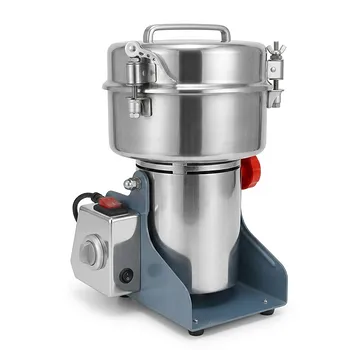
Small High-Speed Grinder for Efficient Laboratory Sample Preparation
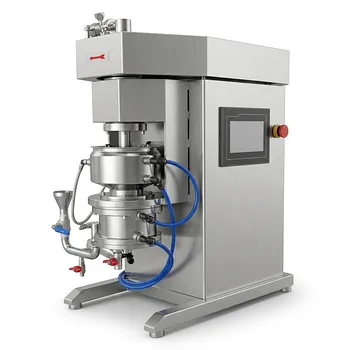
Small Ceramic Structure Laboratory Sand Mill Nanoscale Grinding Dispersion Equipment Seal-less Screen-less Design
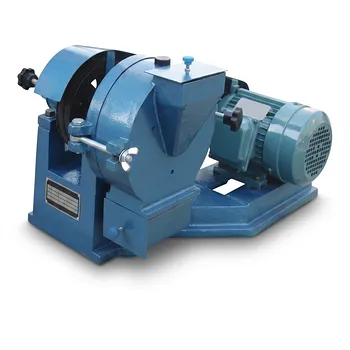
Laboratory Disc Mill for Ore and Mineral Sample Preparation
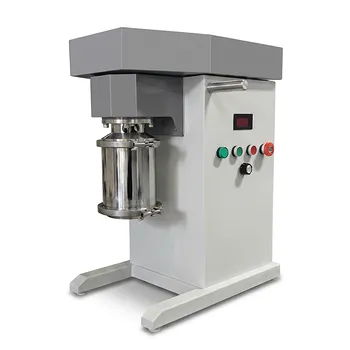
Nano Laboratory Bead Mill Desktop Sub Micron Sand Mill Screenless Seal Less Powder Grinder
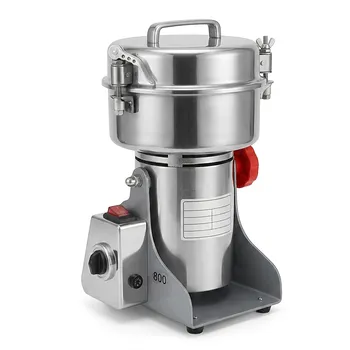
Small High-Speed Laboratory Grinder for Rapid Sample Preparation
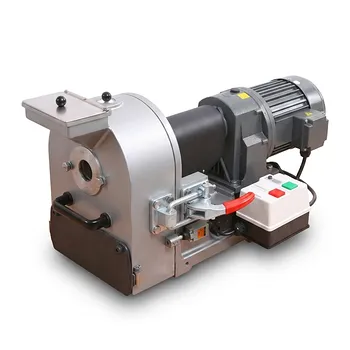
Laboratory Disc Mill for Fine Sample Preparation of Hard and Brittle Materials
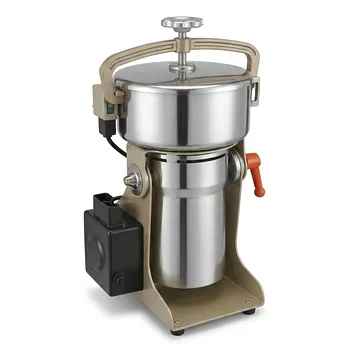
Multifunctional High Efficiency High Speed Laboratory Grinder
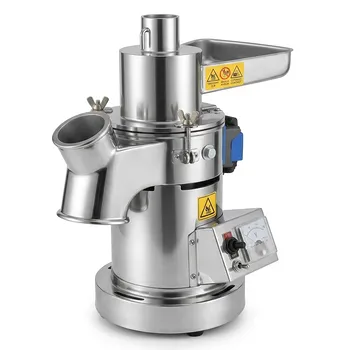
Continuous Feeding Grinder High Efficiency Pulverizer for Lab Sample Preparation
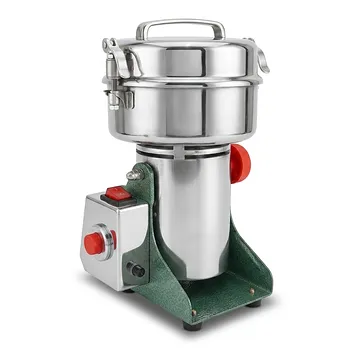
Small High-Speed Laboratory Grinder for Powder Processing
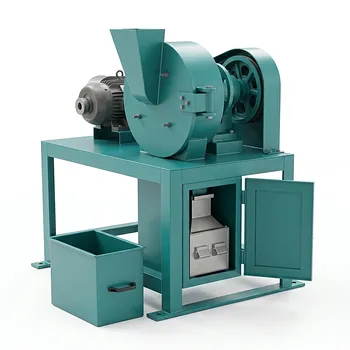
Sealed Disc Pulverizer Customized Model
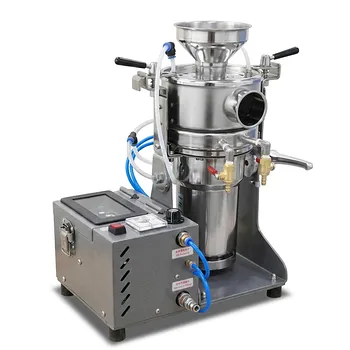
Water Cooled Pulse Jet Ultrafine Grinder
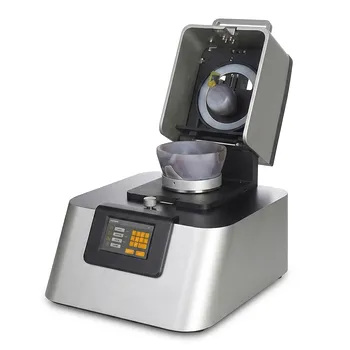
Laboratory Mortar Grinder for Sample Preparation and Cryogenic Powder Homogenization
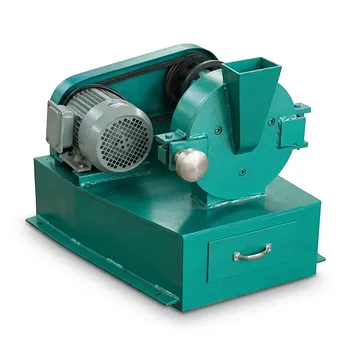
Medium Hardness Material Disc Pulverizer for Coal Ore Sample Preparation
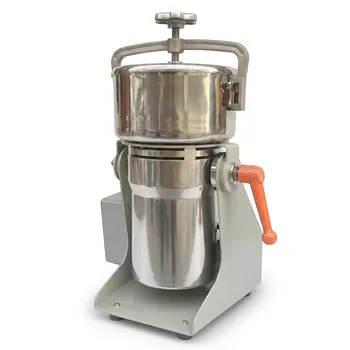
High Speed Laboratory Grinder Efficient Stainless Steel Powder Pulverizer Universal Material Science Mill for Sample Preparation
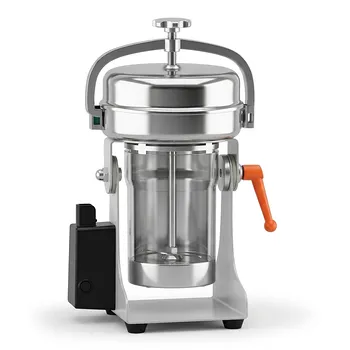
High Efficiency High Speed Grinder 2200W 25000 RPM Laboratory Sample Preparation
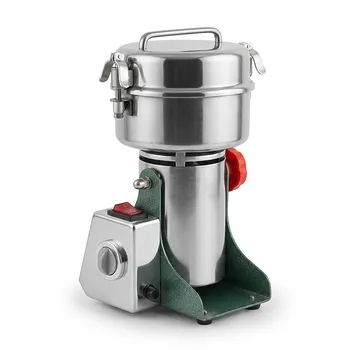
Small High-Speed Swing Grinder for Laboratory Sample Preparation
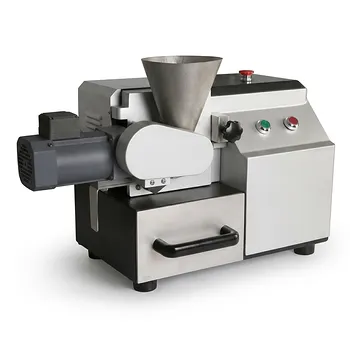
Laboratory Hammer Mill for Coal Quality Analysis and Brittle Mineral Grinding
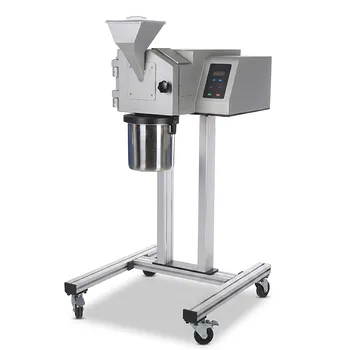
Cross Beater Mill for Brittle Material Grinding and Continuous Fine Crushing Industrial Sample Preparation
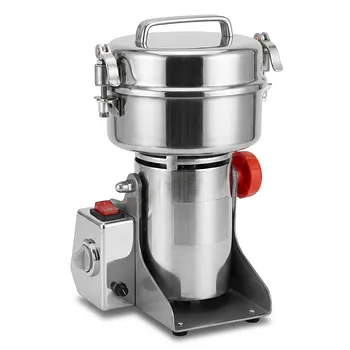
High Speed Laboratory Powder Grinder Small Batch Sample Preparation Mill