Why are tungsten carbide grinding jars and balls used in the ball milling process for Yttrium Borohydride synthesis? Maximize Purity
Updated 4 months ago
Tungsten carbide is the industry standard for Yttrium Borohydride synthesis because it provides the necessary kinetic energy for chemical conversion while maintaining extreme material purity. This material is chosen for its exceptional density and superior hardness, which are critical for driving the metathesis reactions required to produce high-quality borohydrides. By minimizing equipment wear, it ensures that the final product remains free from metallic contaminants like iron.
To synthesize Yttrium Borohydride effectively, the grinding media must be heavy enough to force a chemical reaction and hard enough to resist wearing down into the sample. Tungsten carbide fulfills both needs by maximizing impact kinetic energy and eliminating abrasion-based contamination.
Maximizing Kinetic Energy for Chemical Conversion
The Role of Material Density
Tungsten carbide is significantly denser than standard grinding materials like stainless steel or alumina. This high density means that for any given rotational speed, the grinding balls carry much higher kinetic energy during collisions.
Driving the Metathesis Reaction
The synthesis of Yttrium Borohydride often relies on a metathesis reaction, which requires intense physical force to break molecular bonds and reform them. The increased impact energy provided by tungsten carbide ensures this reaction reaches complete conversion, leaving no unreacted precursors in the final mixture.
Achieving Fine Particle Size
High-energy impacts do more than just facilitate chemical changes; they also break down particles into the nanocrystalline range. This results in a product with a high surface area, which is vital for the performance and reactivity of borohydrides in energy storage applications.
Preserving Sample Purity through Wear Resistance
Eliminating Metallic Impurities
Standard hardened steel tools are prone to flaking or "spalling" during high-energy milling, which introduces iron (Fe) contamination. Because Yttrium Borohydride is highly sensitive, even trace amounts of foreign metals can alter its thermodynamic stability and chemical properties.
Superior Hardness and Abrasion Resistance
Tungsten carbide’s extreme hardness allows it to withstand the intense friction and high-frequency collisions of planetary ball milling for extended periods. This resistance to wear ensures that the grinding jars and balls do not contribute heterogeneous impurities to the powder, maintaining a high-purity final product.
Chemical Compatibility
In many advanced material syntheses, using media that shares components with the target material is a safety net. While Yttrium Borohydride is unique, the chemical stability of tungsten carbide ensures it does not react with the borohydride precursors during the synthesis process.
Understanding the Trade-offs
High Initial Cost and Weight
Tungsten carbide is significantly more expensive than steel or ceramic alternatives, representing a higher upfront investment. Furthermore, its extreme weight requires robust milling equipment capable of handling the high torque and centrifugal forces generated by heavy jars.
The Cobalt Binder Factor
Most industrial tungsten carbide is actually a composite (WC-Co) that uses cobalt as a metallic binder. While wear is minimal, researchers must be aware that trace amounts of cobalt could theoretically be introduced if the milling intensity is high enough to abrade the binder phase.
Brittleness and Thermal Stress
Despite its hardness, tungsten carbide is relatively brittle and can be sensitive to rapid thermal shocks. Users must manage the heat generated during high-energy milling to prevent the jars from cracking under extreme internal pressure or temperature gradients.
How to Apply This to Your Project
Making the Right Choice for Your Goal
To achieve the best results in Yttrium Borohydride synthesis, your choice of milling parameters should align with your specific research or production requirements.
- If your primary focus is Maximum Chemical Purity: Utilize tungsten carbide media to prevent iron flaking, ensuring the final powder meets high-performance specifications.
- If your primary focus is Rapid Reaction Completion: Leverage the high density of tungsten carbide to maximize impact force, significantly reducing the total milling time required for metathesis.
- If your primary focus is Nanoscale Particle Refinement: Use smaller diameter tungsten carbide balls to increase the frequency of high-energy collisions, which facilitates finer grain sizes.
By prioritizing material density and hardness, tungsten carbide serves as the definitive solution for high-purity, high-energy mechanochemical synthesis.
Summary Table:
| Key Feature | Tungsten Carbide Advantage | Impact on Synthesis |
|---|---|---|
| High Density | Exceptional kinetic energy | Drives complete metathesis reactions |
| Superior Hardness | High wear resistance | Prevents iron (Fe) and metallic contamination |
| Energy Impact | High-force collisions | Achieves nanocrystalline particle sizes |
| Chemical Stability | Non-reactive nature | Preserves thermodynamic properties of sample |
Elevate Your Material Synthesis with Professional-Grade Equipment
To achieve successful Yttrium Borohydride synthesis, you need tools that deliver both extreme energy and uncompromising purity. We provide complete laboratory sample preparation solutions for material science, specializing in advanced powder processing and compaction equipment.
Our extensive product range includes:
- High-Energy Mills: Planetary ball mills, jet mills, and cryogenic grinders designed for tungsten carbide media.
- Powder Processing: Crushers, sieve shakers (vibratory/air-jet), and precision powder mixers.
- Advanced Pressing: A full spectrum of hydraulic presses, including Cold/Warm Isostatic Presses (CIP/WIP), hot presses, and vacuum hot presses for final material shaping.
Whether you are a researcher refining new energy storage materials or a distributor seeking reliable OEM/ODM support, we bring the expertise and equipment reliability you need.
Contact us today to optimize your lab's workflow!
References
- Konrad Burkmann, Florian Mertens. Calorimetric determination of the heat capacity function and absolute entropy of yttrium borohydride (Y(BH<sub>4</sub>)<sub>3</sub>) mechanochemically prepared. DOI: 10.1039/d4mr00124a
Mentioned Products
- High Energy Omnidirectional Planetary Ball Mill 16L
- Small High-Speed Laboratory Grinder for Rapid Sample Preparation
- Heating Temperature Controlled High Energy Vibratory Ball Mill
- Vertical Production Planetary Ball Mill for High Throughput Powder Processing
- High Energy Omnidirectional Planetary Ball Mill 20L
People Also Ask
- What role does an omni-directional planetary ball mill play in brass/cobalt antimonide pretreatment? Achieve Nano-Scale Homogeneity.
- What is the role of a high-energy planetary ball mill in Li2ZrO3 and LBS prep? Achieve Superior Electrolyte Density
- What role does a high-energy planetary ball mill play in processing quenched bioactive glass? Achieve Nano-Scale Precision
- What role does a planetary ball mill play in nano-mineral filler prep? Achieve Sub-100nm Precision & Performance
- What role does a high-energy planetary ball mill play in magnesium-based hydrogen storage alloy preparation?

Tech Team · PowderPreparation
Last updated on Jun 03, 2026
Related Products
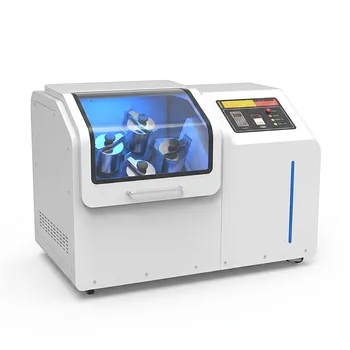
High Energy Omnidirectional Planetary Ball Mill 16L
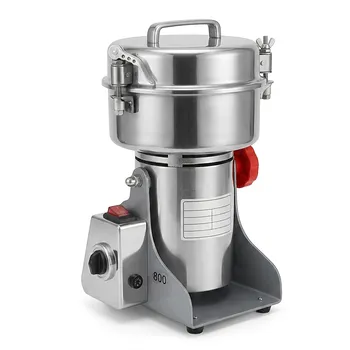
Small High-Speed Laboratory Grinder for Rapid Sample Preparation
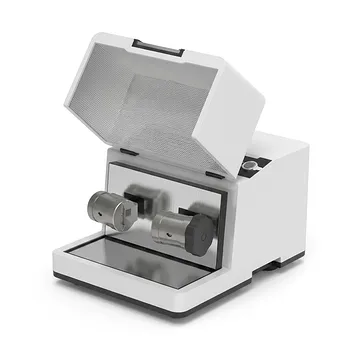
Heating Temperature Controlled High Energy Vibratory Ball Mill

Vertical Production Planetary Ball Mill for High Throughput Powder Processing
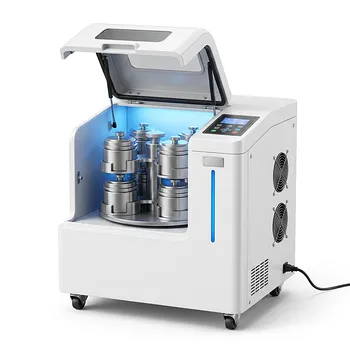
High Energy Omnidirectional Planetary Ball Mill 20L
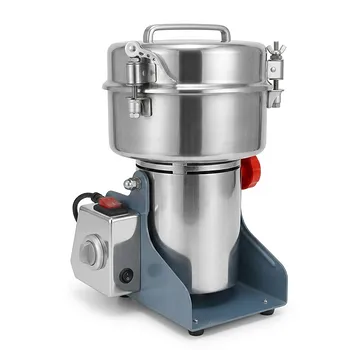
Small High-Speed Grinder for Efficient Laboratory Sample Preparation
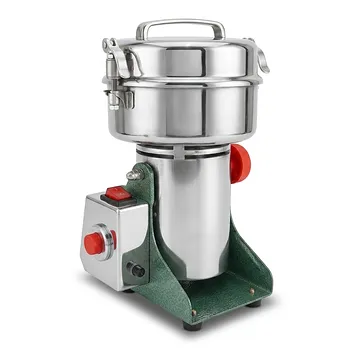
Small High-Speed Laboratory Grinder for Powder Processing
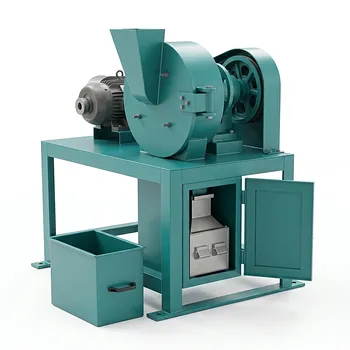
Sealed Disc Pulverizer Customized Model
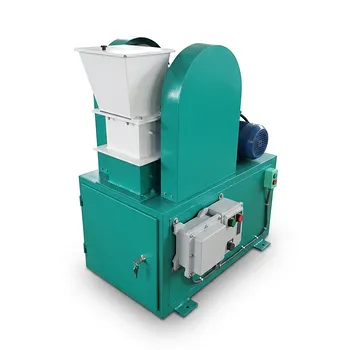
Custom Explosion-Proof Sealed Jaw Crusher for Laboratory and Industrial Sample Preparation
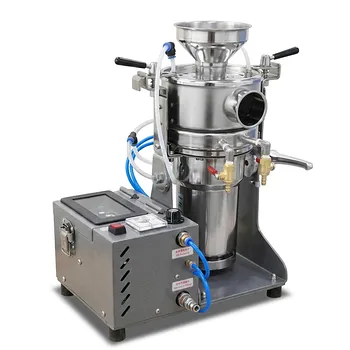
Water Cooled Pulse Jet Ultrafine Grinder
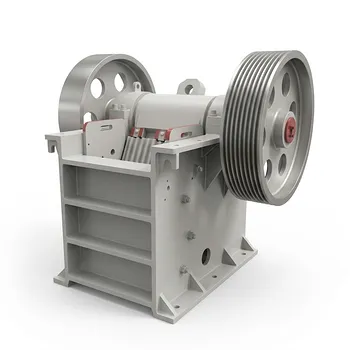
Jaw Crusher with 400x600mm Feed Opening for Primary Rock Crushing in Mining and Construction

High Energy Laboratory Planetary Ball Mill for Nano Grinding and Material Science Sample Preparation

Small High-Speed Swing Grinder for Laboratory Sample Preparation
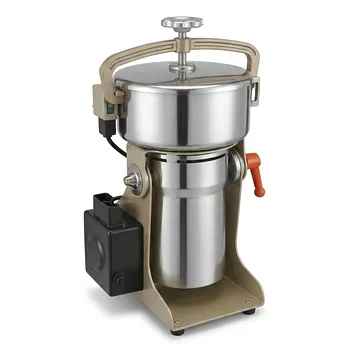
Multifunctional High Efficiency High Speed Laboratory Grinder
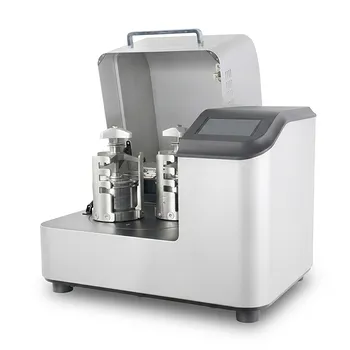
High Energy Planetary Ball Mill for Nano Scale Grinding and Mechanical Alloying
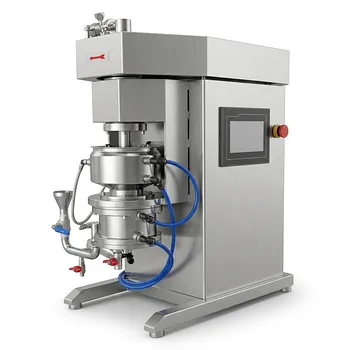
Small Ceramic Structure Laboratory Sand Mill Nanoscale Grinding Dispersion Equipment Seal-less Screen-less Design

Vertical Square Planetary Ball Mill for Laboratory Sample Preparation and Nanoscale Grinding
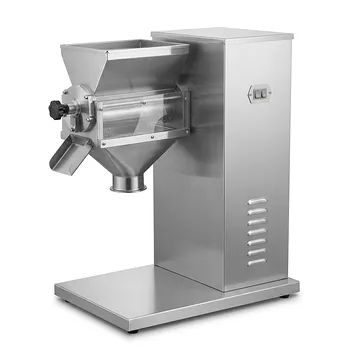
Small Swing Granulator Efficient Powder Granulation for Pharmaceutical Chemical Food Industries
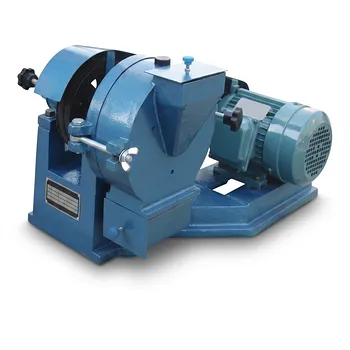
Laboratory Disc Mill for Ore and Mineral Sample Preparation