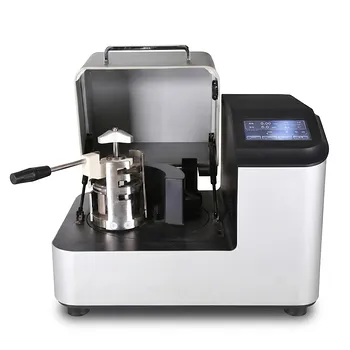
Why are agate grinding elements preferred when preparing plant powder samples through micronization? For Purity
Updated 4 months ago
Agate grinding elements are preferred for plant micronization because they provide a chemically inert, high-hardness environment that prevents metallic contamination. This ensures that the original elemental composition of the plant sample remains unchanged, allowing for precise trace element analysis and high-quality imaging.
Agate is the industry standard for plant sample preparation because its extreme hardness and chemical stability eliminate the risk of introducing exogenous metals like iron, chromium, and nickel into the biomass. By safeguarding the purity of the sample at the micron level, agate ensures that subsequent analytical results are accurate and representative of the source material.
The Superior Material Properties of Agate
High Hardness and Wear Resistance
Agate is a naturally occurring form of silica with a high Mohs hardness, making it significantly more durable than many traditional grinding materials. This hardness allows agate jars and balls to withstand the high-intensity mechanical stress required to break down tough plant fibers and cellular structures.
Because the material resists wear, it does not shed particles into the sample during the micronization process. This is particularly critical when working with high-purity powders where even microscopic debris from the grinding media could compromise the sample.
Exceptional Chemical Inertness
Agate is known for its chemical stability, meaning it does not react with the moisture, acids, or organic compounds found in plant tissues. This inertness ensures that no chemical reactions occur between the grinding media and the biomass during the friction-heavy pulverization process.
The material’s stability is a primary reason it is used for biomass ash and other reactive samples. It ensures that the chemical signature of the final powder is a 100% match to the raw input material.
Safeguarding Analytical Integrity
Elimination of Metallic Impurities
Standard metal grinding elements often introduce iron (Fe), chromium (Cr), nickel (Ni), and copper (Cu) into the sample. Agate serves as a non-metallic alternative that completely eliminates the introduction of these target elements.
This is vital for researchers performing trace element analysis or heavy metal detection. By using agate, analysts can be certain that any detected metals originated from the plant tissue itself, not the equipment.
Precision in Trace Element Detection
When using sensitive instruments like ICP-OES (Inductively Coupled Plasma Optical Emission Spectrometry), the presence of even trace amounts of exogenous metals can lead to false positives. Agate's purity prevents this "noise" from entering the data set.
Similarly, for X-ray diffraction (XRD), agate facilitates the creation of ultra-fine, uniform particle sizes (often below 10 microns). This uniformity is a prerequisite for high-quality diffraction patterns and accurate mineral phase identification.
Efficiency in the Micronization Process
Reducing Sample Adhesion
The surface of polished agate is extraordinarily smooth, which significantly reduces the adhesion of biomass powders to the grinding jars and balls. This ensures higher sample recovery rates, as less material is lost to the walls of the container.
Minimal adhesion also makes the equipment easier to clean between batches. This reduces the risk of cross-contamination when processing different types of plant species in the same laboratory environment.
Achieving Ultra-Fine Particle Sizes
Agate grinding elements are highly effective in micro-pulverizers, capable of refining samples to sub-10-micron levels through both dry and wet grinding. This level of refinement is necessary for creating homogenous mixtures and preparing samples for advanced spectroscopic analysis.
Understanding the Trade-offs
Physical Fragility and Impact Sensitivity
While agate is extremely hard, it is also brittle. It can chip or crack if subjected to sudden mechanical shocks, such as dropping a jar on a hard floor or using it with excessively large, hard rocks that exceed its impact rating.
Thermal Sensitivity
Agate can be sensitive to rapid temperature changes. Excessive heat buildup during prolonged, high-speed dry grinding can potentially cause stress fractures, so intermittent cooling or wet grinding is often recommended for long processing cycles.
How to Apply This to Your Project
Making the Right Choice for Your Goal
- If your primary focus is trace metal analysis (ICP-MS/ICP-OES): Use agate elements to ensure that metals like iron, manganese, and zinc are not artificially introduced into your sample.
- If your primary focus is high-quality XRD patterns: Utilize agate jars in a micronizing mill to achieve the sub-10-micron uniformity required for accurate mineral identification.
- If your primary focus is high-volume, low-cost processing: Consider if stainless steel is "good enough," as agate is a premium material that requires more careful handling and a higher initial investment.
Agate remains the definitive choice for professionals who cannot afford to compromise the elemental purity of their plant samples during the grinding process.
Summary Table:
| Feature | Property | Benefit for Plant Analysis |
|---|---|---|
| Material Purity | Non-metallic (Silica) | Eliminates Fe, Cr, and Ni contamination |
| Hardness | High Mohs Rating | Resists wear during intense fiber grinding |
| Inertness | Chemically Stable | No reaction with moisture or organic acids |
| Surface | Polished & Smooth | High sample recovery and easy cleaning |
| Refinement | Micron-level Precision | Achieves <10µm uniformity for XRD/ICP-MS |
Achieve Unmatched Purity in Your Material Science Research
Don't let metallic contamination compromise your trace element analysis. We provide complete laboratory sample preparation solutions for material science, specializing in high-precision powder processing and compaction equipment.
Our extensive product lines are designed to safeguard your sample integrity:
- Advanced Milling: Planetary ball mills, jet mills, disc mills, and rotor mills perfect for agate media integration.
- Size Reduction: Jaw/roll crushers and liquid nitrogen cryogenic grinders for tough biomass.
- Classification & Mixing: Vibratory/air-jet sieve shakers, powder mixers, and defoaming mixers.
- Compaction Solutions: A full spectrum of hydraulic presses, including Cold/Warm Isostatic Presses (CIP/WIP), XRF pellet presses, and vacuum hot presses.
Whether you are performing high-quality XRD patterns or sensitive ICP-OES detection, our equipment ensures your results are accurate and representative.
Contact our experts today to discuss your specific micronization requirements and let us help you optimize your laboratory workflow!
References
- Erick K. Towett, B Lee Drake. Plant elemental composition and portable X‐ray fluorescence (pXRF) spectroscopy: quantification under different analytical parameters. DOI: 10.1002/xrs.2678
Mentioned Products
- Continuous Feeding Grinder High Efficiency Pulverizer for Lab Sample Preparation
- Small High-Speed Grinder for Efficient Laboratory Sample Preparation
- Small Ceramic Structure Laboratory Sand Mill Nanoscale Grinding Dispersion Equipment Seal-less Screen-less Design
- Laboratory Disc Mill for Ore and Mineral Sample Preparation
- Small High-Speed Laboratory Grinder for Rapid Sample Preparation
People Also Ask
- Why must soil samples be ground before XRD or XRF analysis? Ensure Precision & Homogeneity in Lab Results
- What is the function of a laboratory blender for mixed fuels? Achieving Microscopic Uniformity for Accurate Analysis
- What is the function of a laboratory pulverizer in Boerhavia diffusa-based adsorbent prep? Maximize Surface Area
- What are the technical advantages of using a high-speed laboratory pulverizer for grinding tablets into powders? 20K RPM
- What is the function of laboratory-scale pulverizing equipment in bio-adsorptive film prep? Maximize Surface Area

Tech Team · PowderPreparation
Last updated on Jun 03, 2026
Related Products
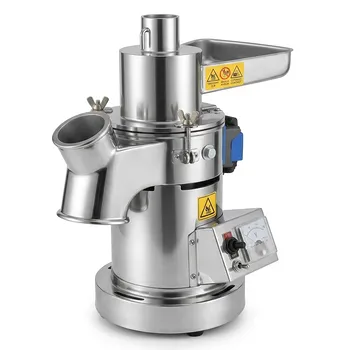
Continuous Feeding Grinder High Efficiency Pulverizer for Lab Sample Preparation
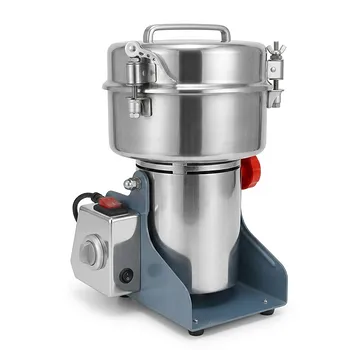
Small High-Speed Grinder for Efficient Laboratory Sample Preparation
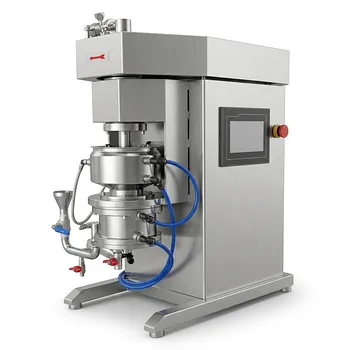
Small Ceramic Structure Laboratory Sand Mill Nanoscale Grinding Dispersion Equipment Seal-less Screen-less Design
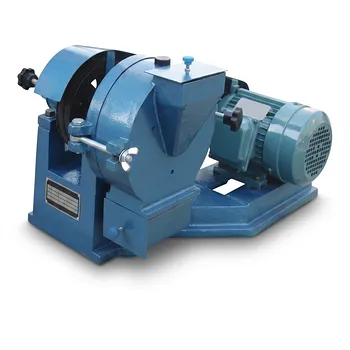
Laboratory Disc Mill for Ore and Mineral Sample Preparation
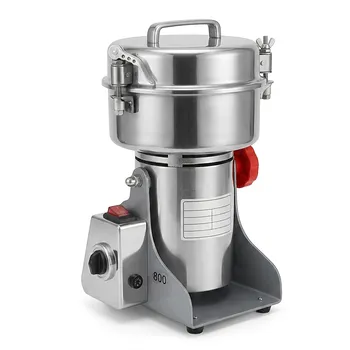
Small High-Speed Laboratory Grinder for Rapid Sample Preparation
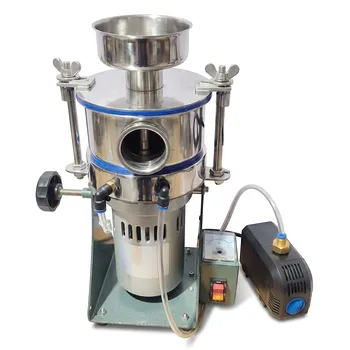
Water Cooled Airflow Ultra Fine Grinder for Low Temperature Material Processing
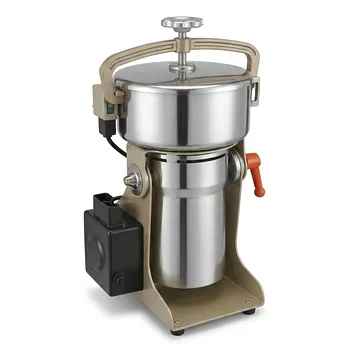
Multifunctional High Efficiency High Speed Laboratory Grinder
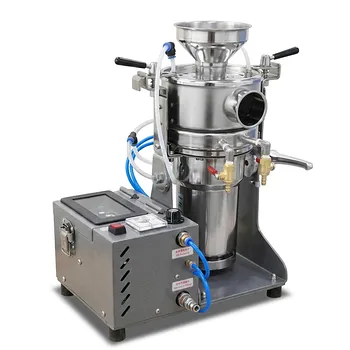
Water Cooled Pulse Jet Ultrafine Grinder
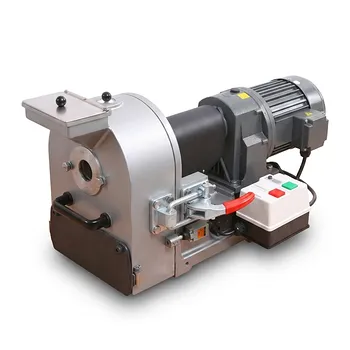
Laboratory Disc Mill for Fine Sample Preparation of Hard and Brittle Materials
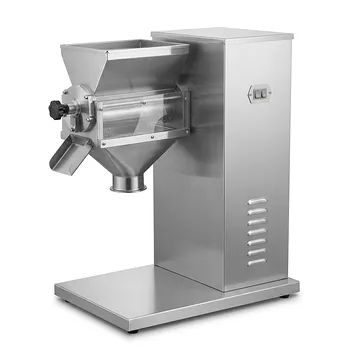
Small Swing Granulator Efficient Powder Granulation for Pharmaceutical Chemical Food Industries
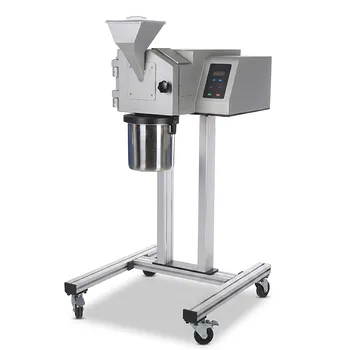
Cross Beater Mill for Brittle Material Grinding and Continuous Fine Crushing Industrial Sample Preparation
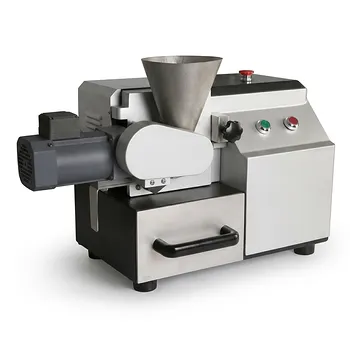
Laboratory Hammer Mill for Coal Quality Analysis and Brittle Mineral Grinding
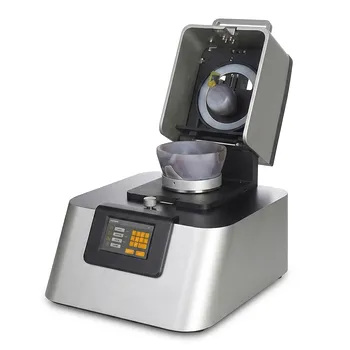
Laboratory Mortar Grinder for Sample Preparation and Cryogenic Powder Homogenization
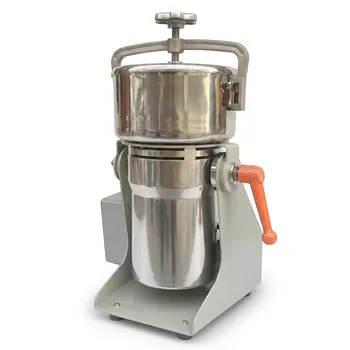
High Speed Laboratory Grinder Efficient Stainless Steel Powder Pulverizer Universal Material Science Mill for Sample Preparation
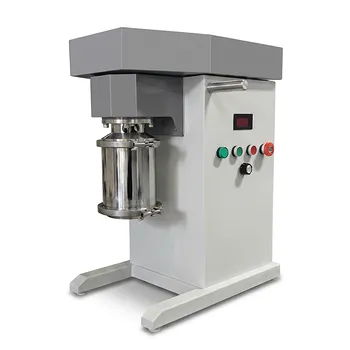
Nano Laboratory Bead Mill Desktop Sub Micron Sand Mill Screenless Seal Less Powder Grinder
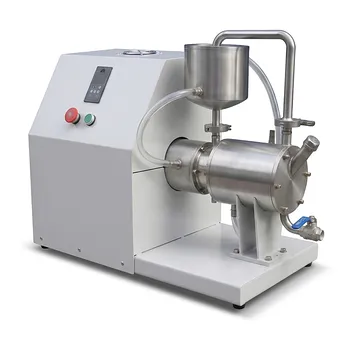
Laboratory Small Horizontal Sand Mill for Nano Materials Wet Grinding
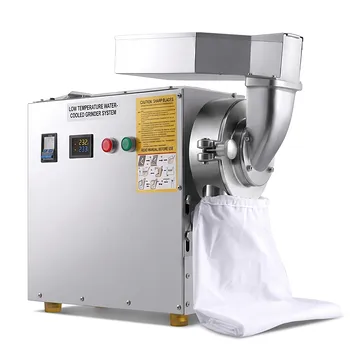
Low Temperature Water Cooled Continuous Feed Grinder Two Stage Coarse and Fine Grinding System
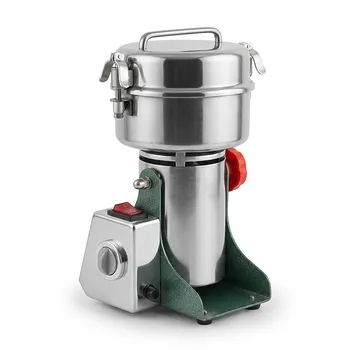
Small High-Speed Swing Grinder for Laboratory Sample Preparation
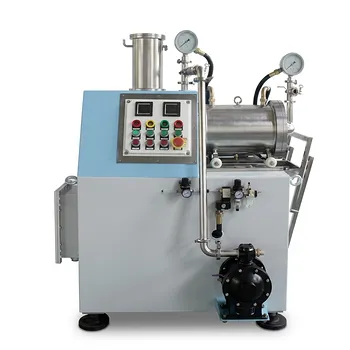
Horizontal Bead Mill for Nanoscale Grinding and Advanced Material Powder Processing