How do planetary ball mills assist in the study of graphene layers? Insights for Graphite Microstructure Analysis
Updated 4 months ago
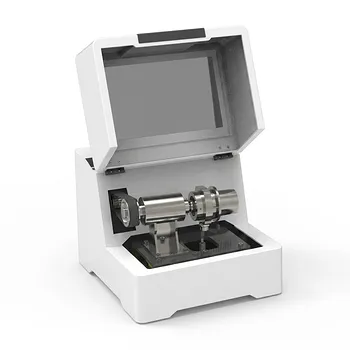
Planetary ball mills serve as high-energy mechanical reactors that utilize synchronized rotation and revolution to generate the precise shear and impact forces required to exfoliate bulk graphite into discrete graphene layers. This process allows researchers to simulate laboratory-scale 2D structural stacking, providing a direct window into how graphene layers align along the c-axis to form a final hexagonal lattice structure.
Planetary ball mills facilitate the study of graphene by mechanically overcoming van der Waals forces to isolate layers, enabling the direct simulation and analysis of the transition from macroscopic graphite to nano-scale functional microstructures.
The Mechanics of Mechanical Exfoliation
Overcoming Van der Waals Forces
The primary challenge in studying graphene layers within graphite is the strong van der Waals forces that hold the layers together. Planetary ball mills generate high-speed collisions and intense shear forces that act directly on these interlayer bonds.
This mechanical energy is sufficient to induce fragmentation and exfoliation, transforming dense graphite into porous graphene nanostructures. This transition is essential for researchers who need to analyze the physicochemical properties of graphene in a controlled, repeatable environment.
The Role of Synchronized Rotation and Revolution
Unlike standard ball mills, planetary versions utilize a "sun and planet" motion to create a unique high-energy environment. The synchronized movement ensures that the grinding media delivers both high-impact energy and constant friction to the graphite powder.
This dual-action force is what allows for the physical refinement of the material without needing harsh chemical precursors. It provides a clean sample that represents the mechanical limits of the graphite's structural integrity.
Simulating Microstructure Development
Visualizing C-Axis Stacking Patterns
A critical aspect of microstructure analysis is understanding the 2-D structural stacking process that occurs during early graphite crystal growth. Planetary ball mills allow scientists to observe how graphene layers organize themselves along the c-axis.
By controlling the milling parameters, researchers can pause the process at various stages to examine the development of the hexagonal lattice structure. This simulation is vital for verifying theoretical models of synthetic graphite formation.
Creating Active Sites for Functionalization
During the milling process, the high-energy environment creates active sites on the graphene surface. These sites are areas of high reactivity where non-covalent or covalent bonding can occur under mild conditions.
In the study of functionalized graphene nanoplatelets (F-GNPs), these active sites drive the attachment of modifiers. This allows for the creation of ultra-thin functionalized fillers that exhibit superior dispersion properties for further microstructural study.
Understanding the Trade-offs
Frictional Heat and Structural Integrity
One significant limitation of high-energy milling is the generation of frictional heat, which can lead to unwanted structural defects or even re-agglomeration of the graphene layers. If the energy input is too high for too long, the graphene sheets may become excessively fragmented, losing their characteristic 2D properties.
Contamination and Dispersion Challenges
The use of steel or ceramic grinding media introduces the risk of sample contamination, which can skew the results of sensitive microstructure analysis. Furthermore, while milling aids in exfoliation, achieving a uniform dispersion without the use of solvents (wet milling) remains a significant challenge for researchers working with dry powders.
How to Apply This to Your Project
Making the Right Choice for Your Goal
To achieve the most accurate microstructure analysis, your milling strategy must align with your specific research objectives.
- If your primary focus is observing crystal growth mechanisms: Use lower rotation speeds over longer durations to isolate the c-axis stacking stages without destroying the flake geometry.
- If your primary focus is producing functionalized nanostructures: Utilize wet ball milling with specific solvents to dissipate heat and encourage the formation of active sites for chemical modifiers.
- If your primary focus is metal-matrix composite integration: Employ high-energy mechanical alloying to achieve nano-scale pre-dispersion of graphene onto matrix powders like aluminum.
By precisely calibrating mechanical energy, researchers can transform bulk graphite into a transparent proxy for understanding the complex physics of graphene layers.
Summary Table:
| Feature | Role in Graphene Study | Research Impact |
|---|---|---|
| High-Energy Shear | Overcomes van der Waals forces | Enables mechanical exfoliation into nano-layers |
| Sun & Planet Motion | Synchronized rotation/revolution | Provides consistent impact for repeatable results |
| C-axis Simulation | Visualizes 2D structural stacking | Verifies models of synthetic graphite growth |
| Surface Activation | Creates high-reactivity active sites | Facilitates chemical functionalization (F-GNPs) |
| Variable Parameters | Precise control of milling energy | Preserves flake geometry and structural integrity |
Elevate Your Material Science Research with Precision Equipment
Achieving the perfect exfoliation and microstructure analysis of graphene requires high-performance laboratory tools. We provide complete laboratory sample preparation solutions tailored for material science, specializing in advanced powder processing and compaction technology.
Our extensive product line includes:
- Milling & Grinding: High-energy planetary ball mills, jet mills, liquid nitrogen cryogenic grinders, and rotor mills.
- Crushing & Sieving: Jaw/roll crushers and vibratory/air-jet sieve shakers.
- Mixing: High-efficiency powder mixers and vacuum defoaming mixers.
- Compaction Solutions: A full spectrum of hydraulic presses, including Cold/Warm Isostatic Presses (CIP/WIP), XRF pellet presses, and vacuum hot presses.
Whether you are isolating graphene layers or developing metal-matrix composites, our equipment ensures accuracy and durability. Contact us today to optimize your lab's workflow!
References
- D. M. Stefanescu, Ramón Suárez. Recent Developments in Understanding Nucleation and Crystallization of Spheroidal Graphite in Iron-Carbon-Silicon Alloys. DOI: 10.3390/met10020221
Mentioned Products
- Vertical Semi Circular Planetary Ball Mill for Laboratory Precision Grinding
- High Energy Planetary Ball Mill for Nano Scale Grinding and Mechanical Alloying
- Vertical Production Planetary Ball Mill for High Throughput Powder Processing
- Heavy Duty Horizontal Planetary Ball Mill for Efficient Industrial Grinding and Sample Preparation
- 360° Rotating Omnidirectional Laboratory Planetary Ball Mill for Homogeneous Ultra-Fine Grinding and Mixing
People Also Ask
- What role does a planetary ball mill play in the synthesis of Li6PS5Cl (LPSCl)? Unlock High Ionic Conductivity
- Why is a planetary ball mill essential for SiBCN-rGO wet-spinning? Achieve Superior Dispersion and Spinnability
- Why is an intermittent grinding process required for perovskites in a planetary ball mill? Ensure Stability & Purity
- Why is a planetary ball mill required for PET micronization? Ensure Accurate Chemical Analysis of Reprocessed PET
- How does mechanized planetary ball milling compare to manual agate grinding? Optimize sulfide standard material precision.

Tech Team · PowderPreparation
Last updated on Jun 03, 2026
Related Products
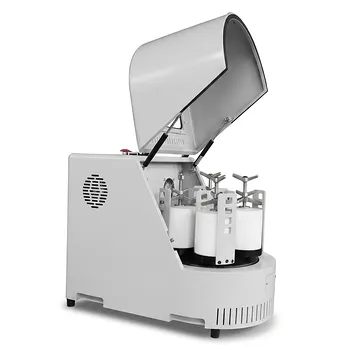
Vertical Semi Circular Planetary Ball Mill for Laboratory Precision Grinding
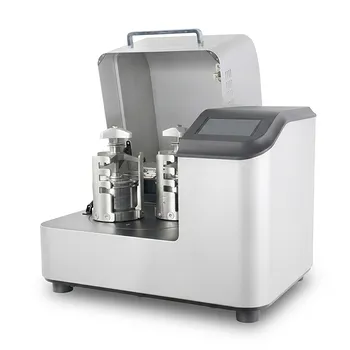
High Energy Planetary Ball Mill for Nano Scale Grinding and Mechanical Alloying
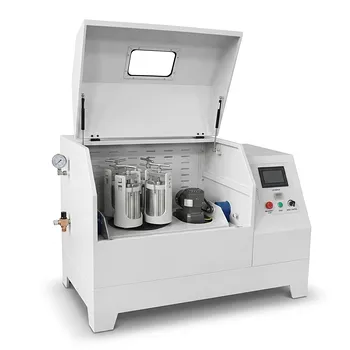
Vertical Production Planetary Ball Mill for High Throughput Powder Processing
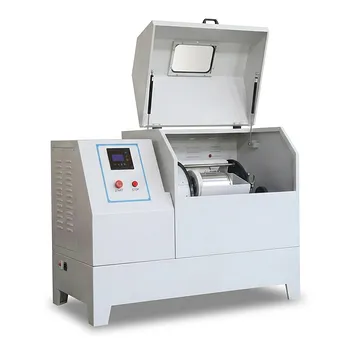
Heavy Duty Horizontal Planetary Ball Mill for Efficient Industrial Grinding and Sample Preparation
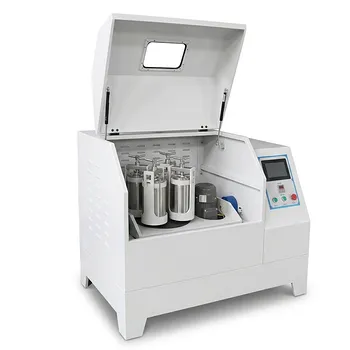
360° Rotating Omnidirectional Laboratory Planetary Ball Mill for Homogeneous Ultra-Fine Grinding and Mixing
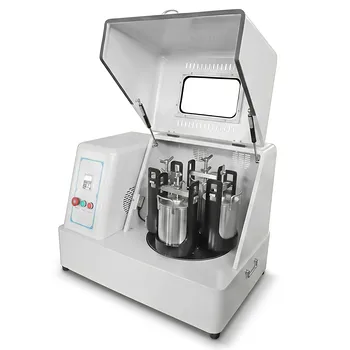
Vertical Square Planetary Ball Mill for Laboratory Sample Preparation and Nanoscale Grinding
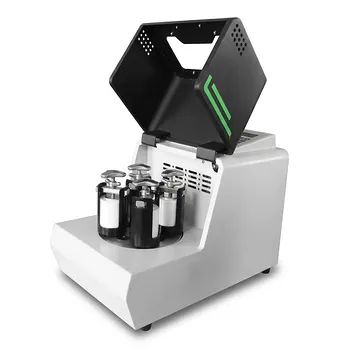
Miniature Planetary Ball Mill with Vacuum Grinding and High Efficiency for Laboratory Sample Preparation
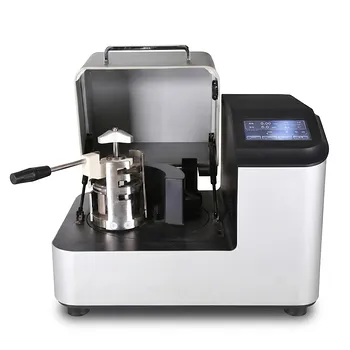
High Energy Laboratory Planetary Ball Mill for Nano Grinding and Material Science Sample Preparation
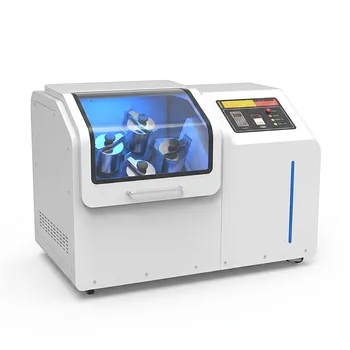
High Energy Omnidirectional Planetary Ball Mill 16L
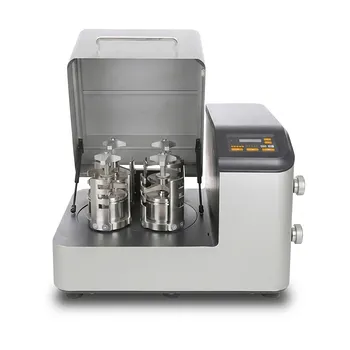
High Energy Planetary Ball Mill for Nano Scale Grinding and Colloidal Mixing in Material Science Research
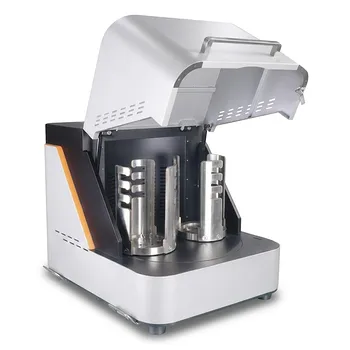
High Energy Laboratory Planetary Ball Mill for Nano Grinding and Colloidal Mixing of Hard and Brittle Materials
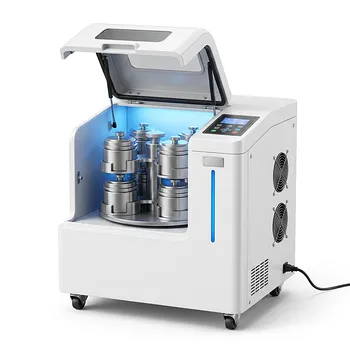
High Energy Omnidirectional Planetary Ball Mill 20L
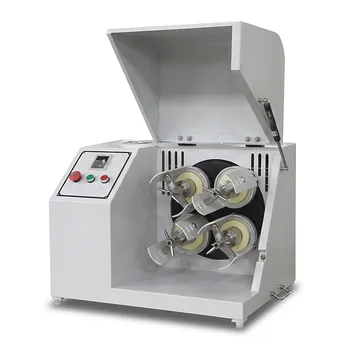
Horizontal Light Duty Planetary Ball Mill for Laboratory Sample Preparation
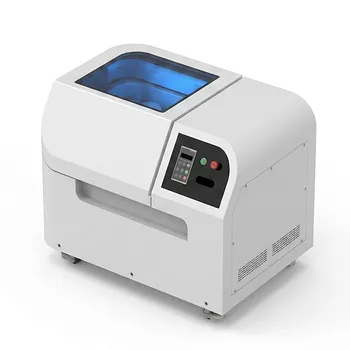
8L Planetary Ball Mill for Laboratory Grinding and Sample Preparation
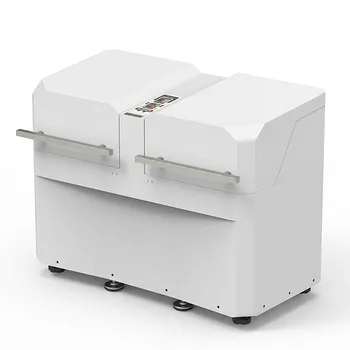
Dual Station Planetary Ball Mill 24L
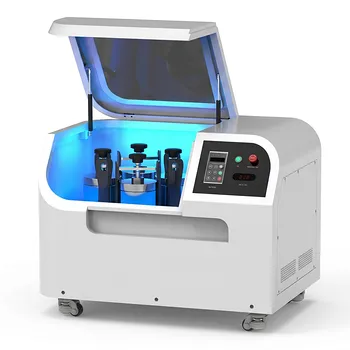
Planetary Ball Mill 12L

Nano High Energy Vibratory Ball Mill for Laboratory Sample Preparation
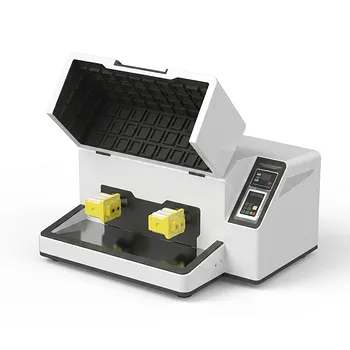
Multi-Platform Nanoscale High-Energy Vibratory Ball Mill
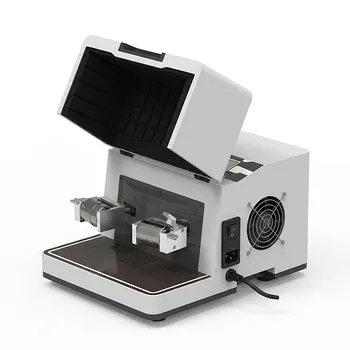
High Energy Hybrid Vibratory Ball Mill for Grinding Mixing and Cell Disruption