How do laboratory hydraulic presses and precision metal molds function in recycled glass-ceramic shaping? Expert Guide.
Updated 4 months ago
Laboratory hydraulic presses and precision metal molds function as the primary mechanism for powder consolidation in recycled glass-ceramic production. They utilize uniaxial pressing to compress recycled glass powders into "green bodies"—solid preforms with specific geometric shapes. This process forces particle rearrangement and expels interstitial air, which significantly reduces initial porosity and establishes the critical structural foundation for subsequent high-temperature sintering.
The synergy between hydraulic pressure and precision molds transforms loose glass powder into a structurally sound green body, where the applied pressure directly dictates the material's final density, mechanical strength, and shrinkage behavior during sintering.
The Mechanism of Uniaxial Consolidation
Particle Rearrangement and Packing
The hydraulic press applies a controlled axial load to the glass powder contained within a high-strength metal mold. This force overcomes the friction between particles, causing them to slide and rearrange into a more efficient, close-packed arrangement.
Porosity Reduction and Air Expulsion
By applying specific pressures—often ranging from 20 MPa to 130 MPa—the press effectively eliminates the voids between powder particles. The removal of this interstitial air is essential to prevent internal defects and to maximize the initial density of the green body.
Establishing the "Green Body"
The result of this compression is a green body, a compacted powder mass that possesses enough structural integrity to be handled. This preform acts as a precursor that determines the final shape and volume of the finished glass-ceramic.
The Role of Precision Metal Molds
Geometric Stability and Standardization
Precision molds, typically crafted from high-strength steel, provide the rigid boundaries required to define the green body's dimensions. These molds ensure that the powder is shaped into standardized pellets or cylinders, which are necessary for accurate mechanical testing and evaluation.
Uniform Pressure Distribution
The tight tolerances of precision molds prevent material leakage and ensure that the hydraulic force is distributed as evenly as possible across the powder mass. This consistency is vital for maintaining uniform internal density, which prevents warping during the firing process.
Influence on Sintering Characteristics
The mold's ability to facilitate high-pressure compaction directly influences the linear shrinkage rate during sintering. A well-molded green body with high initial density will experience less deformation and more predictable contraction when exposed to high heat.
Understanding the Trade-offs and Pitfalls
Pressure-Induced Internal Stresses
While high pressure increases density, excessive force (near the upper limits of 130 MPa) can sometimes lead to internal stress gradients. If the pressure is not released gradually, the green body may suffer from "lamination" or cracking upon ejection from the mold.
Mold Friction and Density Variations
Friction between the powder and the mold walls can lead to non-uniform density distributions, where the center of the pellet is less dense than the edges. This variation can cause uneven shrinkage or "hourglassing" during the sintering phase, compromising the final product's geometric accuracy.
Limitations of Uniaxial Pressing
Uniaxial pressing is highly effective for simple shapes like pellets or discs but is limited when creating complex geometries. For intricate parts, the directional nature of the pressure can lead to structural weak points that are not present in other molding methods.
Optimizing the Shaping Process for Your Project
Making the Right Choice for Your Goal
To achieve the best results with glass-ceramics, your pressing parameters must align with your final material requirements.
- If your primary focus is maximizing flexural strength: Use higher compaction pressures (e.g., 40 MPa to 130 MPa) to ensure maximum particle contact and the highest possible final bulk density.
- If your primary focus is dimensional precision: Ensure the use of high-precision steel molds and focus on consistent pressure control to maintain a predictable linear shrinkage rate during sintering.
- If your primary focus is evaluating new material compositions: Utilize standardized cylindrical molds to produce uniform pellets, allowing for the independent study of densification without the interference of binders.
Mastering the interaction between hydraulic force and mold precision is the essential first step in converting recycled glass waste into high-performance ceramic materials.
Summary Table:
| Component/Process | Primary Function | Impact on Final Material |
|---|---|---|
| Hydraulic Press | Applies axial load (20-130 MPa) | Reduces porosity and increases green density |
| Precision Metal Mold | Provides rigid geometric boundaries | Ensures dimensional stability and uniformity |
| Uniaxial Pressing | Particle rearrangement and packing | Establishes the structural foundation for firing |
| Green Body | Formed powder preform | Determines final strength and shrinkage behavior |
Optimize Your Material Science Research with Precision Sample Preparation
Ready to enhance the density and mechanical strength of your recycled glass-ceramics? We provide complete laboratory sample preparation solutions tailored for advanced material science and powder processing. Our expertise in compaction equipment ensures your research achieves maximum precision and reliability.
Our extensive product lines include:
- Advanced Pressing: A full spectrum of hydraulic presses, including Cold/Warm Isostatic Presses (CIP/WIP), standard lab presses, XRF pellet presses, and vacuum hot presses.
- Precision Tooling: High-strength steel molds for consistent uniform density.
- Powder Processing: Crushers (jaw/roll), liquid nitrogen cryogenic grinders, and diverse mills (planetary ball, jet, rotor).
- Sieving & Mixing: Sieve shakers (vibratory/air-jet) and high-efficiency powder or defoaming mixers.
Improve your lab's efficiency and experimental accuracy—contact us today to find the perfect solution for your material shaping needs!
References
- Enzo Hanning, Mônica Calixto de Andrade. Glass-ceramic produced with recycled glass. DOI: 10.1590/s1517-707620190004.0830
Mentioned Products
- 6-Ton Small Single-Punch Tablet Press — Laboratory Powder & Granule Tableting Equipment / Tablet Forming Machine
- 5 Ton Single Punch Tablet Press Laboratory Small Batch Production
- Manual Tablet Press with Dual Scale Pressure Gauge for Pharmaceutical Food Chemical Laboratory Sample Preparation
- 6 Ton Variable Frequency Single Punch Tablet Press
- Laboratory Double Roll Crusher for Medium Hardness Materials Coal Ore Sample Preparation
People Also Ask
- What is the function of a laboratory press in Cr-Ti alloy evaluation? Quantify Fracture Stress & Strength
- What is the function of a laboratory press in assessing the hydrophobic performance of modified vermiculite fillers?
- What is the core function of a laboratory press in the forming of ceramic filter element green bodies? Maximize Density.
- What is the function of a laboratory press in the preparation of ceramic feed rods? Master Density and Precision
- Why is vacuum sealing and flexible packaging necessary for Aluminum Titanate powders during CIP? Ensure Peak Density

Tech Team · PowderPreparation
Last updated on Jun 03, 2026
Related Products
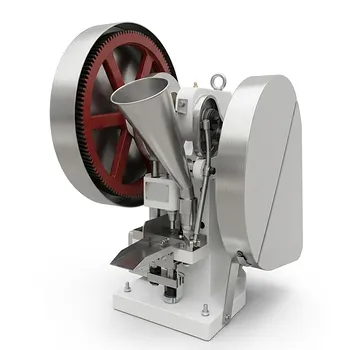
6-Ton Small Single-Punch Tablet Press — Laboratory Powder & Granule Tableting Equipment / Tablet Forming Machine
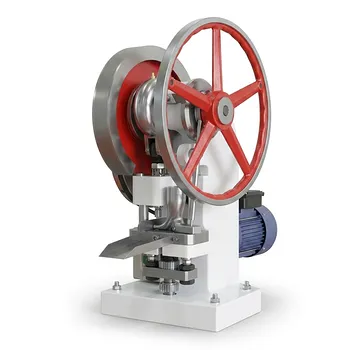
5 Ton Single Punch Tablet Press Laboratory Small Batch Production
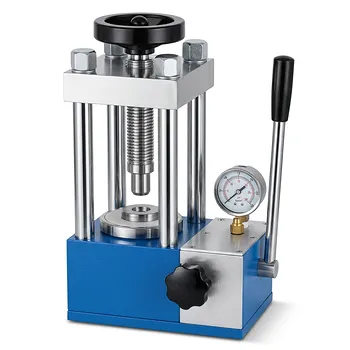
Manual Tablet Press with Dual Scale Pressure Gauge for Pharmaceutical Food Chemical Laboratory Sample Preparation
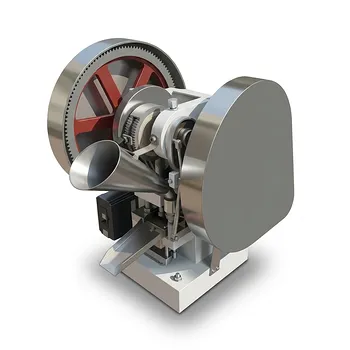
6 Ton Variable Frequency Single Punch Tablet Press
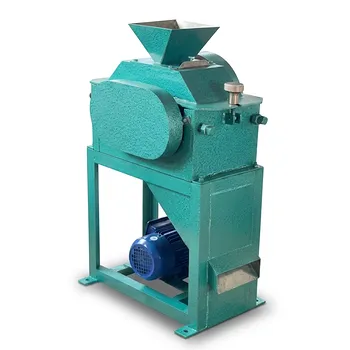
Laboratory Double Roll Crusher for Medium Hardness Materials Coal Ore Sample Preparation
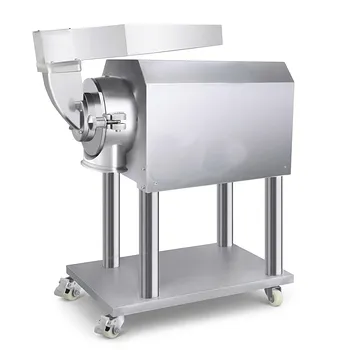
High Speed Small Laboratory Crusher for Dry Material Sample Preparation
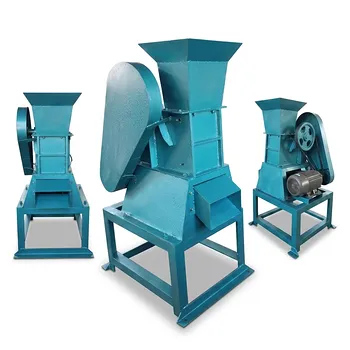
Custom Raised Height Laboratory Jaw Crusher for Precision Sample Preparation in Material Science
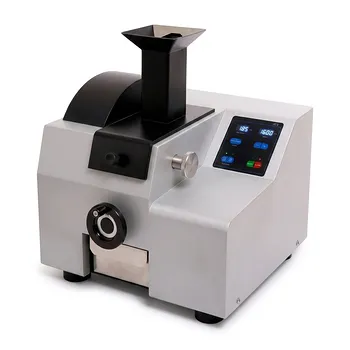
Laboratory Benchtop Jaw Crusher for Hard Brittle Materials Primary Size Reduction and Sample Preparation
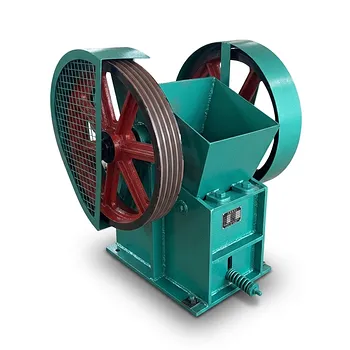
150x250mm Laboratory Jaw Crusher for Medium Hard Material Crushing and Sample Preparation
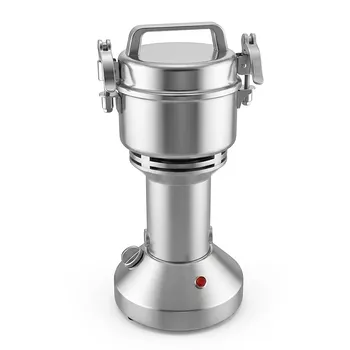
Small High Speed Upright Grinder for Laboratory Sample Preparation
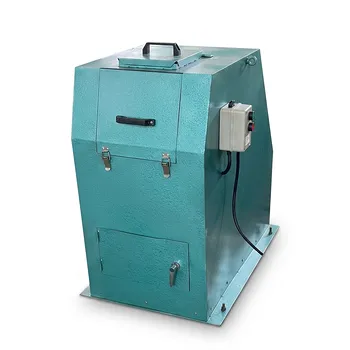
Environmentally Friendly Sealed Laboratory Jaw Crusher for Sample Preparation
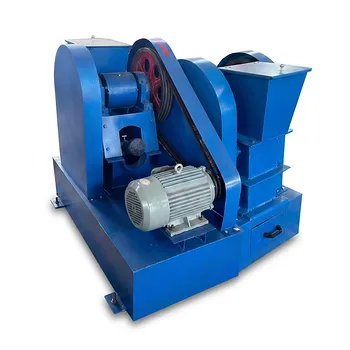
Horizontal Jaw Crusher Medium Hard Material Crushing Laboratory Sample Preparation Equipment
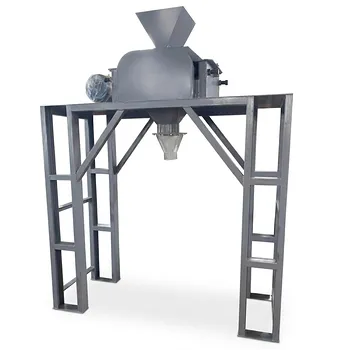
Heightened Customized Laboratory Double Roll Crusher for Coal Ore Rock Crushing
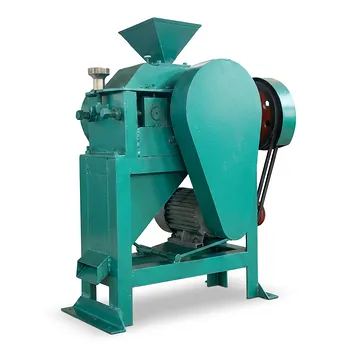
Laboratory Sealed Double Roll Crusher for Coal Ore Rock and Medium Hardness Materials Sample Preparation
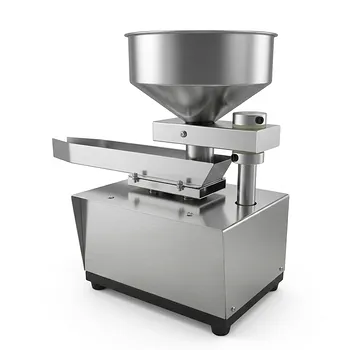
Automatic Vibrating Powder Feeder for Laboratory Material Processing Precision Vibratory Hopper Feeder for Granular and Powder Material Handling Industrial Grade Vibrating Tray Feeder for Consistent Material Sample Preparation
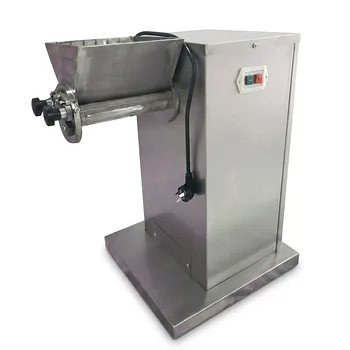
Small Laboratory Oscillating Granulator for Wet and Dry Granulation Processing
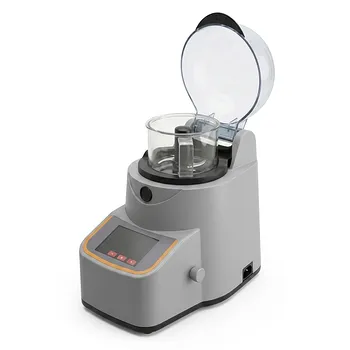
Industrial Knife Mill for Food and Biological Sample Preparation High Speed Laboratory Homogenizer
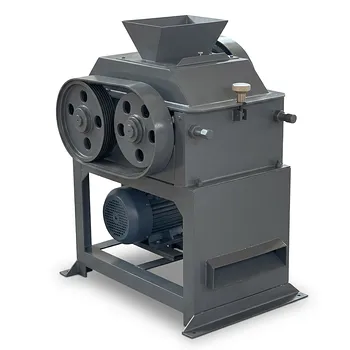
Sealed Laboratory Double Roll Crusher for Coal, Mineral, Ore Sample Preparation
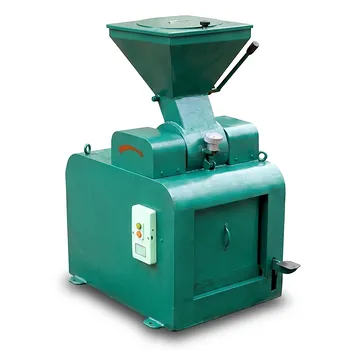
Laboratory Sealed Hammer Crushers for Coal Sample Preparation and Medium Strength Material Crushing