How do a precision vibratory sieve shaker and microporous sieves function? Optimize Bioactive Glass Particle Grading
Updated 5 months ago
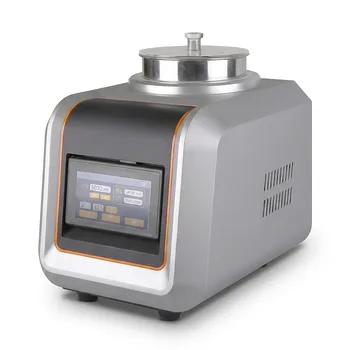
Precision vibratory sieve shakers and microporous sieves function by using high-frequency, three-dimensional mechanical motion to pass bioactive glass particles through standardized apertures. This process effectively isolates specific particle size fractions while simultaneously removing moisture-induced agglomerates and oversized particles. By strictly limiting the maximum particle size, it ensures the powder can be uniformly integrated into matrices like hydrogels or coatings.
Mechanical sieving provides a standardized method to control the upper limits of particle size, directly influencing the biodegradation rate, sintering activity, and structural uniformity of bioactive glass composites.
The Mechanics of Vibratory Classification
Three-Dimensional Motion and Particle Distribution
The vibratory sieve shaker generates high-frequency, three-dimensional vibration patterns that cause the bioactive glass powder to "jump" across the sieve surface. This motion ensures that every particle has multiple opportunities to present its smallest dimension to the sieve apertures for accurate passage.
Reaching a Constant State
The process typically operates for 5 to 10 minutes until the sample mass on each sieve reaches a constant state. This standardized duration is critical for achieving a precise mass percentage calculation and repeatable grading of particle widths.
The Role of Microporous Sieves
Eliminating Agglomerates and Oversized Particles
A 45-micron microporous sieve is often used as a critical filter to remove coarse particles and moisture-induced agglomerates formed during the grinding process. This step is vital for preventing structural defects when the glass is embedded into CMC/PEG hydrogel networks.
Achieving Narrow Size Fractions
Precision sieves allow researchers to isolate narrow ranges, such as 20–32 µm, 32–45 µm, or fractions less than 20 µm. These specific fractions are necessary to optimize spray coating uniformity and provide a standardized foundation for studying material reactivity.
Impact on Material Performance
Biodegradation and Reactivity
Particle size is a primary driver of the biodegradation rate of bioactive glass within biological environments. Smaller, precisely graded particles increase the available surface area, which directly enhances pozzolanic reactivity and the speed of the bioactive response.
Sintering and Crystallization
Precise control over the particle size distribution is a deciding factor in the sintering activity and crystallization kinetics. Consistent sizing ensures that the glass powder exhibits predictable wettability and bonding during high-temperature processing or sealing applications.
Understanding the Trade-offs
The Challenge of Moisture and Static
Fine bioactive glass powders are highly susceptible to moisture-induced clumping, which can lead to "blinding" or clogging of the microporous mesh. This interference can result in inaccurate grading and requires careful environmental control or specialized anti-blinding accessories.
Mechanical Stress on Fragile Particles
While high-frequency vibration is efficient, excessive sieving time can cause particle attrition. This unintended secondary grinding can alter the original size distribution and introduce inaccuracies into the final mass-based particle size analysis.
How to Apply This to Your Project
Selecting the right sieving parameters depends on the intended final application of your bioactive glass powder.
- If your primary focus is hydrogel integration: Use a 45-micron microporous sieve to strictly limit maximum particle size and ensure smooth, uniform embedding in the polymer network.
- If your primary focus is controlling degradation rates: Isolate narrow, fine size fractions (e.g., <20 µm) to achieve a predictable and high surface area for biological interaction.
- If your primary focus is industrial spray coating: Prioritize the removal of all oversized agglomerates to prevent nozzle clogging and ensure a consistent, repeatable coating thickness.
Empowering your workflow with precision sieving ensures that your bioactive glass reaches its full potential through controlled reactivity and structural integrity.
Summary Table:
| Component | Key Function | Material Performance Impact |
|---|---|---|
| Vibratory Sieve Shaker | Generates 3D motion for particle distribution | Ensures accurate mass percentage and repeatable grading. |
| Microporous Sieve | Filters coarse particles and moisture agglomerates | Prevents structural defects in hydrogel/coating matrices. |
| Sieve Fractions | Isolates narrow ranges (e.g., <20 µm, 32-45 µm) | Controls biodegradation rates and sintering kinetics. |
| Process Control | Standardized 5-10 minute vibration cycles | Achieves a constant state for precise size analysis. |
Elevate Your Material Research with Precision Sample Preparation
Achieving the perfect particle size distribution is critical for the performance of bioactive materials. We provide complete laboratory sample preparation solutions tailored for material science, specializing in high-performance powder processing and compaction equipment.
Whether you need to isolate fine bioactive glass fractions or prepare structural composites, our extensive product line has you covered:
- Sieving Excellence: Precision vibratory and air-jet sieve shakers with a wide range of test sieves and meshes.
- Advanced Milling: Planetary ball mills, jet mills, and cryogenic grinders for superior particle reduction.
- Compaction Solutions: A full spectrum of hydraulic presses, including Cold/Warm Isostatic Presses (CIP/WIP), hot presses, and XRF pellet presses.
- Mixing Technology: Specialized powder mixers and defoaming mixers for uniform material integration.
Ready to optimize your workflow? Contact our experts today to find the ideal equipment for your laboratory and experience the benefit of professional-grade powder processing.
References
- Sofia Pacheco, Sílvia Gavinho. Impact of CeO2-Doped Bioactive Glass on the Properties of CMC/PEG Hydrogels Intended for Wound Treatment. DOI: 10.3390/gels11121010
Mentioned Products
- Vibratory Sieve Shaker Electromagnetic 3D Motion Powder Particle Size Analyzer for Dry and Wet Sieving
- Laboratory Dry and Wet Three Dimensional Vibratory Sieve Shaker for Particle Analysis
- Stainless Steel Laboratory Vibratory Test Sieve Shaker
- Heavy Duty Dry Three Dimensional Vibratory Sieve Shaker for Particle Separation
- Dry Three Dimensional Vibratory Sieve Shaker
People Also Ask
- How does a vibratory sieve shaker contribute to optimizing the performance of activated carbon? Enhance Adsorption Precision
- Why is a laboratory vibratory sieve shaker necessary for processing magnesium-based borate precursor powders? Boost Activity
- Why use a vibratory sieve shaker to verify coarse aggregate grading in rubberized concrete? Ensure Structural Integrity
- What function do vibratory sieve shakers and standard test sieves serve in the preparation of adsorbents? Key Guide
- What role does a vibratory sieve shaker play in the particle size analysis of ground corn products? Enhance QC Precision

Tech Team · PowderPreparation
Last updated on May 14, 2026
Related Products
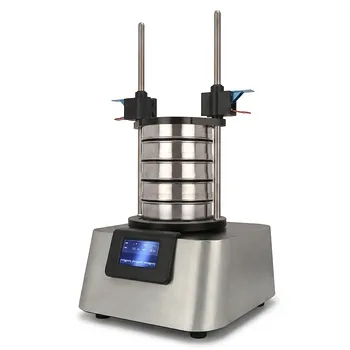
Vibratory Sieve Shaker Electromagnetic 3D Motion Powder Particle Size Analyzer for Dry and Wet Sieving
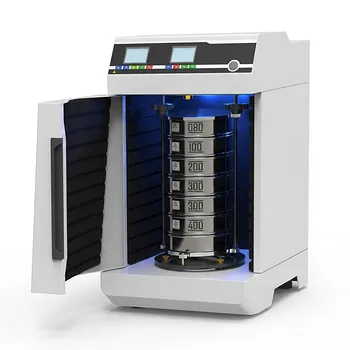
Laboratory Dry and Wet Three Dimensional Vibratory Sieve Shaker for Particle Analysis
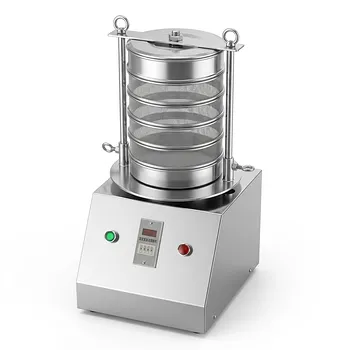
Stainless Steel Laboratory Vibratory Test Sieve Shaker
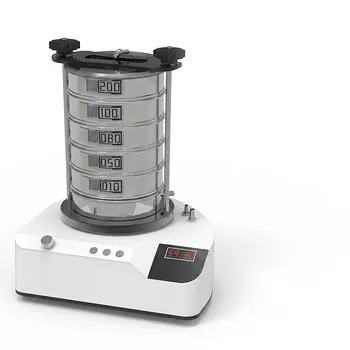
Heavy Duty Dry Three Dimensional Vibratory Sieve Shaker for Particle Separation
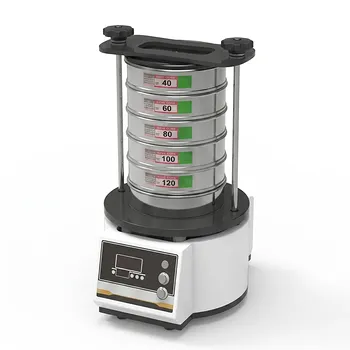
Dry Three Dimensional Vibratory Sieve Shaker
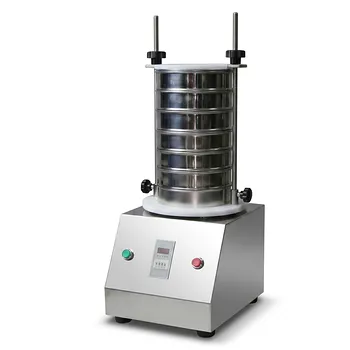
Small Laboratory Vibratory Sieve Shaker for Powder Gradation and Particle Size Analysis
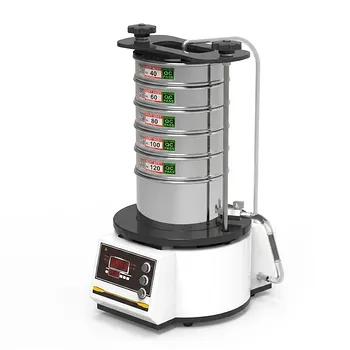
High Frequency Wet Three-Dimensional Vibrating Sieve Shaker for Dry and Wet Particle Size Analysis
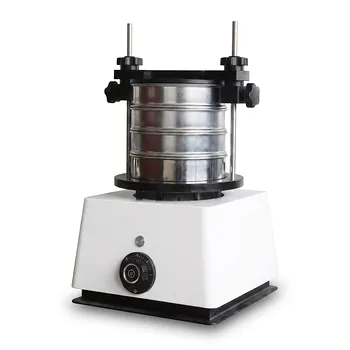
Small Laboratory Vibrating Sieve Shaker for Precise Particle Size Analysis
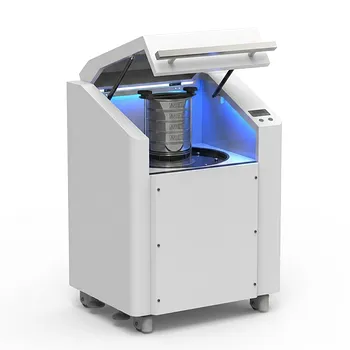
High Frequency Cabinet Type Three-Dimensional Rotary Vibrating Sieve Shaker for Dry Sieving and Particle Classification
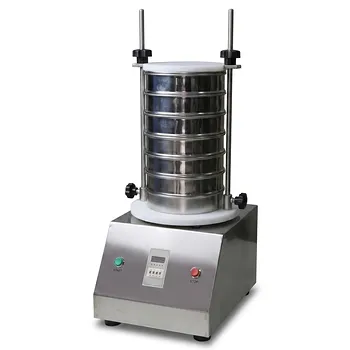
Laboratory Vibratory Test Sieve Shaker for Precision Particle Size Analysis and Powder Grading
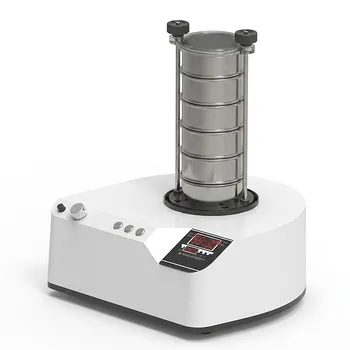
三维电磁微量振动筛分仪
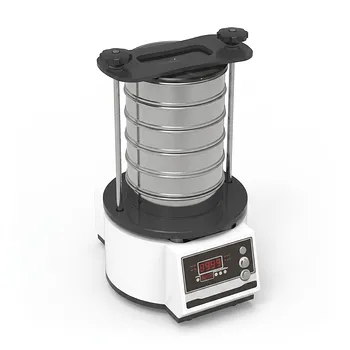
Tapping Oscillating Sieve Shaker for Dry and Wet Particle Size Analysis
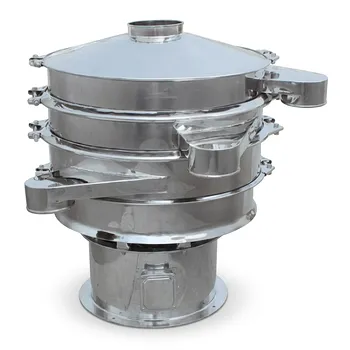
Stainless Steel Rotary Vibrating Sieve High Precision Circular Vibratory Separator Industrial Powder Grading Machine Multi Layer Sifting Equipment
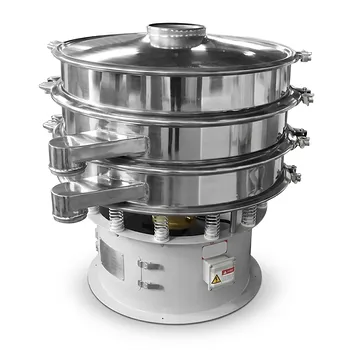
Three Dimensional Rotary Vibrating Sieve
Small Vibrating Ultrafine Grinder for Traditional Chinese Medicine
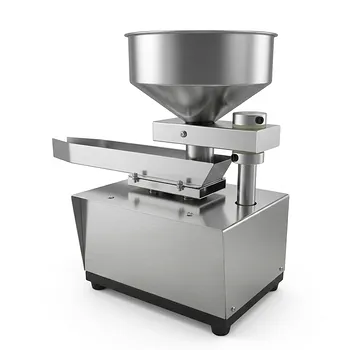
Automatic Vibrating Powder Feeder for Laboratory Material Processing Precision Vibratory Hopper Feeder for Granular and Powder Material Handling Industrial Grade Vibrating Tray Feeder for Consistent Material Sample Preparation
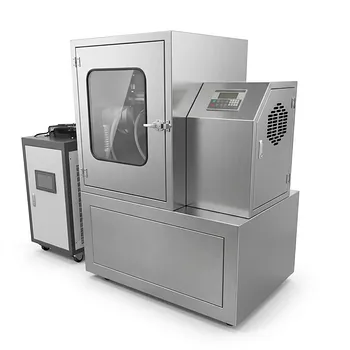
Vibratory Superfine Grinder for Ultra Fine Laboratory Powder Milling
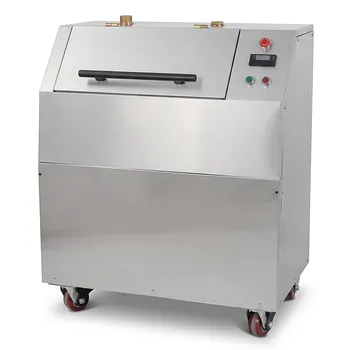
Vibratory Disc Mill for Rapid Fine Grinding and High Throughput Sample Preparation of Hard and Brittle Materials