How do a laboratory hydraulic press and forming molds contribute to LSO electrolyte pellets? Boost Density & Performance
Updated 5 months ago
The laboratory hydraulic press and forming molds are the essential tools for transforming loose Lanthanum Silicate Oxyapatite (LSO) powder into a cohesive "green pellet." By applying precise uniaxial pressure, these tools consolidate the powder into a specific geometric form with high initial packing density. This preparation is a non-negotiable step that ensures the material can withstand high-temperature sintering (1773 K) without cracking or excessive shrinkage.
The hydraulic press and mold system establish the physical foundation for LSO electrolytes by maximizing particle contact and minimizing internal porosity. This high "green density" is the critical prerequisite for achieving the ionic conductivity and mechanical strength required during the subsequent sintering phase.
Mechanics of Powder Consolidation
Overcoming Inter-particle Friction
A hydraulic press applies high axial pressure—often reaching levels such as 98 MPa—to force LSO particles to rearrange. This pressure overcomes internal friction, leading to the plastic or brittle deformation of the grains necessary for a solid structure.
Establishing Mechanical Interlocking
As the precision steel mold constrains the powder, the applied pressure removes entrapped air and increases the contact points between particles. This mechanical interlocking creates a solid "green body" that possesses enough mechanical strength to be handled and moved to the furnace.
Enhancing Material Performance
Optimizing Ionic Conductivity
High-density packing is required to reduce internal porosity and grain boundary resistance. Close contact between particles is essential for efficient ion transport once the LSO pellet is fully sintered and transitioned into its ceramic state.
Providing the Foundation for Diffusion
The compaction process provides the physical proximity required for atomic diffusion and grain growth during the 1773 K sintering process. Without this initial density, the material would fail to densify properly, resulting in a porous structure with poor electrochemical properties.
Precision and Geometric Stability
Controlled Dimensionality
Precision steel molds define the exact diameter and thickness of the LSO pellet. Consistency in these dimensions is vital for obtaining repeatable results during subsequent ionic conductivity testing and critical current density (CCD) evaluations.
Mitigating Sintering Defects
Uniform vertical pressure distribution helps prevent uneven shrinkage during the heating and cooling cycles. By maximizing initial packing density, the press helps minimize the internal stresses that typically lead to crack formation in ceramic electrolytes.
Understanding the Trade-offs
Pressure Limits and Mechanical Failure
Applying excessive pressure can cause the green pellet to laminate or crack upon ejection from the mold due to stored elastic energy. Conversely, insufficient pressure leads to low green density, which results in a fragile, porous LSO electrolyte after sintering.
Air Entrapment and Mold Maintenance
If air is not effectively removed or the powder is not pre-treated, internal voids may expand during high-temperature sintering and cause structural failure. Additionally, microscopic wear on the steel molds can lead to non-uniform pressure, compromising the pellet’s density and uniformity.
Applying This to Your Electrolyte Fabrication
Effective pellet preparation is the bridge between raw powder synthesis and a functional ceramic electrolyte.
- If your primary focus is maximized ionic conductivity: Prioritize high uniaxial pressure within the material’s limits to minimize grain boundary resistance and maximize particle-to-particle contact.
- If your primary focus is structural integrity and crack prevention: Focus on achieving uniform vertical pressure and a controlled decompression rate to avoid internal stresses in the green body.
- If your primary focus is research repeatability: Utilize high-precision molds and strictly documented pressure settings to create a consistent baseline for comparison across different LSO batches.
Mastering the dry-pressing stage is the definitive first step toward producing high-performance, dense Lanthanum Silicate Oxyapatite electrolytes.
Summary Table:
| Process Phase | Function of Press & Mold | Impact on LSO Pellets |
|---|---|---|
| Consolidation | Overcomes inter-particle friction via high axial pressure (e.g., 98 MPa) | Maximizes green density and particle contact |
| Shaping | Precision steel molds define exact diameter and thickness | Ensures geometric stability and repeatable testing |
| Interlocking | Removes entrapped air and creates mechanical bonds | Provides structural integrity for handling and sintering |
| Sintering Prep | Establishes physical proximity for atomic diffusion | Minimizes shrinkage, cracks, and grain boundary resistance |
Elevate Your Material Research with Precision Compaction Solutions
Achieving the perfect "green pellet" is the critical first step in advanced material synthesis. At [Company Name], we provide complete laboratory sample preparation solutions specifically designed for material science and powder processing.
Whether you are working on Lanthanum Silicate Oxyapatite (LSO) or other advanced ceramics, our extensive line of equipment ensures the high precision and reliability your research demands:
- Hydraulic Presses: A full spectrum including Manual/Electric Lab Presses, XRF Pellet Presses, Hot Presses, and Vacuum Hot Presses.
- Advanced Compaction: Cold/Warm Isostatic Presses (CIP/WIP) for uniform density distribution.
- Powder Processing: High-efficiency crushers, cryogenic grinders, and various mills (planetary ball, jet, rotor) to prepare your raw LSO powder.
- Finishing & Analysis: Sieve shakers and specialized powder/defoaming mixers for a homogeneous starting material.
Ready to eliminate sintering defects and maximize ionic conductivity? Contact our technical experts today to find the ideal pressing solution for your laboratory's needs.
References
- Shunya Mihara, Yoshio Sakka. Chemical Reactivity and Cathode Properties of LaCoO<sub>3</sub> on Lanthanum Silicate Oxyapatite Electrolyte. DOI: 10.4028/www.scientific.net/kem.616.120
Mentioned Products
- 6-Ton Small Single-Punch Tablet Press — Laboratory Powder & Granule Tableting Equipment / Tablet Forming Machine
- 5 Ton Single Punch Tablet Press Laboratory Small Batch Production
- Manual Tablet Press with Dual Scale Pressure Gauge for Pharmaceutical Food Chemical Laboratory Sample Preparation
- 6 Ton Variable Frequency Single Punch Tablet Press
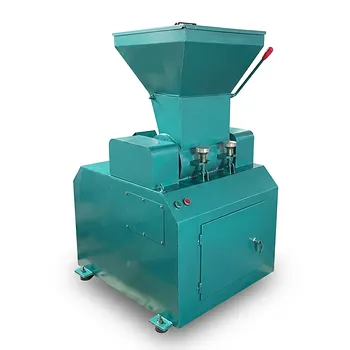
- High Speed Small Laboratory Crusher for Dry Material Sample Preparation
People Also Ask
- What is the function of a laboratory press in Cr-Ti alloy evaluation? Quantify Fracture Stress & Strength
- What is the function of a laboratory press in assessing the hydrophobic performance of modified vermiculite fillers?
- What is the core function of a laboratory press in the forming of ceramic filter element green bodies? Maximize Density.
- What is the function of a laboratory press in the preparation of ceramic feed rods? Master Density and Precision
- Why is vacuum sealing and flexible packaging necessary for Aluminum Titanate powders during CIP? Ensure Peak Density

Tech Team · PowderPreparation
Last updated on May 14, 2026
Related Products
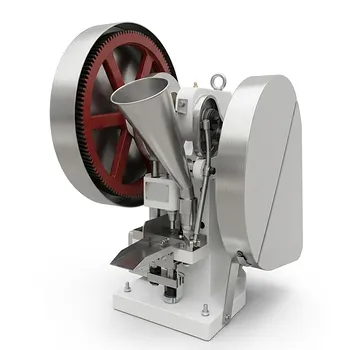
6-Ton Small Single-Punch Tablet Press — Laboratory Powder & Granule Tableting Equipment / Tablet Forming Machine
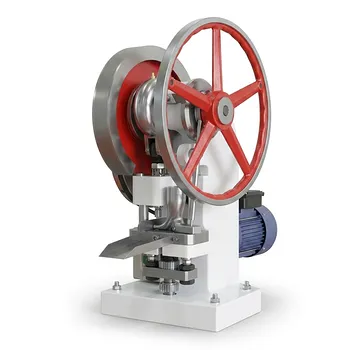
5 Ton Single Punch Tablet Press Laboratory Small Batch Production
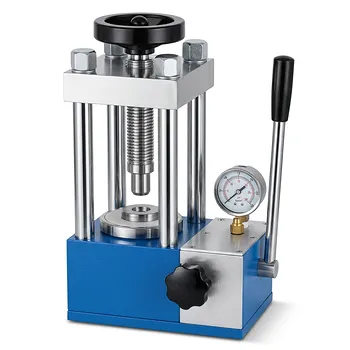
Manual Tablet Press with Dual Scale Pressure Gauge for Pharmaceutical Food Chemical Laboratory Sample Preparation
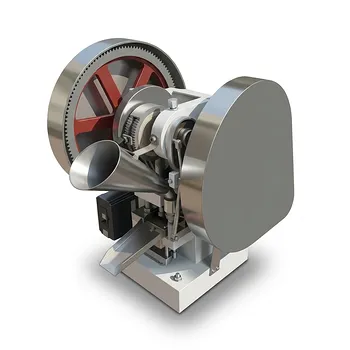
6 Ton Variable Frequency Single Punch Tablet Press
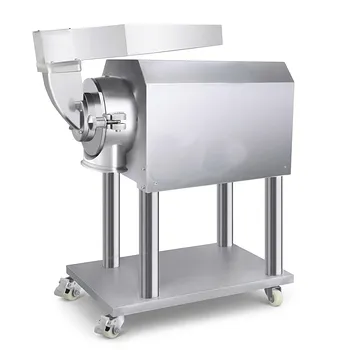
High Speed Small Laboratory Crusher for Dry Material Sample Preparation
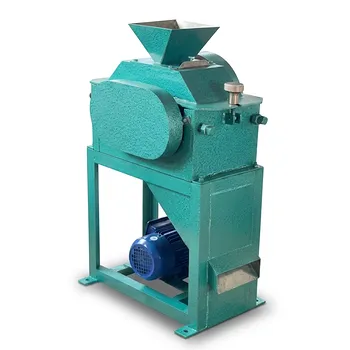
Laboratory Double Roll Crusher for Medium Hardness Materials Coal Ore Sample Preparation
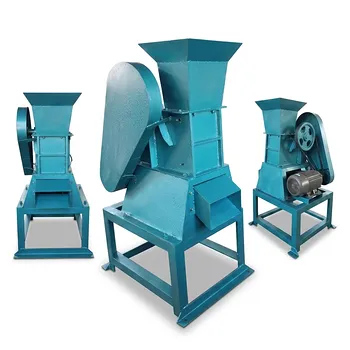
Custom Raised Height Laboratory Jaw Crusher for Precision Sample Preparation in Material Science
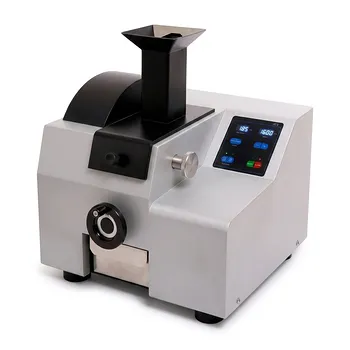
Laboratory Benchtop Jaw Crusher for Hard Brittle Materials Primary Size Reduction and Sample Preparation
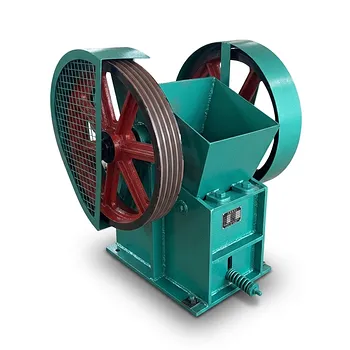
150x250mm Laboratory Jaw Crusher for Medium Hard Material Crushing and Sample Preparation
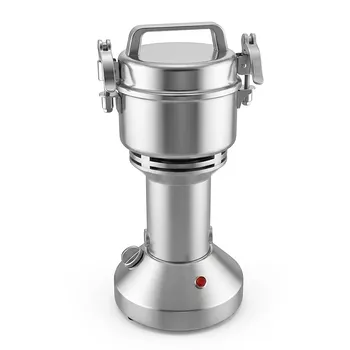
Small High Speed Upright Grinder for Laboratory Sample Preparation
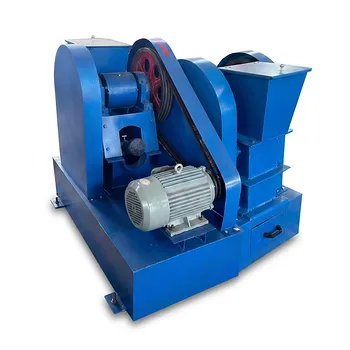
Horizontal Jaw Crusher Medium Hard Material Crushing Laboratory Sample Preparation Equipment
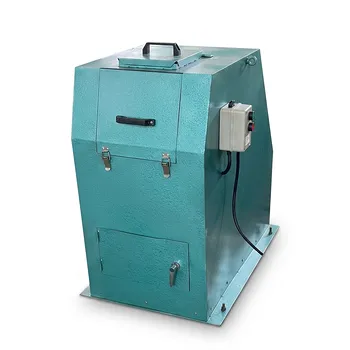
Environmentally Friendly Sealed Laboratory Jaw Crusher for Sample Preparation
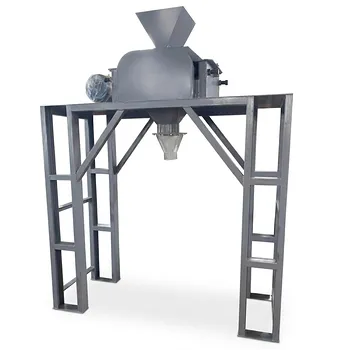
Heightened Customized Laboratory Double Roll Crusher for Coal Ore Rock Crushing
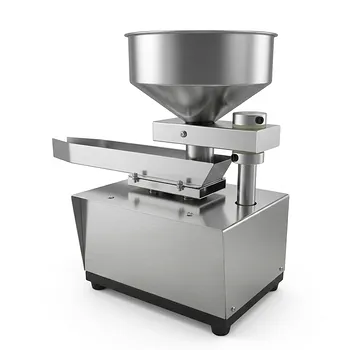
Automatic Vibrating Powder Feeder for Laboratory Material Processing Precision Vibratory Hopper Feeder for Granular and Powder Material Handling Industrial Grade Vibrating Tray Feeder for Consistent Material Sample Preparation
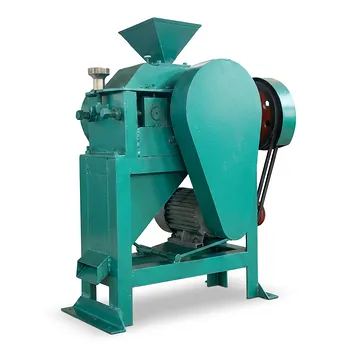
Laboratory Sealed Double Roll Crusher for Coal Ore Rock and Medium Hardness Materials Sample Preparation
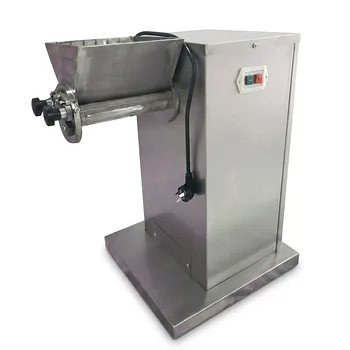
Small Laboratory Oscillating Granulator for Wet and Dry Granulation Processing
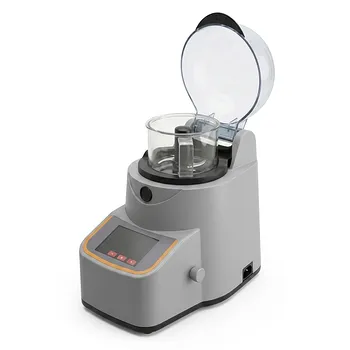
Industrial Knife Mill for Food and Biological Sample Preparation High Speed Laboratory Homogenizer
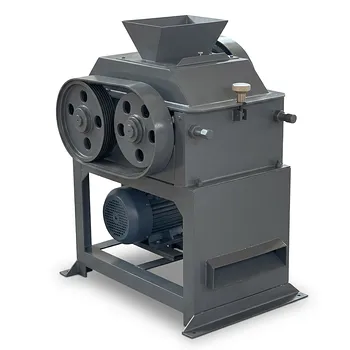
Sealed Laboratory Double Roll Crusher for Coal, Mineral, Ore Sample Preparation
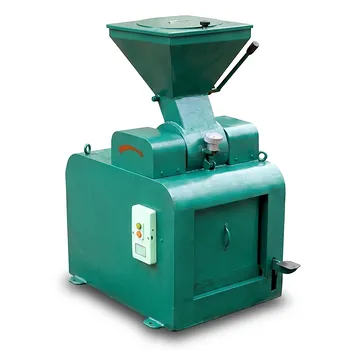
Laboratory Sealed Hammer Crushers for Coal Sample Preparation and Medium Strength Material Crushing