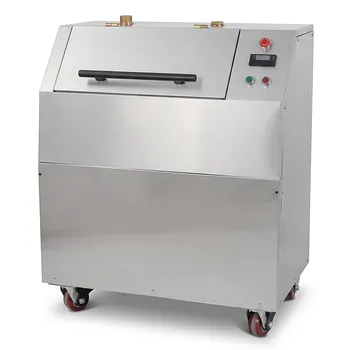
How are vibratory sieve shakers used to evaluate the mechanical stability of pellet-based tablets? Ensure Durability.
Updated 5 months ago
Vibratory sieve shakers evaluate the mechanical stability of pellet-based tablets by subjecting them to high-frequency, automated agitation. By applying specific vibration amplitudes, these machines simulate the physical stresses tablets encounter during transport, packaging, and handling. This process determines if tablets formed from cushioned pellets can maintain their structural integrity and resist chipping without the need for additional external excipients.
The core utility of a vibratory sieve shaker in tablet evaluation is its ability to provide a repeatable, rigorous stress test. By quantifying the mass of intact tablets versus the debris generated, researchers can objectively measure a formulation's durability and resistance to fragmentation.
Simulating Real-World Physical Stress
Automated Mechanical Agitation
The primary function of the shaker is to apply consistent mechanical energy to the tablets. Unlike manual methods, the device uses precisely controlled vibration amplitudes to ensure that every batch is tested under identical conditions.
Replicating Logistics and Packaging
The vibrations produced by the shaker mimic the dynamic forces found in supply chains. By adjusting the intensity and duration, technicians can simulate the constant motion of long-distance transport or the impact of high-speed automated packaging lines.
Testing Without Excipients
This method is particularly valuable for evaluating cushioned pellet systems. It verifies whether the pellets' own structural properties are sufficient to hold the tablet together, proving stability even when traditional binders or fillers are absent.
Quantifying Structural Integrity and Durability
Measuring Resistance to Chipping
Stability is determined by the tablet’s ability to remain whole under stress. If the pellets are not adequately bonded or "cushioned," the mechanical vibration will cause chipping or total disintegration of the tablet structure.
Analyzing Fines and Fragmentation
After the vibration cycle, the shaker uses standard test sieves to separate the intact tablets from the debris. By weighing the material that passes through a specific mesh size—often referred to as "fines"—engineers can calculate a precise percentage of mass loss.
Indicators of Process Stability
The resulting data, such as the ratio of oversize particles to fines, allows researchers to evaluate the effectiveness of the original pressing parameters. This helps in predicting whether the production process is stable and if the final product will meet international durability standards.
Understanding the Trade-offs
Vibration vs. Hardness Testing
While a vibratory shaker is excellent for simulating abrasion and transport stress, it does not measure "crush strength" or diametrical breaking force. It provides a holistic view of structural durability rather than a single point of failure under compression.
Impact of Sample Size
If the sample size is too small, the results may not accurately represent the batch. Conversely, overloading the sieves can dampen the vibration, leading to underestimated fragmentation rates and inaccurate stability data.
Sensitivity to Amplitude Settings
Slight variations in the vibration amplitude can significantly alter the outcome. It is critical to standardize settings across all tests to ensure that the data remains comparable between different formulations or production runs.
How to Apply This to Your Project
When utilizing a vibratory sieve shaker for stability testing, your approach should change based on your specific development phase.
- If your primary focus is formulation development: Use the shaker to compare different pellet coating ratios to see which provides the highest resistance to chipping without adding extra binders.
- If your primary focus is quality control: Establish a standardized duration and amplitude (e.g., 5-10 minutes) to calculate the mass percentage of intact tablets, ensuring they meet a minimum durability threshold (typically >97.5%).
- If your primary focus is logistics planning: Run extended vibration cycles to simulate the specific "worst-case" mechanical stress your packaging will encounter during international shipping.
By integrating vibratory stress testing into your workflow, you ensure that pellet-based tablets are not only stable in the lab but also resilient throughout the entire consumer supply chain.
Summary Table:
| Feature | Application in Tablet Testing | Key Benefit |
|---|---|---|
| Mechanical Agitation | Simulates transport and handling stress | Replicates real-world physical forces |
| Amplitude Control | Standardizes stress intensity | Ensures repeatable, objective results |
| Sieve Separation | Isolates "fines" from intact tablets | Quantifies fragmentation and mass loss |
| Mass Loss Analysis | Measures structural integrity | Validates binder-free pellet formulations |
Optimize Your Tablet Formulation with Expert Solutions
Ensure your pellet-based tablets withstand the rigors of the supply chain with professional-grade testing and preparation equipment. At [Brand Name], we provide complete laboratory sample preparation solutions for material science, specializing in high-precision powder processing and compaction equipment.
Our extensive lines are designed to support your R&D and QC workflows:
- Sieve Shakers: Vibratory and air-jet models with precision test sieves for rigorous stability and particle analysis.
- Hydraulic Presses: A full spectrum including Cold/Warm Isostatic Presses (CIP/WIP), vacuum hot presses, and XRF pellet presses for perfect tablet formation.
- Milling & Crushing: High-performance planetary ball mills, jet mills, and jaw crushers for superior powder preparation.
- Mixing: Specialized powder mixers and defoaming mixers to ensure uniform material distribution.
Whether you are developing new cushioned pellet systems or optimizing production parameters, our expertise in material processing ensures your final product meets international durability standards.
Contact Our Technical Experts Today to Find Your Solution
References
- Saliha Moutaharrik, Anastasia Foppoli. Cushion-coated pellets for tableting without external excipients. DOI: 10.1016/j.ijpharm.2024.123874
Mentioned Products
- Vibratory Sieve Shaker Electromagnetic 3D Motion Powder Particle Size Analyzer for Dry and Wet Sieving
- Laboratory Dry and Wet Three Dimensional Vibratory Sieve Shaker for Particle Analysis
- Dry Three Dimensional Vibratory Sieve Shaker
- Stainless Steel Laboratory Vibratory Test Sieve Shaker
- Heavy Duty Dry Three Dimensional Vibratory Sieve Shaker for Particle Separation
People Also Ask
- How does a vibratory sieve shaker contribute to optimizing the performance of activated carbon? Enhance Adsorption Precision
- Why is a laboratory vibratory sieve shaker necessary for processing magnesium-based borate precursor powders? Boost Activity
- Why use a vibratory sieve shaker to verify coarse aggregate grading in rubberized concrete? Ensure Structural Integrity
- What function do vibratory sieve shakers and standard test sieves serve in the preparation of adsorbents? Key Guide
- What role does a vibratory sieve shaker play in the particle size analysis of ground corn products? Enhance QC Precision

Tech Team · PowderPreparation
Last updated on May 14, 2026
Related Products
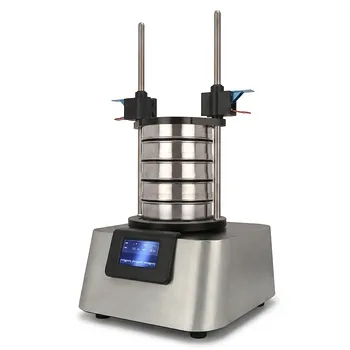
Vibratory Sieve Shaker Electromagnetic 3D Motion Powder Particle Size Analyzer for Dry and Wet Sieving
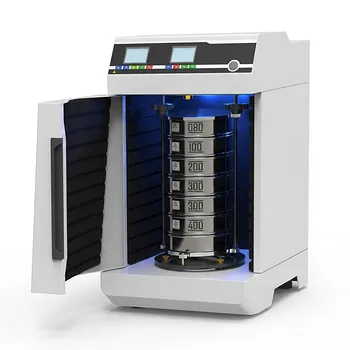
Laboratory Dry and Wet Three Dimensional Vibratory Sieve Shaker for Particle Analysis
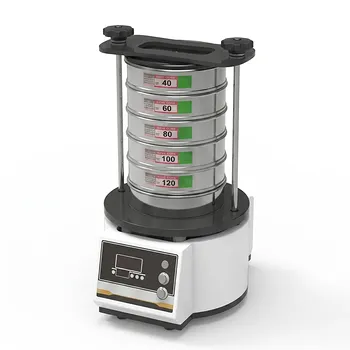
Dry Three Dimensional Vibratory Sieve Shaker
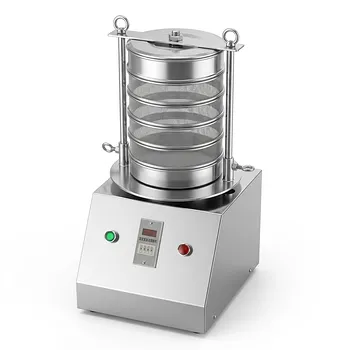
Stainless Steel Laboratory Vibratory Test Sieve Shaker
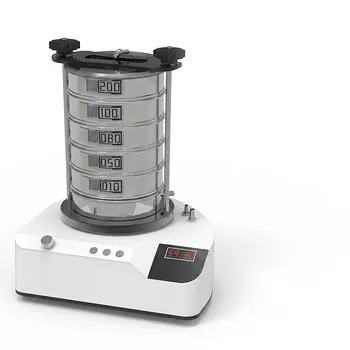
Heavy Duty Dry Three Dimensional Vibratory Sieve Shaker for Particle Separation
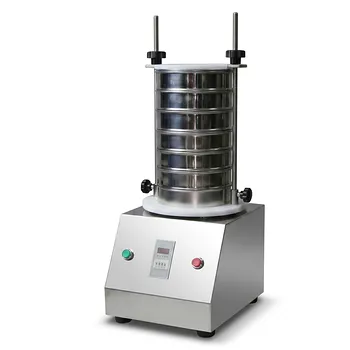
Small Laboratory Vibratory Sieve Shaker for Powder Gradation and Particle Size Analysis
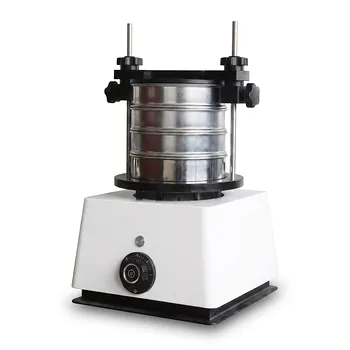
Small Laboratory Vibrating Sieve Shaker for Precise Particle Size Analysis
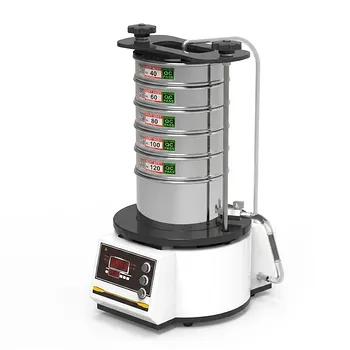
High Frequency Wet Three-Dimensional Vibrating Sieve Shaker for Dry and Wet Particle Size Analysis
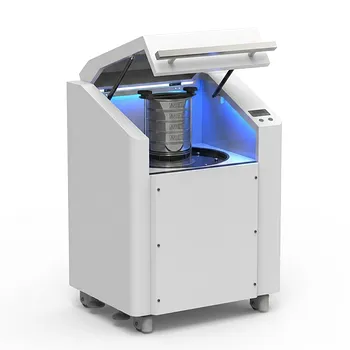
High Frequency Cabinet Type Three-Dimensional Rotary Vibrating Sieve Shaker for Dry Sieving and Particle Classification
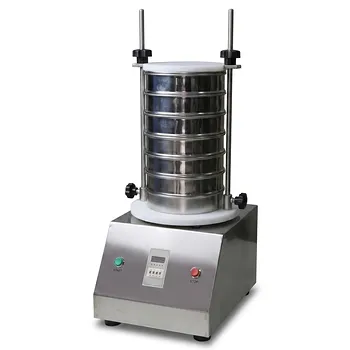
Laboratory Vibratory Test Sieve Shaker for Precision Particle Size Analysis and Powder Grading
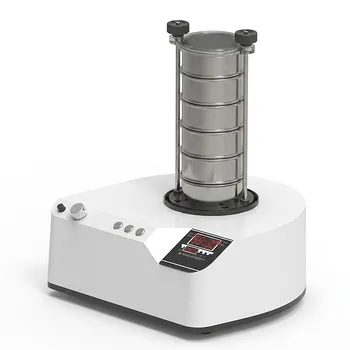
三维电磁微量振动筛分仪
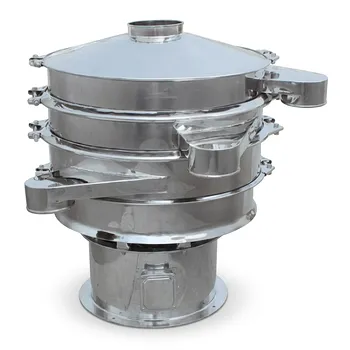
Stainless Steel Rotary Vibrating Sieve High Precision Circular Vibratory Separator Industrial Powder Grading Machine Multi Layer Sifting Equipment
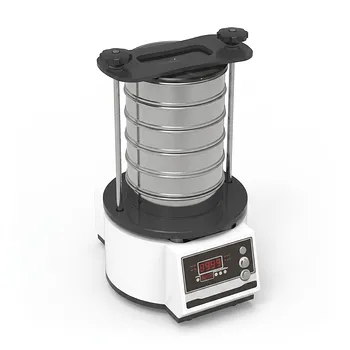
Tapping Oscillating Sieve Shaker for Dry and Wet Particle Size Analysis
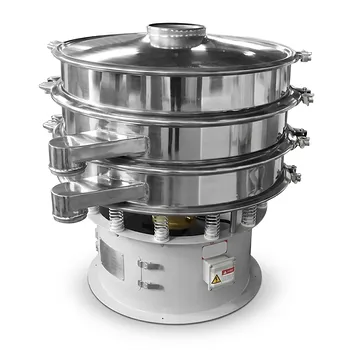
Three Dimensional Rotary Vibrating Sieve
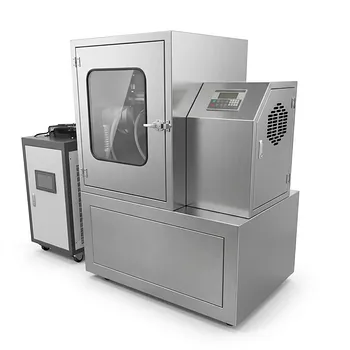
Vibratory Superfine Grinder for Ultra Fine Laboratory Powder Milling
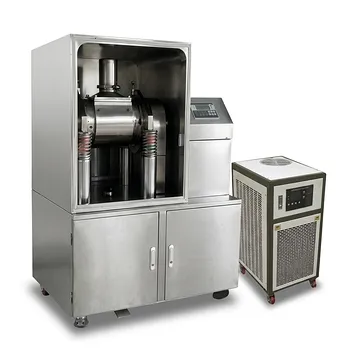
Small Vibrating Ultrafine Grinder for Traditional Chinese Medicine
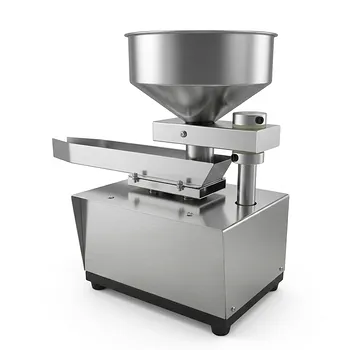
Automatic Vibrating Powder Feeder for Laboratory Material Processing Precision Vibratory Hopper Feeder for Granular and Powder Material Handling Industrial Grade Vibrating Tray Feeder for Consistent Material Sample Preparation