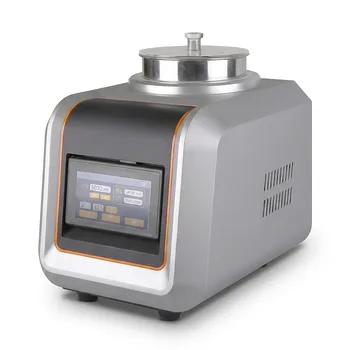
How are vibratory sieve shakers and test sieve sets used for aggregate analysis? Optimize Concrete Strength & Cost
Updated 5 months ago
Particle size analysis in concrete production is executed by placing aggregate samples into a stack of standard test sieves and subjecting them to controlled mechanical vibration via a shaker. This process separates coarse and fine aggregates—ranging from 25mm crushed stone to sub-5mm sand—into specific size fractions to determine the material's grading curve and overall quality.
Sieve analysis provides the empirical data necessary to optimize the packing density of aggregates. By ensuring a continuous distribution of particle sizes, engineers can significantly reduce the void ratio, thereby minimizing the amount of cement paste required while maximizing the mechanical strength of the concrete.
The Mechanics of Aggregate Classification
Vertical Stack Configuration
Standard test sieves are arranged in a vertical column with the largest aperture sizes at the top and the smallest at the bottom, terminating in a collection pan. This configuration ensures that particles are progressively filtered as they move down the stack.
The Role of Controlled Vibration
The vibratory sieve shaker provides the energy required to overcome friction between particles. This mechanical action forces the aggregate to reorient itself repeatedly, ensuring every particle has multiple opportunities to pass through the mesh openings.
Separating Fine and Coarse Aggregates
This method is equally critical for fine aggregates (sand) and coarse aggregates (crushed stone). Precise separation allows producers to blend materials to meet specific "grading envelopes" required by construction standards.
Translating Sieve Data into Performance
Determining the Grading Curve
By weighing the material retained on each individual sieve, technicians calculate the cumulative percentage passing. This data is used to plot a grading curve, which serves as a visual benchmark for the aggregate’s suitability for specific concrete mixes.
Calculating Uniformity and Curvature
The analysis enables the calculation of the uniformity coefficient (Cu) and the curvature coefficient (Cc). These values are essential metrics for evaluating whether an aggregate is "well-graded" or "poorly graded," which directly impacts the workability of fresh concrete.
Impact on Cement Consumption
A well-graded aggregate mix fills internal gaps more efficiently than a uniform one. This reduces the void ratio, meaning less cement paste is needed to coat the particles and fill the spaces, leading to significant cost savings and reduced thermal cracking.
Understanding the Trade-offs and Pitfalls
The Risk of Sieve Overloading
Loading too much aggregate onto the top sieve can lead to blinding, where particles become wedged in the mesh. This prevents the passage of smaller particles and results in inaccurate, skewed data regarding the material's fineness.
Degradation from Excessive Vibration
If the vibration period is too long or too intense, softer aggregates may undergo mechanical degradation. This artificial breakage creates an excess of "fines" that are not present in the original bulk material, leading to flawed mix designs.
Maintenance of Mesh Integrity
Standard sieves are precision instruments that can lose accuracy over time due to wear or improper cleaning. Regularly verifying sieve apertures is necessary to ensure the repeatability and reliability of the particle size distribution (PSD) analysis.
How to Apply This to Your Project
When utilizing sieve analysis for concrete design, your specific project requirements should dictate your focus:
- If your primary focus is cost optimization: Use the grading data to achieve maximum packing density, which allows for the reduction of the cement-to-aggregate ratio without sacrificing strength.
- If your primary focus is structural durability: Ensure the aggregate fits a continuous grading curve to minimize porosity and improve the density and mechanical performance of the hardened material.
- If your primary focus is mix workability: Monitor the fine aggregate fractions (sand) closely, as the distribution of these smaller particles heavily influences the flow and finishability of fresh concrete.
Accurate sieve analysis transforms raw bulk aggregates into a engineered component essential for high-performance concrete.
Summary Table:
| Feature/Metric | Role in Particle Size Analysis | Impact on Concrete Performance |
|---|---|---|
| Vertical Stack | Progressively filters particles from coarse to fine | Ensures accurate separation of stone and sand |
| Vibration Action | Overcomes friction to reorient particles | Improves repeatability and prevents mesh blinding |
| Grading Curve | Visualizes cumulative percentage passing | Benchmarks suitability for specific mix designs |
| Void Ratio | Identifies gaps between aggregate particles | Minimizes cement usage while maximizing density |
| Cu & Cc Coefficients | Evaluates if the material is "well-graded" | Directly influences workability and durability |
Elevate Your Material Analysis with Precision Equipment
Achieving the perfect concrete mix starts with precise sample preparation and analysis. As specialists in complete laboratory sample preparation solutions for material science, we provide the tools you need to optimize packing density and structural integrity.
From initial size reduction using our robust jaw and roll crushers to high-precision classification with our vibratory and air-jet sieve shakers, we cover every step of the aggregate testing workflow. Our expertise extends to advanced powder processing, including planetary ball mills, jet mills, and mixers, as well as a full spectrum of hydraulic presses (Cold/Warm Isostatic Presses, XRF pellet presses, and vacuum hot presses) for superior material compaction.
Whether you are focused on cost optimization or structural durability, our equipment ensures reliable, repeatable results. Contact our technical team today to discuss how our powder processing and compaction solutions can enhance your laboratory’s capabilities!
References
- Chidobere Nwa-David. The Behaviour of Concrete Made with Nanosized Periwinkle Shell Ash as Partial Replacement of Cement Under Varying Curing Conditions with Emphasis on Its Compressive Strength. DOI: 10.5281/zenodo.8301486
Mentioned Products
- Vibratory Sieve Shaker Electromagnetic 3D Motion Powder Particle Size Analyzer for Dry and Wet Sieving
- Laboratory Dry and Wet Three Dimensional Vibratory Sieve Shaker for Particle Analysis
- Stainless Steel Laboratory Vibratory Test Sieve Shaker
- Heavy Duty Dry Three Dimensional Vibratory Sieve Shaker for Particle Separation
- Dry Three Dimensional Vibratory Sieve Shaker
People Also Ask
- How does a vibratory sieve shaker contribute to optimizing the performance of activated carbon? Enhance Adsorption Precision
- Why is a laboratory vibratory sieve shaker necessary for processing magnesium-based borate precursor powders? Boost Activity
- Why use a vibratory sieve shaker to verify coarse aggregate grading in rubberized concrete? Ensure Structural Integrity
- What function do vibratory sieve shakers and standard test sieves serve in the preparation of adsorbents? Key Guide
- What role does a vibratory sieve shaker play in the particle size analysis of ground corn products? Enhance QC Precision

Tech Team · PowderPreparation
Last updated on May 14, 2026
Related Products
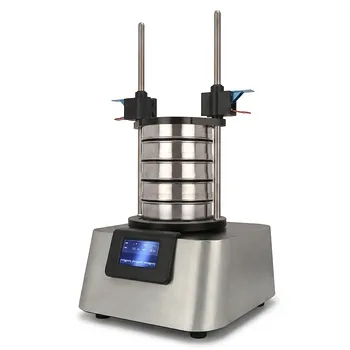
Vibratory Sieve Shaker Electromagnetic 3D Motion Powder Particle Size Analyzer for Dry and Wet Sieving
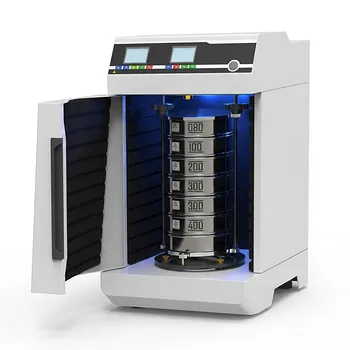
Laboratory Dry and Wet Three Dimensional Vibratory Sieve Shaker for Particle Analysis
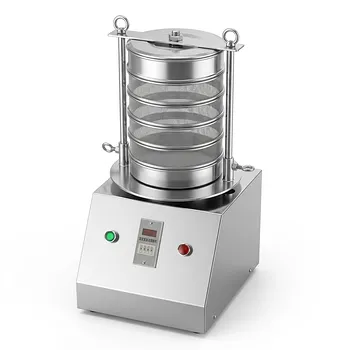
Stainless Steel Laboratory Vibratory Test Sieve Shaker
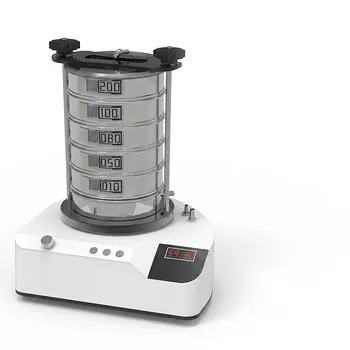
Heavy Duty Dry Three Dimensional Vibratory Sieve Shaker for Particle Separation
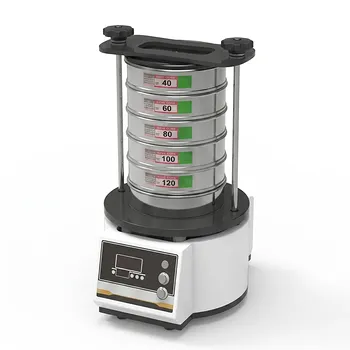
Dry Three Dimensional Vibratory Sieve Shaker
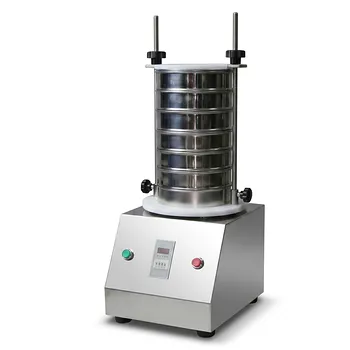
Small Laboratory Vibratory Sieve Shaker for Powder Gradation and Particle Size Analysis
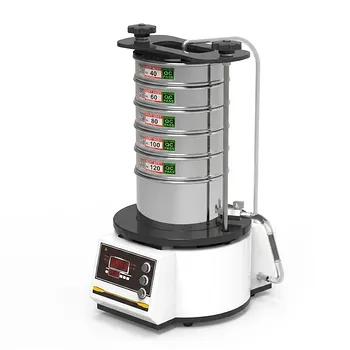
High Frequency Wet Three-Dimensional Vibrating Sieve Shaker for Dry and Wet Particle Size Analysis

Small Laboratory Vibrating Sieve Shaker for Precise Particle Size Analysis
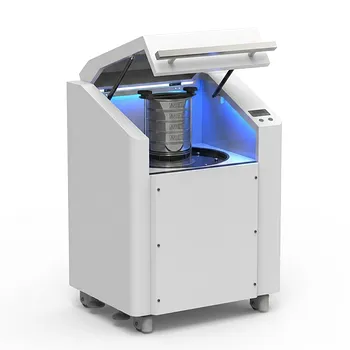
High Frequency Cabinet Type Three-Dimensional Rotary Vibrating Sieve Shaker for Dry Sieving and Particle Classification

Laboratory Vibratory Test Sieve Shaker for Precision Particle Size Analysis and Powder Grading
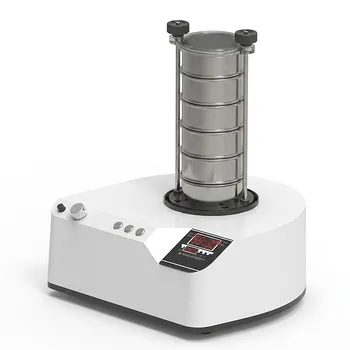
三维电磁微量振动筛分仪
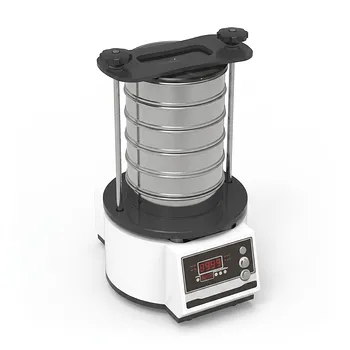
Tapping Oscillating Sieve Shaker for Dry and Wet Particle Size Analysis

Stainless Steel Rotary Vibrating Sieve High Precision Circular Vibratory Separator Industrial Powder Grading Machine Multi Layer Sifting Equipment
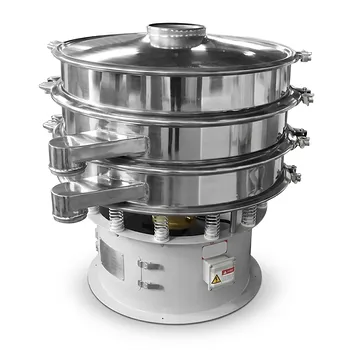
Three Dimensional Rotary Vibrating Sieve
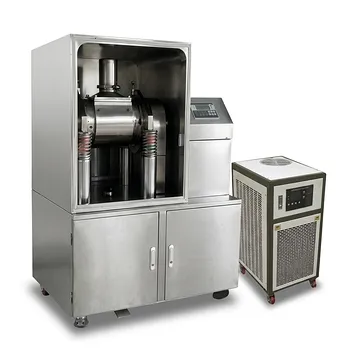
Small Vibrating Ultrafine Grinder for Traditional Chinese Medicine

Automatic Vibrating Powder Feeder for Laboratory Material Processing Precision Vibratory Hopper Feeder for Granular and Powder Material Handling Industrial Grade Vibrating Tray Feeder for Consistent Material Sample Preparation
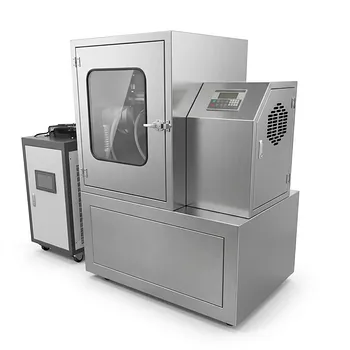
Vibratory Superfine Grinder for Ultra Fine Laboratory Powder Milling
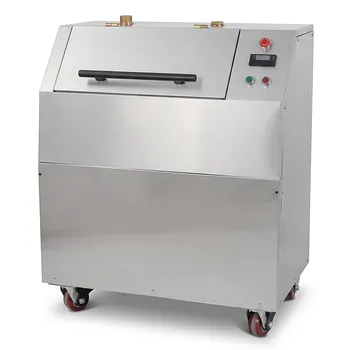
Vibratory Disc Mill for Rapid Fine Grinding and High Throughput Sample Preparation of Hard and Brittle Materials