How are vibratory sieve shakers and test sieves used for crushed chert gravel analysis? Optimize Your Crushing Process
Updated 5 months ago
The analysis of crushed chert gravel relies on vibratory sieve shakers and standard test sieves to physically separate materials into specific size fractions. This process allows technicians to calculate the gravel-to-sand ratio and generate cumulative distribution curves. It is the fundamental method for scientifically measuring how effectively pretreatment technologies and crushers convert coarse gravel into usable fine fractions.
Sieve analysis provides the empirical data required to validate crushing efficiency, verify numerical simulations, and ensure that chert aggregates meet the precise gradation requirements for high-performance industrial applications.
Quantifying Grading and Conversion Rates
Calculating the Gravel-to-Sand Ratio
Technicians utilize high-precision test sieves, typically ranging from 25 mm down to 75 µm, to categorize crushed chert. By weighing the material retained on each sieve, the gravel-to-sand ratio can be calculated. This ratio serves as a primary metric for determining the success of the crushing process.
Measuring Pretreatment Effectiveness
Vibratory shakers allow for a repeatable, scientific measurement of how pretreatment technologies impact material refinement. By comparing sieve data before and after treatment, engineers can quantify the conversion rate of coarse gravel into finer sand fractions. This data-driven approach ensures that processing refinements are based on objective physical evidence.
Validating Mechanical Performance and Simulations
Evaluating Crusher Crushing Ratios
The mass distribution data collected from sieving is used to plot cumulative passing percentage curves. These curves are essential for determining if the discharge opening settings of a crusher are optimized for the desired output. If the curve shifts outside of target parameters, it indicates a need for mechanical adjustment.
Verifying Discrete Element Method (DEM) Simulations
Modern engineering often uses DEM simulations to predict how chert will behave during processing. Physical sieve analysis provides the "ground truth" data necessary to verify these digital models. Aligning simulation results with physical sieve data ensures that future plant designs and optimizations are technically sound.
Optimizing Material for Engineering Standards
Achieving Maximum Packing Density
Accurate gradation analysis is critical for optimizing particle arrangement to minimize porosity within a mix. By ensuring a continuous distribution of sizes, engineers can reduce the volume of cement paste required in concrete. This optimization directly improves the mechanical performance and durability of the final product.
Compliance with Civil Engineering Standards
Vibratory sieve shakers provide the reproducible digital settings required to meet standards such as ASTM C136. This compliance is mandatory for chert gravel used in asphalt mix designs and high-performance concrete. Following these protocols ensures that the fine aggregate meets strict proportioning requirements for government and commercial infrastructure.
Understanding Technical Trade-offs and Limitations
Addressing Particle Shape and Sieve Blinding
Crushed chert can produce needle-shaped or flat particles that tend to block or "blind" sieve apertures. Utilizing throw-action vibratory shakers is often necessary to keep these irregular particles in motion. Without proper vibration frequencies, the shaker may return an inaccurate size distribution.
Limitations of Mechanical Separation
While sieving is the gold standard for size analysis, it does not provide information on the mineralogical purity or hardness of the chert. It is a measurement of geometry and mass, not material chemistry. For a complete profile, sieve analysis should be supplemented with chemical or petrographic testing if the chert's reactive properties are a concern.
How to Apply This to Your Project
- If your primary focus is equipment optimization: Use the cumulative passing curves to fine-tune your crusher's discharge settings and verify the crushing ratio.
- If your primary focus is research and development: Focus on the gravel-to-sand ratio to quantitatively prove the effectiveness of new pretreatment or grinding technologies.
- If your primary focus is quality control for construction: Prioritize adherence to ASTM C136 protocols to ensure your chert aggregate meets the gradation requirements for high-performance concrete.
Implementing a rigorous vibratory sieve analysis protocol ensures that your material processing is both scientifically validated and industrially compliant.
Summary Table:
| Key Metric/Function | Purpose of Analysis | Industrial Impact |
|---|---|---|
| Gravel-to-Sand Ratio | Measures conversion of coarse to fine fractions | Validates crushing efficiency & pretreatment effectiveness |
| Cumulative Passing Curves | Evaluates particle size distribution (PSD) | Optimizes crusher discharge settings & verifies DEM simulations |
| Packing Density Optimization | Reduces porosity in material mixes | Lowers cement consumption & improves concrete durability |
| ASTM C136 Compliance | Ensures repeatable gradation standards | Meets strict civil engineering & infrastructure requirements |
Elevate Your Material Analysis with Precision Equipment
At [Brand Name], we provide complete laboratory sample preparation solutions tailored for material science and industrial R&D. Whether you are analyzing crushed chert or developing high-performance aggregates, our specialized powder processing and compaction equipment ensures accuracy and repeatability.
Our comprehensive product line includes:
- Sieving & Particle Analysis: Advanced vibratory and air-jet sieve shakers with high-precision test sieves and meshes.
- Crushing & Milling: High-durability jaw/roll crushers, planetary ball mills, jet mills, and cryogenic grinders.
- Powder Compaction: A full spectrum of hydraulic presses, including Cold/Warm Isostatic Presses (CIP/WIP), vacuum hot presses, and XRF pellet presses.
- Mixing: High-efficiency powder mixers and vacuum defoaming mixers.
From equipment optimization to regulatory compliance, our tools are designed to give you the "ground truth" data your projects demand. Contact us today to find the perfect solution for your lab!
References
- Mark Tzibulsky, Vladimir Frid. The Comminution of Chert Gravel by Microwave Irradiation. DOI: 10.3390/resources13050063
Mentioned Products
- Vibratory Sieve Shaker Electromagnetic 3D Motion Powder Particle Size Analyzer for Dry and Wet Sieving
- Heavy Duty Dry Three Dimensional Vibratory Sieve Shaker for Particle Separation
- Laboratory Dry and Wet Three Dimensional Vibratory Sieve Shaker for Particle Analysis
- Dry Three Dimensional Vibratory Sieve Shaker
- Stainless Steel Laboratory Vibratory Test Sieve Shaker
People Also Ask
- How does a vibratory sieve shaker contribute to optimizing the performance of activated carbon? Enhance Adsorption Precision
- Why is a laboratory vibratory sieve shaker necessary for processing magnesium-based borate precursor powders? Boost Activity
- Why use a vibratory sieve shaker to verify coarse aggregate grading in rubberized concrete? Ensure Structural Integrity
- What function do vibratory sieve shakers and standard test sieves serve in the preparation of adsorbents? Key Guide
- What role does a vibratory sieve shaker play in the particle size analysis of ground corn products? Enhance QC Precision

Tech Team · PowderPreparation
Last updated on May 14, 2026
Related Products
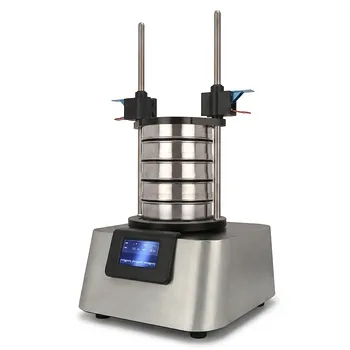
Vibratory Sieve Shaker Electromagnetic 3D Motion Powder Particle Size Analyzer for Dry and Wet Sieving
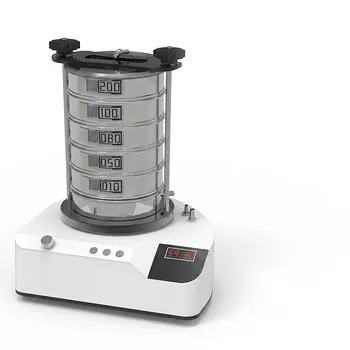
Heavy Duty Dry Three Dimensional Vibratory Sieve Shaker for Particle Separation
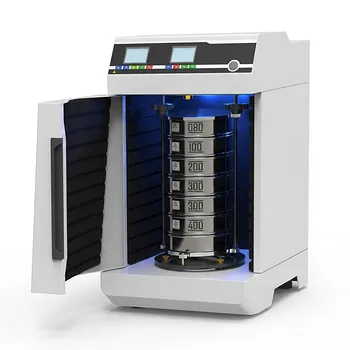
Laboratory Dry and Wet Three Dimensional Vibratory Sieve Shaker for Particle Analysis
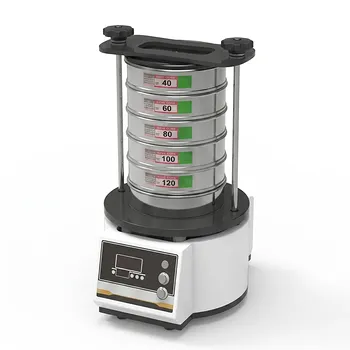
Dry Three Dimensional Vibratory Sieve Shaker
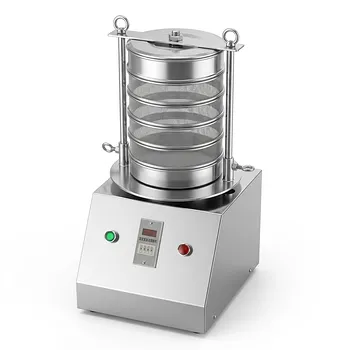
Stainless Steel Laboratory Vibratory Test Sieve Shaker
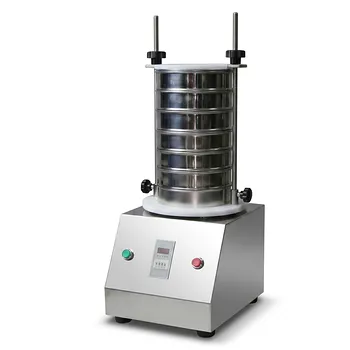
Small Laboratory Vibratory Sieve Shaker for Powder Gradation and Particle Size Analysis
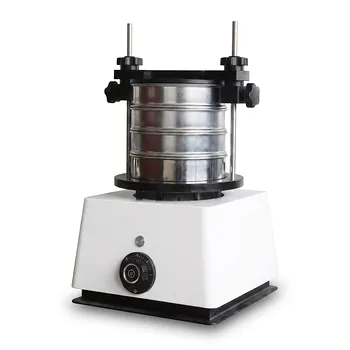
Small Laboratory Vibrating Sieve Shaker for Precise Particle Size Analysis
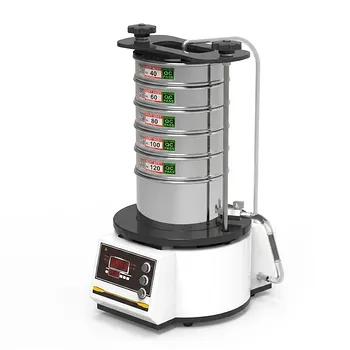
High Frequency Wet Three-Dimensional Vibrating Sieve Shaker for Dry and Wet Particle Size Analysis
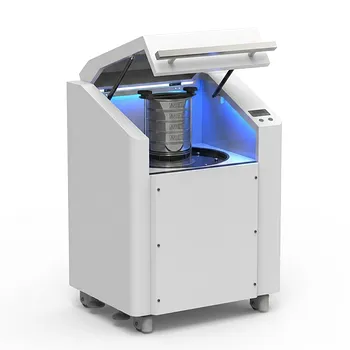
High Frequency Cabinet Type Three-Dimensional Rotary Vibrating Sieve Shaker for Dry Sieving and Particle Classification
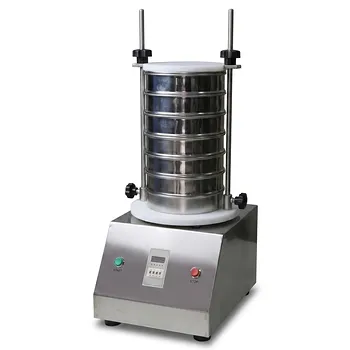
Laboratory Vibratory Test Sieve Shaker for Precision Particle Size Analysis and Powder Grading
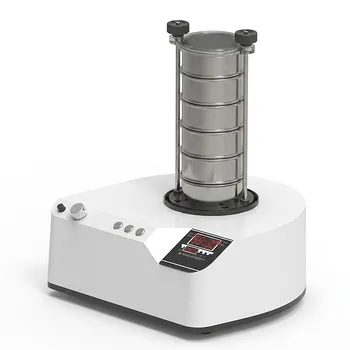
三维电磁微量振动筛分仪
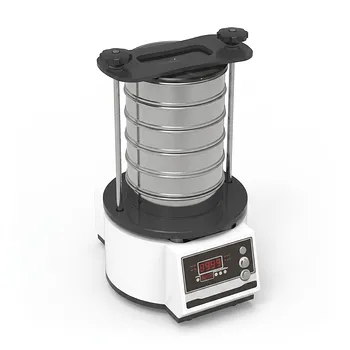
Tapping Oscillating Sieve Shaker for Dry and Wet Particle Size Analysis
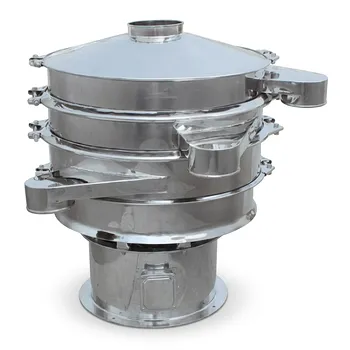
Stainless Steel Rotary Vibrating Sieve High Precision Circular Vibratory Separator Industrial Powder Grading Machine Multi Layer Sifting Equipment
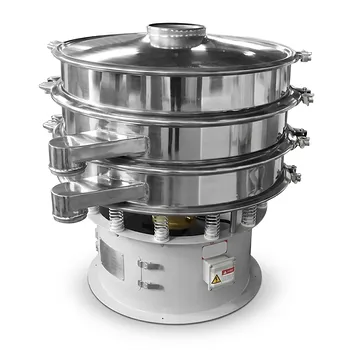
Three Dimensional Rotary Vibrating Sieve
Small Vibrating Ultrafine Grinder for Traditional Chinese Medicine
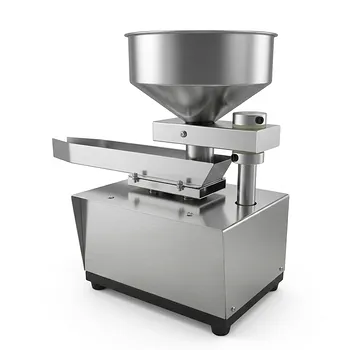
Automatic Vibrating Powder Feeder for Laboratory Material Processing Precision Vibratory Hopper Feeder for Granular and Powder Material Handling Industrial Grade Vibrating Tray Feeder for Consistent Material Sample Preparation
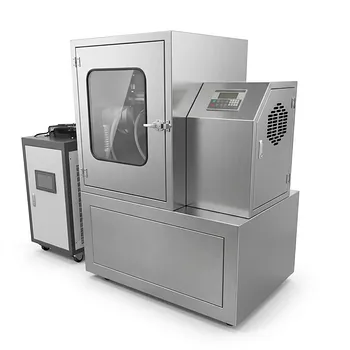
Vibratory Superfine Grinder for Ultra Fine Laboratory Powder Milling
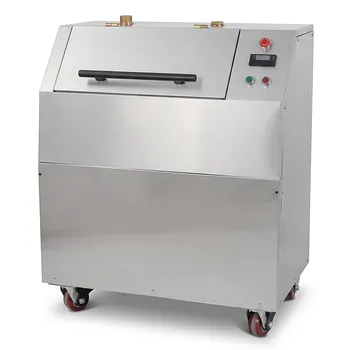
Vibratory Disc Mill for Rapid Fine Grinding and High Throughput Sample Preparation of Hard and Brittle Materials