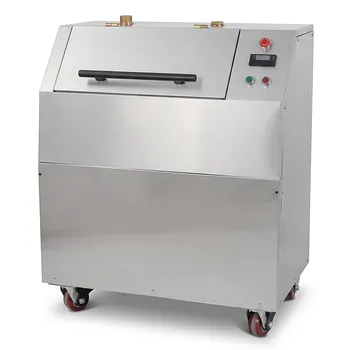
How are vibratory sieve shakers used for earth brick soil classification? Optimize Particle Size for Stronger Bricks
Updated 5 months ago
Vibratory sieve shakers and test sieves are the primary tools for quantifying the particle size distribution of soil to determine its suitability for stabilization. By passing dry soil through a stack of graduated apertures, technicians isolate the exact percentages of sand, silt, and clay. This data is critical for identifying if a soil sample meets the sandy loam profile required for high-density, structurally sound pressed bricks.
Sieve analysis provides the empirical foundation for soil classification by mechanically separating raw materials into distinct grain-size fractions. This process ensures the soil possesses the correct internal skeleton to respond effectively to compaction and chemical stabilizers.
The Role of Mechanical Separation in Soil Analysis
Determining Particle Size Distribution (PSD)
A vibratory sieve shaker subjects a soil sample to controlled mechanical vibration, forcing particles through a series of standard test sieves with decreasing aperture sizes. This process typically utilizes a range from 4.75mm down to 0.075mm (75 micrometers) to create a particle size distribution curve.
This curve allows technicians to calculate the precise mass percentage of each fraction. Understanding these proportions is the first step in assessing whether the raw material requires modification before it can be used for brick production.
Identifying Soil Texture and Categorization
The data gathered from sieving allows for the technical categorization of soil into types such as clayey sand (SC) or laterite. For stabilized earth bricks, the goal is often to confirm the soil falls into the sandy loam category.
Sandy loam provides the ideal balance of coarse particles for structural volume and fine particles for cohesion. This specific classification is a prerequisite for ensuring the structural stability and durability of the final pressed product.
Impact on Stabilization and Brick Integrity
Optimizing Stabilizer Dosage
Once the particle distribution is known, engineers can determine the appropriate type and amount of additive, such as cement, lime, or fly ash. Soils with high fine content may require different stabilizer ratios to neutralize expansion and ensure long-term performance.
The sieve analysis helps predict the soil's engineering behavior under different conditions. This prevents the wasteful over-application of stabilizers while ensuring the brick meets minimum strength requirements.
Ensuring Compaction and Density
The mechanical grading of soil directly influences how the material responds to vertical confinement pressures during the pressing process. A well-graded soil—containing a variety of particle sizes—fills voids more efficiently than a poorly graded one.
Achieving maximum dry density is essential for reducing porosity and increasing the water resistance of the brick. Sieve shakers ensure that the raw material has the "physical foundation" necessary for successful compaction.
Understanding the Trade-offs and Limitations
The Challenge of Fine Particle Adhesion
While vibratory shakers are highly effective for dry separation, they can struggle with cohesive soils where clay particles stick to larger grains or each other. This can lead to an underestimation of the fine particle content (silt and clay) if the sample is not properly dried or pre-treated.
In such cases, mechanical sieving alone may not provide a complete picture of the soil's chemistry. It must often be paired with hydrometer testing to accurately analyze the particles that pass through the smallest (No. 200) sieve.
Equipment Wear and Calibration
The accuracy of the classification depends entirely on the integrity of the test sieves. Over time, mechanical vibration and abrasive soil particles can stretch the mesh or wear down the frames, leading to "oversized" results.
Regular calibration and the use of high-quality materials like stainless steel or brass are necessary to maintain repeatability. Failure to maintain equipment can result in incorrect soil classification, leading to structural failures in the finished bricks.
Implementing Sieve Analysis in Your Project
Standardized testing is the only way to move from guesswork to predictable engineering in stabilized earth construction.
- If your primary focus is Structural Integrity: Use a full stack of sieves to ensure a well-graded particle distribution that maximizes dry density during pressing.
- If your primary focus is Economic Efficiency: Utilize sieve analysis to identify the minimum effective stabilizer dosage, reducing the cost of expensive additives like cement.
- If your primary focus is Material Sourcing: Perform site-wide sieve tests to locate soil deposits that naturally meet the "sandy loam" criteria, minimizing the need for off-site soil blending.
By precisely quantifying the physical makeup of your raw materials, you transform raw earth into a reliable, high-performance building component.
Summary Table:
| Process Stage | Equipment / Tool | Key Objective | Impact on Final Brick |
|---|---|---|---|
| Sieve Analysis | Vibratory Sieve Shaker & Test Sieves | Determine Particle Size Distribution (PSD) | Establishes the internal skeletal structure. |
| Classification | Graduated Mesh (4.75mm - 0.075mm) | Identify "Sandy Loam" profile | Ensures the soil is suitable for stabilization. |
| Formulation | Analysis Data | Optimize Cement/Lime/Stabilizer dosage | Reduces costs and prevents material waste. |
| Compaction | Mechanical Pressing | Achieve Maximum Dry Density | Increases water resistance and structural strength. |
Elevate Your Material Analysis with Precision Equipment
At [Your Brand Name], we provide complete laboratory sample preparation solutions tailored for material science and civil engineering. Whether you are classifying soil for stabilized earth bricks or processing advanced ceramics, our equipment ensures accuracy and repeatability.
Our Specialized Product Lines Include:
- Powder Processing: High-performance crushers (jaw/roll), liquid nitrogen cryogenic grinders, and advanced mills (planetary ball, jet, and rotor).
- Particle Characterization: Professional vibratory and air-jet sieve shakers equipped with precision test sieves for rigorous PSD analysis.
- Compaction & Mixing: A full spectrum of hydraulic presses—including Cold/Warm Isostatic Presses (CIP/WIP), hot presses, and XRF pellet presses—alongside powder and defoaming mixers.
From identifying the perfect sandy loam to achieving maximum dry density in your pressed products, we help you transform raw materials into high-performance components.
Ready to optimize your lab's workflow? Contact our technical experts today to find the perfect solution for your project!
References
- U. B. Markus, Jen-Kuan Yau. Assessment of the Properties of Compressed Earth Bricks Stabilized with Locust Bean Pod Powder. DOI: 10.52589/ajste-aqp0zuhb
Mentioned Products
- Vibratory Sieve Shaker Electromagnetic 3D Motion Powder Particle Size Analyzer for Dry and Wet Sieving
- Laboratory Dry and Wet Three Dimensional Vibratory Sieve Shaker for Particle Analysis
- Dry Three Dimensional Vibratory Sieve Shaker
- Stainless Steel Laboratory Vibratory Test Sieve Shaker
- Heavy Duty Dry Three Dimensional Vibratory Sieve Shaker for Particle Separation
People Also Ask
- How does a vibratory sieve shaker contribute to optimizing the performance of activated carbon? Enhance Adsorption Precision
- Why is a laboratory vibratory sieve shaker necessary for processing magnesium-based borate precursor powders? Boost Activity
- Why use a vibratory sieve shaker to verify coarse aggregate grading in rubberized concrete? Ensure Structural Integrity
- What function do vibratory sieve shakers and standard test sieves serve in the preparation of adsorbents? Key Guide
- What role does a vibratory sieve shaker play in the particle size analysis of ground corn products? Enhance QC Precision

Tech Team · PowderPreparation
Last updated on May 14, 2026
Related Products
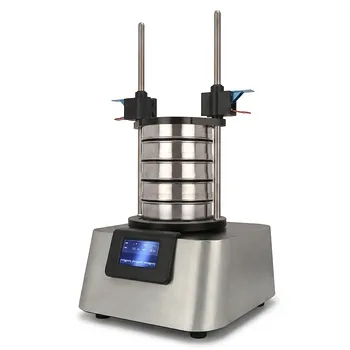
Vibratory Sieve Shaker Electromagnetic 3D Motion Powder Particle Size Analyzer for Dry and Wet Sieving
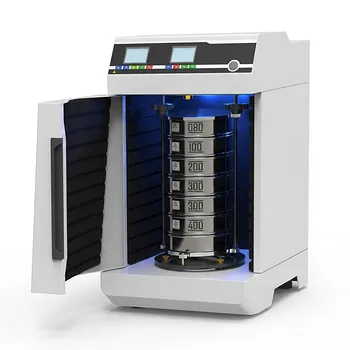
Laboratory Dry and Wet Three Dimensional Vibratory Sieve Shaker for Particle Analysis
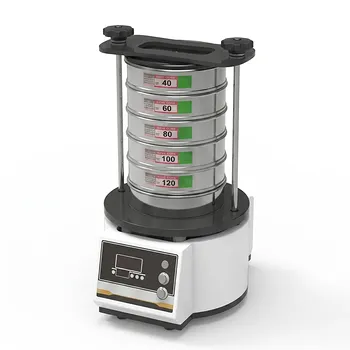
Dry Three Dimensional Vibratory Sieve Shaker
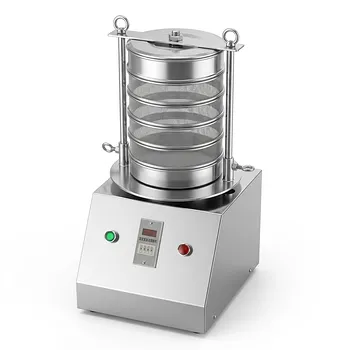
Stainless Steel Laboratory Vibratory Test Sieve Shaker
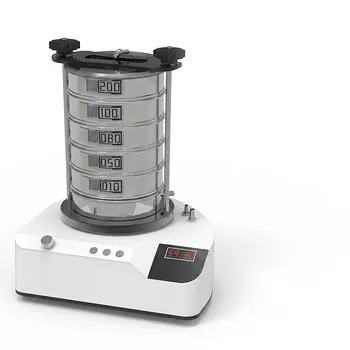
Heavy Duty Dry Three Dimensional Vibratory Sieve Shaker for Particle Separation
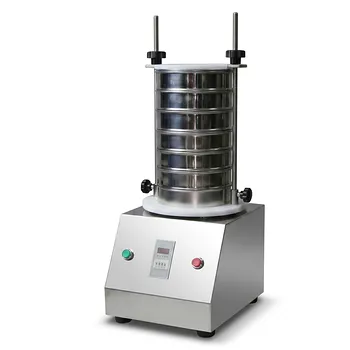
Small Laboratory Vibratory Sieve Shaker for Powder Gradation and Particle Size Analysis
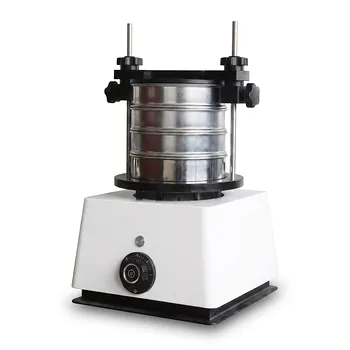
Small Laboratory Vibrating Sieve Shaker for Precise Particle Size Analysis
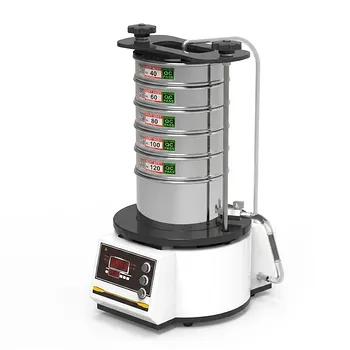
High Frequency Wet Three-Dimensional Vibrating Sieve Shaker for Dry and Wet Particle Size Analysis
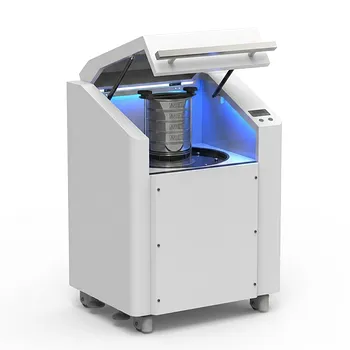
High Frequency Cabinet Type Three-Dimensional Rotary Vibrating Sieve Shaker for Dry Sieving and Particle Classification
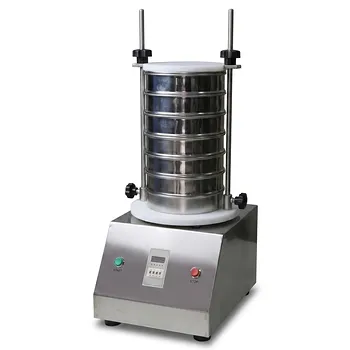
Laboratory Vibratory Test Sieve Shaker for Precision Particle Size Analysis and Powder Grading
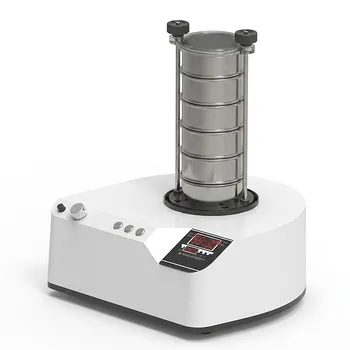
三维电磁微量振动筛分仪
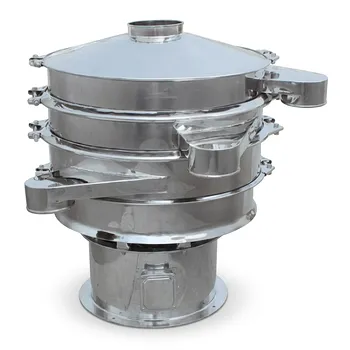
Stainless Steel Rotary Vibrating Sieve High Precision Circular Vibratory Separator Industrial Powder Grading Machine Multi Layer Sifting Equipment
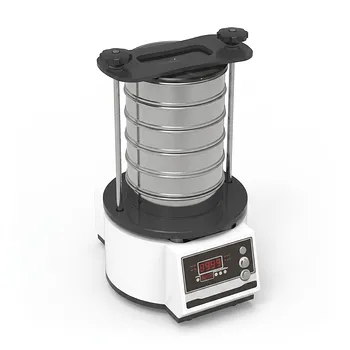
Tapping Oscillating Sieve Shaker for Dry and Wet Particle Size Analysis
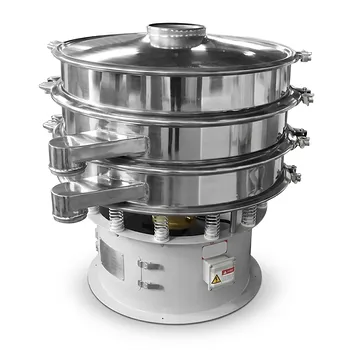
Three Dimensional Rotary Vibrating Sieve
Vibratory Superfine Grinder for Ultra Fine Laboratory Powder Milling
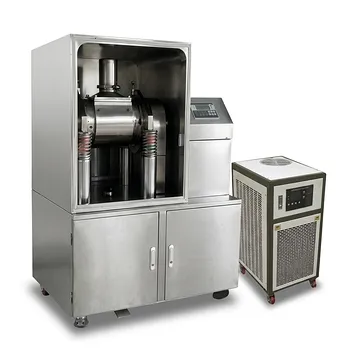
Small Vibrating Ultrafine Grinder for Traditional Chinese Medicine

Automatic Vibrating Powder Feeder for Laboratory Material Processing Precision Vibratory Hopper Feeder for Granular and Powder Material Handling Industrial Grade Vibrating Tray Feeder for Consistent Material Sample Preparation