How are standard test sieves and vibratory sieve shakers utilized for PSD? Optimize Quarry Dust & Waste Plastic Grading
Updated 5 months ago
Standard test sieves and vibratory shakers quantify particle distribution through mechanical stratification. By stacking sieves with decreasing aperture sizes and applying standardized high-frequency vibrations, materials are physically separated into distinct size fractions. This process allows engineers to calculate the mass percentage of each fraction, determining the grading characteristics of materials like quarry dust and plastic powder.
The use of vibratory sieve shakers provides a consistent, repeatable method for evaluating the particle size distribution (PSD) of raw materials. This data is essential for optimizing the packing density and final mechanical performance of engineered products like interlocking bricks and refractory concrete.
The Mechanics of Vibratory Separation
The core of this process lies in the application of standardized mechanical force to ensure thorough separation of non-uniform particles.
Standardized Mechanical Force
A vibratory sieve shaker applies specific mechanical vibration frequencies to a vertical stack of sieves. This automated process ensures that particles are continuously agitated, allowing them to find the apertures that match their physical dimensions.
The Sieve Stack Configuration
Standard test sieves, often complying with ASTM E11:87, are arranged in descending order of aperture size. For materials like quarry dust and waste plastic, aperture ranges typically span from 19 mm down to 0.075 mm (or 45 micrometers).
Duration and Consistency
The shaker typically runs for a fixed duration, usually 10 to 15 minutes, to achieve a steady state where particles have fully migrated to their respective layers. This consistency is vital for generating repeatable passage percentage curves across different samples.
Analyzing Grading Characteristics
Once the vibration cycle is complete, the mass retained on each sieve is measured to determine the material's grading profile.
Continuous vs. Gap Grading
Quarry dust typically exhibits continuous grading, meaning it contains a relatively even distribution of all particle sizes. Conversely, ground waste plastic may show gap grading, where certain size fractions are missing or underrepresented.
Calculating Distribution Curves
The mass of the residue on each sieve is used to plot a particle size distribution curve. These curves are essential for identifying the mass mean particle diameter and the distribution width (P10-P90), which dictate how the material will behave in a mixture.
Impact on Internal Packing Density
The distribution data is critical for evaluating how different particle sizes influence internal packing density. Properly graded materials fill voids more effectively, which directly enhances the final mechanical performance and durability of construction elements like interlocking bricks.
Understanding the Trade-offs
While vibratory sieving is the industry standard, it involves specific challenges that can affect data accuracy.
Material Density Disparities
Significant density differences between quarry dust (heavy) and waste plastic (light) can affect sieving efficiency. Lighter plastic particles may require longer vibration times or different amplitudes to pass through the mesh compared to denser mineral aggregates.
Sieve Blinding and Clogging
Fine particles, particularly those in the silt and clay ranges (<0.075mm), can "blind" the sieve mesh by becoming stuck in the apertures. This requires careful cleaning and verification of the sieves before and after each test to ensure accurate mass measurements.
Physical Degradation
Prolonged high-frequency vibration can cause attrition, where softer materials like certain waste plastics break down into smaller particles during the test itself. This can lead to an overestimation of the "fines" within a sample.
Applying Data to Material Optimization
The results of the sieving process should guide the selection and proportioning of materials for specific engineering goals.
How to Apply This to Your Project
- If your primary focus is maximizing brick strength: Use the PSD data to ensure a continuous grading of quarry dust that fills the gaps between larger plastic particles, increasing packing density.
- If your primary focus is concrete workability: Analyze the passage percentage curves to determine the optimal ratio of coarse to fine aggregates, ensuring the mix remains fluid enough for pouring.
- If your primary focus is waste classification: Utilize the sieve results to categorize industrial waste according to the Unified Soil Classification System (USCS) to predict permeability and stability.
By mastering the use of standard test sieves and vibratory shakers, you can transform raw waste materials into precisely graded components for high-performance engineering applications.
Summary Table:
| Component/Process | Technical Detail | Engineering Benefit |
|---|---|---|
| Vibratory Shaker | High-frequency mechanical agitation | Ensures consistent, repeatable particle stratification. |
| Sieve Stack | ASTM E11 apertures (19mm to 0.075mm) | Precise separation of coarse aggregates from fine powders. |
| PSD Analysis | Mass retained vs. Passage percentage | Identifies continuous or gap grading for mix optimization. |
| Data Application | Packing density & void calculation | Maximizes mechanical strength in bricks and concrete. |
Precision Material Analysis Starts Here
Ready to transform your raw waste into high-performance engineered materials? Contact our experts today for comprehensive laboratory sample preparation solutions.
At our facility, we specialize in high-precision powder processing and compaction equipment tailored for material science. Our extensive product line includes:
- Sieving & Particle Analysis: Advanced vibratory and air-jet sieve shakers with a full range of ASTM-compliant test sieves and meshes.
- Size Reduction: Heavy-duty crushers (jaw/roll), liquid nitrogen cryogenic grinders, and high-energy mills (planetary ball, jet, sand, disc, and rotor).
- Mixing & Homogenization: Industrial-grade powder mixers and high-efficiency defoaming mixers.
- Compaction Excellence: A full spectrum of hydraulic presses, including Cold/Warm Isostatic Presses (CIP/WIP), vacuum hot presses, and XRF pellet presses.
Whether you are analyzing quarry dust or ground waste plastics, we provide the tools to ensure maximum packing density and superior mechanical performance. Reach out to see how our expertise can streamline your research and production.
References
- Oyelami Afeez K, Olaniyi Oluwole A. Recycling and Repurposing Plastic Waste in Ajayi Crowther as a Partial Replacement for Quarry Dust in Interlocking Block Production. DOI: 10.47191/etj/v10i06.05
Mentioned Products
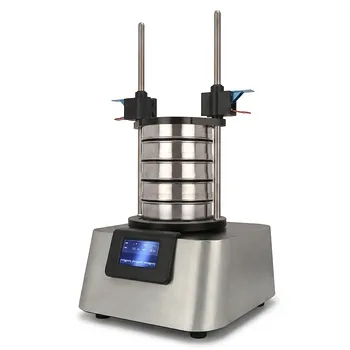
- Vibratory Sieve Shaker Electromagnetic 3D Motion Powder Particle Size Analyzer for Dry and Wet Sieving
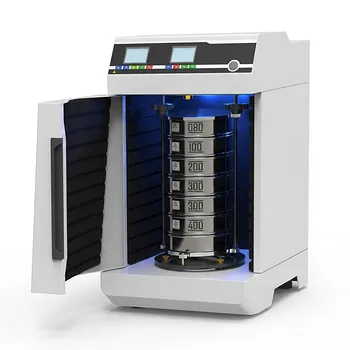
- Laboratory Dry and Wet Three Dimensional Vibratory Sieve Shaker for Particle Analysis
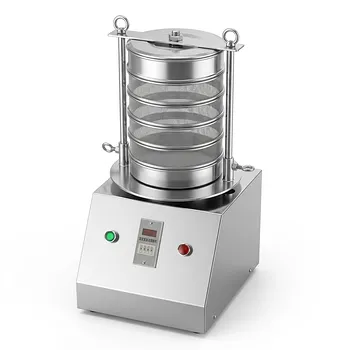
- Stainless Steel Laboratory Vibratory Test Sieve Shaker
- Heavy Duty Dry Three Dimensional Vibratory Sieve Shaker for Particle Separation
- Dry Three Dimensional Vibratory Sieve Shaker
People Also Ask
- How does a vibratory sieve shaker contribute to optimizing the performance of activated carbon? Enhance Adsorption Precision
- Why is a laboratory vibratory sieve shaker necessary for processing magnesium-based borate precursor powders? Boost Activity
- Why use a vibratory sieve shaker to verify coarse aggregate grading in rubberized concrete? Ensure Structural Integrity
- What function do vibratory sieve shakers and standard test sieves serve in the preparation of adsorbents? Key Guide
- What role does a vibratory sieve shaker play in the particle size analysis of ground corn products? Enhance QC Precision

Tech Team · PowderPreparation
Last updated on May 14, 2026
Related Products
Vibratory Sieve Shaker Electromagnetic 3D Motion Powder Particle Size Analyzer for Dry and Wet Sieving
Laboratory Dry and Wet Three Dimensional Vibratory Sieve Shaker for Particle Analysis
Stainless Steel Laboratory Vibratory Test Sieve Shaker
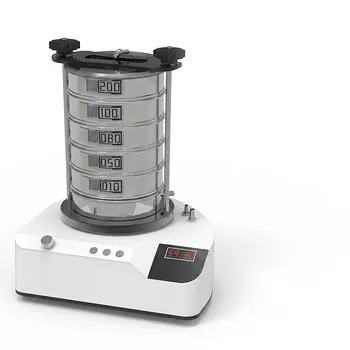
Heavy Duty Dry Three Dimensional Vibratory Sieve Shaker for Particle Separation
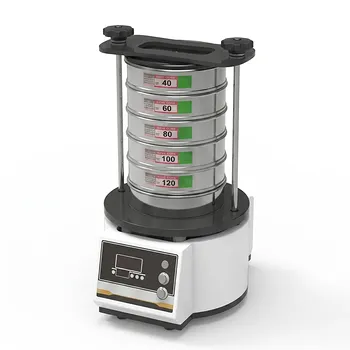
Dry Three Dimensional Vibratory Sieve Shaker
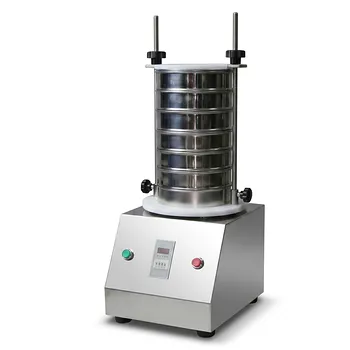
Small Laboratory Vibratory Sieve Shaker for Powder Gradation and Particle Size Analysis
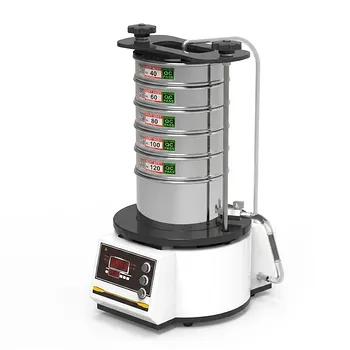
High Frequency Wet Three-Dimensional Vibrating Sieve Shaker for Dry and Wet Particle Size Analysis
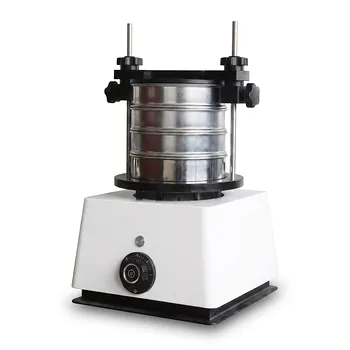
Small Laboratory Vibrating Sieve Shaker for Precise Particle Size Analysis
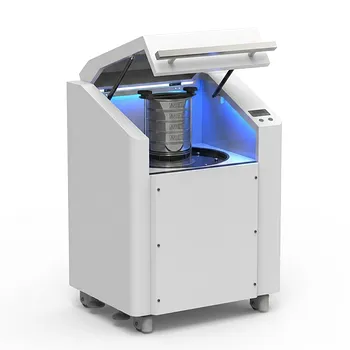
High Frequency Cabinet Type Three-Dimensional Rotary Vibrating Sieve Shaker for Dry Sieving and Particle Classification
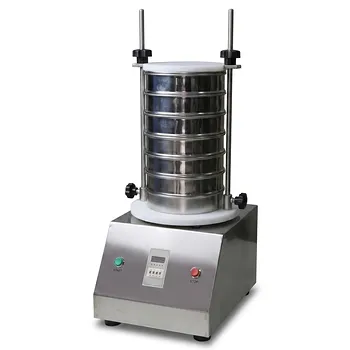
Laboratory Vibratory Test Sieve Shaker for Precision Particle Size Analysis and Powder Grading
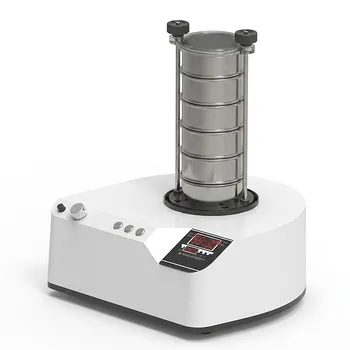
三维电磁微量振动筛分仪
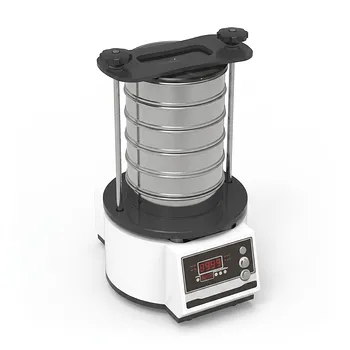
Tapping Oscillating Sieve Shaker for Dry and Wet Particle Size Analysis
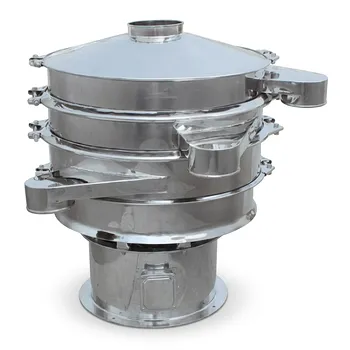
Stainless Steel Rotary Vibrating Sieve High Precision Circular Vibratory Separator Industrial Powder Grading Machine Multi Layer Sifting Equipment
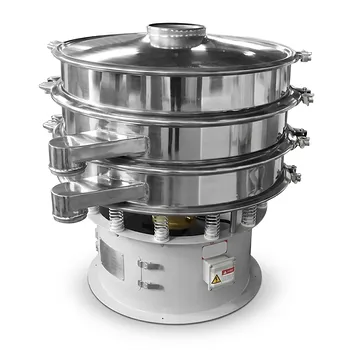
Three Dimensional Rotary Vibrating Sieve
Small Vibrating Ultrafine Grinder for Traditional Chinese Medicine
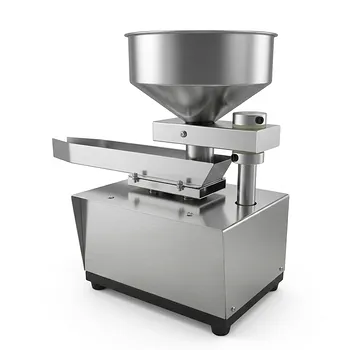
Automatic Vibrating Powder Feeder for Laboratory Material Processing Precision Vibratory Hopper Feeder for Granular and Powder Material Handling Industrial Grade Vibrating Tray Feeder for Consistent Material Sample Preparation
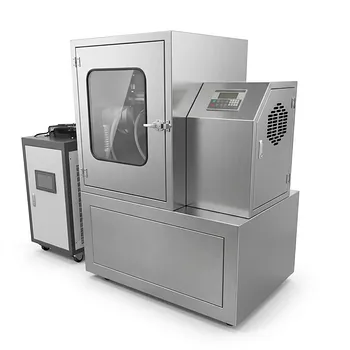
Vibratory Superfine Grinder for Ultra Fine Laboratory Powder Milling
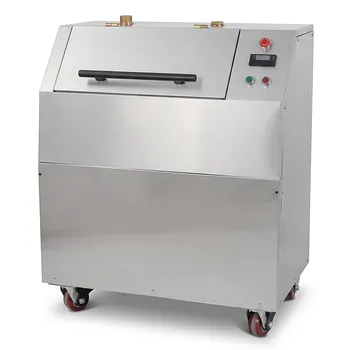
Vibratory Disc Mill for Rapid Fine Grinding and High Throughput Sample Preparation of Hard and Brittle Materials