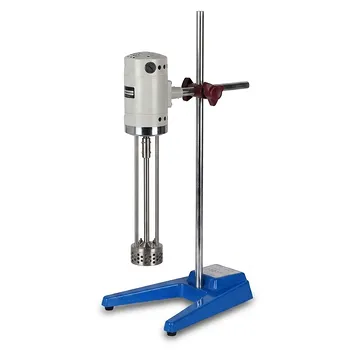
How are laboratory-grade automated mixers or stirrers utilized in the sample processing of soil maturation? Expert Guide
Updated 5 months ago
Automated mixers are the critical engine of the pretreatment stage in soil maturation research. These devices facilitate thorough contact between soil samples and sterile water by maintaining precise rotation speeds and constant temperatures. This controlled environment ensures that the resulting liquid extract contains a representative snapshot of the soil's biochemical state at a specific point in time.
By automating mechanical agitation and thermal regulation, laboratory mixers allow researchers to simulate natural substance exchange with high repeatability. This precision is essential for ensuring that extracted metabolites accurately reflect the authentic maturation stage of the soil sample.
The Role of Automated Mixing in Pretreatment
Achieving Homogeneity Through Controlled Rotation
In the pretreatment phase, consistency is the primary requirement for data integrity. Automated mixers eliminate the variability of manual shaking by applying a specific, programmable rotation speed to every sample in a batch. This uniformity ensures that the interaction between the soil particles and the solvent—typically sterile water—is identical across all test groups.
Simulating Natural Substance Exchange
Soil maturation involves complex chemical transitions that occur as organic matter breaks down. The mixer acts as a catalyst for substance exchange, drawing metabolites out of the soil matrix and into the liquid phase for analysis. By fine-tuning the agitation, researchers can mimic the slow, natural movement of fluids in a soil profile but at a pace optimized for laboratory timelines.
Maintaining Environmental Integrity
The Criticality of Constant Temperature
Biochemical reactions in soil are highly sensitive to thermal fluctuations. Laboratory-grade stirrers often feature integrated heating or cooling elements to maintain a constant temperature throughout the mixing cycle. This prevents thermal degradation of the sample and ensures that the metabolic activity observed is a result of the soil's maturation stage, not an artifact of lab conditions.
Preserving Authentic Metabolite Profiles
The ultimate goal of soil maturation processing is to capture an authentic biochemical state. If mixing is too aggressive or the temperature is poorly regulated, the delicate metabolites (the chemical "fingerprints" of the soil) can be altered or destroyed. Automation provides the "gentle precision" necessary to extract these compounds without compromising their structural integrity.
Understanding the Trade-offs
The Risk of Excessive Shearing Forces
While high rotation speeds increase extraction efficiency, they can also introduce mechanical shearing. This force can physically break down soil aggregates or rupture microbial cells, releasing intracellular components that would not naturally be present in the soil solution. Finding the balance between "thorough contact" and "structural preservation" is a common technical challenge.
Thermal Lag and Calibration Issues
In larger volume mixers, a discrepancy can exist between the temperature set on the digital display and the actual temperature at the center of the soil-water slurry. This thermal lag can lead to inconsistent maturation data if not properly calibrated. Researchers must account for the density of the soil-water mixture when programming thermal protocols.
Applying Automated Mixing to Your Research
Selection Criteria Based on Project Goals
The specific requirements for your mixer will depend on whether your research focuses on rapid screening or high-fidelity metabolic profiling.
- If your primary focus is high-throughput metabolite extraction: Prioritize mixers with multi-tube capacities and digital speed synchronization to ensure every sample receives identical mechanical energy.
- If your primary focus is preserving delicate soil structures: Select an automated stirrer with low-shear "gentle-wave" motions and high-precision thermal sensors to avoid physical or heat-induced sample damage.
By mastering the variables of rotation and temperature, you transform soil pretreatment from a manual task into a rigorous, reproducible scientific process.
Summary Table:
| Key Feature | Functional Role | Impact on Research |
|---|---|---|
| Controlled Rotation | Ensures uniform soil-water contact | High data repeatability and homogeneity |
| Thermal Regulation | Maintains constant temperature | Prevents thermal degradation of metabolites |
| Substance Exchange | Mimics natural fluid movement | Efficient capture of authentic biochemical states |
| Automation | Eliminates manual shaking variability | Standardized pretreatment for large-scale batches |
| Low-Shear Motion | Minimizes mechanical force | Preserves delicate soil structures and cell integrity |
Elevate Your Material Research with Precision Sample Preparation
Achieving accurate soil maturation data requires equipment that offers both power and precision. At [Brand Name], we provide complete laboratory sample preparation solutions for material science, specializing in high-performance powder processing and compaction equipment tailored for rigorous research environments.
Our extensive product lines are designed to streamline your workflow:
- Mixing & Sizing: Precision powder mixers, defoaming mixers, and vibratory/air-jet sieve shakers for perfect homogeneity.
- Advanced Milling: Liquid nitrogen cryogenic grinders, planetary ball mills, jet mills, and disc mills for optimal particle size reduction.
- Compaction Solutions: A full spectrum of hydraulic presses, including Cold/Warm Isostatic Presses (CIP/WIP), XRF pellet presses, and vacuum hot presses.
- Primary Processing: Heavy-duty jaw and roll crushers for initial sample reduction.
Whether you are a researcher or a distributor looking for reliable OEM/ODM support, we deliver the tools necessary for superior repeatability. Contact us today to discover how our specialized laboratory solutions can enhance your results!
References
- Tatsuki Ogura, Jun Kikuchi. Improvement of physical, chemical and biological properties of aridisol from Botswana by the incorporation of torrefied biomass. DOI: 10.1038/srep28011
Mentioned Products
- Inclined Mixer for Homogeneous Powder Blending and Grinding
- V-Type Powder Mixer for Uniform Blending of Dry Powders and Granules
- High Speed Vacuum Planetary Centrifugal Mixer and Defoamer for Industrial Paste Processing
- 非介入式材料均质机真空脱泡行星搅拌高粘度混合设备
- Three-Dimensional Motion Mixer for Laboratory Powder and Granule Blending
People Also Ask
- What is the role of a powder mixer in SiC mechanical seal ring production? Ensure Homogeneity and Structural Integrity
- What is the importance of using a high-efficiency powder mixer when preparing sand and soil mixtures? Accurate Results.
- How do powder mixers and additives influence ZTA ceramics? Optimize microstructure for superior toughness and density
- Why is high-uniformity powder mixing essential for antibacterial ceramic glazes? Ensure Consistent Bioactive Protection
- Why is it necessary to consider the influence of static walls in powder mixing experiment design? Optimize Uniformity.

Tech Team · PowderPreparation
Last updated on May 14, 2026
Related Products
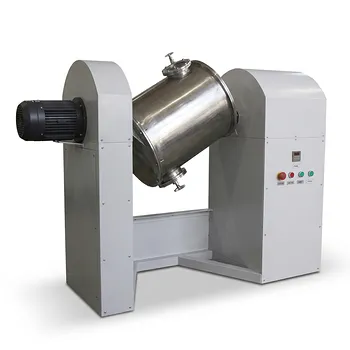
Inclined Mixer for Homogeneous Powder Blending and Grinding
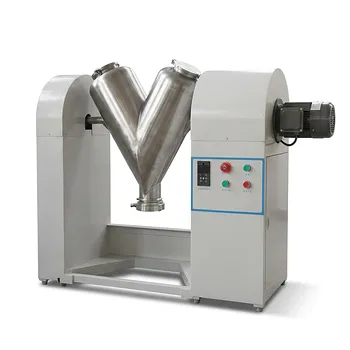
V-Type Powder Mixer for Uniform Blending of Dry Powders and Granules
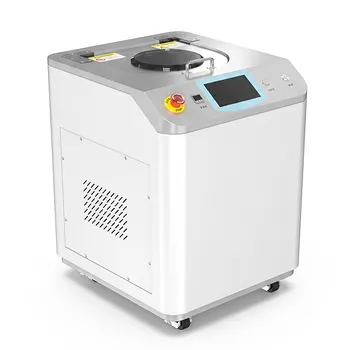
High Speed Vacuum Planetary Centrifugal Mixer and Defoamer for Industrial Paste Processing
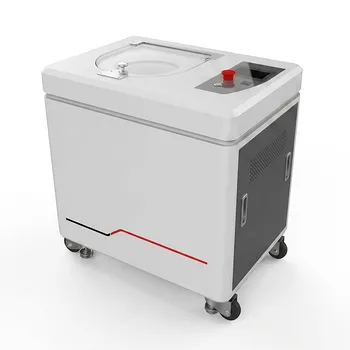
非介入式材料均质机真空脱泡行星搅拌高粘度混合设备
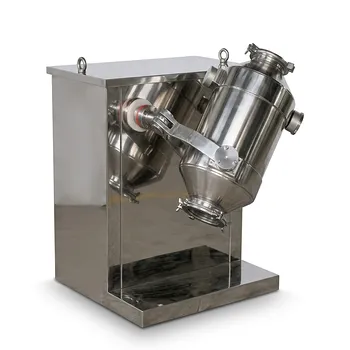
Three-Dimensional Motion Mixer for Laboratory Powder and Granule Blending
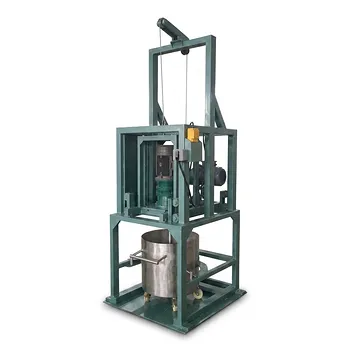
High-Speed Simple Disperser for Efficient Mixing, Dispersion, and Emulsification
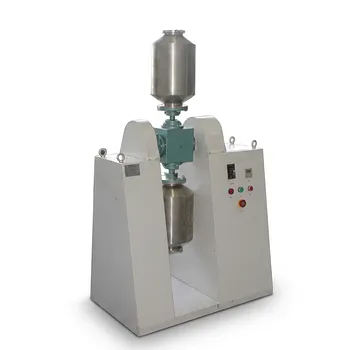
Multi Dimensional Universal Mixer for High Uniformity Powder Blending
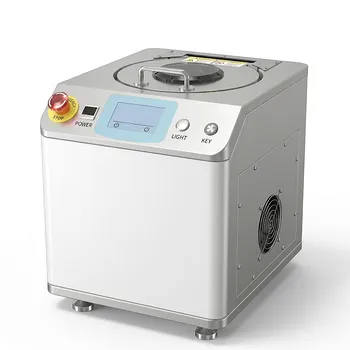
High Efficiency Vacuum Planetary Centrifugal Mixer and Defoaming Machine for Industrial Material Research and Precise Laboratory Powder Dispersion
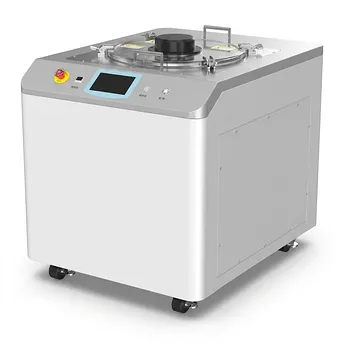
Industrial Planetary Centrifugal Vacuum Defoaming Mixer for High Viscosity Paste and Powder Homogenization
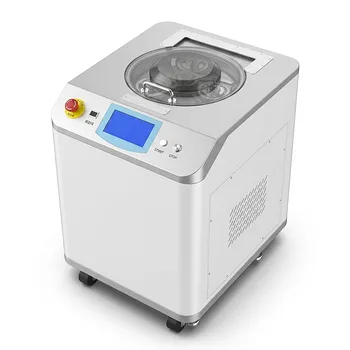
Dual Cup Vacuum Centrifugal Mixer Planetary Paste Defoaming Machine Industrial Material Processor
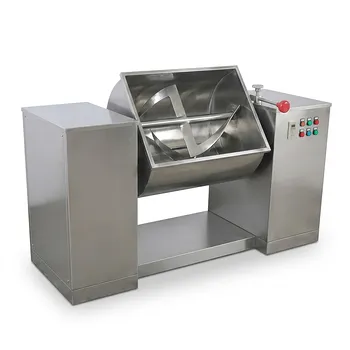
Horizontal Trough Mixer for Uniform Powder and Paste Blending
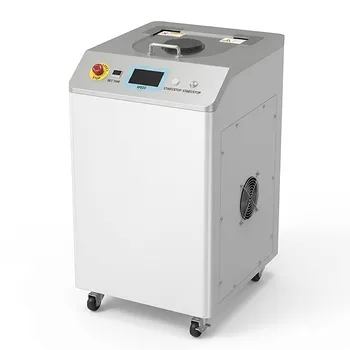
High Viscosity Planetary Centrifugal Vacuum Mixer for Material Defoaming and Uniform Mixing
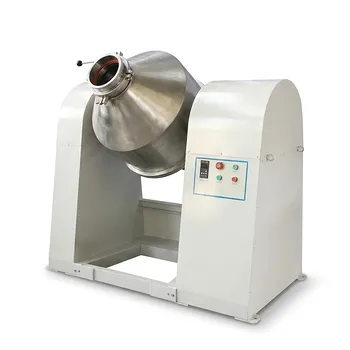
Industrial Double Cone Mixer for Powder Blending and Homogeneous Mixing
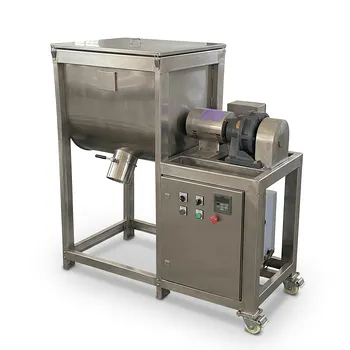
Horizontal Ribbon Mixer for Dry Powder and Slurry Blending
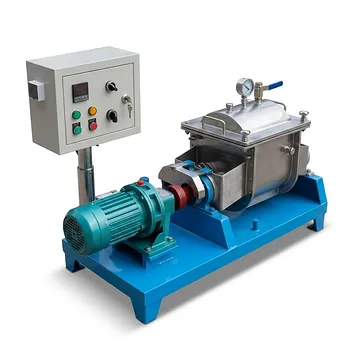
Industrial Vacuum Kneader for High-Viscosity Silicone, Rubber, and Compound Mixing
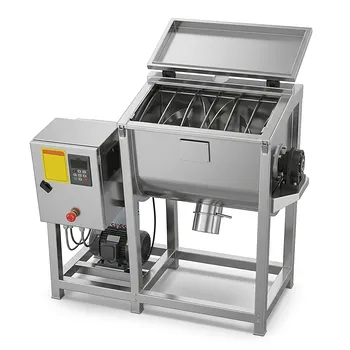
Horizontal Ribbon Mixer for Uniform Powder and Slurry Mixing
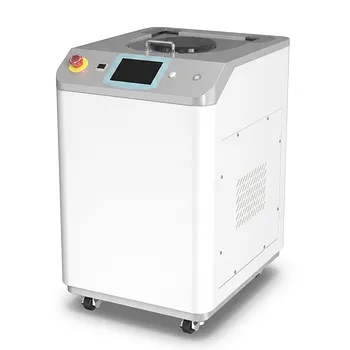
High Viscosity Planetary Centrifugal Mixing and Vacuum Defoaming Machine for Laboratory Material Preparation
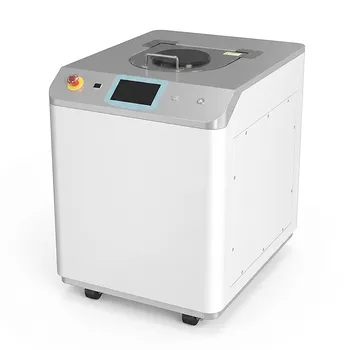
Industrial Planetary Centrifugal Vacuum Defoaming Mixer for High Viscosity Paste and Advanced Material Science

Automatic Vibrating Powder Feeder for Laboratory Material Processing Precision Vibratory Hopper Feeder for Granular and Powder Material Handling Industrial Grade Vibrating Tray Feeder for Consistent Material Sample Preparation