The Quarter-Millimeter Margin: Why Vibratory Sieve Precision Determines Artificial Stone Profitability
May 30, 2026
The Resin Trap: When Cheap Raw Materials Become Expensive
A factory manager once showed me his numbers. He had secured a mountain of mirror and granite waste at almost zero cost. The raw material was practically free. Yet his resin bill was eating 34% of unit economics. The stone slabs looked solid, but the profits were porous.
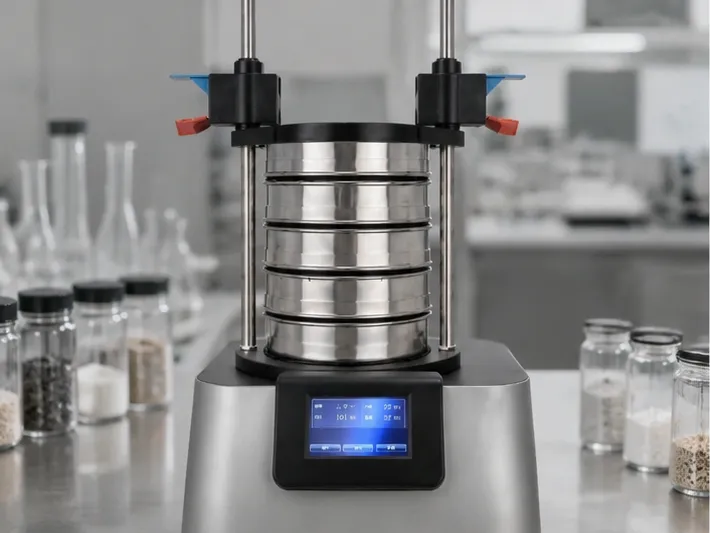
He was staring at the wrong problem. The mixer, the press, the curing cycle all worked perfectly. The invisible leak happened hours earlier, inside a piece of equipment nobody thought to question: the vibratory sieve shaker.
When aggregates are poorly graded, the gaps between particles multiply. You pour expensive resin into an ocean of microscopic voids. The resin isn’t binding stone; it’s filling empty space that properly sized particles should have occupied.
The Geometry of Packing: How Particles Build a Stone
Artificial stone is an elegantly stupid idea. Take crushed rock, mix it with a binder, apply pressure and heat. You get something that looks like natural stone but behaves like engineered composite. The magic sits entirely in particle arrangement.
Large particles form a skeleton. Medium particles fill the gaps between them. Fine particles slide into the remaining voids. When this cascade works, you achieve “maximum packing density.” The solid fraction approaches 85-90%. The resin only needs to bridge the tiny remaining spaces.
When it fails, your solid fraction drops. Void volume balloons. Resin consumption rises proportionally. And because resin costs 5 to 10 times more per kilogram than aggregate, the math turns ugly fast.
The Three Windows of Artificial Stone: Coarse, Medium, Fine
A high-precision vibratory sieve shaker doesn’t just separate rocks. It carves the raw material into three distinct functional windows.
- Coarse (10-40 mesh): The structural backbone. These grains transfer compressive loads and give the slab its “skeleton.” If the coarse fraction drifts too large, you get uneven surface texture. Too small, and the skeleton collapses.
- Medium (40-200 mesh): The density filler. This fraction flows into the gaps created by coarse particles, dramatically shrinking the void network. Without it, you’re filling those voids with resin.
- Fine (below 200 mesh): The surface engineer. These powders determine smoothness, color uniformity, and the final micro-seal. They also control rheology—the “dough” must flow evenly during molding.
Each window matters. Lose control of one, and the whole packing pyramid degrades.
Why Sieve Precision Behaves Like Compound Interest
Morgan Housel once observed that the biggest financial mistakes aren’t dramatic crashes but small, persistent fees that compound against you. Sieve precision works the same way.
Let’s say your target is 40 mesh, but a worn sieve aperture widens by 0.15 mm. A fraction of medium particles sneak into the coarse bin. That seems trivial—until you realize it shifts the packing curve just enough to increase void volume by 2-3%.
That 2-3% void increase translates to 5-8% more resin per batch. Multiply across a year of production. Suddenly the “free” granite waste carries a silent tax that dwarfs the cost of a quality sieve shaker.
The brain is wired to ignore small deviations. It shouldn’t.
The Beauty of Simplex-Centroid Design
When the sieve shaker delivers reliable, repeatable size cuts, you unlock a powerful mathematical tool: simplex-centroid design. Engineers can model the ternary mixture of coarse, medium, and fine fractions as a triangle. The optimal blend sits at the centroid where packing density peaks.
Without accurate grading data, that triangle is fiction. The model becomes garbage-in, garbage-out. But with a high-precision shaker, you get empirical truth. You can tune the blend to minimize resin while maximizing strength, batch after batch.
This is the moment testing stops being a cost center and becomes a profit generator.
The Blind Spot: Sieve Wear and the Stories We Tell Ourselves
Abrasive materials like granite don’t just break. They erode the very meshes that measure them. A 60-mesh sieve doesn’t stay 60 mesh forever. With every shake, aperture edges wear. Openings widen. Accuracy drifts.
Operators often ignore this drift because the shaker still “works.” It vibrates. Material falls through. The problem is silent. The sieve doesn’t scream—it just gently steals your packing density month after month.
Checking mesh integrity with reference standards isn’t paranoia. It’s the cheapest insurance policy an artificial stone plant can buy. A new sieve cloth costs a fraction of the excess resin a worn one forces you to consume.
Sample Representativeness: The Front-End Problem
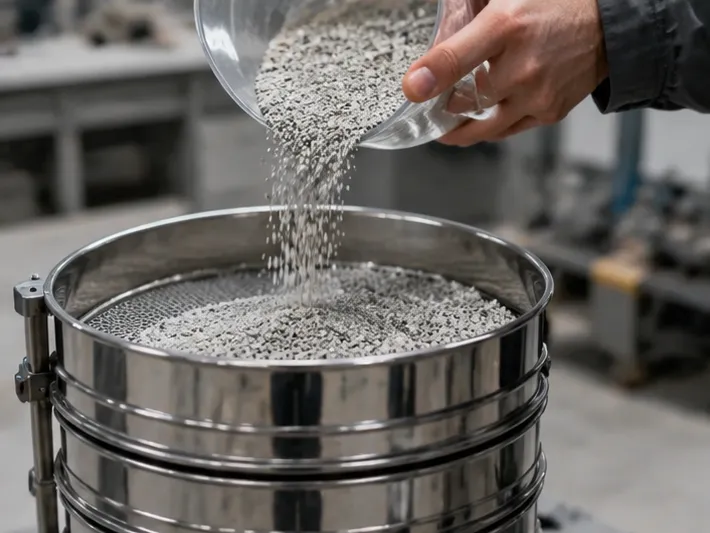
A sieve shaker can be perfectly calibrated and still deliver misleading data if the incoming sample lies. If the raw waste pile isn’t homogenized before quartering, your “representative” sample might capture an unrepresentative pocket of fines.
The result: you adjust the production formula based on fantasy. The next batch arrives with a different particle distribution. The dough behaves differently. The slabs cure unevenly. Everyone blames the press or the oven. The sieve shaker quietly takes the blame for a sampling error it didn’t make.
The best shaker in the world can’t fix a lazy front end. Pair precision equipment with disciplined sampling, and the quality loop finally closes.
Speed Versus Truth: The Throughput Temptation
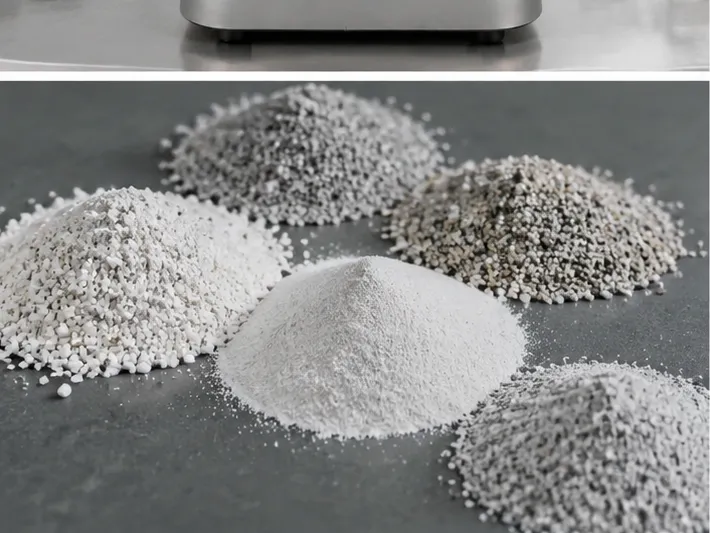
Higher vibration frequency speeds up separation. It also risks particle bouncing—grains that ricochet across mesh openings without falling through. You get throughput but sacrifice accuracy.
Every line must find its own equilibrium. Ask what matters more: shaving minutes off a test cycle, or guaranteeing the grading numbers you’ll bet your resin budget on?
Beyond Sieving: The Full-Spectrum Quality Loop
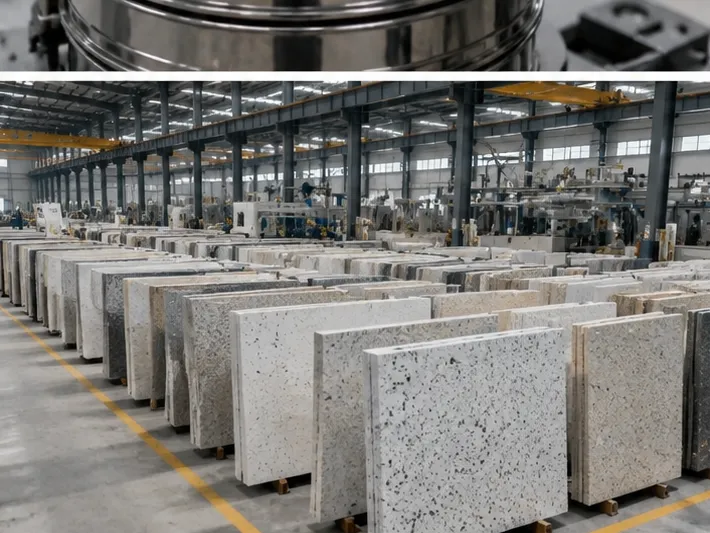
Precision grading doesn’t exist in isolation. It connects backward to crushing (did the jaw crusher produce consistent feed?) and forward to compaction (did the isostatic press turn that perfect blend into a dense, strong slab?).
A modern artificial stone line deserves an integrated preparation chain: crushers and cryogenic grinders for waste reduction, planetary ball mills and jet mills for fine tuning, precise sieve shakers for classification, defoaming mixers for homogeneous dough, and hot presses or cold isostatic presses for final forming.
When all links speak the same quality language, the margin map flips. Raw waste becomes engineered aggregate. Resin becomes a thin, efficient bridge instead of an expensive void filler. And the factory manager who once despaired over resin costs starts asking how much more capacity the next optimized blend can unlock.
We manufacture complete sample preparation solutions for material science—from vibratory and air-jet sieve shakers with full mesh portfolios to planetary ball mills, hydraulic presses, and vacuum hot presses. Every instrument is built to hold the tolerances that artificial stone economics demand. Contact Our Experts
Quick Links
Suggested Products
Vibratory Sieve Shaker Electromagnetic 3D Motion Powder Particle Size Analyzer for Dry and Wet Sieving Laboratory Dry and Wet Three Dimensional Vibratory Sieve Shaker for Particle Analysis Stainless Steel Laboratory Vibratory Test Sieve Shaker Heavy Duty Dry Three Dimensional Vibratory Sieve Shaker for Particle Separation Dry Three Dimensional Vibratory Sieve ShakerFurther Reading
The Hidden Economics of Particle Size: Why the Most Overlooked Variable in Material Science Controls Everything The Invisible Architecture of Powder: How a Vibratory Sieve Shaker Decides What Your Amaranth Bread Becomes The Particle-Size Lever: Why the Most Overlooked Step in Catalyst Design Determines Everything Else When Glass Melts Fail, It Was Never the Furnace: The Hidden Economics of Sand Gradation The Hidden Geometry of Your Morning Coffee: What Particle Size Reveals About Control and Chaos
PowderPreparation
Last updated on May 15, 2026
Related Products
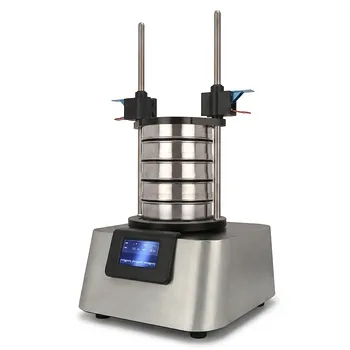
Vibratory Sieve Shaker Electromagnetic 3D Motion Powder Particle Size Analyzer for Dry and Wet Sieving
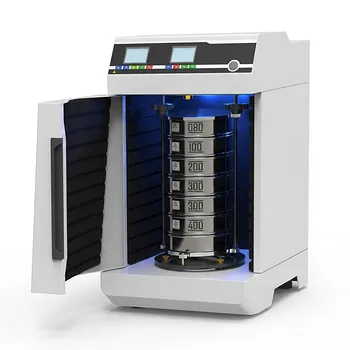
Laboratory Dry and Wet Three Dimensional Vibratory Sieve Shaker for Particle Analysis
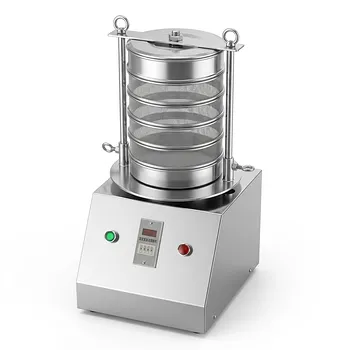
Stainless Steel Laboratory Vibratory Test Sieve Shaker
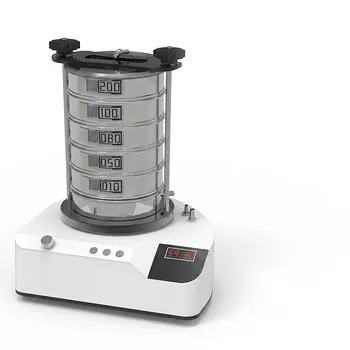
Heavy Duty Dry Three Dimensional Vibratory Sieve Shaker for Particle Separation
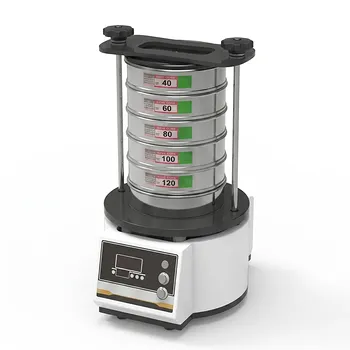
Dry Three Dimensional Vibratory Sieve Shaker
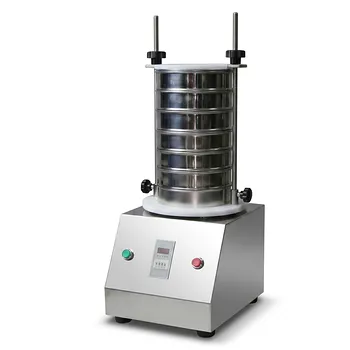
Small Laboratory Vibratory Sieve Shaker for Powder Gradation and Particle Size Analysis
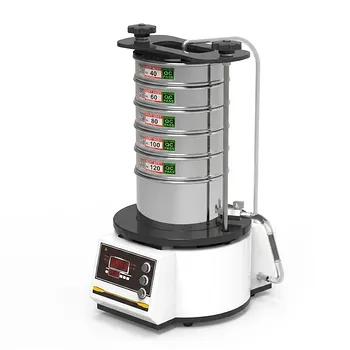
High Frequency Wet Three-Dimensional Vibrating Sieve Shaker for Dry and Wet Particle Size Analysis
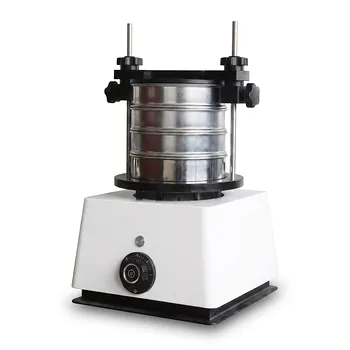
Small Laboratory Vibrating Sieve Shaker for Precise Particle Size Analysis
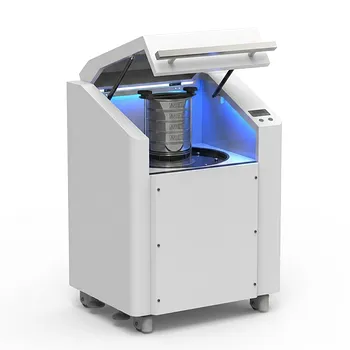
High Frequency Cabinet Type Three-Dimensional Rotary Vibrating Sieve Shaker for Dry Sieving and Particle Classification
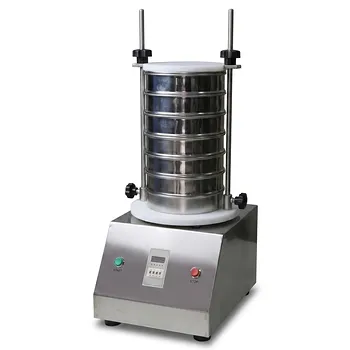
Laboratory Vibratory Test Sieve Shaker for Precision Particle Size Analysis and Powder Grading
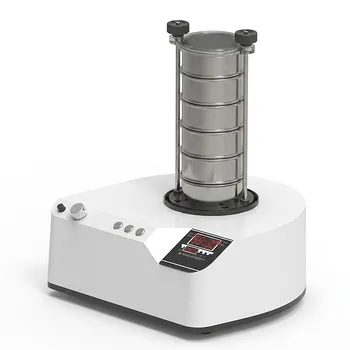
三维电磁微量振动筛分仪
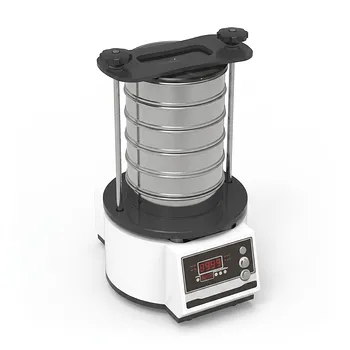
Tapping Oscillating Sieve Shaker for Dry and Wet Particle Size Analysis
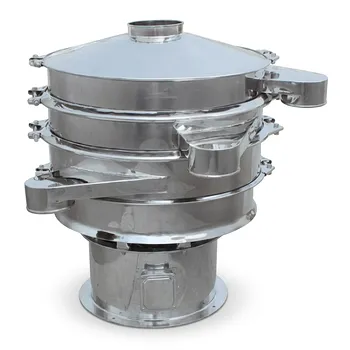
Stainless Steel Rotary Vibrating Sieve High Precision Circular Vibratory Separator Industrial Powder Grading Machine Multi Layer Sifting Equipment
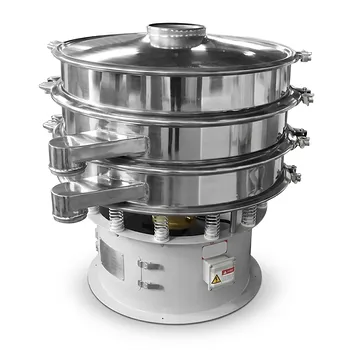
Three Dimensional Rotary Vibrating Sieve
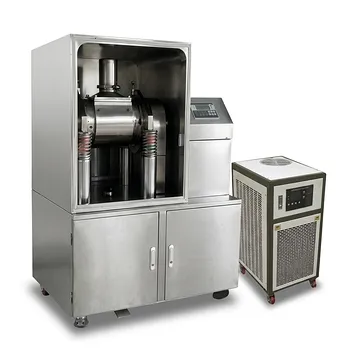
Small Vibrating Ultrafine Grinder for Traditional Chinese Medicine
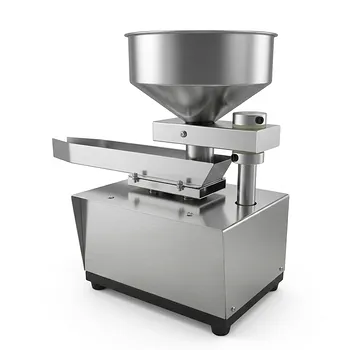
Automatic Vibrating Powder Feeder for Laboratory Material Processing Precision Vibratory Hopper Feeder for Granular and Powder Material Handling Industrial Grade Vibrating Tray Feeder for Consistent Material Sample Preparation
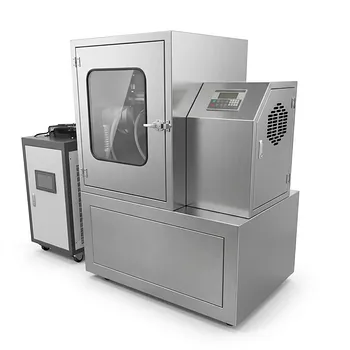
Vibratory Superfine Grinder for Ultra Fine Laboratory Powder Milling
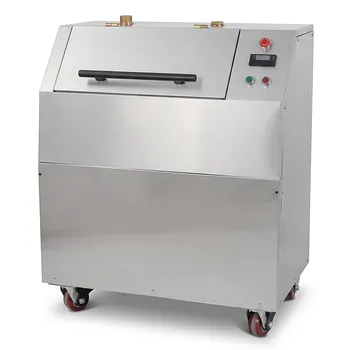
Vibratory Disc Mill for Rapid Fine Grinding and High Throughput Sample Preparation of Hard and Brittle Materials