Why should a laboratory hot press used for wood densification be equipped with an efficient cooling system? Ensure Stability
Updated 5 months ago
Efficient cooling systems are the critical mechanism for permanent structural fixation in wood densification. By enabling the wood to cool while remaining under mechanical pressure, these systems prevent the natural "springback" effect and ensure the material remains dimensionally stable when exposed to moisture.
An efficient cooling system transforms a laboratory hot press from a simple heating tool into a precision instrument capable of permanently altering wood structure. It ensures that the chemical and physical changes achieved at high temperatures are "locked in" before the pressure is released.
The Role of Cooling in Structural Fixation
Solidifying Lignin and Binders
During the densification process, wood is typically heated to temperatures between 160°C and 180°C. At these levels, natural polymers like lignin and any added binders soften, allowing the wood fibers to be compressed without fracturing.
The cooling system rapidly brings the specimen temperature down to approximately 90°C before decompression. This temperature drop causes the softened lignin to solidify and set, effectively "gluing" the wood cells into their new, densified configuration.
Preventing Dimensional Instability
If a densified wood sample is removed from the press while still hot, it often suffers from set-recovery, also known as springback. This is the wood's tendency to return to its original shape when the internal stresses are not properly neutralized.
By cooling under pressure, the laboratory press minimizes internal stresses. This creates a modified wood product with significantly higher dimensional stability, ensuring it does not swell or warp when later exposed to environmental moisture.
Enhancing Material Integrity and Quality
Managing Internal Steam Pressure
High-temperature pressing often generates internal steam within the wood's cellular structure. If the press opens while the core is still hot, this internal steam pressure can release suddenly and violently.
An efficient cooling system manages this energy by reducing the internal temperature below the boiling point of water. This prevents common manufacturing defects such as bubbling, delamination, or internal ruptures that occur during sudden decompression.
Maintaining Mechanical Pressure Control
The cooling system must work in perfect synchronization with the hydraulic system to maintain constant mechanical pressure. If pressure drops before the wood has cooled sufficiently, the compressed fibers will begin to relax prematurely.
High-quality laboratory presses use integrated cooling channels within the platens. This allows for a rapid and uniform reduction of temperature across the entire surface of the specimen, ensuring consistent density throughout the board.
Understanding the Trade-offs and Challenges
Energy Efficiency vs. Processing Speed
While rapid cooling is essential for fixing the wood's structure, it requires a significant amount of energy to cycle the heavy metal platens between extremes. Choosing a system with optimized thermal mass is necessary to balance the need for fast cooling with the desire for energy efficiency.
Thermal Stress on Equipment
Repeatedly heating and cooling press platens can lead to thermal fatigue over time. Laboratory managers must ensure the cooling system is designed for high-cycle use to prevent the platens from warping, which would compromise the flatness and uniformity of future wood samples.
Making the Right Choice for Your Goal
How to Apply This to Your Project
Selecting the right cooling configuration depends heavily on your research or production objectives.
- If your primary focus is maximum dimensional stability: Prioritize a press with an automated "cool-down" cycle that maintains full tonnage until the core temperature reaches 90°C.
- If your primary focus is high-throughput testing: Look for a system with high-flow water cooling channels and low-mass platens to minimize the time spent in the cooling phase.
- If your primary focus is preventing surface defects: Ensure the cooling system provides uniform temperature distribution to avoid localized steam pockets and delamination.
Equipping your laboratory hot press with an efficient cooling system is the only way to ensure that the densification results you achieve in the lab remain permanent in the real world.
Summary Table:
| Feature | Role in Wood Densification | Key Material Benefit |
|---|---|---|
| Lignin Solidification | Sets natural polymers by cooling below 90°C | Prevents springback and "set-recovery" |
| Steam Management | Reduces internal temperature below boiling | Avoids delamination and internal ruptures |
| Pressure Control | Maintains mechanical load during cooling | Ensures uniform density and structural integrity |
| Thermal Precision | Rapid, uniform heat reduction across platens | Minimizes internal stresses and warping |
Elevate Your Material Research with Precision Engineering
Achieving permanent structural changes in wood and advanced composites requires more than just heat—it requires precise thermal management. At [Company Name], we provide complete laboratory sample preparation solutions for material science, specializing in high-performance powder processing and compaction equipment.
Whether you are performing wood densification, ceramic sintering, or polymer research, our full spectrum of hydraulic presses—including standard lab presses, Hot Presses, Vacuum Hot Presses, and Cold/Warm Isostatic Presses (CIP/WIP)—are engineered for durability and scientific accuracy. We also offer a comprehensive line of crushers, cryogenic grinders, and planetary ball mills to support your entire workflow.
Ready to optimize your laboratory's capabilities? Contact our experts today to find the ideal pressing and cooling solution for your specific application requirements.
References
- Tania Langella, David DeVallance. Modification of wood via biochar particle impregnation. DOI: 10.1007/s00107-023-02032-4
Mentioned Products
- 6-Ton Small Single-Punch Tablet Press — Laboratory Powder & Granule Tableting Equipment / Tablet Forming Machine
- High Speed Swing Type Laboratory Pulverizer for Fine Powder Grinding and Sample Preparation
- 5 Ton Single Punch Tablet Press Laboratory Small Batch Production
- Laboratory Mortar Grinder for Sample Preparation and Cryogenic Powder Homogenization
- Laboratory Knife Mill for Large Volume Sample Homogenization and Food Preparation
People Also Ask
- What is the function of a laboratory press in Cr-Ti alloy evaluation? Quantify Fracture Stress & Strength
- What is the function of a laboratory press in assessing the hydrophobic performance of modified vermiculite fillers?
- What is the core function of a laboratory press in the forming of ceramic filter element green bodies? Maximize Density.
- What is the function of a laboratory press in the preparation of ceramic feed rods? Master Density and Precision
- Why is vacuum sealing and flexible packaging necessary for Aluminum Titanate powders during CIP? Ensure Peak Density

Tech Team · PowderPreparation
Last updated on May 14, 2026
Related Products
6-Ton Small Single-Punch Tablet Press — Laboratory Powder & Granule Tableting Equipment / Tablet Forming Machine
High Speed Swing Type Laboratory Pulverizer for Fine Powder Grinding and Sample Preparation
5 Ton Single Punch Tablet Press Laboratory Small Batch Production
Laboratory Mortar Grinder for Sample Preparation and Cryogenic Powder Homogenization
Laboratory Knife Mill for Large Volume Sample Homogenization and Food Preparation
High Speed Small Laboratory Crusher for Dry Material Sample Preparation
6 Ton Variable Frequency Single Punch Tablet Press
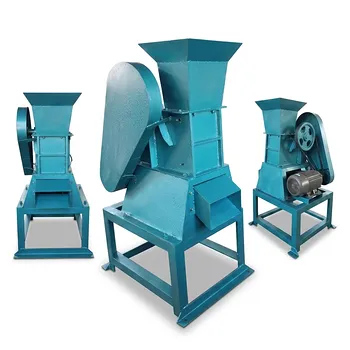
Custom Raised Height Laboratory Jaw Crusher for Precision Sample Preparation in Material Science
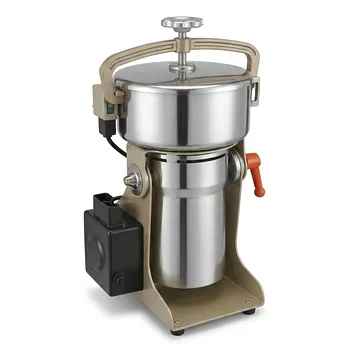
Multifunctional High Efficiency High Speed Laboratory Grinder
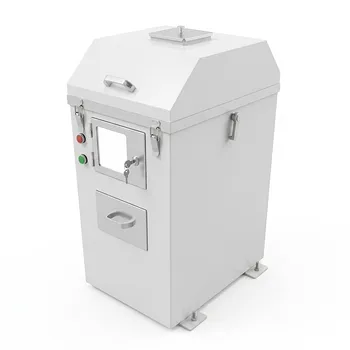
Sealed Double Roll Crusher for Laboratory Sample Preparation of Medium Hardness Materials
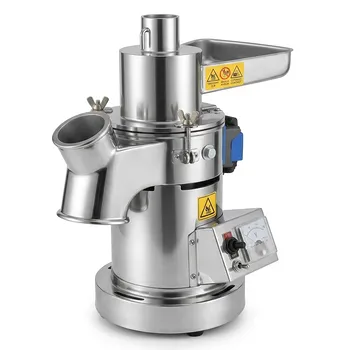
Continuous Feeding Grinder High Efficiency Pulverizer for Lab Sample Preparation
150x250mm Laboratory Jaw Crusher for Medium Hard Material Crushing and Sample Preparation
Customized Sealed Laboratory Hammer Crusher for Coal and Medium Hardness Sample Preparation

Industrial Knife Mill for Food and Biological Sample Preparation High Speed Laboratory Homogenizer