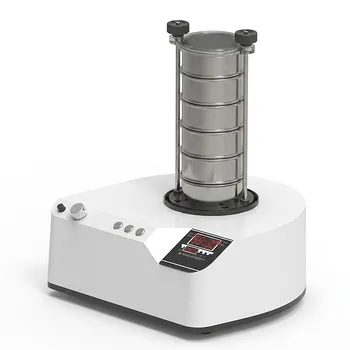
Why must the wire diameter of metal meshes be considered when determining sieve aperture sizes for Black Silicon Carbide?
Updated 5 months ago
Wire diameter is the critical variable that dictates the actual physical clearance between mesh strands. While mesh count identifies the number of wires per linear inch, the thickness of the wire directly subtracts from that available space to define the aperture. For Black Silicon Carbide, even minor fluctuations in wire diameter can shift the particle size distribution, compromising the geometric precision required for high-grade grinding applications.
The core insight is that mesh count alone is an incomplete metric; the physical volume of the wire determines the "true side length" of the opening. To achieve the precise width distribution necessary for Black Silicon Carbide abrasives, you must calibrate for wire diameter to ensure consistent particle sizing.
The Geometry of Sieve Apertures
Mesh Count vs. Effective Opening
Mesh count refers strictly to the number of wires per inch, but it does not account for the space those wires occupy. The effective aperture is the total distance between wires minus the wire diameter itself.
Because two sieves can have the same mesh count but different wire thicknesses, their geometric aperture sizes will differ. This variation can lead to significant discrepancies in the size of the particles that pass through.
Precision in Width Distribution
Black Silicon Carbide is frequently used in precision grinding where particle width distribution is a critical performance factor. If the wire diameter is not factored in, the resulting abrasive grit may be too large or too small for its intended industrial application.
Accurate calibration ensures that the true side length of the mesh opening aligns with the required particle dimensions. This level of control is essential for maintaining the abrasive quality and consistency of the final product.
Impact on Black Silicon Carbide Performance
Requirements for Precision Grinding
Black Silicon Carbide is an exceptionally hard and brittle material used to process glass, ceramics, and stone. In these applications, a single oversized particle—caused by an uncalibrated aperture—can create deep scratches and ruin a workpiece.
By considering wire diameter, manufacturers can guarantee that the particle geometry stays within the tight tolerances required for fine finishing. This prevents costly rework and ensures the abrasive performs as expected.
Flow Area and Throughput
The relationship between wire diameter and aperture also affects the effective flow area of the sieve. A larger wire diameter reduces the open area, which can slow down the sieving process and impact production efficiency.
Understanding this relationship allows technicians to balance the need for mesh stability with the requirement for high-volume throughput. It ensures the sieving process remains both accurate and economically viable.
Understanding the Trade-offs and Pitfalls
Durability vs. Precision
Thicker wires generally offer greater mechanical strength and a longer sieve lifespan under the abrasive wear of Silicon Carbide. However, increasing wire thickness without adjusting the mesh count will automatically shrink the aperture size.
Choosing a thinner wire might provide a larger opening and higher throughput but results in a fragile mesh that may deform over time. Deformation leads to "blinding" or inconsistent sizing, which defeats the purpose of precision sieving.
Manufacturing Deviations
Even high-quality metal meshes have a standard deviation in wire diameter across the roll. If this variance is not monitored, the "nominal" aperture size may not reflect the "actual" aperture size across the entire sieve surface.
Relying solely on the manufacturer's nominal mesh rating without verifying the actual wire diameter is a common pitfall. This oversight can lead to a subtle shift in the grit size that is only discovered after the Black Silicon Carbide reaches the end-user.
How to Apply This to Your Sizing Process
To ensure your Black Silicon Carbide meets the necessary industrial standards, you must integrate wire diameter measurements into your quality control protocols.
- If your primary focus is extreme grit precision: Use a calibrated optical comparator to measure the actual side length of the aperture, rather than relying on the nominal mesh count.
- If your primary focus is sieve longevity: Opt for a thicker wire diameter but adjust your mesh count downward to maintain the correct physical aperture size.
- If your primary focus is production throughput: Select the thinnest wire diameter that can withstand the abrasive nature of Silicon Carbide to maximize the total open flow area.
By treating wire diameter as a foundational variable rather than a secondary detail, you ensure that your abrasive products deliver the consistent, high-performance results required for precision industrial grinding.
Summary Table:
| Key Variable | Impact on Sieve Performance | Importance for Black Silicon Carbide |
|---|---|---|
| Wire Diameter | Subtracts from mesh count to define true aperture | Dictates the geometric precision of abrasive grits |
| Aperture Geometry | Determines the "true side length" of openings | Prevents oversized particles that cause surface scratches |
| Effective Flow Area | Higher wire thickness reduces total open area | Balances production throughput with mesh stability |
| Mechanical Strength | Thicker wires offer higher durability and wear resistance | Withstands the abrasive nature of hard SiC particles |
Elevate Your Material Preparation with Precision Solutions
Achieving consistent particle size distribution in Black Silicon Carbide requires equipment designed for absolute accuracy. At [Your Brand Name], we provide complete laboratory sample preparation solutions tailored for material science and industrial powder processing.
Whether you are refining abrasives or developing advanced ceramics, our extensive range of equipment ensures your results meet the strictest industrial standards:
- Sieve Shakers: High-precision vibratory and air-jet shakers paired with a wide variety of test sieves and meshes.
- Milling & Grinding: Planetary ball mills, jet mills, and liquid nitrogen cryogenic grinders for ultra-fine particle reduction.
- Sample Compaction: A full spectrum of hydraulic presses, including Cold/Warm Isostatic Presses (CIP/WIP), vacuum hot presses, and XRF pellet presses.
- Processing Equipment: Industrial-grade crushers, powder mixers, and defoaming mixers.
Ready to optimize your powder processing workflow? Contact our experts today to discuss how our specialized equipment can enhance your laboratory's efficiency and product quality.
References
- В. А. Носенко, Aleksey Aleksandrov. DEPENDENCE OF THE MEAN AND DISPERSION OF GRAIN WIDTH OF SILICON CARBIDE BLACK GRINDING POWDERS ON THE MESH SIZE OF A PASS SIEVE. DOI: 10.12737/article_58f9c4d9ecb004.36348769
Mentioned Products
- Stainless Steel Rotary Vibrating Sieve High Precision Circular Vibratory Separator Industrial Powder Grading Machine Multi Layer Sifting Equipment
- Heavy Duty Dry Three Dimensional Vibratory Sieve Shaker for Particle Separation
- Dry Three Dimensional Vibratory Sieve Shaker
- Three Dimensional Rotary Vibrating Sieve
- Laboratory Air Jet Sieving Machine for Fine Powder Particle Size Analysis and Deagglomeration
People Also Ask
- What is the significance of high-precision vibratory sieve machines for SMA? Optimize Aggregate Gradation & Durability
- What is the role of a laboratory-grade high-precision sieve in CPC-PCL? Ensure uniform powder distribution and stability.
- Why is high-precision sieving equipment necessary for aviation-grade composites? Optimize Fiber Strength & Consistency
- What is the function of high-precision vibratory sieve shakers in the analysis of brown rice particle size distribution?
- Why is a high-precision vibratory sieve shaker necessary for wood-polystyrene particles? Maximize composite strength.

Tech Team · PowderPreparation
Last updated on May 14, 2026
Related Products
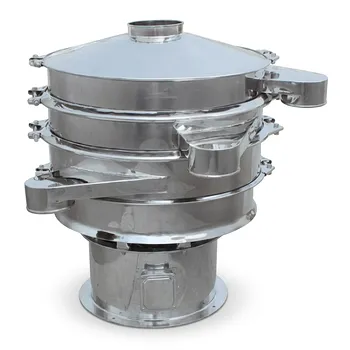
Stainless Steel Rotary Vibrating Sieve High Precision Circular Vibratory Separator Industrial Powder Grading Machine Multi Layer Sifting Equipment
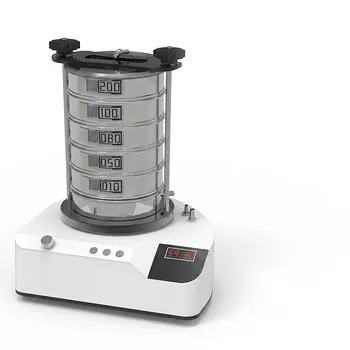
Heavy Duty Dry Three Dimensional Vibratory Sieve Shaker for Particle Separation
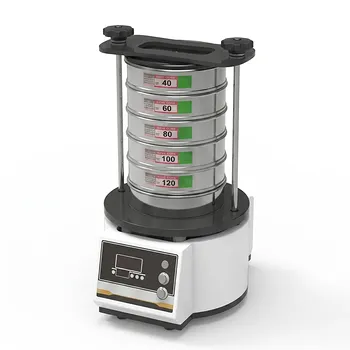
Dry Three Dimensional Vibratory Sieve Shaker
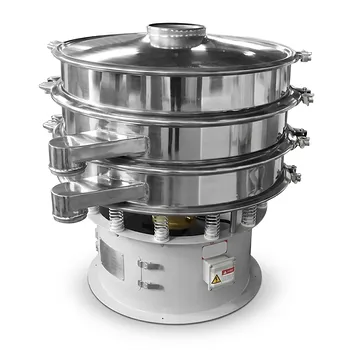
Three Dimensional Rotary Vibrating Sieve
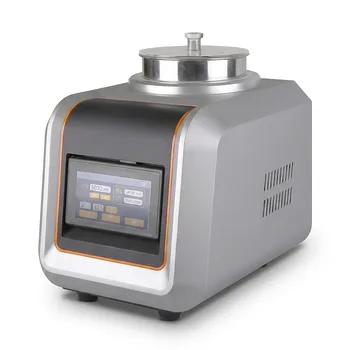
Laboratory Air Jet Sieving Machine for Fine Powder Particle Size Analysis and Deagglomeration
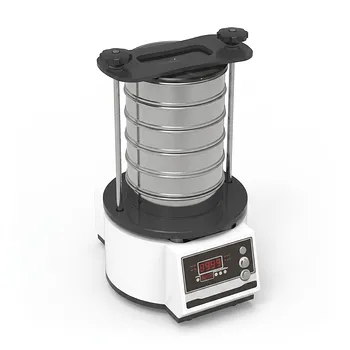
Tapping Oscillating Sieve Shaker for Dry and Wet Particle Size Analysis
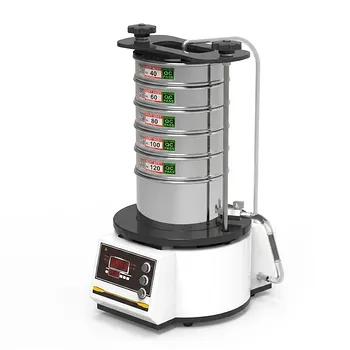
High Frequency Wet Three-Dimensional Vibrating Sieve Shaker for Dry and Wet Particle Size Analysis
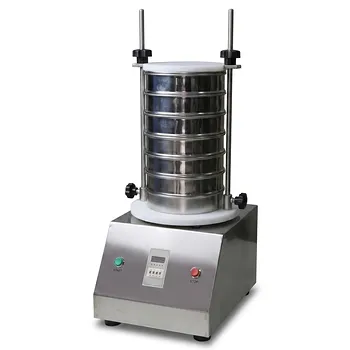
Laboratory Vibratory Test Sieve Shaker for Precision Particle Size Analysis and Powder Grading