Why Silicon Nitride Media is Superior to Zirconia for Si-B-C-N Ceramics? Ensure Purity & Nanostructure Integrity
Updated 4 months ago
Silicon nitride grinding media is superior for Si-B-C-N ceramic preparation because it prevents foreign elemental contamination and preserves the material's delicate nanocomposite structure. By utilizing "homogeneous grinding," any wear from the media is chemically compatible with the silicon and nitrogen already present in the Si-B-C-N system, whereas zirconia introduces impurities that trigger abnormal grain growth during sintering.
The primary advantage of silicon nitride over zirconia lies in its chemical synergy with the Si-B-C-N system. While zirconia is a common industrial grinding agent, its introduction of zirconium atoms acts as an unwanted catalyst that degrades the mechanical properties and phase stability of the final ceramic.
The Principle of Chemical Compatibility
Achieving "Homogeneous Grinding"
The Si-B-C-N system is inherently composed of silicon and nitrogen. By using silicon nitride ($Si_3N_4$) media, any microscopic wear particles shed during high-energy milling are integrated into the powder system without altering its fundamental chemistry.
Eliminating Oxide Contamination
Zirconia media ($ZrO_2$) introduces both zirconium and oxygen into the mixture. In high-performance non-oxide ceramics like Si-B-C-N, these oxide impurities can interfere with reaction synthesis and compromise the thermal stability of the resulting powder.
Preventing Metallic Interference
Silicon nitride is chosen for its chemical stability within nitride-based systems. It ensures that no irrelevant metallic or oxide contaminants interfere with research into the phase stability of complex ceramic structures.
Impact on Microstructure and Sintering
The Danger of Zirconium Impurities
Research indicates that foreign zirconium elements act as accelerators for atomic diffusion during the sintering process. This accelerated diffusion is detrimental to the precision required for advanced ceramic synthesis.
Preventing Abnormal Grain Growth
When zirconium is present, it often leads to abnormal grain growth, where specific crystals grow disproportionately large. This destroys the "nanocomposite" nature of Si-B-C-N ceramics, which relies on a fine, uniform distribution of grains for its strength.
Preservation of the Nanocomposite Matrix
Maintaining the delicate microstructure is essential for the high-temperature performance of Si-B-C-N. Silicon nitride media ensures that the final product retains its intended mechanical integrity by avoiding the catalytic effects of foreign heavy metals.
Mechanical Durability in High-Energy Milling
Exceptional Hardness and Wear Resistance
Silicon nitride possesses extreme hardness, making it capable of refining even the hardest high-entropy ceramic components. This resistance to wear ensures that the grinding process remains efficient over long durations without significant loss of media mass.
Suitability for Long-Duration Milling
High-energy planetary ball milling often lasts for hours or even days to achieve the desired particle size. The superior wear resistance of silicon nitride minimizes the amount of debris entering the powder, ensuring high purity for applications like environmental purification or aerospace coatings.
Understanding the Trade-offs
Density and Crushing Energy
Zirconia is significantly denser than silicon nitride. In some general applications, zirconia provides more "crushing energy" per impact, which can lead to faster particle size reduction compared to the lighter silicon nitride media.
Cost and Availability
Silicon nitride grinding jars and media are typically more expensive to manufacture than zirconia. The precision required to produce high-purity $Si_3N_4$ tools means they are often reserved for high-end research and specialized industrial ceramic synthesis where purity is non-negotiable.
Selecting the Right Media for Your Objective
How to Apply This to Your Project
When choosing between these two media types, your decision should be driven by the specific chemical sensitivity of your final product.
- If your primary focus is Si-B-C-N or Nitride-based ceramics: Use silicon nitride media to ensure chemical compatibility and prevent the degradation of the nanocomposite microstructure.
- If your primary focus is rapid particle size reduction of oxide ceramics: Zirconia media may be preferable due to its higher density and efficient energy transfer, provided zirconium contamination is not a concern.
- If your primary focus is preventing secondary pollution in environmental applications: Silicon nitride is the better choice as it avoids introducing "secondary pollution" from media wear into the processed powders.
Ultimately, the technical superiority of silicon nitride for Si-B-C-N synthesis is defined by its ability to maintain the chemical and structural integrity of the material through every stage of the milling process.
Summary Table:
| Feature | Silicon Nitride ($Si_3N_4$) | Zirconia ($ZrO_2$) | Impact on Si-B-C-N |
|---|---|---|---|
| Chemical Synergy | High (Homogeneous grinding) | Low (Introduces Zr and O) | Prevents foreign elemental contamination |
| Microstructure | Preserves nanocomposite matrix | Causes abnormal grain growth | Maintains mechanical property stability |
| Wear Resistance | Exceptional hardness | High | Minimizes debris during long-duration milling |
| Energy Density | Lower | Higher | Zirconia offers faster size reduction |
| Primary Use Case | High-purity nitride ceramics | General oxide ceramic milling | Si-B-C-N requires $Si_3N_4$ for purity |
Optimize Your Material Synthesis with Expert Solutions
Achieving high-purity Si-B-C-N ceramics requires more than just the right chemistry—it requires the right equipment. [Company Name] provides complete laboratory sample preparation solutions tailored for material science and advanced powder processing.
Our specialized lineup includes:
- Milling & Grinding: High-energy planetary ball mills, jet mills, and cryogenic grinders paired with high-purity silicon nitride or zirconia media.
- Compaction Excellence: A full spectrum of hydraulic presses, including Cold/Warm Isostatic Presses (CIP/WIP), vacuum hot presses, and XRF pellet presses.
- Processing Tools: Precision sieve shakers, powder mixers, and jaw crushers for comprehensive sample preparation.
Whether you are refining aerospace coatings or researching high-entropy ceramics, our technical experts are ready to help you select the ideal tools to prevent contamination and ensure structural integrity.
Contact us today to discuss your project requirements!
References
- Pengfei Zhang, Yu Zhou. Progress of a novel non-oxide Si-B-C-N ceramic and its matrix composites. DOI: 10.1007/s40145-012-0017-x
Mentioned Products
- Small Ceramic Structure Laboratory Sand Mill Nanoscale Grinding Dispersion Equipment Seal-less Screen-less Design
- Small High-Speed Grinder for Efficient Laboratory Sample Preparation
- Small Liquid Nitrogen Cryogenic Grinder for Plastic and Heat-Sensitive Material Sample Preparation
- Small High-Speed Laboratory Grinder for Powder Processing
- Laboratory Liquid Nitrogen Cryogenic Grinder for Polymer and Elastomer Materials
People Also Ask
- Why is a sand mill used to process solid carbon-forming agents like PPVA and PER? Enhance Dispersion & Flame Retardancy
- What is the role of laboratory grinding equipment in the preparation of waste glass powder for eco-friendly red bricks?
- Why is grinding equipment necessary for SnO2-Sb2O3 xerogels? Maximize surface area and photocatalytic activity.
- How does laboratory grinding or pulverizing equipment influence eggshell-derived adsorbents? Maximize Surface Area.
- What is the primary role of grinding equipment in BLA preparation? Enhance Reactivity & Material Uniformity

Tech Team · PowderPreparation
Last updated on Jun 03, 2026
Related Products
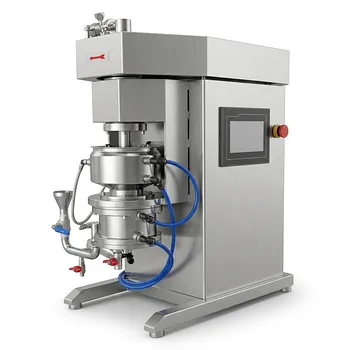
Small Ceramic Structure Laboratory Sand Mill Nanoscale Grinding Dispersion Equipment Seal-less Screen-less Design
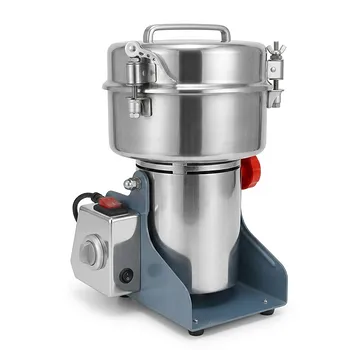
Small High-Speed Grinder for Efficient Laboratory Sample Preparation
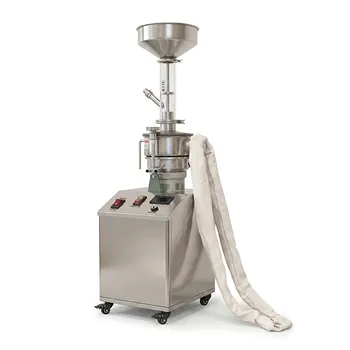
Small Liquid Nitrogen Cryogenic Grinder for Plastic and Heat-Sensitive Material Sample Preparation
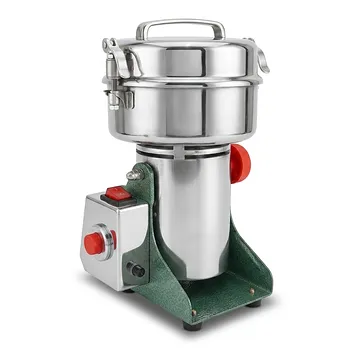
Small High-Speed Laboratory Grinder for Powder Processing
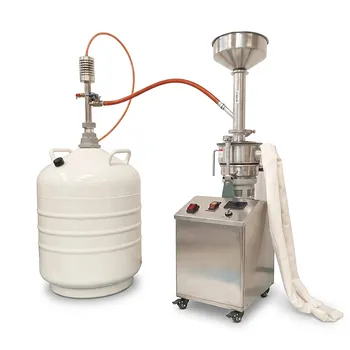
Laboratory Liquid Nitrogen Cryogenic Grinder for Polymer and Elastomer Materials
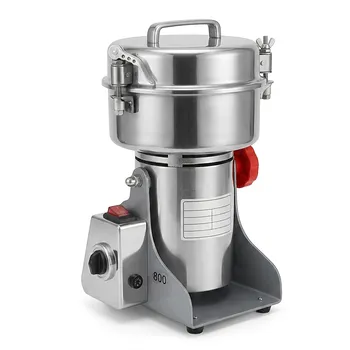
Small High-Speed Laboratory Grinder for Rapid Sample Preparation
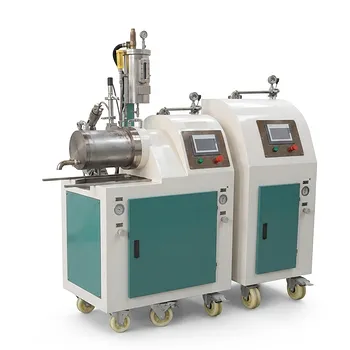
Mass Production Nano Sand Mill for Industrial Nanomaterial Grinding and Dispersion
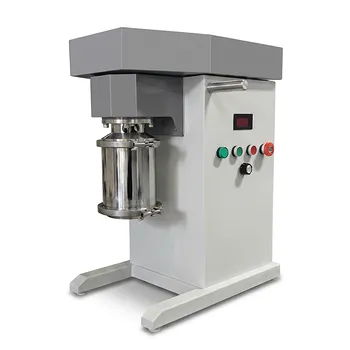
Nano Laboratory Bead Mill Desktop Sub Micron Sand Mill Screenless Seal Less Powder Grinder
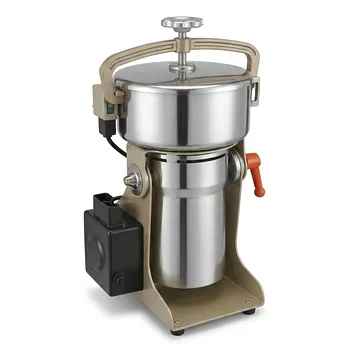
Multifunctional High Efficiency High Speed Laboratory Grinder
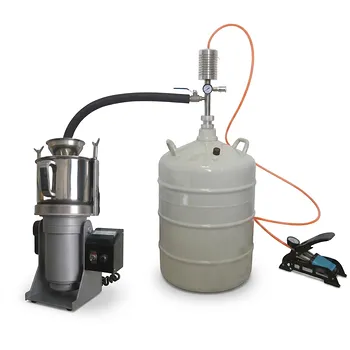
Liquid Nitrogen Cryogenic Grinder for Plastic and Heat-Sensitive Materials
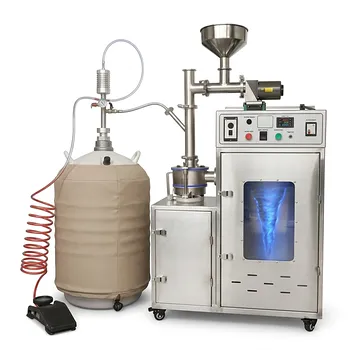
Small Liquid Nitrogen Cryogenic Grinder for Ultrafine Grinding of Heat-Sensitive Materials in Laboratories
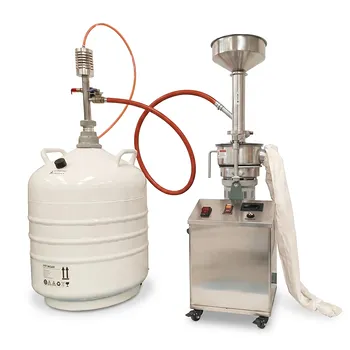
Laboratory Liquid Nitrogen Cryogenic Grinder Polymer Sample Preparation Pulverizer
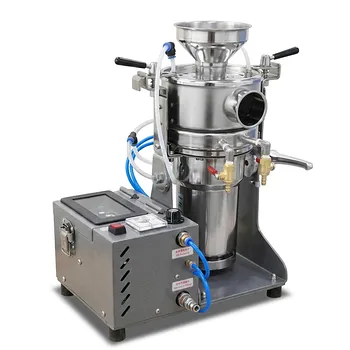
Water Cooled Pulse Jet Ultrafine Grinder
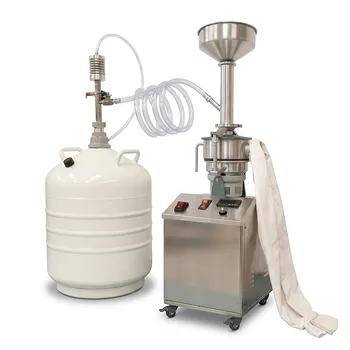
Laboratory Cryogenic Grinder Liquid Nitrogen Low Temperature Ultrafine Grinding
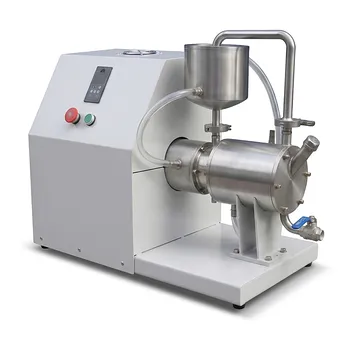
Laboratory Small Horizontal Sand Mill for Nano Materials Wet Grinding
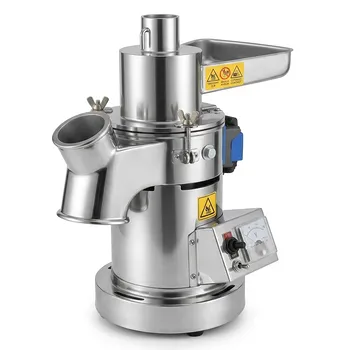
Continuous Feeding Grinder High Efficiency Pulverizer for Lab Sample Preparation
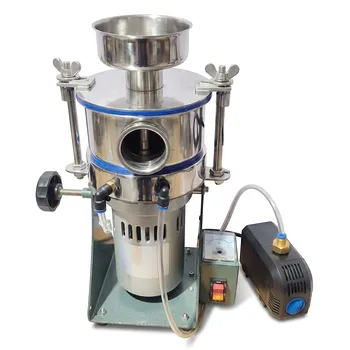
Water Cooled Airflow Ultra Fine Grinder for Low Temperature Material Processing
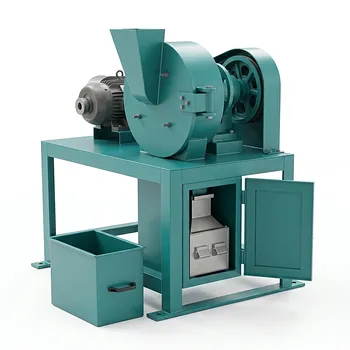
Sealed Disc Pulverizer Customized Model
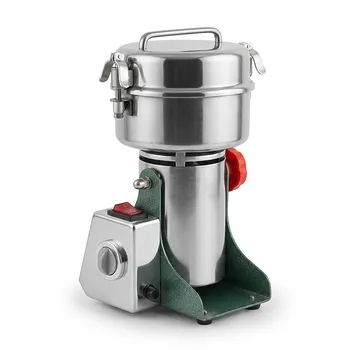
Small High-Speed Swing Grinder for Laboratory Sample Preparation