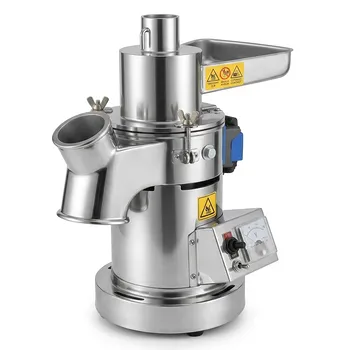
What is the primary role of industrial-grade crushing and grinding equipment in limestone? Boost Surface Area & Quality
Updated 4 months ago
Industrial-grade crushing and grinding equipment serves as the critical first step in limestone processing by transforming raw, extracted rock into highly reactive powder. This equipment utilizes multi-stage systems to refine hard rock until over 90% of the material consists of extremely fine particles, typically smaller than 500 microns. By drastically increasing the specific surface area of the mineral, these machines ensure the raw material is chemically and physically prepared for efficient downstream processes like calcination, leaching, or chemical modification.
The primary role of this equipment is to convert bulk limestone into a high-surface-area medium, maximizing chemical reactivity and ensuring uniform physical properties for industrial applications.
Transforming Bulk Material into Reactive Feedstock
Achieving Extreme Particle Fineness
Industrial grinding systems are designed to reduce large limestone blocks into micron-scale powders. In many standard operations, these machines must ensure that at least 90% of the output is smaller than 500 microns.
This reduction is often achieved through multi-stage grinding, which progressively narrows the particle size distribution. This precision is essential for producing high-quality calcite or dolomite powders.
Maximizing Specific Surface Area
The most significant outcome of crushing and grinding is the massive increase in the material's specific surface area. A larger surface area allows for more contact points between the mineral and other agents.
This increased exposure is vital for chemical kinetic reactions. Without this mechanical preparation, subsequent processes would be sluggish and commercially non-viable.
Enabling Efficient Downstream Processing
Optimizing Calcination and Heat Treatment
In the production of lime, crushing equipment reduces limestone to sizes that allow uniform heat penetration. For materials like biocalcarenite, reducing particles to less than 10mm ensures complete chemical transformation during furnace treatment.
When particles are sized correctly, heat reaches the core of the mineral quickly. This prevents the "over-burning" of the exterior while the interior remains unreacted, leading to a higher quality final product.
Facilitating Chemical and Ion Exchange
For specialized minerals like bentonite or malachite ore, grinding is a prerequisite for ion exchange and leaching. It breaks down the physical structure to fully expose internal copper-bearing or reactive minerals.
By increasing the contact surface between the ore and leaching agents (such as nitric acid), the equipment accelerates the recovery rate of valuable elements. This mechanical reduction is the foundation for efficient hydrometallurgical processes.
Ensuring Standardization and Quality Control
In laboratory and construction contexts, industrial crushers ensure that aggregate samples meet international testing standards like AASHTO or ASTM. Standardized particle sizes are required to analyze the physical and mechanical performance of the mineral.
Precise control over particle size distribution also optimizes the packing density of materials. This is a critical factor when limestone or clay is used in the manufacturing of refractory bricks and cementitious materials.
Understanding the Trade-offs and Pitfalls
Energy Consumption vs. Fineness
Achieving extremely fine particle sizes requires a significant amount of mechanical energy. There is often a point of diminishing returns where the energy cost of further grinding outweighs the gains in reactivity.
Operators must balance the need for surface area with the operational costs of the machinery. Over-grinding can also lead to "caking," where fine particles clump together and actually reduce effective surface area.
Equipment Wear and Contamination
The abrasive nature of limestone and associated minerals leads to high wear rates on crusher jaws and grinding media. If not managed, worn components can introduce metallic contaminants into the high-purity calcite powder.
Regular maintenance and the selection of wear-resistant materials are necessary to maintain product purity. This is especially critical in industries where the chemical composition of the limestone powder must remain pristine.
How to Apply This to Your Project
Making the Right Choice for Your Goal
To maximize the value of your limestone processing line, align your equipment settings with your primary industrial objective:
- If your primary focus is Chemical Reactivity: Prioritize fine grinding to maximize specific surface area, ensuring the material reacts fully with leaching agents or during ion exchange.
- If your primary focus is Thermal Processing (Calcination): Focus on achieving a uniform particle size distribution to ensure consistent heat penetration and prevent unreacted mineral cores.
- If your primary focus is Material Standardization: Utilize industrial-grade jaw crushers with adjustable settings to meet specific ASTM or AASHTO grain size requirements for laboratory testing.
- If your primary focus is Cementitious Performance: Optimize the multi-stage grinding process to achieve a micron-scale powder that provides a solid physical foundation for subsequent chemical activation.
The strategic use of crushing and grinding equipment is the fundamental bridge between raw mineral extraction and high-performance industrial application.
Summary Table:
| Key Processing Role | Functional Impact | Industrial Benefit |
|---|---|---|
| Particle Size Reduction | Refines raw rock to <500 micron powder | Ensures uniform feedstock for downstream use |
| Surface Area Expansion | Drastically increases specific surface area | Maximizes chemical reactivity and kinetics |
| Thermal Optimization | Enables consistent heat penetration | Prevents over-burning and improves lime quality |
| Standardization | Meets ASTM/AASHTO testing standards | Guarantees compliance and quality control |
Elevate Your Material Preparation with Expert Solutions
Maximize the reactivity and precision of your mineral processing with our comprehensive laboratory sample preparation solutions. At [Your Brand Name], we specialize in high-performance powder processing and compaction equipment tailored for material science research and industrial quality control.
Our extensive product line includes:
- Crushing & Grinding: Jaw/roll crushers, liquid nitrogen cryogenic grinders, and high-precision mills (planetary ball, jet, sand, and rotor).
- Sizing & Mixing: Vibratory/air-jet sieve shakers and advanced powder/defoaming mixers.
- Advanced Compaction: A full spectrum of hydraulic presses, including Cold/Warm Isostatic Presses (CIP/WIP), XRF pellet presses, and vacuum hot presses.
Whether you are refining limestone for calcination or preparing complex ores for leaching, we provide the tools to ensure uniform physical properties and superior chemical performance.
Ready to optimize your workflow? Contact our technical team today to find the perfect solution!
References
- Khalil Khalil, Andri. The Effects of Calcination on Mineral Composition and Physical Properties of Limestones and Oyster Shells Derived from Different Sources. DOI: 10.54203/scil.2021.wvj73
Mentioned Products
- Horizontal Double Roll Crusher for Medium Fine Crushing of Coal Limestone and Ores
- Small Hammer Crusher for Brittle Material Crushing in Mining Metallurgy and Lab Sample Preparation
- 150×125mm Laboratory Jaw Crusher for Medium and Fine Crushing of Brittle Materials
- Small Laboratory Jaw Crusher 150x200mm Feed Opening for Sample Preparation and Medium Fine Crushing
- Jaw Crusher with 400x600mm Feed Opening for Primary Rock Crushing in Mining and Construction
People Also Ask
- Why is a double roll crusher used for tin & tantalum? Prevent over-crushing & optimize gravity separation recovery.
- Why is material selection for crusher rollers critical for abrasive materials? Balance Purity and Tool Longevity
- What is the function of an industrial roll crusher in the preparation of yam peel biomass adsorbents? Maximize Surface Area
- What is the role of a roll crusher in the pretreatment of coal gangue for sodium zeolite? Optimize Your Synthesis.
- Why use a lab roll crusher after jaw crushing for magnetite? Optimize kinetics and preserve material integrity.

Tech Team · PowderPreparation
Last updated on Jun 03, 2026
Related Products
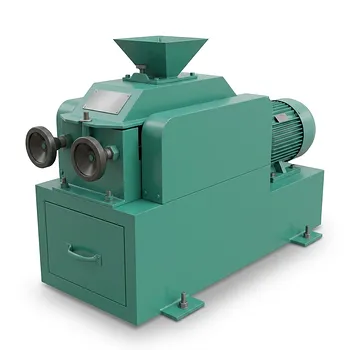
Horizontal Double Roll Crusher for Medium Fine Crushing of Coal Limestone and Ores
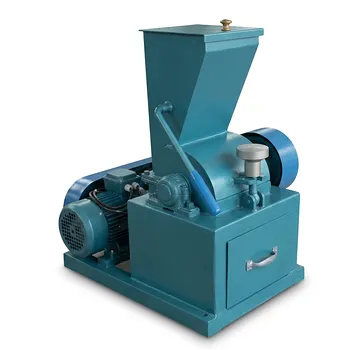
Small Hammer Crusher for Brittle Material Crushing in Mining Metallurgy and Lab Sample Preparation
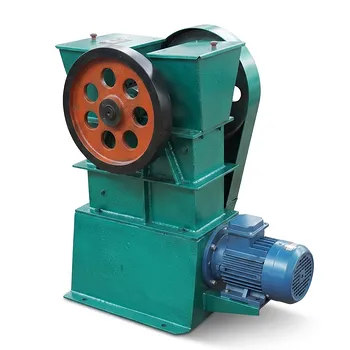
150×125mm Laboratory Jaw Crusher for Medium and Fine Crushing of Brittle Materials
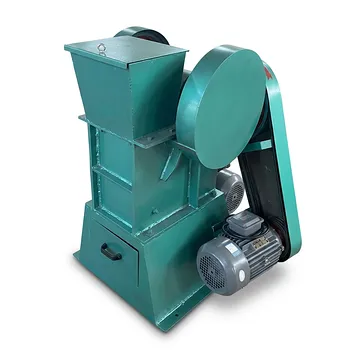
Small Laboratory Jaw Crusher 150x200mm Feed Opening for Sample Preparation and Medium Fine Crushing
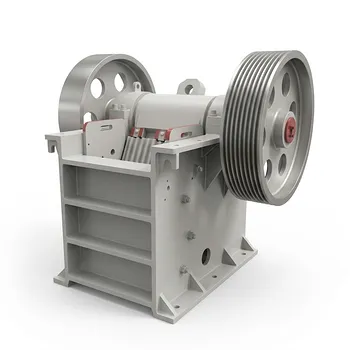
Jaw Crusher with 400x600mm Feed Opening for Primary Rock Crushing in Mining and Construction
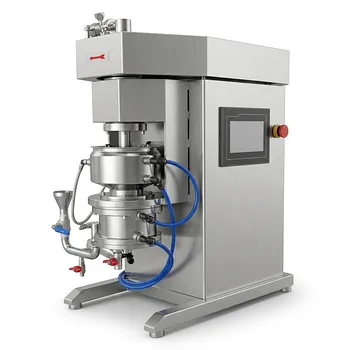
Small Ceramic Structure Laboratory Sand Mill Nanoscale Grinding Dispersion Equipment Seal-less Screen-less Design
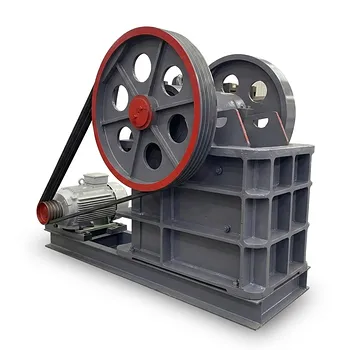
250x400mm Jaw Crusher Medium Crushing Equipment for Mining Mineral Sample Preparation
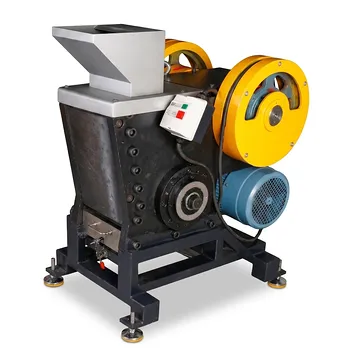
Heavy Duty Industrial Jaw Crusher for Primary Ore Crushing and High Capacity Mineral Material Size Reduction
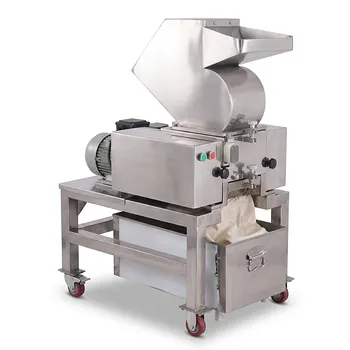
Stainless Steel Coarse Crusher for Pharmaceutical Food and Plastic Material Processing
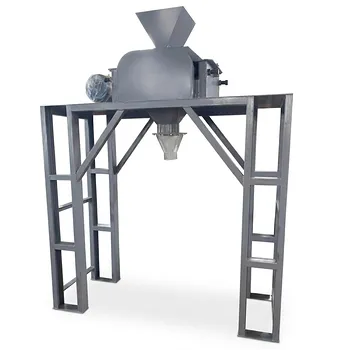
Heightened Customized Laboratory Double Roll Crusher for Coal Ore Rock Crushing
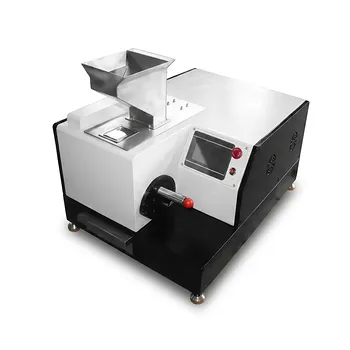
Experimental Jaw Crusher for Laboratory Ore Crushing and Sample Preparation
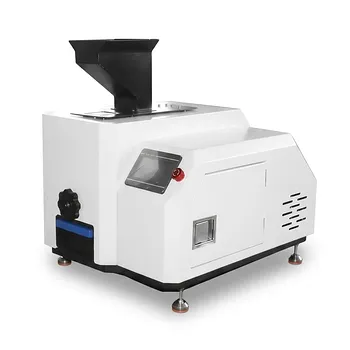
Laboratory Jaw Crusher 2025 Model for Ore and Brittle Material Crushing
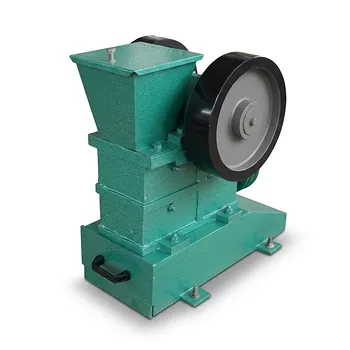
Laboratory Small Jaw Crusher 100x60mm
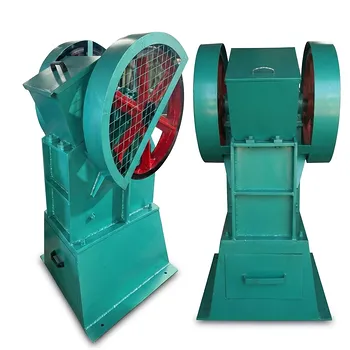
Sealed Jaw Crusher for Laboratory Material Crushing and Sample Preparation
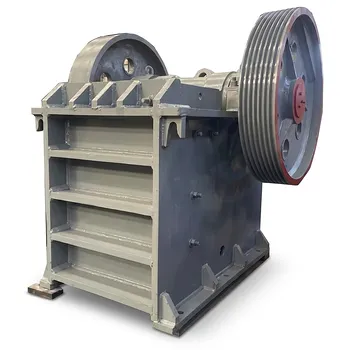
Heavy-Duty Jaw Crusher for Medium-Hard Ore and Industrial Mineral Crushing
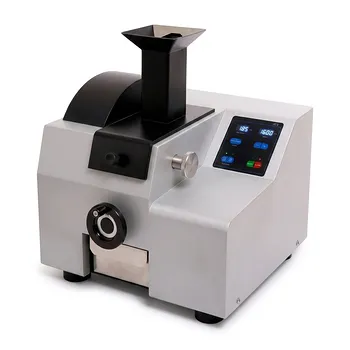
Laboratory Benchtop Jaw Crusher for Hard Brittle Materials Primary Size Reduction and Sample Preparation
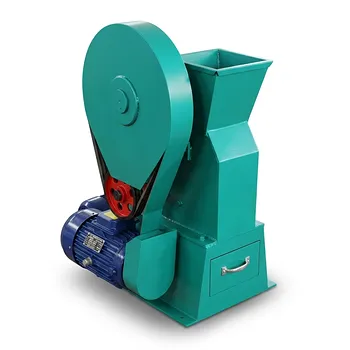
Small Laboratory Jaw Crusher 125x100mm Feed Opening for Sample Preparation
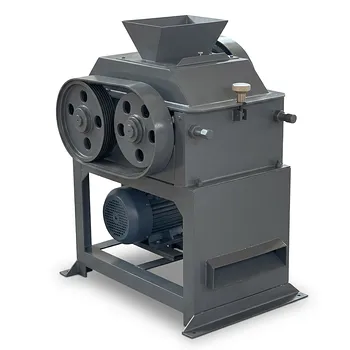
Sealed Laboratory Double Roll Crusher for Coal, Mineral, Ore Sample Preparation
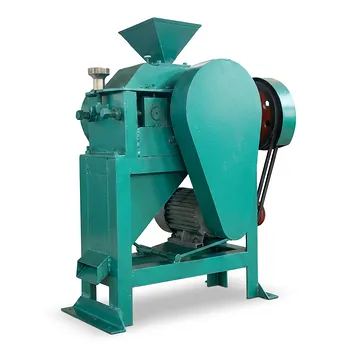
Laboratory Sealed Double Roll Crusher for Coal Ore Rock and Medium Hardness Materials Sample Preparation