What is the role of a roll crusher in the pretreatment of coal gangue for sodium zeolite? Optimize Your Synthesis.
Updated 4 months ago
The roll crusher serves as the primary mechanical intervention in the pretreatment of coal gangue. Its specific role is to transform large, air-dried blocks of this hard industrial waste into a preliminary powder, which significantly increases the material's available surface area. This mechanical reduction is a prerequisite for the subsequent fine grinding and chemical reactions necessary to synthesize sodium zeolite.
The roll crusher bridges the gap between raw industrial waste and processable feedstock by providing controlled size reduction. Its function is to optimize the material's physical state for secondary grinding systems, ensuring the entire preparation workflow remains energy-efficient and chemically effective.
Transforming Industrial Waste into Processable Feedstock
Initial Size Reduction and Granularity Control
Coal gangue is a notoriously hard and brittle industrial solid waste that cannot be processed in its raw, bulky state. The roll crusher utilizes mechanical compression and shear forces to disintegrate these large blocks into a coarse powder.
By reducing the raw material to a consistent granularity, the crusher ensures the material meets the feeding standards required for the next stage of production. This controlled reduction prevents equipment blockages and ensures a steady flow through the processing line.
Augmenting Specific Surface Area
The transition from large blocks to preliminary powder drastically increases the specific surface area of the coal gangue. This is a critical factor in the preparation of sodium zeolite, as a higher surface area allows for more efficient contact during subsequent chemical treatments.
Increased surface area facilitates faster ion exchange reactions and more uniform heat distribution during thermal processing. Without this initial mechanical breakdown, the core of the larger gangue pieces would remain unreacted, leading to a low-quality final product.
Integration into the Multi-Stage Grinding Workflow
Optimizing Feed for Fine Grinding Systems
The roll crusher acts as a "buffer" stage that lightens the mechanical workload for secondary grinding equipment, such as ball mills or stirred mills. By delivering a pre-crushed material (often reduced to a range of 1mm to 6mm), the roll crusher allows fine-grinding machines to operate at peak energy efficiency.
Directly feeding raw coal gangue into a fine-grinding mill would cause excessive wear and high energy consumption. The roll crusher ensures the particle size distribution is narrow enough to be handled effectively by precision pulverizers.
Ensuring Representative Material Composition
A key benefit of mechanical crushing is the homogenization of the bulk material. By breaking down the diverse sizes found in raw coal gangue, the roll crusher creates a uniform sample composition.
This uniformity is vital for laboratory analysis and industrial scaling. It ensures that any small sample taken for quality control is truly representative of the entire batch, leading to more predictable results during the zeolite synthesis process.
Understanding the Trade-offs
Equipment Wear and Maintenance
While roll crushers are highly effective for brittle materials like coal gangue, the abrasive nature of the waste can lead to significant wear on the roller surfaces. Frequent calibration is required to maintain the desired output size, as worn rollers will increase the gap and produce oversized particles.
Limits of Mechanical Crushing
It is important to recognize that a roll crusher is a pretreatment tool, not a final-stage pulverizer. It cannot achieve the micron-level fineness often required for high-grade sodium zeolite without being paired with a secondary fine-grinding system. Relying solely on a roll crusher will result in a material that is too coarse for optimal chemical conversion.
Making the Right Choice for Your Goal
How to Apply This to Your Project
- If your primary focus is energy efficiency: Utilize the roll crusher to achieve the maximum possible size reduction before entering the ball mill stage to reduce total kilowatt-hour consumption.
- If your primary focus is chemical reactivity: Ensure the roll crusher is calibrated to produce the smallest possible preliminary powder to maximize the surface area available for the initial activation phases.
- If your primary focus is equipment longevity: Implement a multi-stage crushing approach, using a jaw crusher for primary reduction followed by the roll crusher for secondary refinement to distribute the mechanical stress.
By precisely controlling the mechanical breakdown of coal gangue, the roll crusher establishes the physical foundation necessary for successful sodium zeolite synthesis.
Summary Table:
| Stage | Key Role of Roll Crusher | Impact on Zeolite Synthesis |
|---|---|---|
| Initial Reduction | Breaks large blocks into 1mm–6mm coarse powder | Prevents equipment blockages and ensures steady feed flow. |
| Surface Area | Drastically increases specific surface area | Facilitates faster ion exchange and uniform chemical reactions. |
| Grinding Prep | Optimizes feed for ball or stirred mills | Reduces energy consumption and wear on fine-grinding equipment. |
| Homogenization | Creates a uniform granularity and composition | Ensures representative sampling for accurate laboratory analysis. |
Elevate Your Material Research with Precision Pretreatment
Are you looking to optimize your laboratory workflow or scale up your material synthesis? At Our Company, we provide complete laboratory sample preparation solutions for material science, specializing in high-performance powder processing and compaction equipment.
From transforming raw industrial waste like coal gangue to producing high-purity synthetic materials, our extensive product lines are designed for precision and durability:
- Crushing & Grinding: Jaw and roll crushers, liquid nitrogen cryogenic grinders, and a variety of mills (planetary ball, jet, sand, disc, and rotor).
- Sieving & Mixing: Vibratory and air-jet sieve shakers, plus advanced powder and defoaming mixers.
- Hydraulic Presses: A full spectrum including Cold/Warm Isostatic Presses (CIP/WIP), XRF pellet presses, and vacuum hot presses.
Whether you are a researcher or a distributor looking for reliable OEM/ODM support and certified quality, we have the expertise to support your goals.
Contact our experts today to find your solution!
References
- Yiou Wang, Tianhui Zhao. A Study on the Removal of Phosphate from Water Environments by Synthesizing New Sodium-Type Zeolite from Coal Gangue. DOI: 10.3390/w17172628
Mentioned Products
- Precision Toothed Roll Crusher for Laboratory Coal and Mineral Sample Preparation
- Laboratory Sealed Double Roll Crusher for Coal Ore Rock and Medium Hardness Materials Sample Preparation
- Sealed Double Roll Crusher for Laboratory Coal and Ore Sample Preparation
- Sealed Laboratory Double Roll Crusher for Coal, Mineral, Ore Sample Preparation
- Laboratory Double Roll Crusher for Medium Hardness Materials Coal Ore Sample Preparation
People Also Ask
- Why use a lab roll crusher after jaw crushing for magnetite? Optimize kinetics and preserve material integrity.
- Why is material selection for crusher rollers critical for abrasive materials? Balance Purity and Tool Longevity
- Why is a double roll crusher used for tin & tantalum? Prevent over-crushing & optimize gravity separation recovery.
- Why Pre-Crush Bulk ZnFeS Before Ball Milling? Essential Steps for Efficiency and High-Purity Micron Refinement
- How do crushing & division equipment ensure coal sample representativeness? Essential Lab Prep Guide.

Tech Team · PowderPreparation
Last updated on May 14, 2026
Related Products
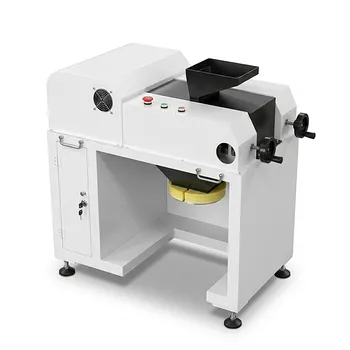
Precision Toothed Roll Crusher for Laboratory Coal and Mineral Sample Preparation
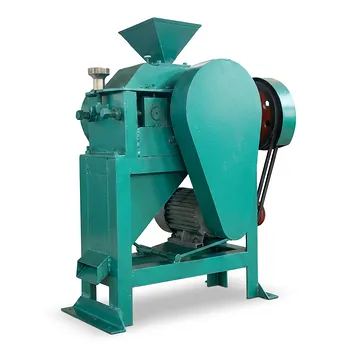
Laboratory Sealed Double Roll Crusher for Coal Ore Rock and Medium Hardness Materials Sample Preparation
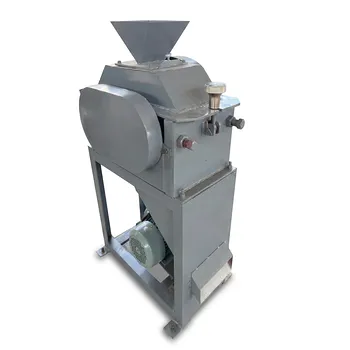
Sealed Double Roll Crusher for Laboratory Coal and Ore Sample Preparation
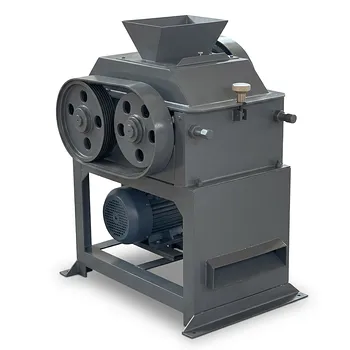
Sealed Laboratory Double Roll Crusher for Coal, Mineral, Ore Sample Preparation
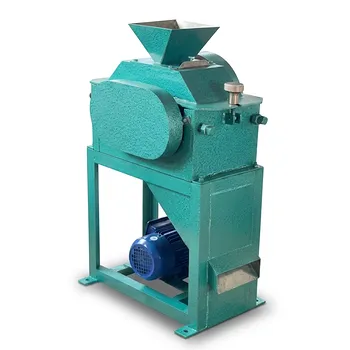
Laboratory Double Roll Crusher for Medium Hardness Materials Coal Ore Sample Preparation
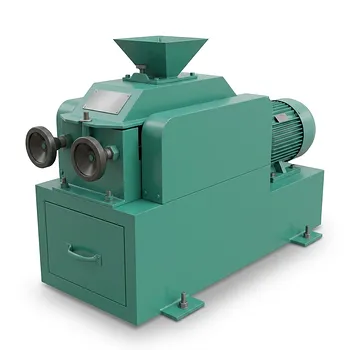
Horizontal Double Roll Crusher for Medium Fine Crushing of Coal Limestone and Ores
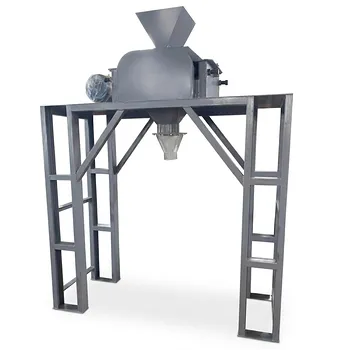
Heightened Customized Laboratory Double Roll Crusher for Coal Ore Rock Crushing
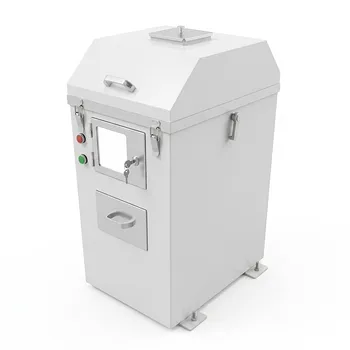
Sealed Double Roll Crusher for Laboratory Sample Preparation of Medium Hardness Materials
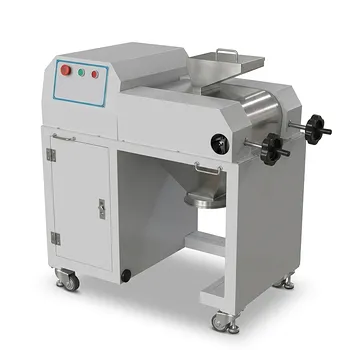
Laboratory Double Roller Crusher for Mining Construction Chemical Sample Preparation
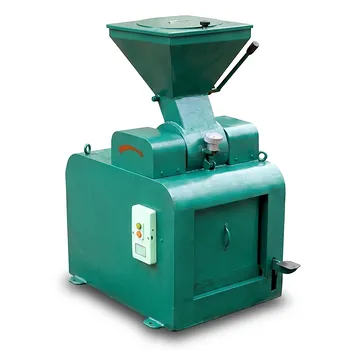
Laboratory Sealed Hammer Crushers for Coal Sample Preparation and Medium Strength Material Crushing
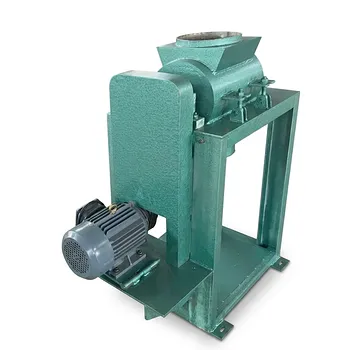
Customized Sealed Laboratory Hammer Crusher for Coal and Medium Hardness Sample Preparation
Industrial Sealed Hammer Knife Crusher for Mining Ore and Coal Sample Preparation
Laboratory Sealed Hammer Crusher for Coal and Mineral Sample Preparation
Medium Hardness Material Disc Pulverizer for Coal Ore Sample Preparation
Sealed Hammer Crusher for Laboratory Coal Sample Preparation Adjustable Output Size
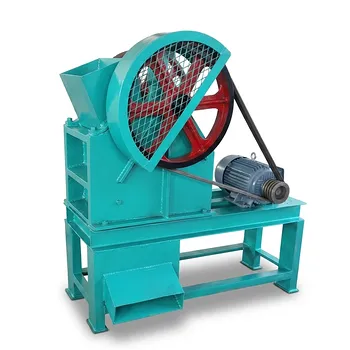
150x250mm Custom Laboratory Jaw Crusher for Coal Ore Mineral Crushing
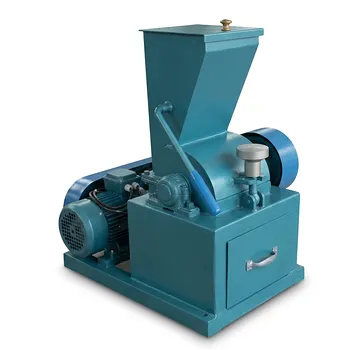
Small Hammer Crusher for Brittle Material Crushing in Mining Metallurgy and Lab Sample Preparation
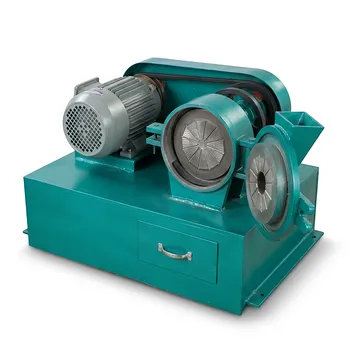
Laboratory Disc Pulverizer for Coal Coke Ore and Medium Hard Materials Sample Preparation
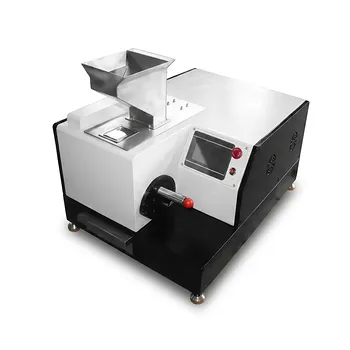
Experimental Jaw Crusher for Laboratory Ore Crushing and Sample Preparation