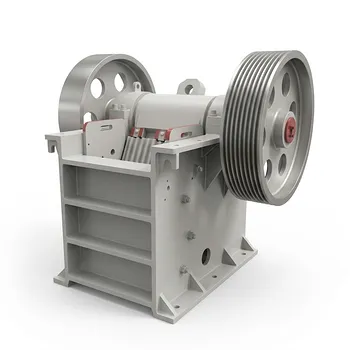
What is the function of a double roll crusher in manganese ore processing? Precise <2mm size control & minimal fines.
Updated 4 months ago
The primary function of an industrial double roll crusher in processing low-grade siliceous manganese ore is to achieve precise size reduction while maintaining structural integrity. By utilizing multi-stage crushing, the equipment reduces raw ore to a specific particle size of less than 2mm. This controlled fragmentation is essential for minimizing the production of excessive fine powder, which can otherwise complicate downstream processing.
Core Takeaway: The double roll crusher serves as a precision tool to prepare low-grade manganese ore for mineral liberation studies by delivering a uniform particle size distribution (under 2mm) and preventing the loss of material to unwanted fines.
Achieving Precision in Particle Size Distribution
Multi-Stage Crushing for Granular Control
The double roll crusher employs a multi-stage approach to gradually reduce the raw ore to a particle size of less than 2mm. This methodical reduction ensures that the ore reaches the required dimensions without the chaotic fragmentation often seen in single-stage high-impact methods.
Minimizing the Generation of Fine Powder
A critical advantage of the roll crusher is its ability to minimize excessive fine powder. In manganese processing, "slimes" or ultra-fine particles can be difficult to manage in subsequent stages, so keeping the material within a specific granular range is vital for efficiency.
Mechanical Extrusion and Gap Adjustment
The equipment achieves this controlled fragmentation by adjusting the gap between the rollers. This allows operators to apply specific mechanical extrusion forces, ensuring the ore is broken down to meet the precise feed requirements of the next processing phase.
Supporting Downstream Mineral Liberation
Facilitating Screening and Classification
By producing a consistent output, the double roll crusher provides an ideal feed for screening and classification. Uniformity in the initial stages ensures that subsequent sieving processes can effectively separate minerals based on size and density.
Enhancing Mineral Liberation Studies
For low-grade ores, understanding how minerals are bound is crucial. The double roll crusher prepares the material for mineral liberation studies, allowing geologists and engineers to evaluate the physical properties of the ore and determine the best methods for further refinement.
Increasing Specific Surface Area
Reducing the ore to sub-2mm particles significantly increases the specific surface area. This physical transformation is a prerequisite for any subsequent fine grinding or chemical reaction processes, as it exposes more of the mineral to processing agents.
Understanding the Trade-offs
Maintenance and Roller Wear
While roll crushers offer superior size control, they are subject to significant wear and tear on the roller surfaces, especially when processing abrasive siliceous ores. Regular maintenance and the use of hardened materials are required to prevent the "corrugation" of the rollers, which would otherwise compromise particle uniformity.
Complexity of Multi-Stage Systems
Implementing a multi-stage crushing circuit involves a higher initial capital investment and a larger footprint compared to a single jaw crusher. Operators must balance the need for precise particle distribution against the increased mechanical complexity of the system.
How to Apply This to Your Project
Recommendations for Ore Processing
- If your primary focus is maximizing mineral recovery: Utilize the double roll crusher specifically to prevent the creation of fines, as this preserves the maximum amount of ore for gravity or magnetic separation.
- If your primary focus is high-volume throughput: Consider a primary jaw crusher for initial reduction followed by the double roll crusher to ensure the final feed meets the sub-2mm requirement for ball mills.
- If your primary focus is detailed laboratory analysis: Use the adjustable gap settings of the roll crusher to produce highly specific size fractions, which are essential for accurate mineral liberation assessments.
By prioritizing controlled fragmentation over raw crushing power, you ensure that low-grade siliceous manganese ore is perfectly prepared for the complexities of modern mineral processing.
Summary Table:
| Key Feature | Benefit for Manganese Ore Processing | Impact on Downstream Efficiency |
|---|---|---|
| Multi-Stage Crushing | Gradual reduction to sub-2mm particle size | Prevents over-crushing and material loss |
| Adjustable Roll Gap | Precise control over mechanical extrusion force | Ensures uniform feed for mineral liberation |
| Fine Powder Control | Minimizes generation of unwanted 'slimes' | Simplifies gravity and magnetic separation |
| Surface Area Boost | Significant increase in specific surface area | Enhances chemical reactivity and grinding speed |
Optimize Your Mineral Processing with Precision Equipment
Achieving the perfect particle size distribution is critical for successful mineral liberation and material analysis. At [Brand Name], we provide complete laboratory sample preparation solutions for material science, specializing in high-performance powder processing and compaction equipment.
Whether you are refining low-grade ores or developing new materials, our extensive product line ensures precision and reliability:
- Crushing & Grinding: Jaw and roll crushers, liquid nitrogen cryogenic grinders, and high-energy mills (planetary ball, jet, sand/bead, disc, rotor).
- Sizing & Mixing: Vibratory and air-jet sieve shakers with various meshes, plus advanced powder and defoaming mixers.
- Compaction Solutions: A full spectrum of hydraulic presses, including Cold/Warm Isostatic Presses (CIP/WIP), standard lab presses, XRF pellet presses, and vacuum hot presses.
Ready to enhance your lab's efficiency and output quality? Contact our experts today to find the ideal equipment configuration for your specific material challenges.
References
- Patitapaban Mishra, Khageswar Mahanta. Upgradation of Low-Grade Siliceous Manganese Ore from Bonai-Keonjhar Belt, Orissa, India. DOI: 10.4236/jmmce.2009.81005
Mentioned Products
- Laboratory Double Roll Crusher for Medium Hardness Materials Coal Ore Sample Preparation
- Sealed Double Roll Crusher for Laboratory Coal and Ore Sample Preparation
- Horizontal Double Roll Crusher for Medium Fine Crushing of Coal Limestone and Ores
- Sealed Laboratory Double Roll Crusher for Coal, Mineral, Ore Sample Preparation
- Laboratory Sealed Double Roll Crusher for Coal Ore Rock and Medium Hardness Materials Sample Preparation
People Also Ask
- Why use a lab roll crusher after jaw crushing for magnetite? Optimize kinetics and preserve material integrity.
- Why is a double roll crusher used for tin & tantalum? Prevent over-crushing & optimize gravity separation recovery.
- What is the primary function of laboratory-scale crushers in the pre-treatment stage of iron ore bio-dephosphorization?
- Lab Crusher's Role in Banana Stem Cellulose Extraction? Enhance Your Raw Material Preparation Now
- What is the primary role of laboratory crushers in the recycling process of inorganic old sand? Essential for Sand Reuse

Tech Team · PowderPreparation
Last updated on May 14, 2026
Related Products
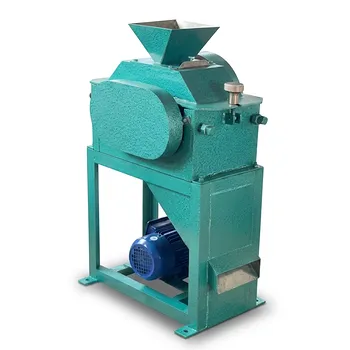
Laboratory Double Roll Crusher for Medium Hardness Materials Coal Ore Sample Preparation
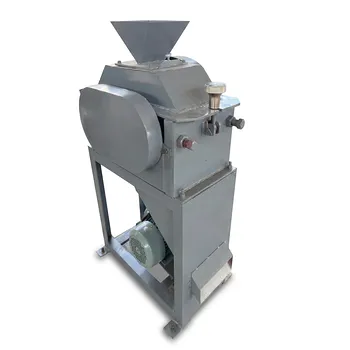
Sealed Double Roll Crusher for Laboratory Coal and Ore Sample Preparation
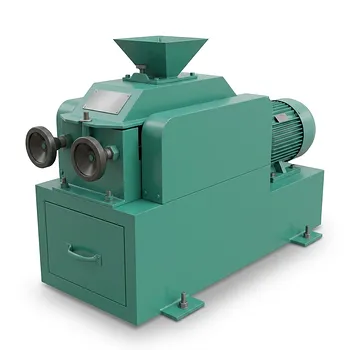
Horizontal Double Roll Crusher for Medium Fine Crushing of Coal Limestone and Ores
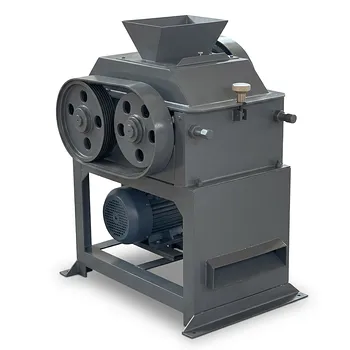
Sealed Laboratory Double Roll Crusher for Coal, Mineral, Ore Sample Preparation
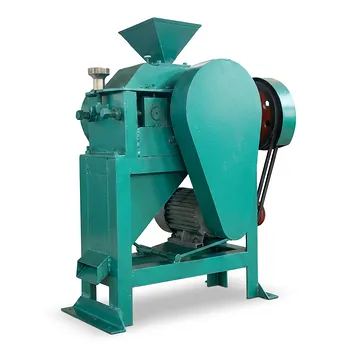
Laboratory Sealed Double Roll Crusher for Coal Ore Rock and Medium Hardness Materials Sample Preparation
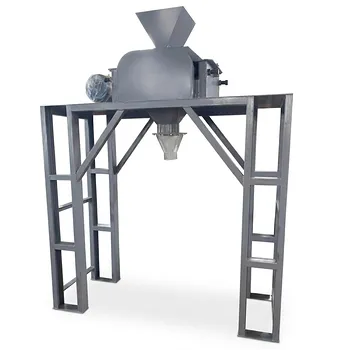
Heightened Customized Laboratory Double Roll Crusher for Coal Ore Rock Crushing
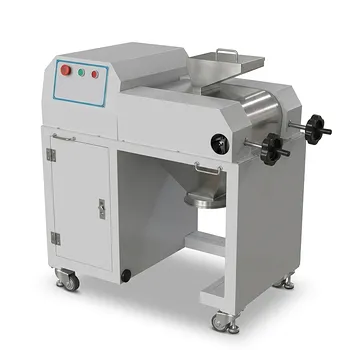
Laboratory Double Roller Crusher for Mining Construction Chemical Sample Preparation
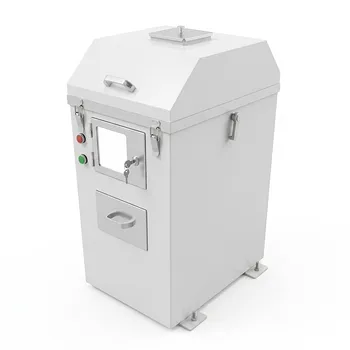
Sealed Double Roll Crusher for Laboratory Sample Preparation of Medium Hardness Materials
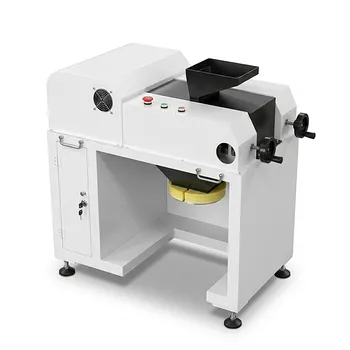
Precision Toothed Roll Crusher for Laboratory Coal and Mineral Sample Preparation
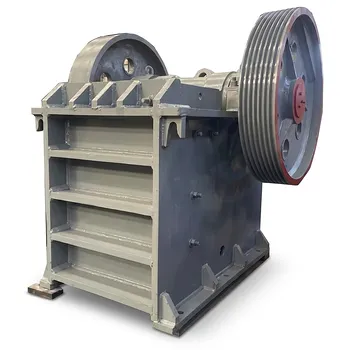
Heavy-Duty Jaw Crusher for Medium-Hard Ore and Industrial Mineral Crushing
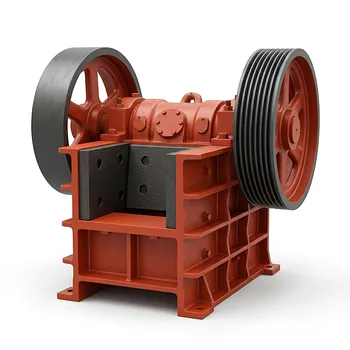
250x400 Jaw Crusher for Primary Crushing of Ores and Bulk Materials
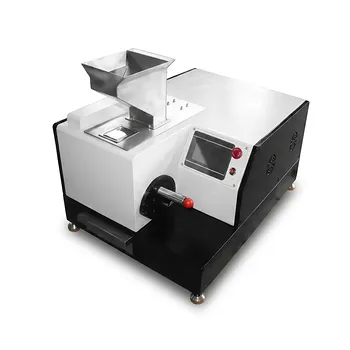
Experimental Jaw Crusher for Laboratory Ore Crushing and Sample Preparation
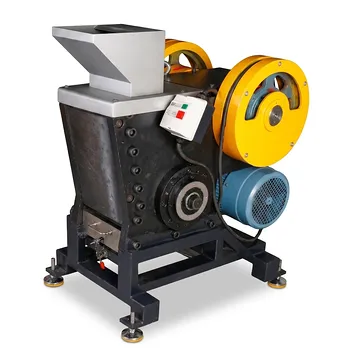
Heavy Duty Industrial Jaw Crusher for Primary Ore Crushing and High Capacity Mineral Material Size Reduction
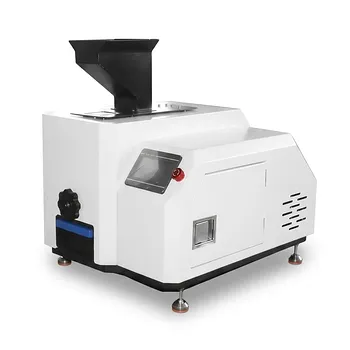
Laboratory Jaw Crusher 2025 Model for Ore and Brittle Material Crushing
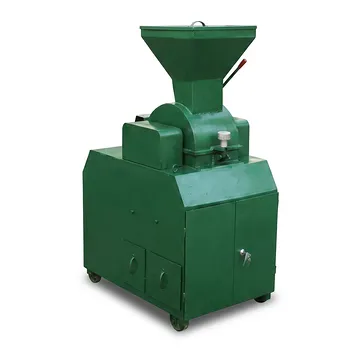
Industrial Sealed Hammer Knife Crusher for Mining Ore and Coal Sample Preparation
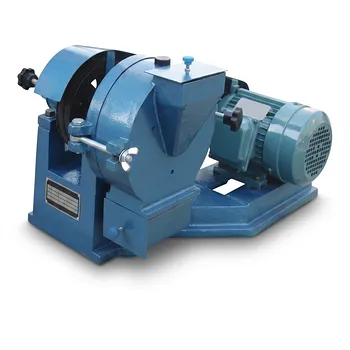
Laboratory Disc Mill for Ore and Mineral Sample Preparation
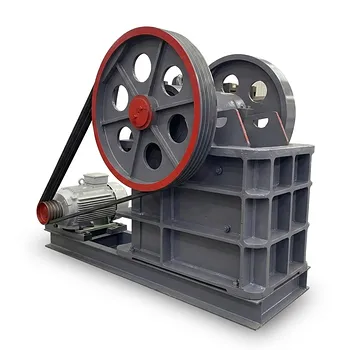
250x400mm Jaw Crusher Medium Crushing Equipment for Mining Mineral Sample Preparation