Why is the ball milling process for graphene/aluminum composite powders typically conducted in an argon environment?
Updated 5 months ago
The use of high-purity argon in ball milling is primarily a safeguard against the extreme chemical reactivity of aluminum and the structural vulnerability of graphene. By establishing an inert atmosphere, argon isolates the composite powders from oxygen and moisture, preventing the formation of aluminum oxide layers and the oxidative degradation of graphene during high-energy impacts.
Core Takeaway: Conducting ball milling in an argon environment is essential to maintain the chemical purity and structural integrity of the composite, ensuring that the resulting powder retains the metallic properties necessary for high-strength bonding during subsequent manufacturing stages.
Mitigating the High Reactivity of Aluminum
The Problem of Increased Surface Area
Aluminum powder possesses high chemical activity that is significantly amplified during the milling process. As the ball mill grinds the material, it continuously fractures the particles, creating a massive amount of fresh, unoxidized surfaces with high surface energy.
Preventing Spontaneous Oxidation
Without an inert shield, these fresh surfaces would immediately react with atmospheric oxygen and moisture. This reaction forms a dense alumina (Al2O3) passivation layer, which acts as a contaminant that inhibits the mechanical and thermal performance of the final composite.
Avoiding Thermal Ignition
High-energy ball milling generates significant frictional heat and thermal energy from localized impacts. In the presence of air, this heat can trigger self-ignition or rapid oxidation of the reactive metal powders, posing a safety risk and destroying the material's phase structure.
Preserving the Integrity of the Graphene Reinforcement
Protecting the Graphene Lattice
Graphene is sensitive to oxidative environments, especially when subjected to the mechanical stress of milling. An argon environment prevents the oxidative degradation of the graphene structure, ensuring it can function effectively as a reinforcement phase within the aluminum matrix.
Facilitating Interfacial Bonding
A clean interface between the aluminum and graphene is critical for the composite's strength. By preventing an oxide layer from forming on the aluminum, argon ensures strong metallic bonding between the particles during the later stages of sintering and extrusion.
Maintaining Chemical Purity
The introduction of argon ensures that no foreign elements from the atmosphere are incorporated into the powder. This maintains the intended chemical composition of the alloy, which is vital for achieving specific mechanical and tribological properties.
Understanding the Trade-offs and Limitations
The Cost of High-Purity Inert Gases
While argon is highly effective, it introduces additional operational costs compared to milling in air or nitrogen. Nitrogen is often avoided for aluminum because it can react to form aluminum nitrides, making argon the technically superior but more expensive choice.
Complexity of Atmosphere Control
Maintaining a truly inert environment requires sealed grinding jars and precise vacuum-purging cycles. Any leakage or failure in the seal during long-duration milling can lead to "hidden" oxidation, which may only become apparent during final testing of the sintered body.
Handling and Processing Requirements
Powders processed in argon are often pyrophoric (liable to ignite spontaneously in air) because they lack a protective oxide layer. This necessitates specialized handling equipment, such as glove boxes, to move the powder from the mill to the next production stage.
How to Apply This to Your Project
Recommendations Based on Your Specific Goals
- If your primary focus is Maximum Mechanical Strength: Use the highest purity argon available (99.99% or higher) to ensure a completely clean interface for optimal bonding during sintering.
- If your primary focus is Process Safety: Ensure your milling jars are equipped with pressure-relief valves and high-quality seals to prevent oxygen ingress and potential thermal runaway.
- If your primary focus is Cost-Efficiency: Reserve argon environments specifically for the milling of highly reactive metals like aluminum or magnesium, while considering less expensive atmospheres for stable ceramics.
The success of a graphene/aluminum composite depends entirely on maintaining a clean, unoxidized interface, a goal that is only achievable through the disciplined use of an inert argon atmosphere.
Summary Table:
| Key Requirement | Role of Argon Environment | Impact on Composite Quality |
|---|---|---|
| Oxidation Control | Isolates fresh aluminum surfaces from O2 | Maintains high chemical purity and metallic bonding |
| Structural Integrity | Prevents oxidative degradation of graphene | Preserves the reinforcement's mechanical properties |
| Thermal Safety | Prevents self-ignition of reactive powders | Ensures process safety during high-energy impacts |
| Interfacial Strength | Eliminates Al2O3 passivation layers | Facilitates superior load transfer between matrix and filler |
Optimize Your Material Synthesis with Precision Equipment
Achieving the perfect graphene/aluminum composite requires more than just the right atmosphere—it requires precision engineering. [Your Brand Name] provides complete laboratory sample preparation solutions for material science, specializing in high-performance powder processing and compaction equipment.
Our extensive range is designed to support every stage of your research and production:
- Advanced Milling: Planetary ball mills, jet mills, and cryogenic grinders for precise particle size control.
- Superior Compaction: A full spectrum of hydraulic presses, including Cold/Warm Isostatic Presses (CIP/WIP), vacuum hot presses, and XRF pellet presses.
- Processing Excellence: Powder mixers, defoaming mixers, and vibratory sieve shakers to ensure material homogeneity.
Whether you are a researcher or a high-volume manufacturer, we deliver the reliability and performance needed for high-strength material bonding. Contact us today to discuss your specific requirements and see how our solutions can enhance your lab's efficiency!
References
- Xiaohui Du, F. Liu. Microstructure and mechanical properties of graphene-reinforced aluminum-matrix composites. DOI: 10.17222/mit.2018.021
Mentioned Products
- Heavy Duty Horizontal Planetary Ball Mill for Efficient Industrial Grinding and Sample Preparation
- Vertical Semi Circular Planetary Ball Mill for Laboratory Precision Grinding
- Vertical Production Planetary Ball Mill for High Throughput Powder Processing
- Vertical Square Planetary Ball Mill for Laboratory Sample Preparation and Nanoscale Grinding
- High Energy Planetary Ball Mill for Nano Scale Grinding and Mechanical Alloying
People Also Ask
- Why grind lime-pozzolan specimens for TG/DTA for 3 mins? Master sample prep for high-precision thermal analysis.
- What is the role of a planetary ball mill in the mechanical activation of ZTA powder? Boost Sintering Performance
- What is the function of a planetary ball mill in wollastonite ceramic prep? Achieve Molecular Homogenization & Reactivity
- How does a planetary ball mill contribute to the homogenization of trace elements? Achieve Sub-Micron Uniformity
- What is the function of a high-performance planetary ball mill in AMZ laminates? Master Ceramic Homogenization.

Tech Team · PowderPreparation
Last updated on May 14, 2026
Related Products
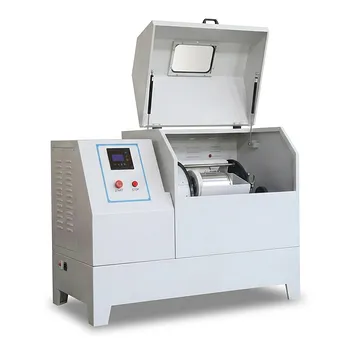
Heavy Duty Horizontal Planetary Ball Mill for Efficient Industrial Grinding and Sample Preparation
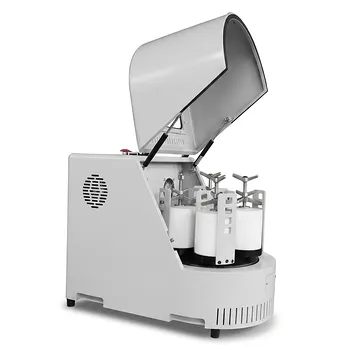
Vertical Semi Circular Planetary Ball Mill for Laboratory Precision Grinding
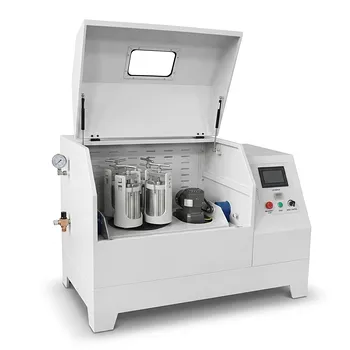
Vertical Production Planetary Ball Mill for High Throughput Powder Processing
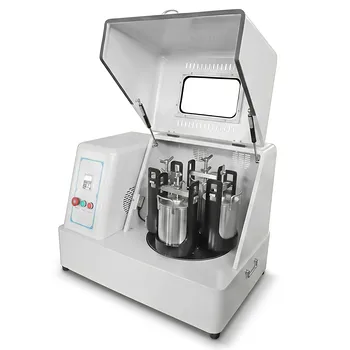
Vertical Square Planetary Ball Mill for Laboratory Sample Preparation and Nanoscale Grinding
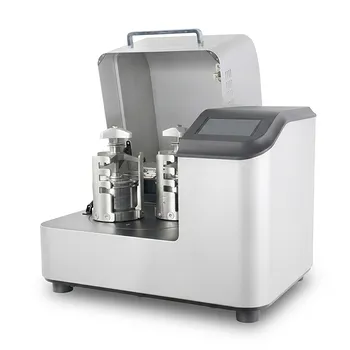
High Energy Planetary Ball Mill for Nano Scale Grinding and Mechanical Alloying
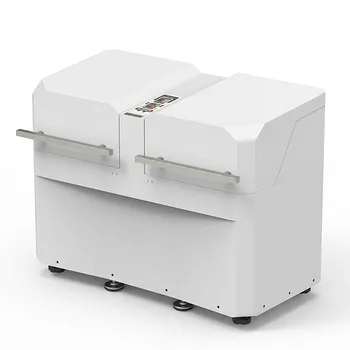
Dual Station Planetary Ball Mill 24L
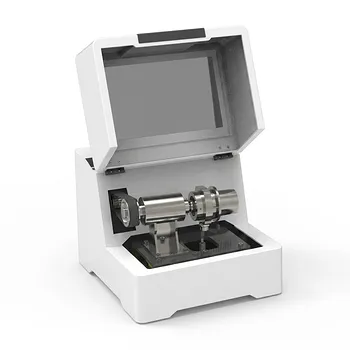
Single Tank High Energy Vibratory Ball Mill for Laboratory Grinding and Mixing
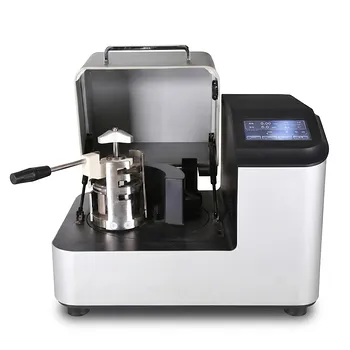
High Energy Laboratory Planetary Ball Mill for Nano Grinding and Material Science Sample Preparation
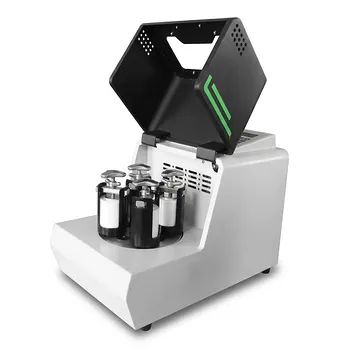
Miniature Planetary Ball Mill with Vacuum Grinding and High Efficiency for Laboratory Sample Preparation
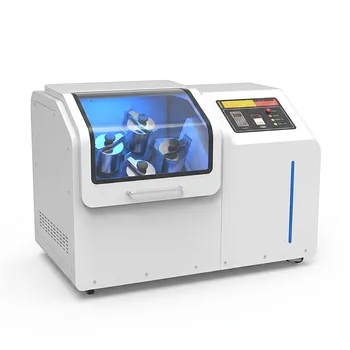
High Energy Omnidirectional Planetary Ball Mill 16L
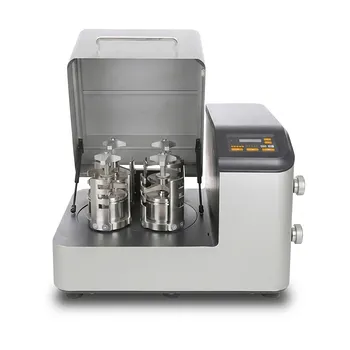
High Energy Planetary Ball Mill for Nano Scale Grinding and Colloidal Mixing in Material Science Research
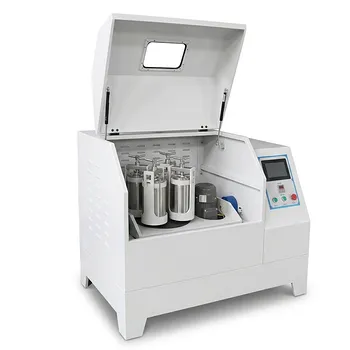
360° Rotating Omnidirectional Laboratory Planetary Ball Mill for Homogeneous Ultra-Fine Grinding and Mixing
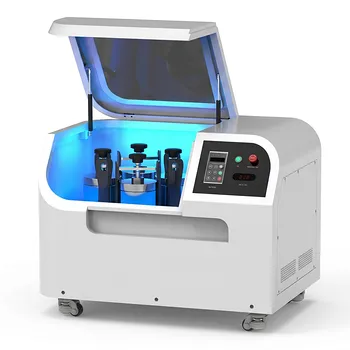
Planetary Ball Mill 12L
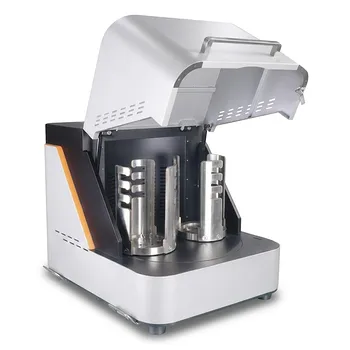
High Energy Laboratory Planetary Ball Mill for Nano Grinding and Colloidal Mixing of Hard and Brittle Materials
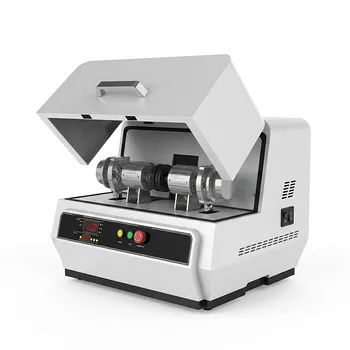
Dual Jar High Energy Vibratory Ball Mill
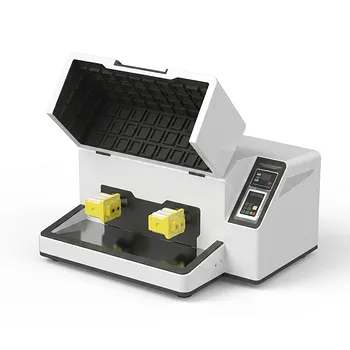
Multi-Platform Nanoscale High-Energy Vibratory Ball Mill
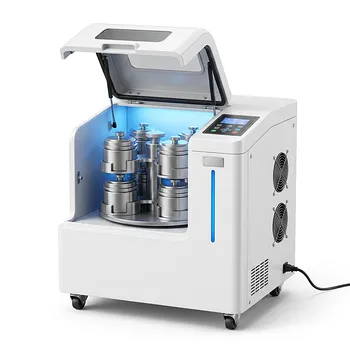
High Energy Omnidirectional Planetary Ball Mill 20L
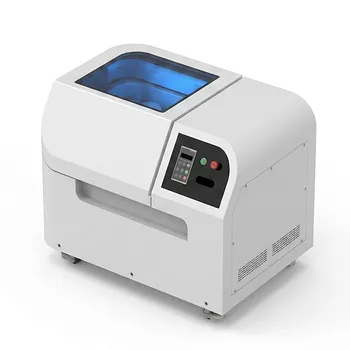
8L Planetary Ball Mill for Laboratory Grinding and Sample Preparation
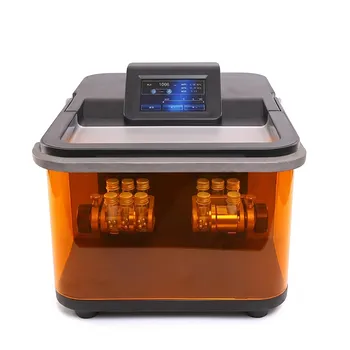
High Throughput Micro Ball Mill for Cryogenic Grinding and Laboratory Cell Disruption