Why is secondary jet milling necessary for products processed through HME? Achieve Precision for Inhalation Delivery
Updated 5 months ago
Secondary jet milling is the essential final step for inhalation products because Hot-Melt Extrusion (HME) produces bulk materials that are physically incompatible with the human respiratory system. While HME is superior for creating stable, low-crystallinity solid dispersions, the resulting output consists of coarse filaments or large blocks. Jet milling is required to pulverize these solids into the precise micron-sized particles necessary for deep lung penetration.
Secondary jet milling acts as the critical bridge between chemical formulation and physical delivery, transforming macroscopic extrudates into respirable powders while preserving the unique amorphous characteristics achieved during the HME process.
Bridging the Gap from Bulk Extrudate to Respirable Powder
The Physical Limitations of HME Output
Hot-Melt Extrusion naturally produces coarse filaments or pellets that are several millimeters in size. These macroscopic structures are impossible to aerosolize or deliver via dry powder inhalers (DPIs).
Secondary milling is required to reduce these solids to a geometric diameter typically between 1 and 5 microns. This specific range is the "sweet spot" for ensuring particles bypass the upper airways and settle in the deep lung.
Preserving the Amorphous Solid State
One of the primary reasons for using HME is to create low-crystallinity or amorphous solid dispersions to improve drug solubility. Unlike mechanical grinders, jet milling uses high-pressure compressed gas to induce particle-on-particle impact.
This "cold" milling process generates minimal heat, which is vital for preventing the recrystallization of the drug. By maintaining the low-crystallinity state, the product retains the enhanced bioavailability established during extrusion.
Optimizing Particle Morphology for Inhalation
Achieving Ideal Aerodynamic Performance
The efficacy of an inhaled drug depends on its aerodynamic diameter, which is influenced by both size and shape. Jet milling allows for fine control over the morphology of the pulverized extrudate.
By tuning the milling parameters, manufacturers can create particles with the specific surface characteristics needed for efficient aerosolization. This ensures the powder flows easily out of the device and remains suspended in the inspiratory airflow.
Consistency in Multi-Component Dispersions
HME often involves complex mixtures of APIs and polymers. Jet milling ensures that these solid dispersions are broken down uniformly.
The resulting powder maintains a consistent homogeneity at the microscopic level. This ensures that every inhaled dose contains the correct ratio of drug to carrier, providing predictable therapeutic outcomes for the patient.
Understanding the Trade-offs and Risks
The Challenge of High Surface Energy
Micronization significantly increases the surface area of the particles, which can lead to high surface energy. This often results in particles that are "sticky" or prone to agglomeration, potentially hindering their ability to aerosolize.
Potential for Process-Induced Phase Changes
While jet milling is generally cooler than other methods, the sheer mechanical energy applied to the particles can still cause localized instability. If the formulation is not robust, the stress of milling may trigger a shift from an amorphous state back to a crystalline state over time.
How to Integrate Milling into Your HME Workflow
To ensure a successful transition from extrudate to inhalable powder, the milling strategy must be tailored to the specific material properties of the HME output.
- If your primary focus is maximizing deep lung deposition: Optimize jet milling pressures to achieve a narrow particle size distribution strictly within the 1-3 micron range.
- If your primary focus is long-term stability: Conduct rigorous solid-state characterization (such as XRD or DSC) after milling to ensure the low-crystallinity state was not compromised by mechanical stress.
- If your primary focus is powder flowability: Evaluate the use of ternary "glidant" additives during the milling stage to counteract the high surface energy and prevent particle clumping.
By masterfully combining the molecular stability of HME with the physical precision of jet milling, you can create highly effective, stable, and respirable inhalation therapies.
Summary Table:
| Feature | HME Output (Bulk Extrudate) | Post-Jet Milling (Inhalation Powder) |
|---|---|---|
| Physical Form | Coarse filaments/pellets (mm scale) | Fine micronized powder (1-5 μm) |
| Respirability | Non-respirable; physically incompatible | High; optimized for deep lung penetration |
| Crystallinity | Amorphous solid dispersion (bulk) | Preserved amorphous state (low-heat process) |
| Morphology | Large, irregular structures | Controlled aerodynamic diameter and shape |
| Therapeutic Use | Requires further processing | Ready for Dry Powder Inhalers (DPI) |
Elevate Your Inhalation Formulation Precision
Transitioning from bulk Hot-Melt Extrusion (HME) to respirable micron-sized powders requires equipment that balances high-energy impact with thermal stability. At [Brand Name], we provide complete laboratory sample preparation solutions for material science, specializing in the high-performance powder processing equipment you need to bridge the gap between formulation and delivery.
Our extensive product line includes:
- Precision Milling: Jet mills, planetary ball mills, and rotor mills designed for sensitive drug-carrier dispersions.
- Material Reduction: Jaw and roll crushers for initial extrudate processing.
- Powder Handling: Sieve shakers, powder mixers, and defoaming mixers to ensure dose homogeneity.
- Compaction Solutions: A full spectrum of hydraulic presses, including Cold/Warm Isostatic Presses (CIP/WIP) and vacuum hot presses for advanced material characterization.
Whether you are maximizing deep lung deposition or ensuring the long-term stability of amorphous dispersions, our tools are engineered for the specific demands of pharmaceutical material science.
Ready to optimize your HME workflow? Contact us today to find the perfect equipment for your lab!
References
- Jin-Hyuk Jeong, Chun‐Woong Park. Preparation and Evaluation of Inhalable Microparticles with Improved Aerodynamic Performance and Dispersibility Using L-Leucine and Hot-Melt Extrusion. DOI: 10.3390/pharmaceutics16060784
Mentioned Products
- Benchtop Micro Air Jet Mill for Ultrafine Grinding of High Value Powders
- Laboratory Classification Jet Mill for Ultrafine Powder Grinding
- Small Airflow Ultra-Fine Grinder for Laboratory Sample Preparation
- Water Cooled Pulse Jet Ultrafine Grinder
- Water Cooled Pulse Jet Ultra Fine Pulverizer for Continuous Grinding
People Also Ask
- How does an air-jet mill enhance the performance of Mo2N when used as an electrocatalyst? Optimize Electrode Efficiency
- Why is a jet mill used for the co-milling of inhalable Itraconazole microparticles? Optimize Pulmonary Drug Delivery
- What are the advantages of a jet mill vs. a ball mill for high-purity ceramics? Achieve superior purity and precision.
- What are the advantages of using a jet mill compared to a ball mill for Sm-Co magnets? Purity vs. Performance
- How does a laboratory jet mill function in the processing of crude char into rCB? Master High-Purity Particle Refinement

Tech Team · PowderPreparation
Last updated on May 14, 2026
Related Products
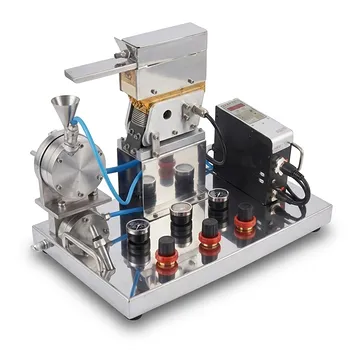
Benchtop Micro Air Jet Mill for Ultrafine Grinding of High Value Powders
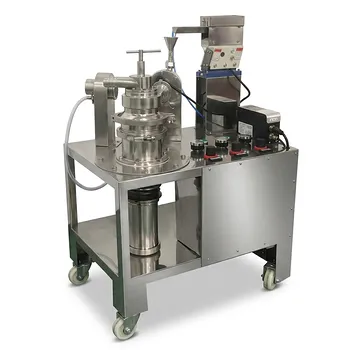
Laboratory Classification Jet Mill for Ultrafine Powder Grinding
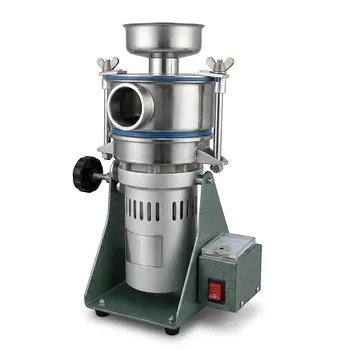
Small Airflow Ultra-Fine Grinder for Laboratory Sample Preparation
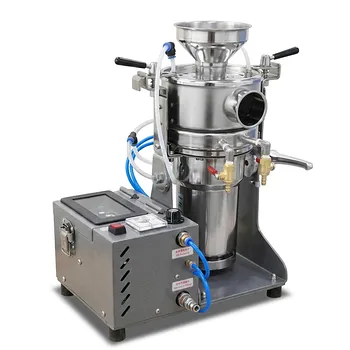
Water Cooled Pulse Jet Ultrafine Grinder
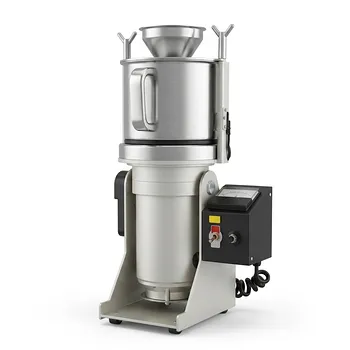
Water Cooled Pulse Jet Ultra Fine Pulverizer for Continuous Grinding
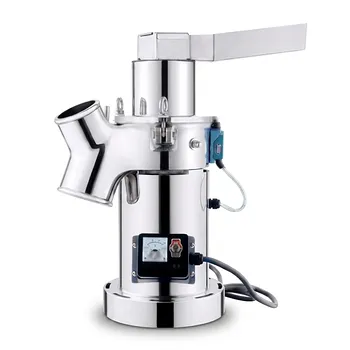
Airflow Ultrafine Pulverizer for Laboratory Ultra-fine Grinding
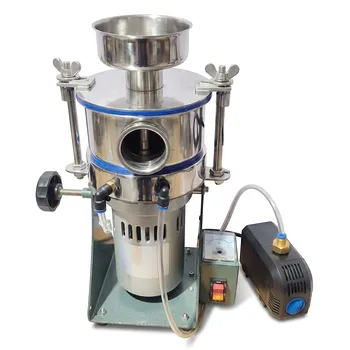
Water Cooled Airflow Ultra Fine Grinder for Low Temperature Material Processing
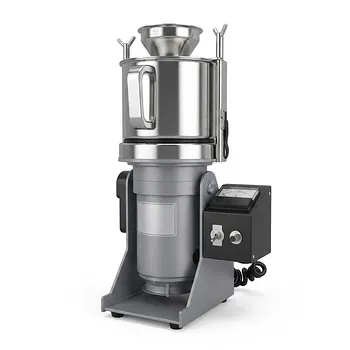
High Speed Air Induced Ultrafine Pulverizer Laboratory Superfine Powder Mill for Pharmaceutical and Material Science Sample Preparation
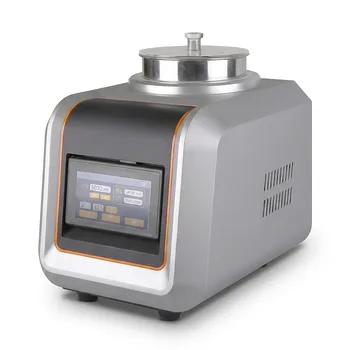
Laboratory Air Jet Sieving Machine for Fine Powder Particle Size Analysis and Deagglomeration
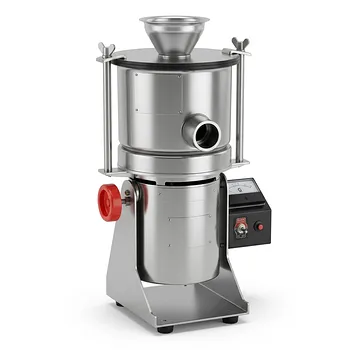
Laboratory Ultrafine Impact and Airflow Grinder for Precise Particle Size Control
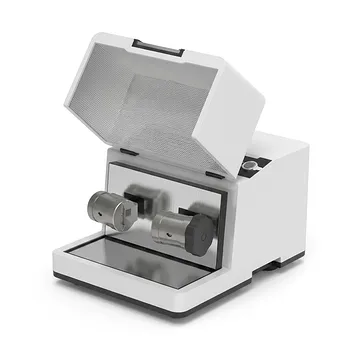
Heating Temperature Controlled High Energy Vibratory Ball Mill

High Energy Laboratory Planetary Ball Mill for Nano Grinding and Material Science Sample Preparation

Vertical Square Planetary Ball Mill for Laboratory Sample Preparation and Nanoscale Grinding
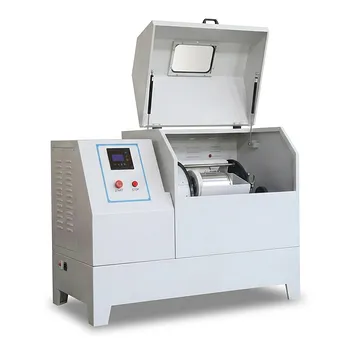
Heavy Duty Horizontal Planetary Ball Mill for Efficient Industrial Grinding and Sample Preparation
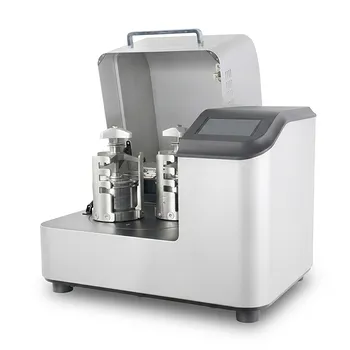
High Energy Planetary Ball Mill for Nano Scale Grinding and Mechanical Alloying

Miniature Planetary Ball Mill with Vacuum Grinding and High Efficiency for Laboratory Sample Preparation
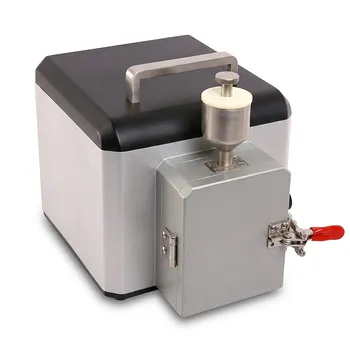
Portable Cutting Mill for Laboratory Sample Preparation and RoHS WEEE Compliance Testing
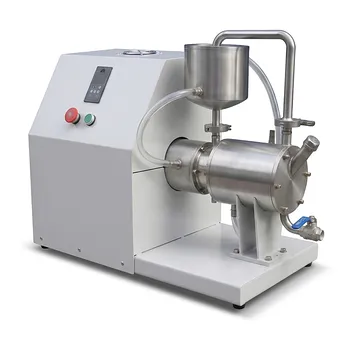
Laboratory Small Horizontal Sand Mill for Nano Materials Wet Grinding
Small Laboratory Colloid Mill for Ultra-Fine Wet Grinding and Emulsification