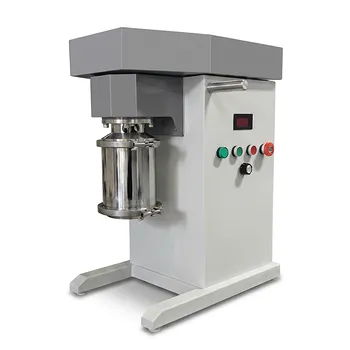
Why is precise control of particle size critical for hard carbon anodes? Optimize Sodium-Ion Battery Research Accuracy
Updated 5 months ago
Precise control of particle size is the foundation of mechanistic clarity in battery research. By using advanced milling equipment to regulate the surface area of hard carbon, researchers can standardize the electrolyte-electrode interface. This standardization is essential for isolating the kinetics of sodium-ion movement, ensuring that analytical data reflects the material's intrinsic properties rather than random physical variations.
Precise particle size distribution optimizes the contact area between the electrode and electrolyte, which is a prerequisite for accurately decoupling mass diffusion from charge transfer kinetics. This level of control allows researchers to distinguish between the distinct stages of sodiation, such as intercalation and pore filling, which would otherwise be blurred by non-uniform particle behavior.
Enhancing Kinetic Resolution in Electrochemical Analysis
Optimizing the Electrolyte-Electrode Interface
Using precision jet mills or ultra-fine grinding equipment allows for the exact manipulation of hard carbon particle size distributions. This optimization ensures a consistent contact area with the electrolyte across the entire electrode surface. A uniform interface is critical for obtaining repeatable data during electrochemical testing.
Improving EIS and DRT Analytical Clarity
Precise sizing enables clearer observation of mass diffusion and charge transfer kinetics during Electrochemical Impedance Spectroscopy (EIS) measurements. It specifically allows for the accurate differentiation between diffusion-limited regions and voltage plateau regions in Distribution of Relaxation Times (DRT) analysis. Without this control, the overlapping signals from varying particle sizes make it impossible to pinpoint where one sodiation mechanism ends and another begins.
Shortening Kinetic Pathways
Smaller, uniform particles reduce the physical distance sodium ions must travel within the hard carbon matrix. This reduction helps in identifying the rate-limiting steps of the sodiation process by minimizing the influence of macroscopic transport lag. Consequently, the resulting data more accurately reflects the atomic-level interaction between sodium and carbon.
The Role of Processing Equipment in Research Integrity
Achieving Precise De-agglomeration
The use of stirred media mills with specialized grinding media, such as zirconia beads, provides the necessary collision frequency to break down agglomerates. For fine materials like carbon black or hard carbon, smaller beads (e.g., 450 micrometers) generate high stress energy without destroying the primary particle structure. This ensures that the "particle size" measured is the actual functional unit participating in the reaction.
Maintaining Electrochemical Purity
The choice of grinding media is not merely about size but also about material hardness and wear resistance. High-strength media prevent the introduction of metallic impurities into the battery slurry during the milling of hard or abrasive carbon precursors. Maintaining this purity is vital, as metallic contaminants can cause parasitic side reactions that mask the true sodiation mechanism.
Impact on Structural Synergies
Strict control of powder fineness—often requiring particles to be less than 50 µm—impacts how different components in an electrode slurry interact. Monitoring this fineness via particle size analyzers ensures that the synergistic effects between the active material and conductive additives are maximized. This level of control is necessary to lower energy barriers for ion movement and improve overall cell efficiency.
Understanding the Trade-offs and Pitfalls
Surface Area vs. Solid Electrolyte Interphase (SEI)
While finer particles improve kinetic resolution, they also significantly increase the specific surface area. This can lead to excessive SEI formation and low initial coulombic efficiency, which may complicate the interpretation of long-term cycling data. Researchers must balance the need for small particles for kinetic studies with the stability requirements of the battery system.
Milling Intensity vs. Pore Structure
Hard carbon's performance is deeply tied to its internal pore structure and surface functional groups. Excessive milling energy can collapse these delicate pores or alter the surface chemistry through localized heating. If the milling process is too aggressive, the researcher may end up studying a "damaged" material that no longer represents the intended hard carbon structure.
How to Apply These Findings to Your Research
Successful sodiation studies require a deliberate approach to material preparation and characterization.
- If your primary focus is kinetic isolation: Utilize jet milling to achieve a narrow, sub-micron particle size distribution to maximize the clarity of DRT and EIS signals.
- If your primary focus is purity and structural integrity: Opt for high-hardness zirconia beads in a wet milling process to minimize metallic contamination while preserving the carbon's internal porosity.
- If your primary focus is commercial scalability: Focus on maintaining a particle size of less than 50 µm to ensure slurry homogeneity and consistent electrode coating thickness at an industrial scale.
By masterfully controlling the physical dimensions of hard carbon, you transform a chaotic assembly of particles into a calibrated scientific instrument capable of revealing the fundamental physics of sodium storage.
Summary Table:
| Equipment Type | Key Control Factor | Research Impact |
|---|---|---|
| Jet Mills | Narrow Particle Distribution | Standardizes electrode interface; clarifies EIS/DRT signals |
| Stirred Media Mills | High-Stress De-agglomeration | Shortens kinetic pathways; isolates rate-limiting steps |
| Zirconia Media | High Purity & Hardness | Prevents metallic contamination and parasitic side reactions |
| Sieve Shakers | Fineness Control (<50µm) | Ensures slurry homogeneity and consistent coating thickness |
Elevate Your Battery Material Research with Precision Engineering
At [Brand Name], we provide complete laboratory sample preparation solutions tailored for advanced material science. Achieving the perfect particle size is the foundation of mechanistic clarity. Our specialized equipment ensures your hard carbon anodes deliver the repeatable, high-resolution data your research demands.
Our Powder Processing & Compaction Expertise Includes:
- Advanced Milling: Precision jet mills, planetary ball mills, and stirred media mills for sub-micron particle control.
- Particle Characterization: Sieve shakers (vibratory/air-jet) and high-purity grinding media to maintain electrochemical integrity.
- Compaction Solutions: A full spectrum of hydraulic presses, including Cold/Warm Isostatic Presses (CIP/WIP), XRF pellet presses, and vacuum hot presses for superior electrode density.
Don’t let inconsistent particle behavior compromise your findings. Contact our technical experts today to find the ideal milling and pressing solution for your sodium-ion battery laboratory!
References
- Renjie Liu, Anthony R. West. Electrochemical impedance spectroscopy of battery systems, including sodium materials. DOI: 10.1016/j.coelec.2025.101800
Mentioned Products
- Laboratory Disc Mill Medium Hard Material Grinding Coal Coke Ore Pulverizer
- Laboratory Disc Mill for Fine Sample Preparation of Hard and Brittle Materials
- Cross Beater Mill for Brittle Material Grinding and Continuous Fine Crushing Industrial Sample Preparation
- Continuous Feeding Grinding Mill for Dry Fibrous Tough and Hard Materials in Laboratory and Small Production
- Mass Production Nano Sand Mill for Industrial Nanomaterial Grinding and Dispersion
People Also Ask
- What is the primary function of a laboratory disc mill for oyster shells? Boost Reactivity & Analytical Precision
- What is the function of a laboratory mill in Cassia tora L. seed analysis? Master Precision Thermal Data Prep.
- What is the purpose of using a laboratory mill to grind dried precipitates? Optimize TiO2/AuNRs Catalyst Homogeneity
- What role does a laboratory mill play in the study of lignite coal co-combustion? Optimizing Fuel Blends and Reactivity
- What function does a laboratory mill serve in corn starch saccharification experiments? Optimize Surface Area & Reactions

Tech Team · PowderPreparation
Last updated on May 14, 2026
Related Products
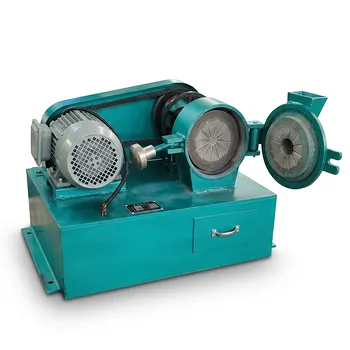
Laboratory Disc Mill Medium Hard Material Grinding Coal Coke Ore Pulverizer
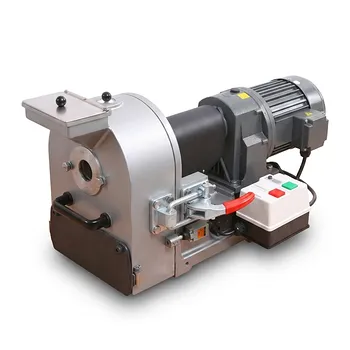
Laboratory Disc Mill for Fine Sample Preparation of Hard and Brittle Materials
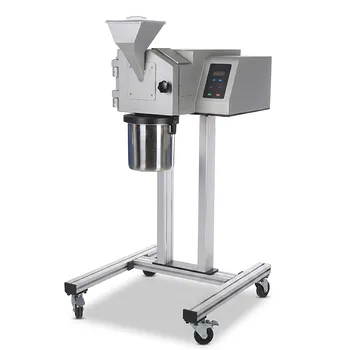
Cross Beater Mill for Brittle Material Grinding and Continuous Fine Crushing Industrial Sample Preparation
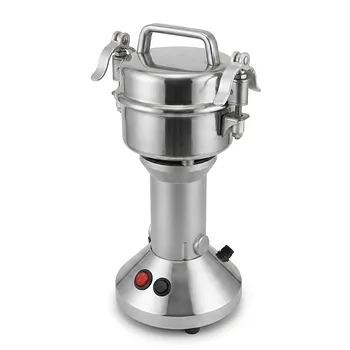
Continuous Feeding Grinding Mill for Dry Fibrous Tough and Hard Materials in Laboratory and Small Production
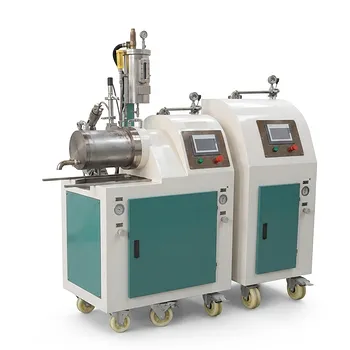
Mass Production Nano Sand Mill for Industrial Nanomaterial Grinding and Dispersion
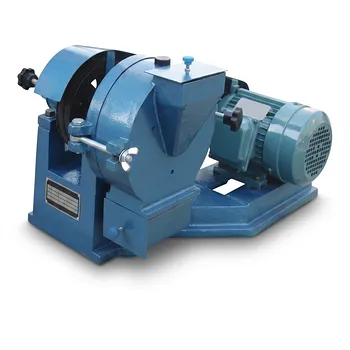
Laboratory Disc Mill for Ore and Mineral Sample Preparation
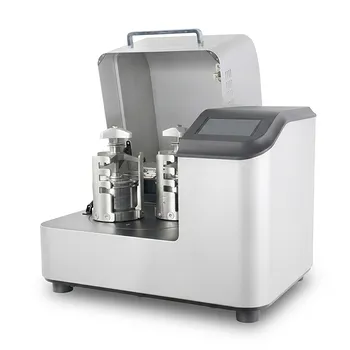
High Energy Planetary Ball Mill for Nano Scale Grinding and Mechanical Alloying
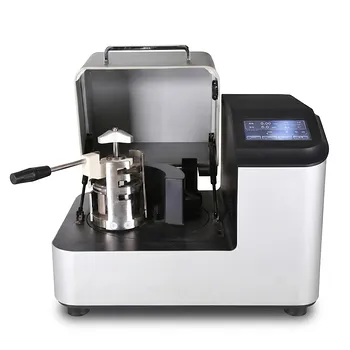
High Energy Laboratory Planetary Ball Mill for Nano Grinding and Material Science Sample Preparation
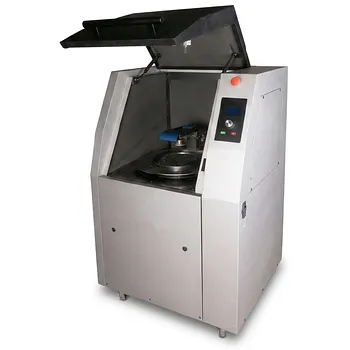
High Speed Vibratory Disc Mill for Spectral Analysis Sample Preparation and Rapid Powder Grinding
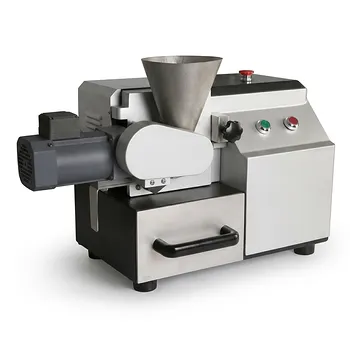
Laboratory Hammer Mill for Coal Quality Analysis and Brittle Mineral Grinding
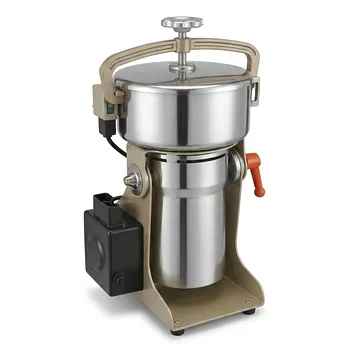
Multifunctional High Efficiency High Speed Laboratory Grinder
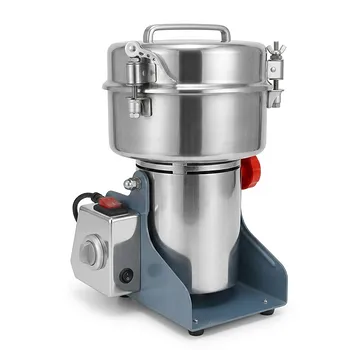
Small High-Speed Grinder for Efficient Laboratory Sample Preparation
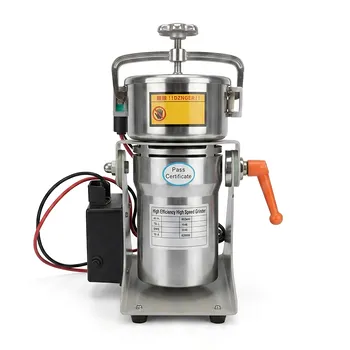
High Efficiency High Speed Grinder Laboratory Mill 1300W 25000rpm
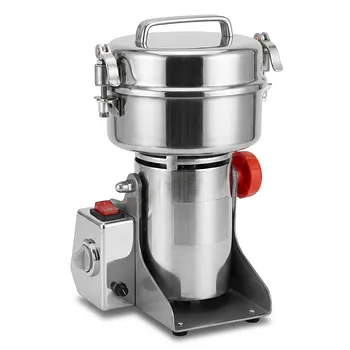
High Speed Laboratory Powder Grinder Small Batch Sample Preparation Mill
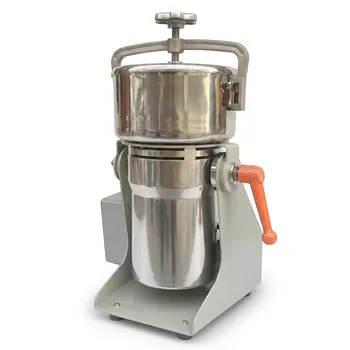
High Speed Laboratory Grinder Efficient Stainless Steel Powder Pulverizer Universal Material Science Mill for Sample Preparation
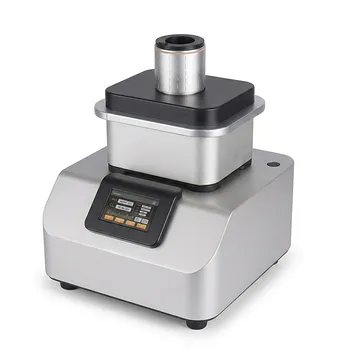
Ultra Centrifugal Mill High Speed Laboratory Grinder for Fibrous and Brittle Sample Preparation
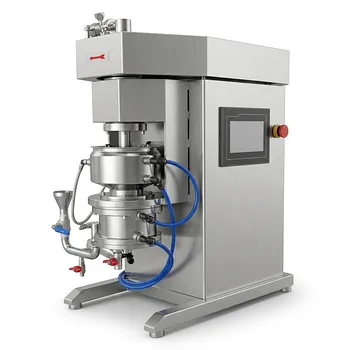
Small Ceramic Structure Laboratory Sand Mill Nanoscale Grinding Dispersion Equipment Seal-less Screen-less Design
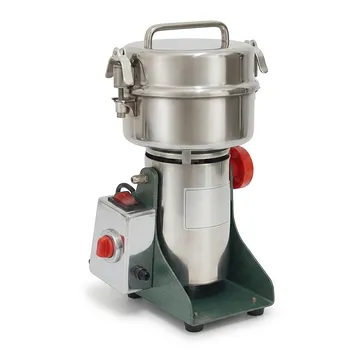
Small High Speed Grinder for Laboratory Sample Preparation
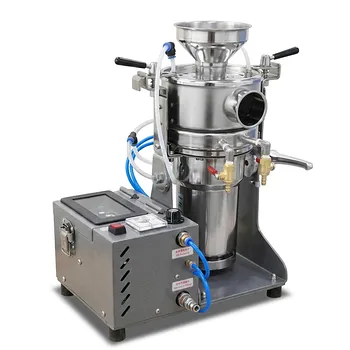
Water Cooled Pulse Jet Ultrafine Grinder