Why use high-purity alumina grinding balls and jars for alumina ceramics? Ensure zero contamination & material purity.
Updated 5 months ago
High-purity alumina grinding media is essential for maintaining the chemical integrity of alumina ceramics during processing. By matching the composition of the balls and jars to the raw material, you implement an "autogenous grinding" strategy that ensures any wear debris remains chemically identical to the product. This prevents the introduction of foreign metallic or ionic impurities that would otherwise degrade the final material's electrical, mechanical, or optical performance.
Using alumina hardware for alumina processing is a strategic choice to eliminate cross-contamination. Since media wear is an unavoidable physical reality of high-energy homogenization, using identical materials ensures that any introduced debris is benign and does not alter the chemical or structural properties of the final ceramic.
The Strategy of Autogenous Grinding
Achieving Chemical Consistency
During high-speed homogenization, the friction between the grinding balls and the jar walls causes microscopic wear. By using high-purity alumina, you ensure that this wear debris is chemically indistinguishable from the alumina powder being processed.
Preventing Foreign Ion Intrusion
Using dissimilar materials, such as steel or different ceramic types, introduces foreign ions into the mixture. These heterogeneous impurities can disrupt the crystal lattice during sintering, leading to unpredictable material behavior.
Protecting the Suspension Purity
Maintaining a high-purity suspension is critical for advanced applications like transparent ceramics or biocompatible implants. Alumina hardware prevents metallic or heterogeneous ceramic contaminants from compromising the purity of the slurry.
Preserving Technical Material Properties
Maintaining Electrical Insulation
Alumina is frequently chosen for its excellent dielectric properties. The introduction of even trace amounts of metallic debris from lower-quality grinding media can create conductive paths, significantly reducing the electrical insulation performance.
Protecting Mechanical Integrity
The presence of foreign particles can lead to the formation of secondary phases or defects during sintering. Utilizing alumina media ensures structural uniformity, which is vital for the hardness and fracture toughness of the technical ceramic.
Ensuring Optical and Phase Purity
For specialized materials like Ce:YAG ceramics, optical clarity is paramount. Any contamination from foreign grinding media can cause light scattering or discoloration, ruining the optical functionality of the final component.
Achieving Structural Homogenization
Effective Deagglomeration
High-purity alumina balls possess the necessary hardness to provide high-impact and shear forces. These forces are essential to break down powder agglomerates and ensure a molecular-level uniform distribution of binders and additives.
Uniform Dispersion of Additives
In complex formulations like Functionally Graded Materials (FGM), alumina media facilitates the thorough mixing of various components like niobium oxide or lithium fluoride. This ensures that the additives are evenly dispersed throughout the alumina matrix without adding unwanted elements.
Understanding the Trade-offs
Wear Rates and Media Longevity
While using alumina media prevents chemical contamination, it is important to note that alumina may have higher wear rates compared to yttria-stabilized zirconia. Users must balance the cost of media replacement against the absolute necessity for chemical purity.
Impact on Particle Size Distribution
Excessive milling can lead to a significant volume of wear debris being added to the batch. Even if the material is chemically identical, this extra mass can slightly shift the particle size distribution, requiring careful calibration of milling times.
How to Apply This to Your Project
When selecting grinding hardware for alumina ceramic homogenization, your choice should be dictated by the performance requirements of the final product.
- If your primary focus is Electrical or Thermal Insulation: Use the highest purity alumina (99%+) for both jars and balls to prevent metallic ions from creating conductive defects.
- If your primary focus is Optical Clarity or Laser Applications: Use high-purity alumina to ensure that no foreign dopants or scattering centers are introduced through media wear.
- If your primary focus is Biocompatibility (e.g., Medical Implants): Stick strictly to alumina-on-alumina processing to avoid introducing any non-biocompatible metallic or secondary ceramic phases.
Choosing high-purity alumina hardware is not just a preference, but a fundamental requirement for ensuring the phase purity and functional reliability of high-performance technical ceramics.
Summary Table:
| Feature | Benefit of Alumina Media | Impact on Final Ceramic |
|---|---|---|
| Chemical Integrity | Autogenous grinding (no foreign ions) | High phase purity and consistency |
| Electrical Insulation | Prevents metallic debris/conductive paths | Maintains superior dielectric properties |
| Optical Quality | No foreign dopants or scattering centers | Ensures clarity in transparent ceramics |
| Mechanical Strength | Promotes structural uniformity | Enhanced hardness and fracture toughness |
| Homogenization | Efficient deagglomeration of powders | Even distribution of binders and additives |
Elevate Your Material Purity with Expert Solutions
Achieving the perfect homogenization without contamination is critical for high-performance ceramics. We provide complete laboratory sample preparation solutions tailored for material science, specializing in advanced powder processing and compaction equipment.
Whether you need high-purity alumina jars and balls for autogenous grinding or sophisticated machinery like planetary ball mills, jet mills, and rotor mills, our equipment is designed for precision. To further your research and production, we also manufacture a full spectrum of hydraulic presses, including:
- Cold/Warm Isostatic Presses (CIP/WIP) for uniform density.
- Vacuum Hot Presses and Standard Lab Presses for advanced sintering.
- XRF Pellet Presses for analytical preparation.
Ready to optimize your ceramic processing workflow? Contact our technical team today to find the ideal equipment for your specific application requirements.
References
- Irena Žmak, Lidija Ćurković. Improving Sustainability of Technical Ceramics Production: Synergistic Approach. DOI: 10.54820/jojw7514
Mentioned Products
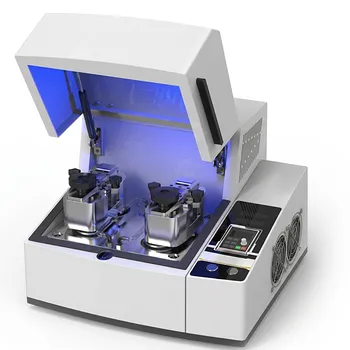
- Laboratory Nano High Energy Ball Mill Ultrafine Grinding Mechanical Alloying
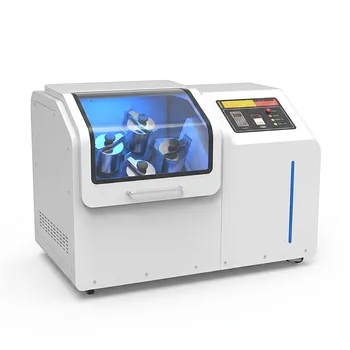
- High Energy Omnidirectional Planetary Ball Mill 16L
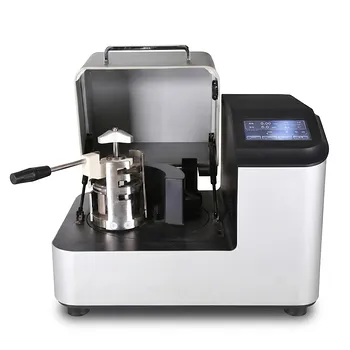
- High Energy Laboratory Planetary Ball Mill for Nano Grinding and Material Science Sample Preparation
- High Energy Planetary Ball Mill for Nano Scale Grinding and Mechanical Alloying
- Vertical Square Planetary Ball Mill for Laboratory Sample Preparation and Nanoscale Grinding
People Also Ask
- Role of Lab Ball Mills in Activating Coal Fly Ash for Cement: Enhance Reactivity and Strength
- What core function does a laboratory ball mill perform during phosphate ore grinding? Achieve Monomer Dissociation
- What are the primary functions of a laboratory ball mill or powder mixer when synthesizing multi-component standard reference materials?
- How does the size distribution of steel ball grinding media affect ore grindability? Optimize Energy & Lab Accuracy
- What role does a laboratory ball mill play in the study of chalcopyrite mineral liberation? Key for Recovery Success

Tech Team · PowderPreparation
Last updated on May 14, 2026
Related Products
Laboratory Nano High Energy Ball Mill Ultrafine Grinding Mechanical Alloying
High Energy Omnidirectional Planetary Ball Mill 16L
High Energy Laboratory Planetary Ball Mill for Nano Grinding and Material Science Sample Preparation
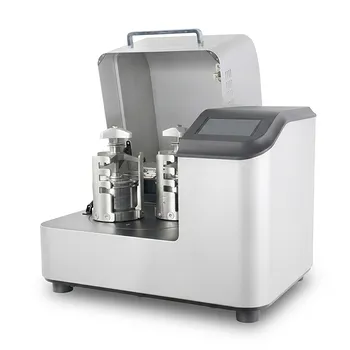
High Energy Planetary Ball Mill for Nano Scale Grinding and Mechanical Alloying
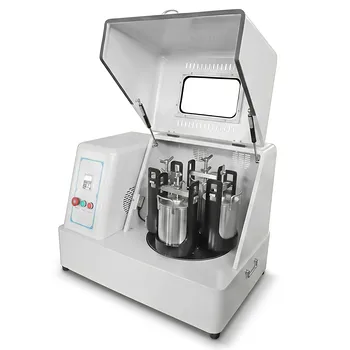
Vertical Square Planetary Ball Mill for Laboratory Sample Preparation and Nanoscale Grinding
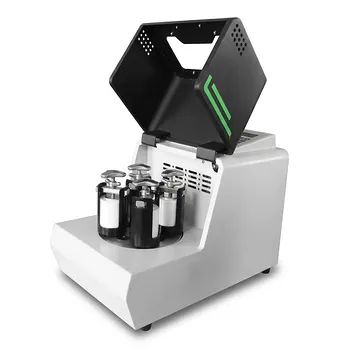
Miniature Planetary Ball Mill with Vacuum Grinding and High Efficiency for Laboratory Sample Preparation
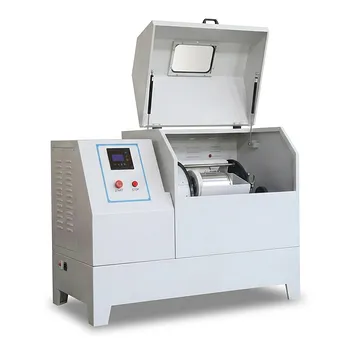
Heavy Duty Horizontal Planetary Ball Mill for Efficient Industrial Grinding and Sample Preparation
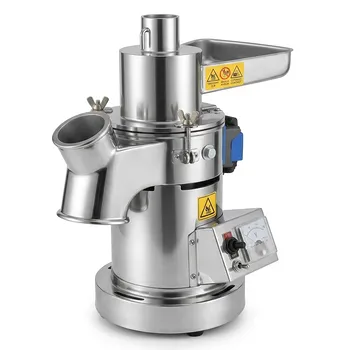
Continuous Feeding Grinder High Efficiency Pulverizer for Lab Sample Preparation
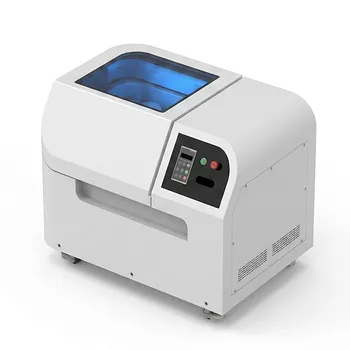
8L Planetary Ball Mill for Laboratory Grinding and Sample Preparation
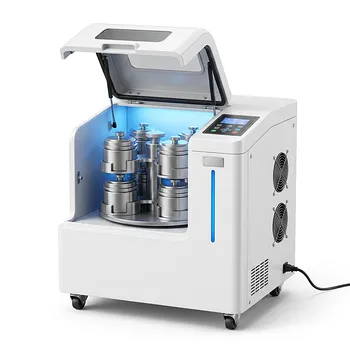
High Energy Omnidirectional Planetary Ball Mill 20L
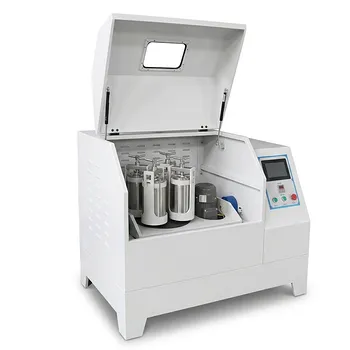
360° Rotating Omnidirectional Laboratory Planetary Ball Mill for Homogeneous Ultra-Fine Grinding and Mixing
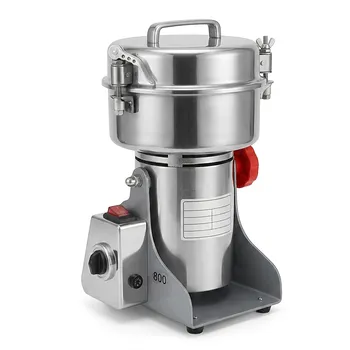
Small High-Speed Laboratory Grinder for Rapid Sample Preparation
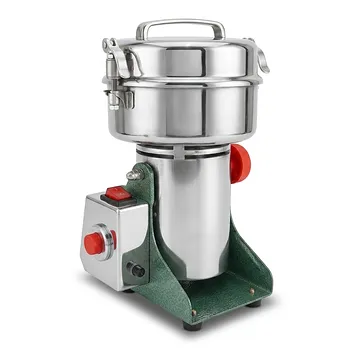
Small High-Speed Laboratory Grinder for Powder Processing
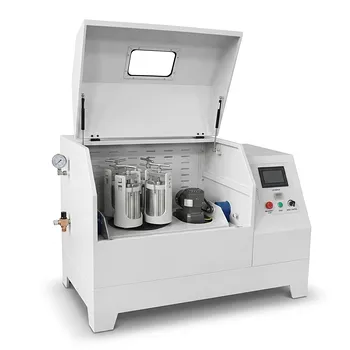
Vertical Production Planetary Ball Mill for High Throughput Powder Processing
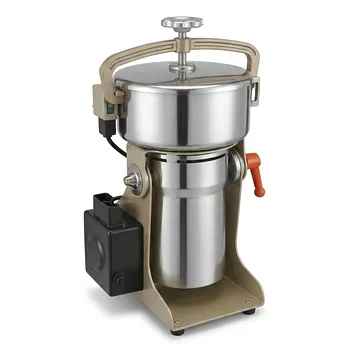
Multifunctional High Efficiency High Speed Laboratory Grinder
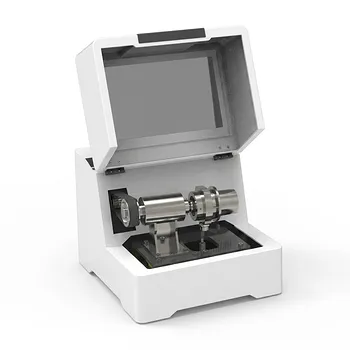
Single Tank High Energy Vibratory Ball Mill for Laboratory Grinding and Mixing
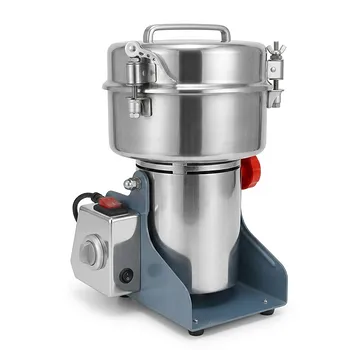
Small High-Speed Grinder for Efficient Laboratory Sample Preparation
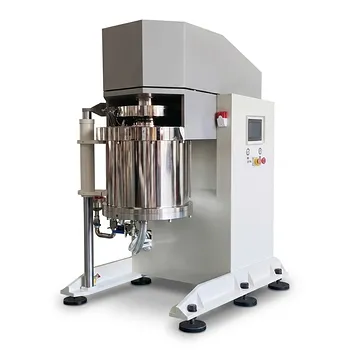
Vertical Nano Bead Mill for Ceramic Materials with Permanent Magnet Motor and High Efficiency Grinding