Why use precision filtration meshes for PEDOT:PSS? Ensure Clog-Free & High-Resolution 3D Printing
Updated 4 months ago
Filtration is the primary safeguard against flow instability. Using precision meshes for PEDOT:PSS mixtures is essential because it removes large-scale aggregates that would otherwise cause nozzle clogs. By screening these particulates, you ensure a continuous material flow and a uniform filament diameter throughout the printing cycle.
To achieve reliable 3D printing with PEDOT:PSS, precision filtration acts as a critical quality control step. It removes physical obstructions, thereby preventing mechanical failure and ensuring the geometric precision of the printed electronic components.
The Critical Role of Filtration in PEDOT:PSS Processing
Eliminating Large-Scale Aggregates
PEDOT:PSS solutions often contain large-scale aggregates that form during synthesis or prolonged storage. These clusters are significantly larger than the primary polymer particles and can behave unpredictably under the shear forces of extrusion.
Protecting the Printing Hardware
The narrow orifice of a 3D printer nozzle is highly sensitive to particulate matter. Precision filtration meshes, such as those with 500 μm specifications, physically screen out these hazards before the ink is ever loaded into the machine.
Preventing Nozzle Clogging
Even a single oversized aggregate can partially or fully block the nozzle tip. This leads to backpressure buildup and eventual system failure, requiring tedious cleaning and potentially damaging delicate print heads.
Impact on Print Quality and Structural Integrity
Ensuring Filament Continuity
Inconsistent flow leads to "breaks" or thinning in the printed line, which ruins the electrical conductivity of the final part. Physical screening ensures the ink remains a homogeneous fluid that supports uninterrupted, continuous extrusion.
Maintaining Consistent Fiber Diameter
Variations in particle size within the ink cause erratic fluctuations in extrusion pressure. By standardizing the ink through filtration, you maintain a consistent filament diameter, which is vital for the dimensional accuracy of high-resolution electronics.
Improving Interlayer Adhesion
A filtered, uniform ink provides a smoother surface finish for each printed layer. This uniformity enhances the bonding between layers, leading to a more robust and mechanically stable 3D structure.
Understanding the Trade-offs
Risk of Material Loss
While filtration is necessary, it can lead to a minor loss of material if the aggregate concentration is high. This is generally an acceptable trade-off compared to the cost and downtime associated with a clogged printer.
Mesh Blinding and Processing Time
Using a mesh that is too fine for the specific ink viscosity can result in mesh blinding, where the filter itself becomes blocked. This slows down the preparation process and may require multi-stage filtration to manage effectively.
Optimizing Your Filtration Workflow
Before loading your PEDOT:PSS ink into the 3D printer, evaluate your filtration strategy based on your specific hardware and performance requirements.
- If your primary focus is maximizing print reliability: Use a multi-layered precision mesh to ensure all potential obstructions are removed before the ink reaches the nozzle.
- If your primary focus is high-resolution detail: Prioritize consistent filament diameter by using the finest mesh compatible with your ink’s viscosity to prevent pressure fluctuations.
- If your primary focus is minimizing material waste: Perform a preliminary gentle agitation of the mixture to break down soft aggregates before passing the ink through the precision filter.
Properly filtered ink is the fundamental requirement for transforming a liquid polymer into a functional, high-performance printed electronic component.
Summary Table:
| Key Benefit | Impact on 3D Printing Process | Practical Outcome |
|---|---|---|
| Aggregate Removal | Prevents nozzle clogging and backpressure | Protects delicate print heads |
| Flow Standardization | Maintains constant extrusion pressure | Consistent filament diameter |
| Homogenization | Eliminates breaks or thinning in lines | High electrical conductivity |
| Surface Uniformity | Provides smoother layer finishes | Stronger interlayer adhesion |
Optimize Your Material Preparation for Flawless 3D Printing
Achieve superior material performance and reliability with specialized laboratory equipment. We provide complete laboratory sample preparation solutions for material science, specializing in high-precision powder processing and compaction technology.
To ensure your PEDOT:PSS mixtures and functional inks are perfectly filtered and processed, we offer a comprehensive range of equipment, including:
- Filtration & Grading: Vibratory and air-jet sieve shakers with precision test sieves and meshes.
- Milling & Mixing: Planetary ball mills, jet mills, and vacuum defoaming mixers for homogeneous ink preparation.
- Compaction & Pressing: A full spectrum of hydraulic presses, including Cold/Warm Isostatic Presses (CIP/WIP), hot presses, and XRF pellet presses.
Don't let nozzle clogs or material inconsistencies stall your research. Contact our technical experts today to find the perfect equipment solution for your laboratory workflow!
References
- Ian M. Hill, Yue Wang. Imparting High Conductivity to 3D Printed PEDOT:PSS. DOI: 10.1021/acsapm.3c00232
Mentioned Products
- Laboratory Air Jet Sieving Machine for Fine Powder Particle Size Analysis and Deagglomeration
- Three Dimensional Rotary Vibrating Sieve
- Nano Laboratory Bead Mill Desktop Sub Micron Sand Mill Screenless Seal Less Powder Grinder
- Multifunctional High Efficiency High Speed Laboratory Grinder
- Small Airflow Ultra-Fine Grinder for Laboratory Sample Preparation
People Also Ask
- What role do laboratory test sieves play in the nanocrystallization process of iron powder? Ensure Uniform Refinement
- What is the function of a laboratory test sieve in the river sediment sample preparation process? Ensure Precise Data
- What is the purpose of using 0.038 mm sieves in magnetite grinding? Quantify Kinetics and Boost Grinding Efficiency
- How do laboratory test sieves contribute to the analysis of soil texture composition? Optimize Particle Grading Accuracy
- Why is a 0.08mm standard sieve required for testing the fineness of cement? Optimize Recycled Pervious Concrete Quality

Tech Team · PowderPreparation
Last updated on Jun 03, 2026
Related Products
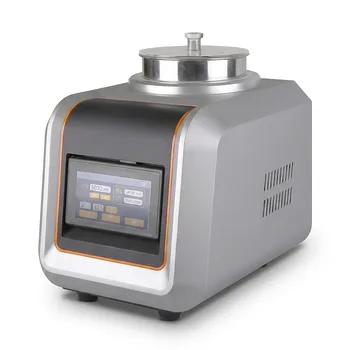
Laboratory Air Jet Sieving Machine for Fine Powder Particle Size Analysis and Deagglomeration
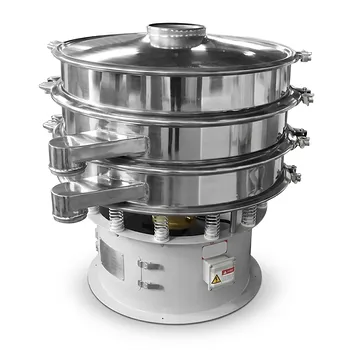
Three Dimensional Rotary Vibrating Sieve
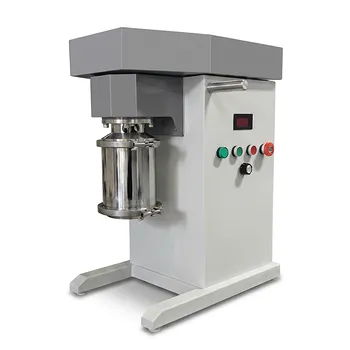
Nano Laboratory Bead Mill Desktop Sub Micron Sand Mill Screenless Seal Less Powder Grinder
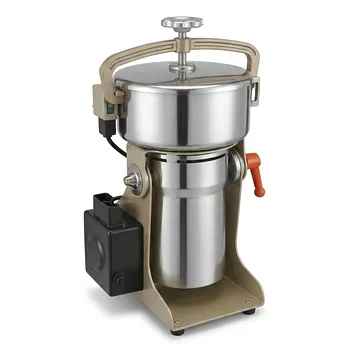
Multifunctional High Efficiency High Speed Laboratory Grinder
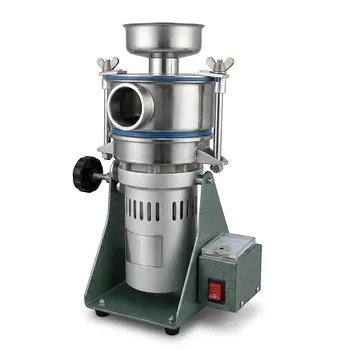
Small Airflow Ultra-Fine Grinder for Laboratory Sample Preparation
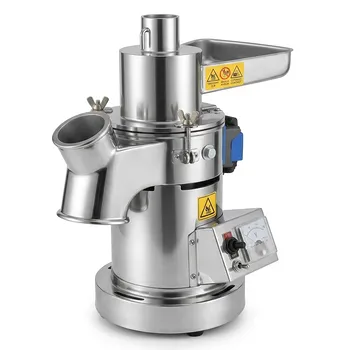
Continuous Feeding Grinder High Efficiency Pulverizer for Lab Sample Preparation
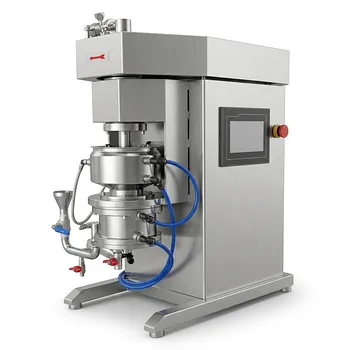
Small Ceramic Structure Laboratory Sand Mill Nanoscale Grinding Dispersion Equipment Seal-less Screen-less Design
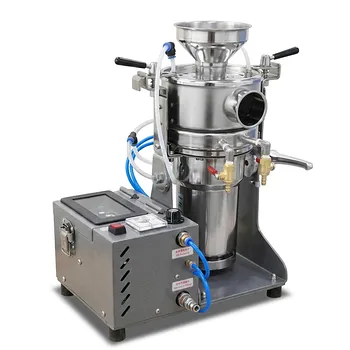
Water Cooled Pulse Jet Ultrafine Grinder
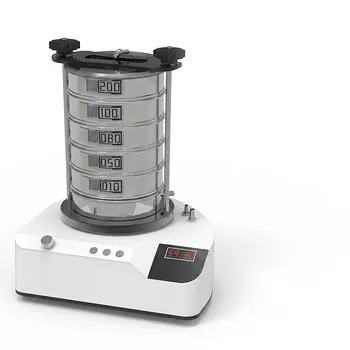
Heavy Duty Dry Three Dimensional Vibratory Sieve Shaker for Particle Separation
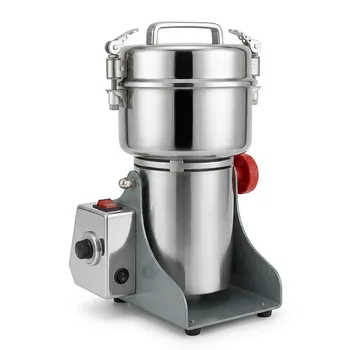
Versatile Industrial Crusher for Laboratory Crushing and Material Processing
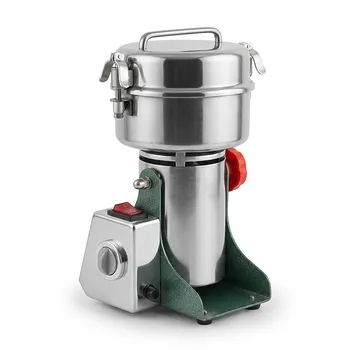
Small High-Speed Swing Grinder for Laboratory Sample Preparation
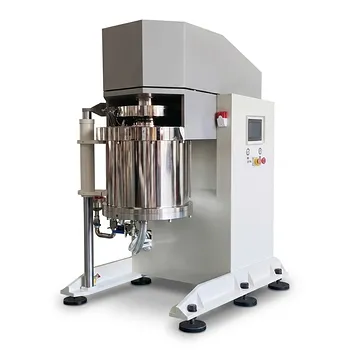
Vertical Nano Bead Mill for Ceramic Materials with Permanent Magnet Motor and High Efficiency Grinding
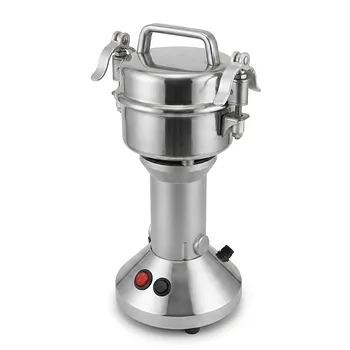
Continuous Feeding Grinding Mill for Dry Fibrous Tough and Hard Materials in Laboratory and Small Production
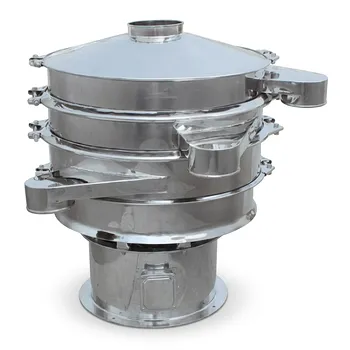
Stainless Steel Rotary Vibrating Sieve High Precision Circular Vibratory Separator Industrial Powder Grading Machine Multi Layer Sifting Equipment
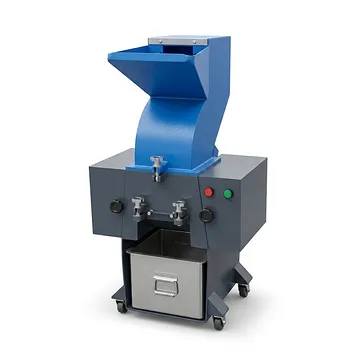
Heavy-Duty Crusher for Laboratory and Industrial Material Size Reduction
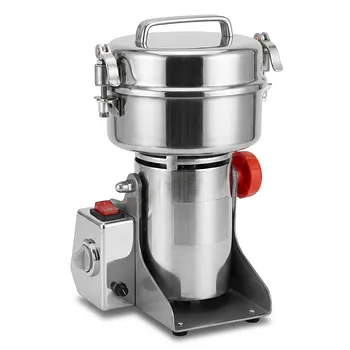
High Speed Laboratory Powder Grinder Small Batch Sample Preparation Mill
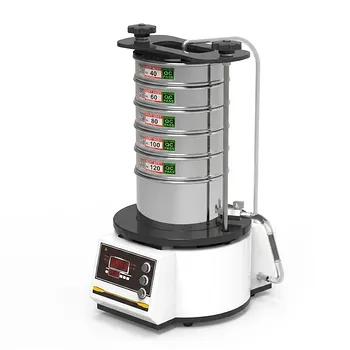
High Frequency Wet Three-Dimensional Vibrating Sieve Shaker for Dry and Wet Particle Size Analysis
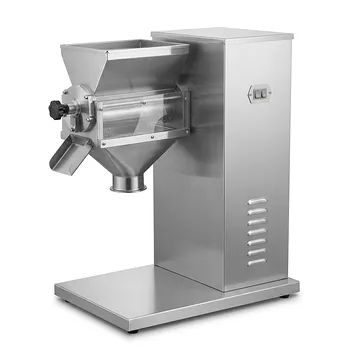
Small Swing Granulator Efficient Powder Granulation for Pharmaceutical Chemical Food Industries
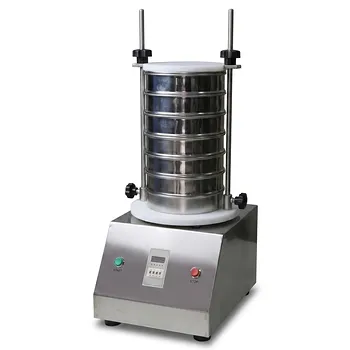
Laboratory Vibratory Test Sieve Shaker for Precision Particle Size Analysis and Powder Grading