Why use high-precision grinding for starch, nickel, and silica? Optimize Heat Transfer and SSA for Pyrolysis
Updated 4 months ago
High-precision grinding is essential to eliminate hard aggregates and ensure uniform heat transfer during the subsequent pyrolysis phase. By refining the starch, nickel, and silica mixture into a consistent powder, you increase the specific surface area of the particles. This prevents the formation of non-uniform macroscopic structures that lead to incomplete internal carbonization when heat cannot penetrate large, dense lumps effectively.
High-precision grinding transforms irregular, dried aggregates into a high-surface-area powder, which is a critical prerequisite for achieving complete chemical reactions and structural homogeneity during high-temperature processing.
Overcoming Post-Drying Aggregation
The Formation of Hard Lumps
During the drying process, mixtures containing starch and minerals often form large lumps or hard aggregates. These structures act as barriers to uniform processing, trapping moisture or air and creating inconsistencies in the raw material.
Restoring the Powder State
High-precision grinding equipment is used to mechanically pulverize these lumps back into a fine powder state. This restoration is necessary to ensure the material can be effectively dispersed or bonded in later stages of production.
Optimizing Thermal and Chemical Reactivity
Increasing Specific Surface Area
Grinding significantly increases the specific surface area (SSA) of the nickel and silica particles. A higher SSA enhances the ability of the starch (acting as a bio-binder) to coat the mineral particles uniformly, improving physical cross-linking.
Accelerating Atomic Diffusion
Achieving micron or nanometer particle sizes is a critical prerequisite for efficient sintering and pyrolysis. Fine particles enhance reactivity and accelerate atomic diffusion, allowing the mixture to reach a highly homogeneous state at lower temperatures.
Preventing Incomplete Carbonization
Uniform particle size ensures that heat moves evenly through the material during pyrolysis. Without this precision, larger particles may suffer from incomplete internal carbonization, where the core remains unreacted while the exterior is over-processed.
Ensuring Process Stability and Product Integrity
Improving Flowability and Tap Density
Consistent grinding ensures a uniform particle size distribution, which is vital for the powder's flowability. This consistency prevents local density variations and microscopic defects in the final material, especially during vacuum hot pressing or molding.
Maintaining Stable Rheological Properties
In processes like extrusion, uniform particles prevent local uneven heating or flow blockages. This ensures the mixture maintains stable rheological properties, leading to better repeatability and higher quality in the finished product.
Understanding the Trade-offs
Energy Consumption vs. Particle Fineness
While ultra-fine grinding increases reactivity, it also significantly raises energy consumption and equipment wear. Engineers must balance the need for high fineness with the operational costs of running high-precision mills for extended periods.
Risks of Over-Grinding
Refining the material too much can lead to subsequent filtration difficulties or dust management issues. Excessively fine particles may also agglomerate prematurely due to high surface energy, potentially counteracting the benefits of the grinding process.
How to Apply This to Your Project
Making the Right Choice for Your Goal
To achieve the best results with your starch, nickel, and silica mixture, align your grinding strategy with your primary production objective.
- If your primary focus is Thermal Uniformity: Prioritize grinding to a size that eliminates all macroscopic lumps to ensure complete carbonization during pyrolysis.
- If your primary focus is Mechanical Strength: Focus on maximizing the specific surface area to enhance the bonding interface between the nickel, silica, and the starch binder.
- If your primary focus is Process Repeatability: Use precision sieving in conjunction with grinding to maintain a tight particle size distribution, preventing flow blockages in automated machinery.
Precision grinding is the bridge between raw dried aggregates and a high-performance, chemically stable final composite.
Summary Table:
| Key Factor | Grinding Mechanism | Impact on Process Quality |
|---|---|---|
| Aggregate Removal | Pulverizes hard lumps from drying | Ensures material flowability and dispersion |
| Surface Area (SSA) | Increases particle surface-to-volume ratio | Enhances chemical reactivity and binder coating |
| Thermal Uniformity | Creates consistent particle size | Prevents incomplete internal carbonization |
| Atomic Diffusion | Reduces size to micron/nano levels | Accelerates sintering and homogeneity at lower temps |
| Structural Integrity | Stabilizes rheological properties | Eliminates microscopic defects in final composites |
Optimize Your Material Preparation Today
Achieve ultimate homogeneity and structural integrity with our comprehensive laboratory sample preparation solutions. At [Your Brand Name], we specialize in precision powder processing and compaction equipment tailored for advanced material science.
Whether you need to eliminate post-drying aggregates or maximize specific surface area, our extensive line of planetary ball mills, jet mills, and rotor mills ensures your starch-nickel-silica mixtures reach the perfect fineness. For the subsequent processing stages, we offer a full spectrum of Cold/Warm Isostatic Presses (CIP/WIP), vacuum hot presses, and powder mixers to guarantee flawless results.
Don't let non-uniform aggregates compromise your research—contact our technical experts today to find the ideal equipment for your specific application!
References
- В.М. Гунько, J. Skubiszewska–Zięba. Nanostructured composites with precipitated silica – Ni crystallites coated by char with carbonized starch. DOI: 10.15407/hftp14.02.143
Mentioned Products
- Laboratory Ultrafine Impact and Airflow Grinder for Precise Particle Size Control
- Multifunctional High Efficiency High Speed Laboratory Grinder
- Small High-Speed Laboratory Grinder for Rapid Sample Preparation
- Small High-Speed Grinder for Efficient Laboratory Sample Preparation
- Small High Speed Grinder for Laboratory Sample Preparation
People Also Ask
- What role does a laboratory grinder play in the pretreatment of sunflower seed shell-based adsorbents? Boost Efficiency.
- How does a laboratory grinder or mill enhance the adsorption performance of agricultural waste materials? Boost Surface Area
- Why is high-efficiency ultra-fine grinding required for Portland cement before XRD? Get Accurate Rietveld Results
- Why is grinding equipment necessary for SnO2-Sb2O3 xerogels? Maximize surface area and photocatalytic activity.
- What is the primary role of grinding equipment in BLA preparation? Enhance Reactivity & Material Uniformity

Tech Team · PowderPreparation
Last updated on Jun 03, 2026
Related Products
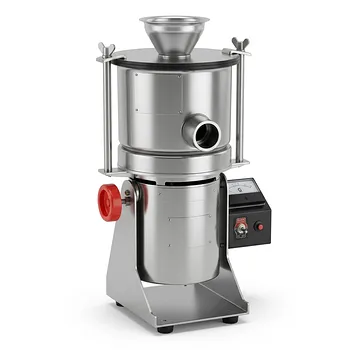
Laboratory Ultrafine Impact and Airflow Grinder for Precise Particle Size Control
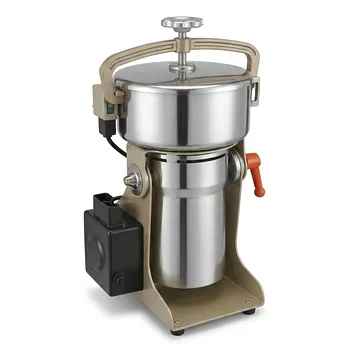
Multifunctional High Efficiency High Speed Laboratory Grinder
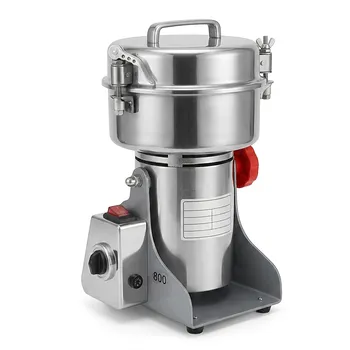
Small High-Speed Laboratory Grinder for Rapid Sample Preparation
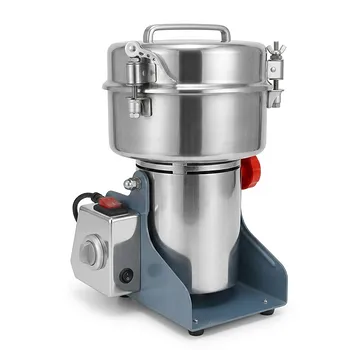
Small High-Speed Grinder for Efficient Laboratory Sample Preparation
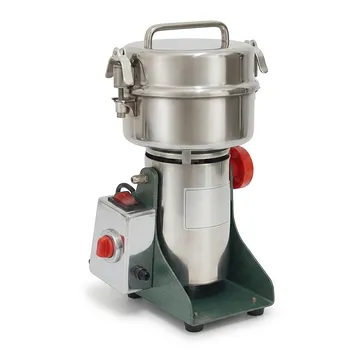
Small High Speed Grinder for Laboratory Sample Preparation
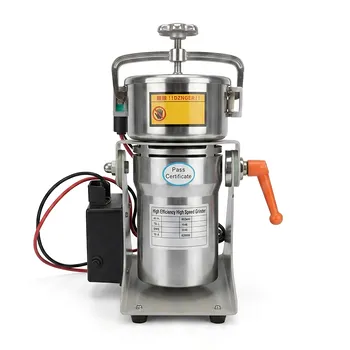
High Efficiency High Speed Grinder Laboratory Mill 1300W 25000rpm
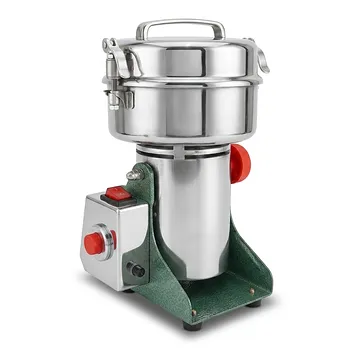
Small High-Speed Laboratory Grinder for Powder Processing
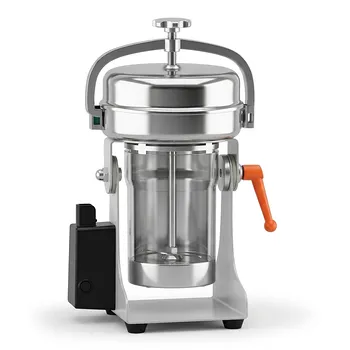
High Efficiency High Speed Grinder 2200W 25000 RPM Laboratory Sample Preparation
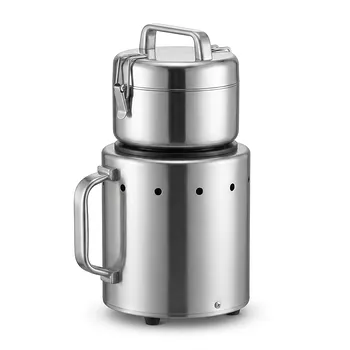
Small High Speed Grinder for Laboratory Sample Preparation
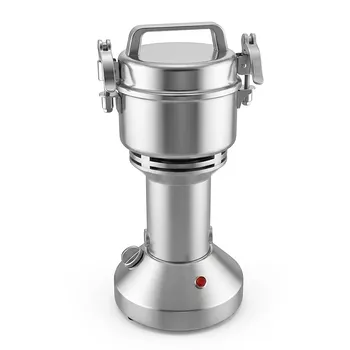
Small High Speed Upright Grinder for Laboratory Sample Preparation
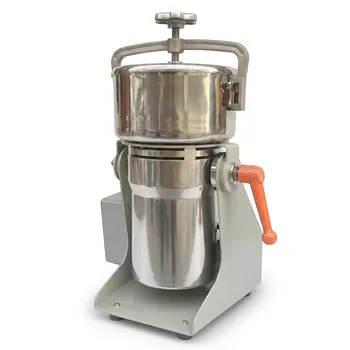
High Speed Laboratory Grinder Efficient Stainless Steel Powder Pulverizer Universal Material Science Mill for Sample Preparation
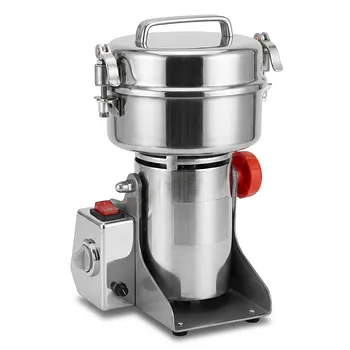
High Speed Laboratory Powder Grinder Small Batch Sample Preparation Mill
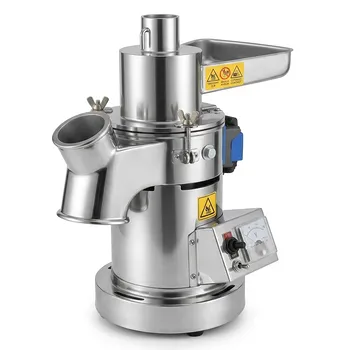
Continuous Feeding Grinder High Efficiency Pulverizer for Lab Sample Preparation
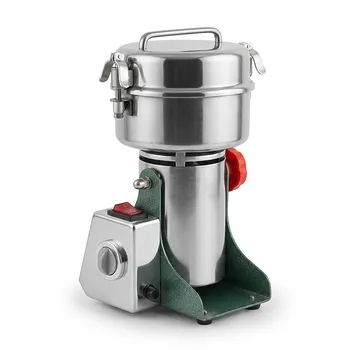
Small High-Speed Swing Grinder for Laboratory Sample Preparation
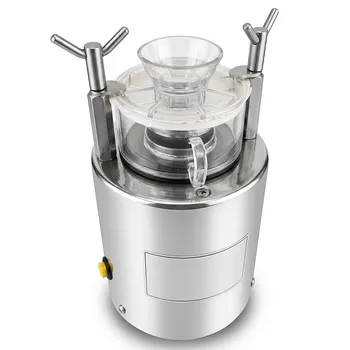
Laboratory Desktop Ultra Fine Powder Grinder High Speed Micronizing Pulverizer
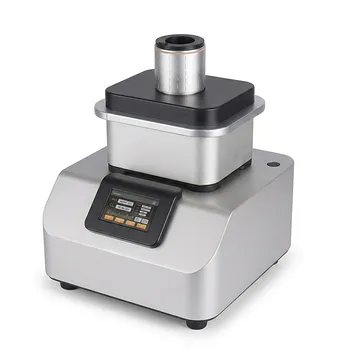
Ultra Centrifugal Mill High Speed Laboratory Grinder for Fibrous and Brittle Sample Preparation
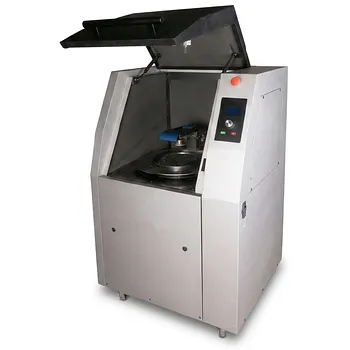
High Speed Vibratory Disc Mill for Spectral Analysis Sample Preparation and Rapid Powder Grinding
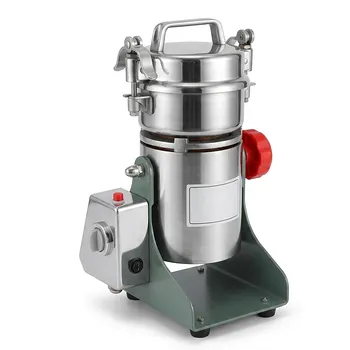
High Speed Swing Type Laboratory Pulverizer for Fine Powder Grinding and Sample Preparation
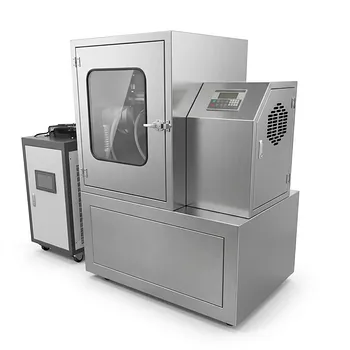
Vibratory Superfine Grinder for Ultra Fine Laboratory Powder Milling
