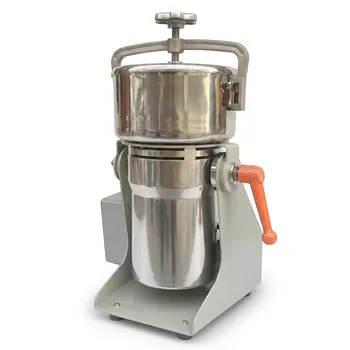
Why is it necessary to use grinding equipment to process wheat chaff into powder? Achieve Precise Thermal Data Results
Updated 5 months ago
Grinding wheat chaff into a uniform powder is essential for eliminating structural anisotropy. This process ensures that the complex anatomical orientation of the bio-based material does not interfere with the natural paths of heat flow. By standardizing the physical form, researchers can obtain accurate, uniform, and fundamental thermophysical data that reflects the material's properties rather than its shape.
To obtain reliable specific heat capacity data, you must neutralize the natural physical barriers inherent in bio-materials. Transforming wheat chaff into powder replaces structural complexity with thermal uniformity, ensuring that Differential Scanning Calorimetry (DSC) measurements are both precise and repeatable.
The Challenge of Anisotropic Structures
Why Anatomy Interferes with Data
Wheat chaff is a bio-based material characterized by an anisotropic anatomical structure. In its natural state, its fibers and cellular layers are oriented in specific directions, which dictates how energy moves through the sample.
Disrupting Heat Flow Paths
Because of this directional structure, heat does not travel through raw chaff evenly. If the material is not processed, these internal "paths" can lead to inconsistent readings, as the thermal response would vary depending on the physical orientation of the chaff in the testing container.
Isolating Fundamental Parameters
The goal of thermal analysis is often to find the fundamental thermophysical parameters of the substance itself. Grinding allows you to bypass the macro-structure and measure the intrinsic heat capacity of the biomass components.
Achieving Precision Through Particle Reduction
Standardizing the Sample
Using grinding equipment converts the irregular chaff into a homogeneous powder. This mechanical breakdown removes the physical "grain" that would otherwise act as a barrier or a shortcut for thermal energy.
Enhancing DSC Reliability
Differential Scanning Calorimetry (DSC) requires small, highly uniform samples to provide precise results. A fine powder ensures the sample makes consistent thermal contact with the testing crucible, which is vital for calculating specific heat capacity accurately.
Eliminating Structural Variables
By removing the air pockets and fiber alignments found in raw chaff, you minimize experimental noise. This ensures that the resulting data is a true reflection of the material's thermal storage capacity rather than its physical density or porosity.
Understanding the Trade-offs
Measuring Substance vs. Structure
It is important to recognize that grinding measures the intrinsic properties of the wheat chaff material. If your goal is to understand how a bulk pile of whole chaff behaves in a silo, powderized data may lack the context of natural insulation provided by the raw structure.
Risk of Thermal Degradation
The grinding process itself generates frictional heat, which can potentially alter the chemical or thermal profile of the sample. To maintain accuracy, you must use equipment that minimizes heat buildup or allows for cooling during the processing phase.
Particle Size Consistency
If the powder is not ground to a uniform particle size, you may reintroduce minor inconsistencies. Ensuring a fine, consistent mesh size is just as important as the act of grinding itself for maintaining high-quality data.
How to Apply This to Your Project
Recommendations for Material Testing
- If your primary focus is fundamental material science: Utilize high-speed grinding to produce a fine, uniform powder to isolate the core thermophysical properties of the biomass.
- If your primary focus is industrial thermal modeling: Use powderized data for baseline calculations but perform secondary tests on bulk material to account for the impact of natural structural anisotropy.
Precision in thermal analysis begins with the deliberate standardization of the material's physical state.
Summary Table:
| Key Reason for Grinding | Impact on Material State | Benefit to Thermal Analysis |
|---|---|---|
| Eliminate Anisotropy | Removes directional fiber orientation | Ensures uniform heat flow paths |
| Standardize Form | Creates a homogeneous powder | Improves DSC crucible thermal contact |
| Isolate Parameters | Bypasses macro-structural barriers | Measures intrinsic material properties |
| Reduce Noise | Minimizes air pockets and porosity | Enhances data repeatability and precision |
Precision in Biomass Analysis Starts with Professional Sample Preparation
To achieve reliable specific heat capacity data, your material needs to be perfectly standardized. [Brand Name] provides complete laboratory sample preparation solutions for material science, specializing in advanced powder processing and compaction equipment.
Our extensive range includes:
- High-Performance Mills: Planetary ball mills, jet mills, and rotor mills for achieving uniform, fine powders.
- Cryogenic Grinding: Liquid nitrogen grinders to prevent thermal degradation during processing.
- Sieve Shakers: Vibratory and air-jet shakers to ensure consistent particle size distribution.
- Compaction Excellence: A full spectrum of hydraulic presses, including Cold/Warm Isostatic Presses (CIP/WIP), XRF pellet presses, and vacuum hot presses for specialized sampling.
Whether you are processing wheat chaff, ceramics, or advanced polymers, our equipment ensures you eliminate structural variables and isolate the fundamental properties of your material.
Ready to enhance your lab's accuracy? Contact our experts today for a customized equipment recommendation!
References
- Miloš Pavelek, Kamil Trgala. Static and Dynamic Thermal Characterization of Timber Frame/Wheat (Triticum Aestivum) Chaff Thermal Insulation Panel for Sustainable Building Construction. DOI: 10.3390/su10072363
Mentioned Products
- Water Cooled Pulse Jet Ultrafine Grinder
- Water Cooled Airflow Ultra Fine Grinder for Low Temperature Material Processing
- Ultra Centrifugal Mill High Speed Laboratory Grinder for Fibrous and Brittle Sample Preparation
- 500g Capacity Water Cooled Low Temperature Grinder with Variable Speed and Safety Cover
- Vibratory Superfine Grinder for Ultra Fine Laboratory Powder Milling
People Also Ask
- Why is high-efficiency ultra-fine grinding required for Portland cement before XRD? Get Accurate Rietveld Results
- Why is secondary jet milling necessary for products processed through HME? Achieve Precision for Inhalation Delivery
- Why is a jet mill used for the co-milling of inhalable Itraconazole microparticles? Optimize Pulmonary Drug Delivery
- What are the advantages of a jet mill vs. a ball mill for high-purity ceramics? Achieve superior purity and precision.
- What are the advantages of using a jet mill compared to a ball mill for Sm-Co magnets? Purity vs. Performance

Tech Team · PowderPreparation
Last updated on May 14, 2026
Related Products
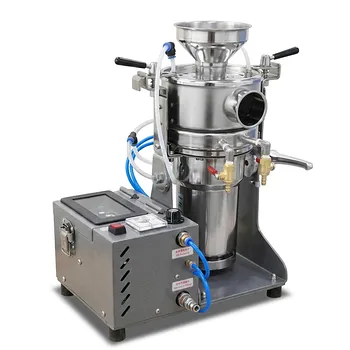
Water Cooled Pulse Jet Ultrafine Grinder
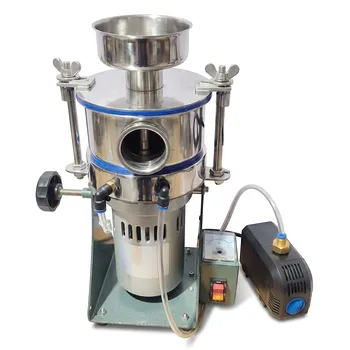
Water Cooled Airflow Ultra Fine Grinder for Low Temperature Material Processing
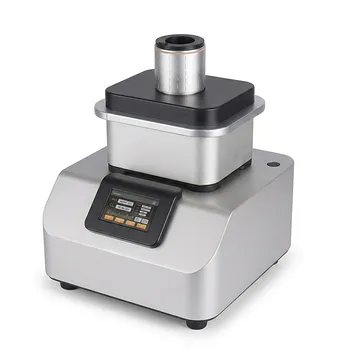
Ultra Centrifugal Mill High Speed Laboratory Grinder for Fibrous and Brittle Sample Preparation
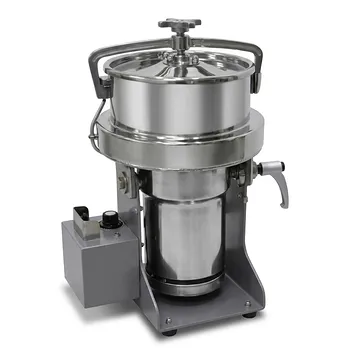
500g Capacity Water Cooled Low Temperature Grinder with Variable Speed and Safety Cover
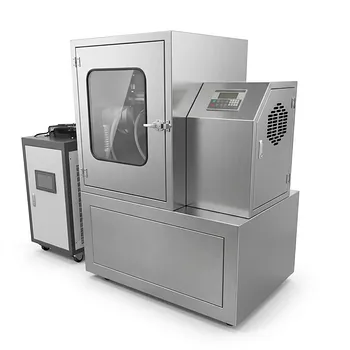
Vibratory Superfine Grinder for Ultra Fine Laboratory Powder Milling
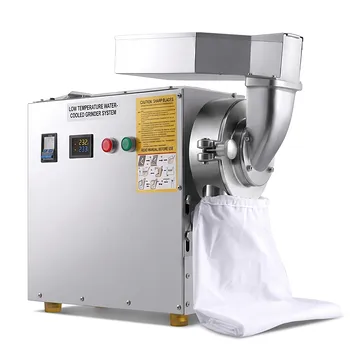
Low Temperature Water Cooled Continuous Feed Grinder Two Stage Coarse and Fine Grinding System
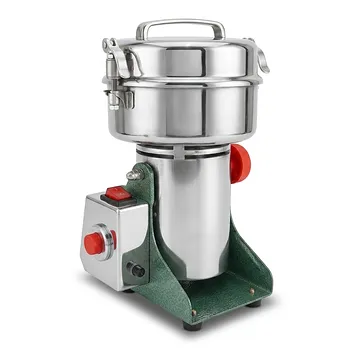
Small High-Speed Laboratory Grinder for Powder Processing
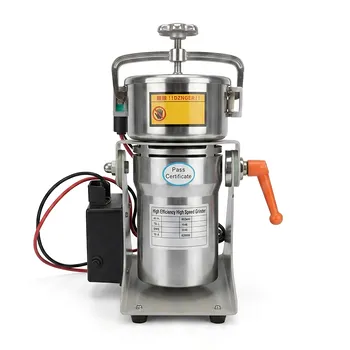
High Efficiency High Speed Grinder Laboratory Mill 1300W 25000rpm
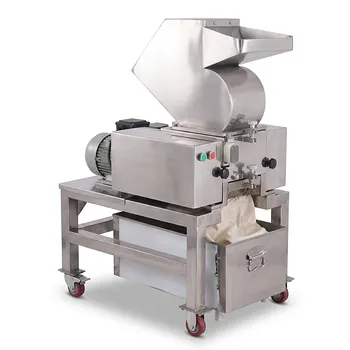
Stainless Steel Coarse Crusher for Pharmaceutical Food and Plastic Material Processing
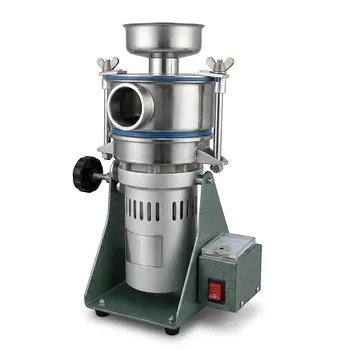
Small Airflow Ultra-Fine Grinder for Laboratory Sample Preparation
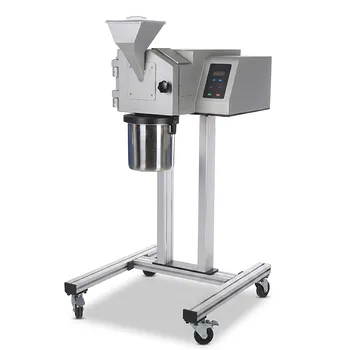
Cross Beater Mill for Brittle Material Grinding and Continuous Fine Crushing Industrial Sample Preparation
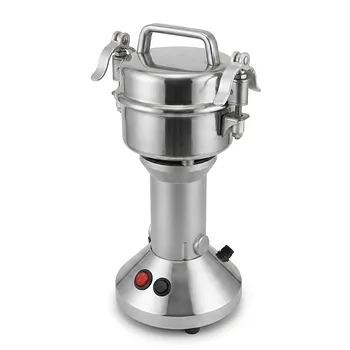
Continuous Feeding Grinding Mill for Dry Fibrous Tough and Hard Materials in Laboratory and Small Production
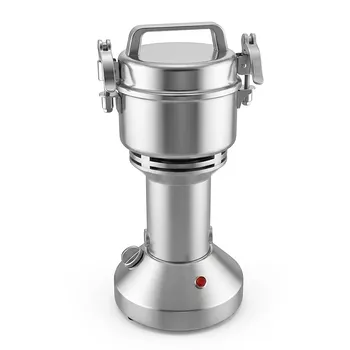
Small High Speed Upright Grinder for Laboratory Sample Preparation
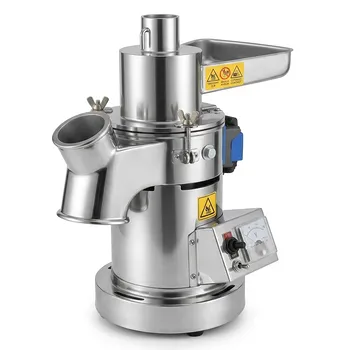
Continuous Feeding Grinder High Efficiency Pulverizer for Lab Sample Preparation
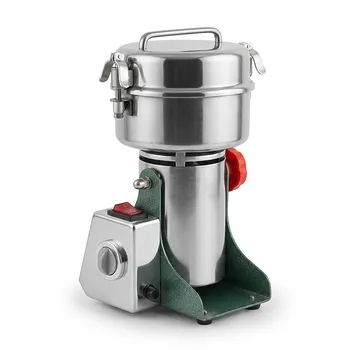
Small High-Speed Swing Grinder for Laboratory Sample Preparation
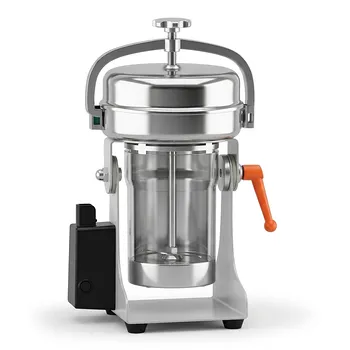
High Efficiency High Speed Grinder 2200W 25000 RPM Laboratory Sample Preparation
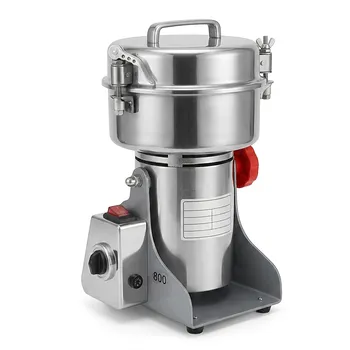
Small High-Speed Laboratory Grinder for Rapid Sample Preparation
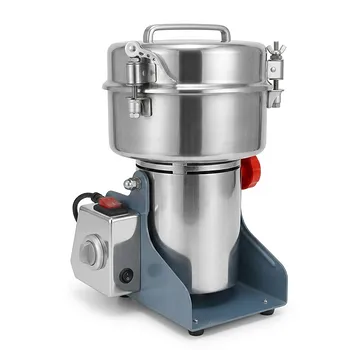
Small High-Speed Grinder for Efficient Laboratory Sample Preparation
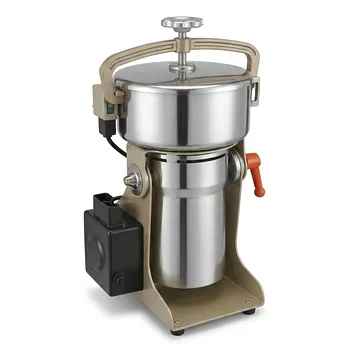
Multifunctional High Efficiency High Speed Laboratory Grinder