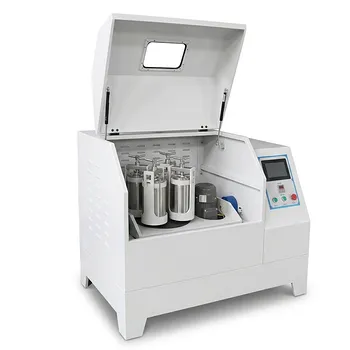
Why use a grinding mill to refine mine filling samples to below 75μm? Ensure Accurate XRF and Chemical Analysis
Updated 5 months ago
Refining mine filling materials to below 75 micrometers is the critical boundary between raw waste and reliable data. This ultra-fine pulverization is necessary to eliminate "particle size effects" and ensure the material is chemically and physically homogeneous. Without this step, quantitative analysis of major oxides like Calcium Oxide (CaO) and Silicon Dioxide (SiO2) would suffer from poor precision and inconsistent reproducibility.
Achieving a particle size of less than 75 micrometers ensures that heterogeneous industrial by-products are transformed into a uniform powder. This uniformity is the prerequisite for accurate X-ray fluorescence (XRF) analysis and complete chemical extraction during laboratory testing.
Enhancing Analytical Precision and Reproducibility
Achieving Material Homogeneity
Mine filling materials are often composed of diverse, heterogeneous industrial by-products that vary in density and composition. Using a high-efficiency grinding mill blends these disparate components into a physically uniform state, which is essential for representative sampling.
Eliminating Particle Size Effects in XRF
X-ray fluorescence (XRF) analysis is sensitive to the physical texture and grain size of a sample. Reducing particles to sub-75μm levels allows for effective pressure molding, creating a smooth surface that ensures X-rays interact consistently with the material.
Improving Precision of Major Oxide Detection
Accurate quantification of CaO, SiO2, and Al2O3 requires that every part of the sample analyzed is identical to the whole. Ultra-fine refinement minimizes the risk of "nugget effects" where a single large grain of one mineral disproportionately influences the results.
Increasing Specific Surface Area for Chemical Interaction
Optimizing Reagent Contact
Reducing particle size to 75 micrometers significantly increases the specific surface area (SSA) of the material. This allows acid digestion reagents or fusion fluxes to fully contact the sample particles, leading to more complete element extraction.
Enhancing Reaction Frequency
In processes like acid leaching or calcination, smaller particles increase the contact frequency of solid-liquid or solid-gas reactions. This ensures that chemical evaluations reflect the true potential of the material rather than just its surface-level properties.
Ensuring Uniform Heat Conduction
During thermal analysis or calcination steps, 75μm particles facilitate uniform heat conduction throughout the sample. This prevents localized under-processing, which is critical for measuring alumina extraction efficiency and other temperature-dependent traits.
Understanding the Trade-offs
The Risk of Sample Contamination
High-energy grinding can introduce trace impurities from the grinding media (such as chrome or tungsten) into the sample. It is vital to select a mill lining and grinding media that will not interfere with the specific elements targeted for evaluation.
Potential for Thermal Alteration
The friction generated during intense pulverization can cause localized heating, which may alter the mineral phases or drive off volatile components. Analysts must balance the need for fineness with the risk of changing the sample's chemical state.
Increased Processing Time and Cost
Achieving the 75μm threshold requires more energy and longer processing times than coarser grinds. This trade-off is generally considered necessary because the cost of inaccurate data in mining operations far outweighs the cost of thorough sample preparation.
Making the Right Choice for Your Goal
Selecting the proper refinement level is a balance between analytical rigor and operational efficiency.
- If your primary focus is XRF quantitative analysis: Prioritize the use of a grinding mill to reach 75μm followed by pressure molding to ensure the highest possible precision for major oxides.
- If your primary focus is trace element extraction: Focus on maximizing the specific surface area to ensure that digestion reagents can fully penetrate the sample matrix and reduce sampling errors.
- If your primary focus is process stability (e.g., bitumen mastic): Use standard test sieves to strictly control the particle size distribution, ensuring consistent physical adsorption and chemical cohesion.
Proper sample preparation is the essential foundation upon which all reliable mineralogical and chemical conclusions are built.
Summary Table:
| Key Factor | Impact of <75μm Refinement | Importance for Evaluation |
|---|---|---|
| Homogeneity | Blends diverse by-products into a uniform state | Ensures representative sampling for oxides (CaO, SiO2) |
| XRF Precision | Minimizes grain size effects and ensures smooth surfaces | Improves reproducibility and detection accuracy |
| Surface Area | Significantly increases Specific Surface Area (SSA) | Optimizes reagent contact and element extraction efficiency |
| Thermal Stability | Facilitates uniform heat conduction | Prevents localized under-processing during calcination |
Optimize Your Sample Preparation for Superior Analytical Data
Precise chemical evaluation starts with perfect sample preparation. At our core, we provide complete laboratory sample preparation solutions tailored for material science and mining research. Whether you need to achieve the critical 75μm threshold for mine filling materials or require ultra-fine powders for advanced ceramics, our equipment delivers the consistency your lab demands.
Our specialized product line includes:
- Grinding & Milling: Planetary ball mills, jet mills, and disc mills for ultra-fine pulverization.
- Crushing & Sieving: Jaw/roll crushers and vibratory/air-jet sieve shakers for strict size control.
- Pressing & Compaction: XRF pellet presses, standard lab presses, and Cold/Warm Isostatic Presses (CIP/WIP).
- Mixing: High-efficiency powder mixers and defoaming mixers for material homogeneity.
Don't let particle size effects compromise your research results. Contact our technical experts today to find the ideal milling and pressing solution for your specific application!
References
- Junbeum Lee, Eunhyea Chung. Assessment of Long-Term Leaching Characteristics of Mine Backfill Materials. DOI: 10.7844/kirr.2025.34.5.60
Mentioned Products
- Continuous Feeding Grinding Mill for Dry Fibrous Tough and Hard Materials in Laboratory and Small Production
- Small Laboratory Colloid Mill for Ultra-Fine Wet Grinding and Emulsification
- High Efficiency High Speed Grinder Laboratory Mill 1300W 25000rpm
- Vibratory Disc Mill for Rapid Fine Grinding and High Throughput Sample Preparation of Hard and Brittle Materials
- Vertical Square Planetary Ball Mill for Laboratory Sample Preparation and Nanoscale Grinding
People Also Ask
- What is the technical significance of the relative collision velocity of grinding media? Maximize Milling Efficiency
- What Role Does Lab Grinding Play in Banana Fiber Thermal Coatings? Optimize Waste Into High-Performance Barriers
- Why is a cutting mill utilized for processing fibrous Agarwood distillation waste? Efficient Shearing Solutions
- What is the primary function of grinding equipment during the raw material preparation stage for aluminum matrix composites?
- Why use precision filtration meshes for PEDOT:PSS? Ensure Clog-Free & High-Resolution 3D Printing

Tech Team · PowderPreparation
Last updated on May 14, 2026
Related Products
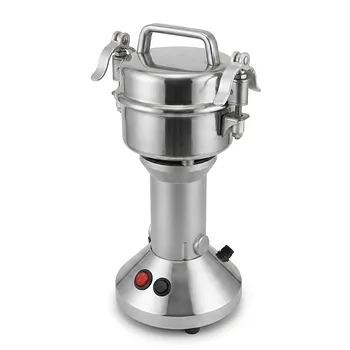
Continuous Feeding Grinding Mill for Dry Fibrous Tough and Hard Materials in Laboratory and Small Production
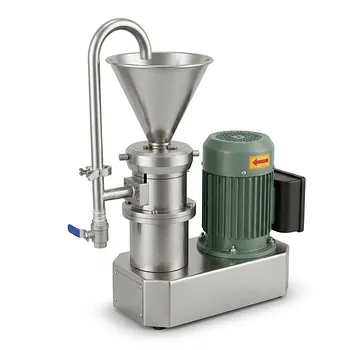
Small Laboratory Colloid Mill for Ultra-Fine Wet Grinding and Emulsification
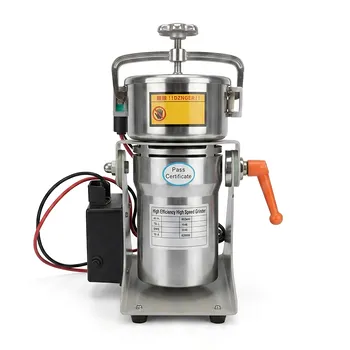
High Efficiency High Speed Grinder Laboratory Mill 1300W 25000rpm
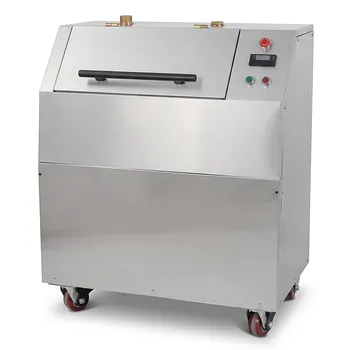
Vibratory Disc Mill for Rapid Fine Grinding and High Throughput Sample Preparation of Hard and Brittle Materials
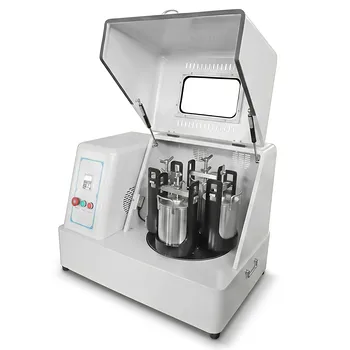
Vertical Square Planetary Ball Mill for Laboratory Sample Preparation and Nanoscale Grinding
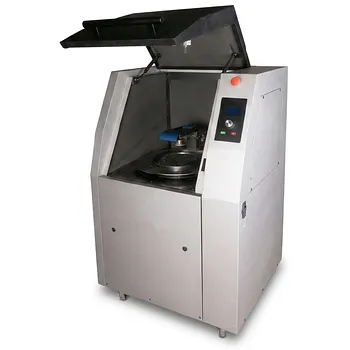
High Speed Vibratory Disc Mill for Spectral Analysis Sample Preparation and Rapid Powder Grinding
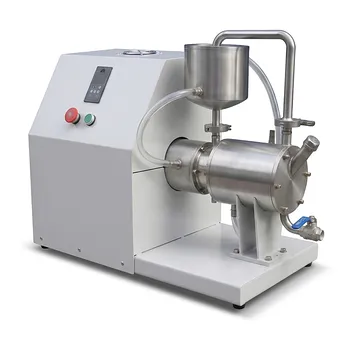
Laboratory Small Horizontal Sand Mill for Nano Materials Wet Grinding
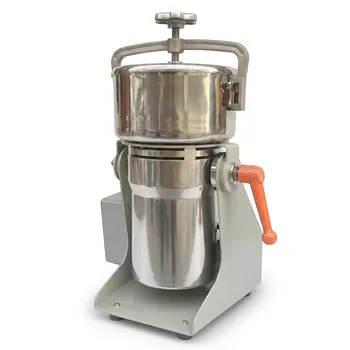
High Speed Laboratory Grinder Efficient Stainless Steel Powder Pulverizer Universal Material Science Mill for Sample Preparation
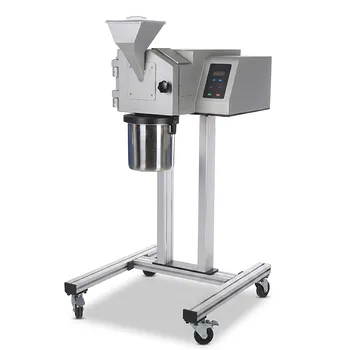
Cross Beater Mill for Brittle Material Grinding and Continuous Fine Crushing Industrial Sample Preparation
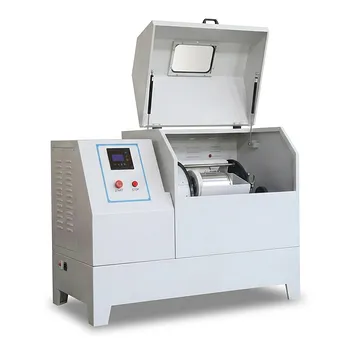
Heavy Duty Horizontal Planetary Ball Mill for Efficient Industrial Grinding and Sample Preparation
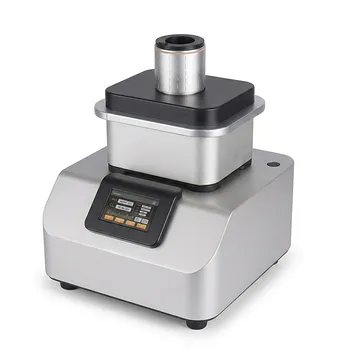
Ultra Centrifugal Mill High Speed Laboratory Grinder for Fibrous and Brittle Sample Preparation
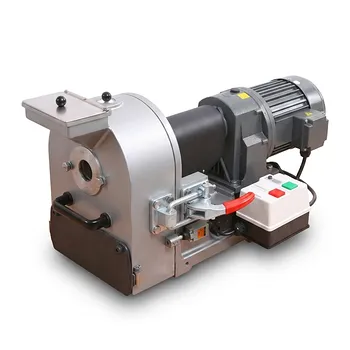
Laboratory Disc Mill for Fine Sample Preparation of Hard and Brittle Materials
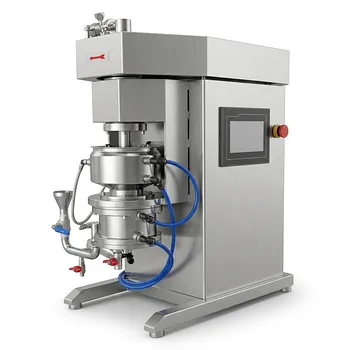
Small Ceramic Structure Laboratory Sand Mill Nanoscale Grinding Dispersion Equipment Seal-less Screen-less Design
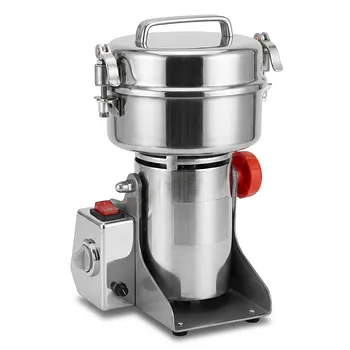
High Speed Laboratory Powder Grinder Small Batch Sample Preparation Mill
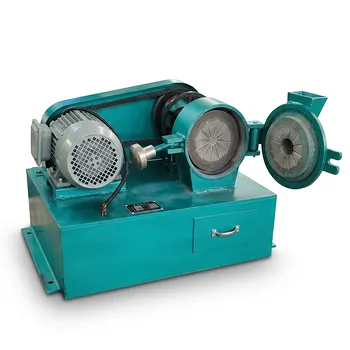
Laboratory Disc Mill Medium Hard Material Grinding Coal Coke Ore Pulverizer
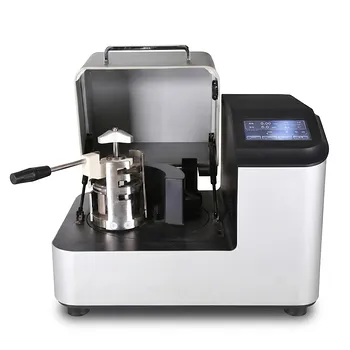
High Energy Laboratory Planetary Ball Mill for Nano Grinding and Material Science Sample Preparation
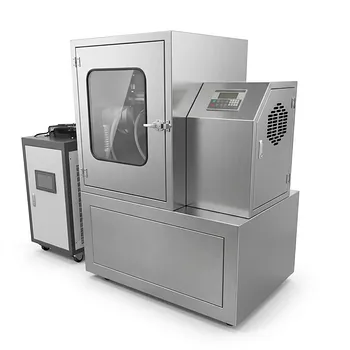
Vibratory Superfine Grinder for Ultra Fine Laboratory Powder Milling
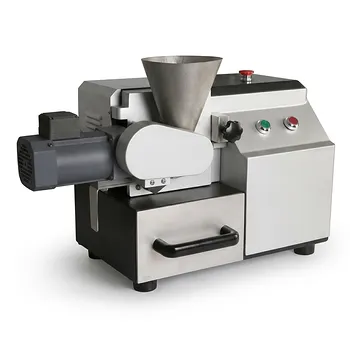
Laboratory Hammer Mill for Coal Quality Analysis and Brittle Mineral Grinding
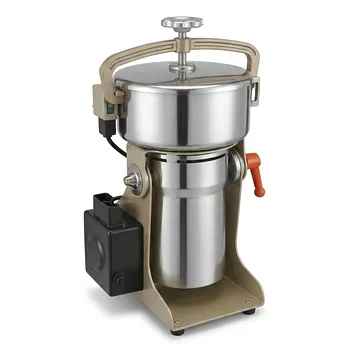
Multifunctional High Efficiency High Speed Laboratory Grinder