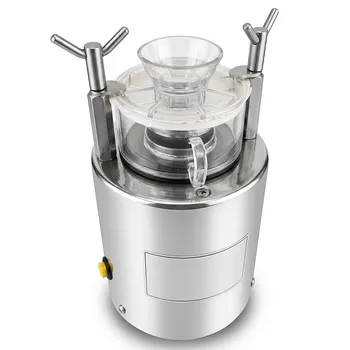
Why use high-efficiency grinding for E-waste in soil stabilization? Enhance structural integrity and shear strength.
Updated 4 months ago
High-efficiency grinding equipment transforms bulky electronic waste into a precision-engineered filler that optimizes the structural integrity of unstable soils.
By refining E-waste components—such as those from phones and computers—into fine particles, this equipment significantly increases the material's specific surface area and improves its physical morphology. This refinement allows the E-waste to act as a mechanical framework filler within soil pores, which is essential for enhancing the load-bearing capacity and stability of cohesive materials like Black Cotton Soil.
High-efficiency grinding is the critical bridge between raw electronic waste and soil stabilization; it converts heterogeneous debris into a uniform, high-surface-area additive that fills soil voids and provides the necessary mechanical interlocking for structural reinforcement.
Maximizing Specific Surface Area for Soil Integration
Enhancing Interfacial Contact
High-efficiency mills utilize mechanical impact forces to reduce E-waste fragments into micron-scale fine powders. This drastic reduction in particle size maximizes the specific surface area, allowing for superior interfacial contact between the E-waste particles and the soil matrix.
Improving Chemical and Physical Anchoring
Increased surface area ensures that the filler particles are more effectively "anchored" within the soil or unsaturated polyester matrices. This level of contact is vital for elevating the overall mechanical performance of the composite soil mass.
Facilitating Uniform Distribution
Fine grinding ensures that the E-waste can be mixed more uniformly with cohesive soils. Without this high level of refinement, larger waste fragments would create "weak spots" or voids rather than filling them.
Optimizing Physical Morphology and Framework Filling
Acting as a Pore Filler
In cohesive soils, such as Black Cotton Soil, finely ground E-waste acts as a framework filler. The particles migrate into the soil pores, creating a denser, more stable internal structure that resists deformation.
Providing Frictional Interlocking
High-efficiency equipment produces particles and fibers with regular edges and consistent dimensions. These consistent physical traits provide stable frictional interlocking and tensile resistance, which directly increases the shear strength of the composite soil.
Controlling Aspect Ratios
When processing materials like waste plastics or specific E-waste polymers, grinding equipment can be tuned to achieve specific aspect ratios. Maintaining these ratios ensures the material behaves predictably as a reinforcing agent within the soil mass.
Understanding the Trade-offs and Technical Pitfalls
Energy Consumption and Heat Generation
The high-speed rotation required for micron-scale refinement demands significant energy input. Additionally, the mechanical impact can generate heat, which may cause certain E-waste plastics to soften or clump if not managed correctly.
The Risk of Over-Grinding
While fine particles are generally beneficial, grinding material too small can sometimes reduce the tensile reinforcement provided by longer fibers. There is a technical "sweet spot" where the particle size is fine enough for pore filling but large enough to provide structural bridging.
Environmental and Dust Management
Refining E-waste into fine powders creates a high volume of airborne dust. Without integrated filtration and containment systems, the grinding process can lead to the inhalation of heavy metals or the loss of valuable tracer elements.
Making the Right Choice for Your Engineering Goal
Before selecting grinding parameters, you must identify the primary stabilization mechanism required for your specific soil type.
- If your primary focus is increasing shear strength in loose soils: Utilize grinding settings that produce a consistent aspect ratio to maximize frictional interlocking between the waste fibers and soil particles.
- If your primary focus is reducing the plasticity of cohesive soils: Prioritize high-efficiency micronization to maximize the specific surface area, allowing the waste to function as a dense framework filler for soil pores.
- If your primary focus is the extraction of tracer elements prior to soil use: Focus on a mill that transforms materials into fine powder to increase the contact frequency between metal elements and chemical solvents.
Precision grinding is not merely a preparation step, but a fundamental engineering process that dictates the eventual structural success of E-waste stabilized soil.
Summary Table:
| Key Feature | Technical Mechanism | Soil Stabilization Benefit |
|---|---|---|
| Micronization | Maximizes specific surface area | Superior interfacial anchoring and contact |
| Morphology Control | Produces regular particle edges | Enhanced frictional interlocking and shear strength |
| Uniformity | Homogeneous powder distribution | Eliminates voids and prevents structural weak spots |
| Pore Filling | Fine particles migrate into voids | Creates a denser, deformation-resistant soil matrix |
Transform Your Material Processing with Precision Engineering
At [Brand Name], we provide complete laboratory sample preparation solutions tailored for material science and civil engineering research. Whether you are stabilizing soils with E-waste or developing advanced composites, our equipment ensures the precision required for high-performance results.
Our extensive product line includes:
- Size Reduction: High-efficiency crushers (jaw/roll), liquid nitrogen cryogenic grinders, and advanced mills (planetary ball, jet, sand/bead, disc, and rotor).
- Classification: Sieve shakers (vibratory/air-jet) and high-precision test sieves.
- Mixing: Specialized powder mixers and vacuum defoaming mixers for uniform material distribution.
- Compaction & Pressing: A full spectrum of hydraulic presses, including Cold/Warm Isostatic Presses (CIP/WIP), standard lab presses, and vacuum hot presses.
Ready to optimize your E-waste processing or soil stabilization research? Contact our experts today to find the perfect equipment solution for your laboratory's needs!
References
- Mangesh Chaugule, Shailendra Banne. Improvement of Black Cotton Soil Properties Using E-waste. DOI: 10.9790/1684-1403017681
Mentioned Products
- High Efficiency High Speed Grinder Laboratory Mill 1300W 25000rpm
- High Efficiency High Speed Grinder 2200W 25000 RPM Laboratory Sample Preparation
- Multifunctional High Efficiency High Speed Laboratory Grinder
- Heavy Metal Free RoHS WEEE Testing Sample Pretreatment Cutting Mill Industrial Solid Waste Grinder for Plastics and Electronics
- High Speed Laboratory Grinder Efficient Stainless Steel Powder Pulverizer Universal Material Science Mill for Sample Preparation
People Also Ask
- What role does a laboratory grinder play in the pretreatment of sunflower seed shell-based adsorbents? Boost Efficiency.
- How does high-speed grinding equipment facilitate the preparation of lignin binders? Optimize Powder for Stronger Bonds
- How does a laboratory grinder or mill enhance the adsorption performance of agricultural waste materials? Boost Surface Area
- Why is grinding equipment necessary for SnO2-Sb2O3 xerogels? Maximize surface area and photocatalytic activity.
- How does laboratory grinding or pulverizing equipment influence eggshell-derived adsorbents? Maximize Surface Area.

Tech Team · PowderPreparation
Last updated on May 14, 2026
Related Products
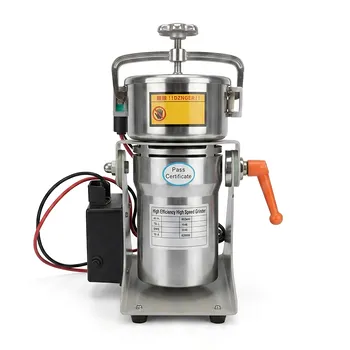
High Efficiency High Speed Grinder Laboratory Mill 1300W 25000rpm
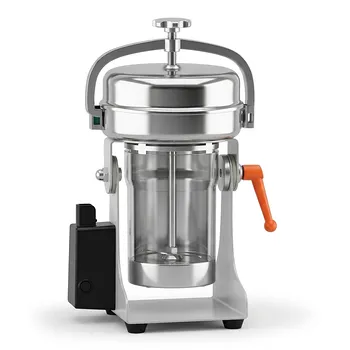
High Efficiency High Speed Grinder 2200W 25000 RPM Laboratory Sample Preparation
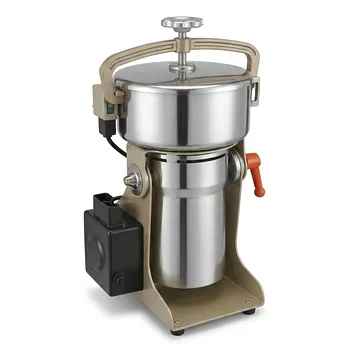
Multifunctional High Efficiency High Speed Laboratory Grinder
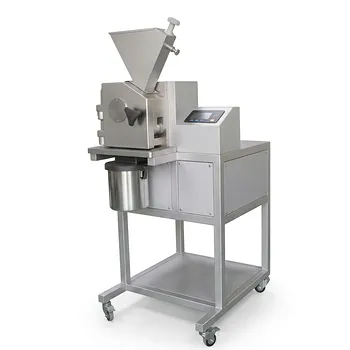
Heavy Metal Free RoHS WEEE Testing Sample Pretreatment Cutting Mill Industrial Solid Waste Grinder for Plastics and Electronics
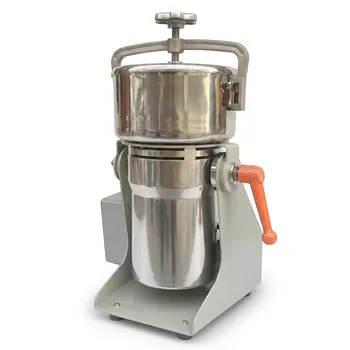
High Speed Laboratory Grinder Efficient Stainless Steel Powder Pulverizer Universal Material Science Mill for Sample Preparation
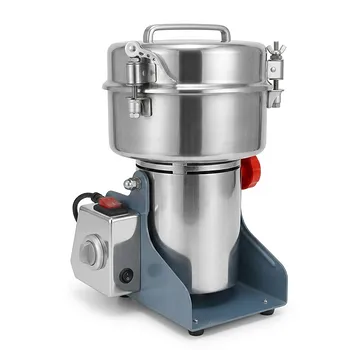
Small High-Speed Grinder for Efficient Laboratory Sample Preparation
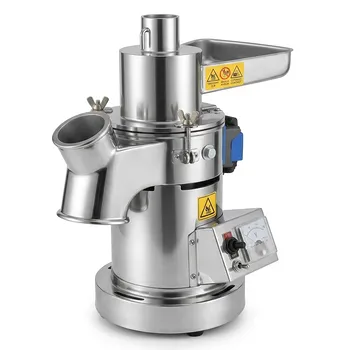
Continuous Feeding Grinder High Efficiency Pulverizer for Lab Sample Preparation
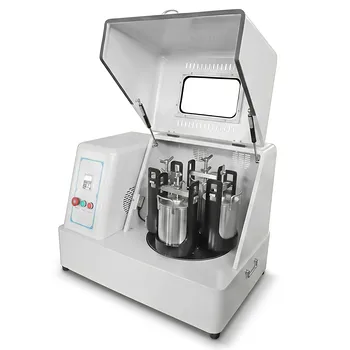
Vertical Square Planetary Ball Mill for Laboratory Sample Preparation and Nanoscale Grinding
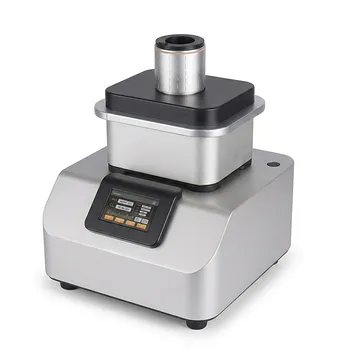
Ultra Centrifugal Mill High Speed Laboratory Grinder for Fibrous and Brittle Sample Preparation
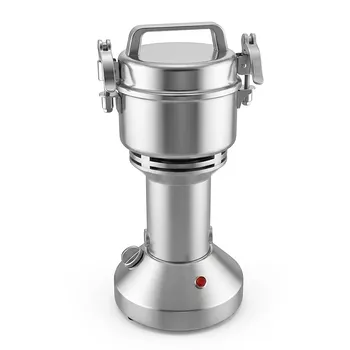
Small High Speed Upright Grinder for Laboratory Sample Preparation
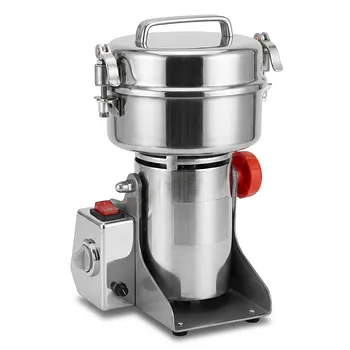
High Speed Laboratory Powder Grinder Small Batch Sample Preparation Mill
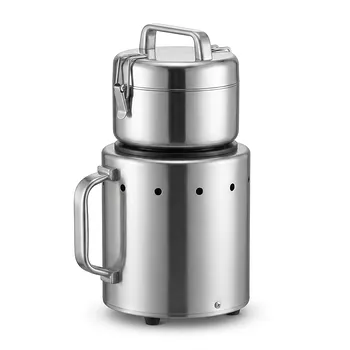
Small High Speed Grinder for Laboratory Sample Preparation
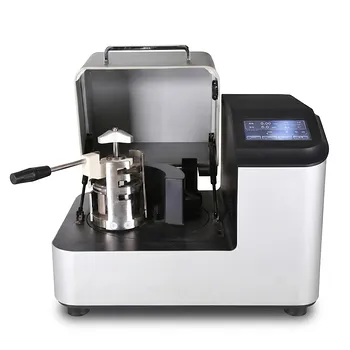
High Energy Laboratory Planetary Ball Mill for Nano Grinding and Material Science Sample Preparation
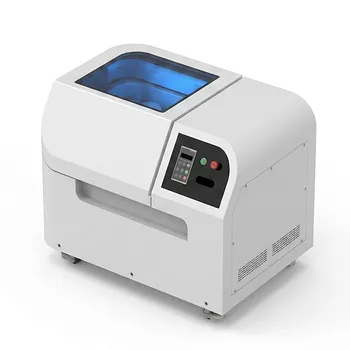
8L Planetary Ball Mill for Laboratory Grinding and Sample Preparation
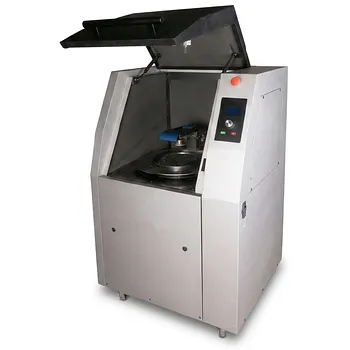
High Speed Vibratory Disc Mill for Spectral Analysis Sample Preparation and Rapid Powder Grinding
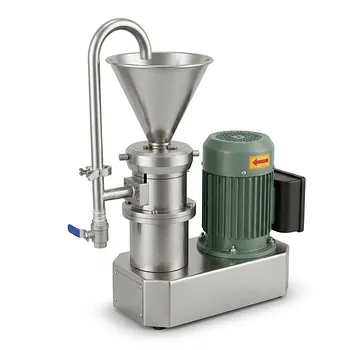
Small Laboratory Colloid Mill for Ultra-Fine Wet Grinding and Emulsification
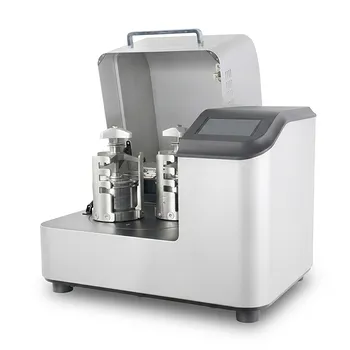
High Energy Planetary Ball Mill for Nano Scale Grinding and Mechanical Alloying
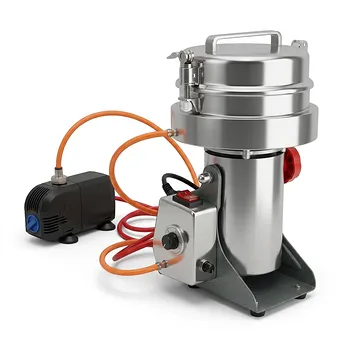
Water Cooled High Speed Grinder with Cryogenic Option for Laboratory Sample Preparation
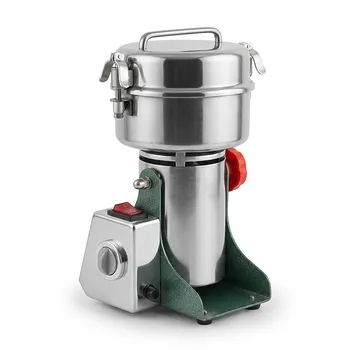
Small High-Speed Swing Grinder for Laboratory Sample Preparation