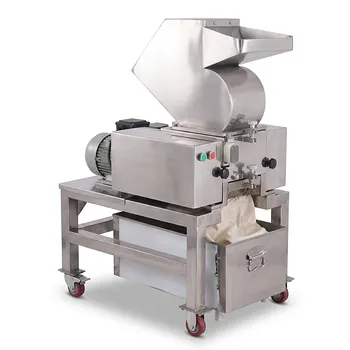
Why is an industrial-grade ring mill used to produce uniform powder samples for geopolymer binders? Optimize Synthesis.
Updated 4 months ago
An industrial-grade ring mill is essential for geopolymer production because it ensures extreme particle uniformity and sample representativeness. It utilizes high-frequency vibration and the physical impact of grinding rings to refine raw sediments into a standardized powder. This process eliminates physical variance between sampling groups, providing a consistent baseline for subsequent thermal activation and chemical analysis.
To achieve reliable results in geopolymer synthesis, raw materials must be processed into a highly uniform state. The ring mill provides the necessary mechanical energy to standardize particle sizes, ensuring that calcination and chemical reactions proceed predictably across all samples.
The Mechanics of Material Refinement
High-Frequency Vibration and Impact
The ring mill operates by subjecting raw materials to intense high-frequency vibrations. Inside the chamber, grinding rings move rapidly to strike the material with high kinetic energy. This combination of vibration and impact breaks down complex sediment structures far more effectively than standard crushing methods.
Refining Crushed Sediment Particles
The primary goal is to take coarse, crushed sediments and transform them into a fine, flowable powder. Industrial-grade mills are designed to reach specific micron levels that are necessary for chemical reactivity. This refinement is the first critical step in converting raw geological waste into a reactive binder component.
Ensuring Consistency for Downstream Processes
Eliminating Physical Variance
In research and industrial production, variability between batches can ruin experimental data. The ring mill ensures that multiple sampling groups have identical physical characteristics. By standardizing the physical state, any performance differences observed later can be attributed to chemical variables rather than particle size discrepancies.
Facilitating Calcination Activation
Geopolymer binders often require "activation" through a thermal process called calcination. Uniform powders respond more predictably to heat, ensuring that every particle undergoes the same level of thermal transformation. Inconsistent particle sizes would lead to uneven activation, resulting in a weaker and less stable final geopolymer.
Foundation for Chemical Analysis
Accurate chemical performance analysis requires a sample that is truly representative of the bulk material. The high degree of homogenization achieved by the ring mill prevents "sampling bias" where larger or harder particles might otherwise be excluded. This precision allows engineers to calculate the exact ratios of alkaline activators needed for the synthesis stage.
Understanding the Trade-offs and Limitations
Heat Generation During Milling
The intense mechanical energy of a ring mill can generate significant heat within the grinding chamber. In some cases, this localized heat may prematurely trigger minor physical or chemical changes in sensitive sediments. Monitoring dwell times is necessary to prevent thermal degradation of the raw sample during the refinement process.
Risk of Material Contamination
Because the rings and bowls are typically made of hardened steel or tungsten carbide, there is a minor risk of "abrasion contamination." Microscopic traces of the milling equipment can occasionally find their way into the powder. Researchers must select the appropriate ring material to ensure these trace elements do not interfere with the specific chemical analysis being performed.
How to Apply This to Your Project
Integrating Milling into Your Workflow
Proper material preparation is the bridge between raw waste and a high-performance construction material. The efficiency of subsequent steps, such as high-speed mixing (e.g., 250 rpm) and homogenization, depends entirely on the quality of the powder produced by the ring mill.
- If your primary focus is research and development: Use the ring mill to standardize all samples to eliminate physical variables, ensuring your chemical data is "clean" and reproducible.
- If your primary focus is industrial scaling: Prioritize ring milling to ensure your calcination ovens operate at maximum efficiency with a uniform feedstock.
- If your primary focus is maximizing binder strength: Ensure the mill reaches the finest possible particle size to increase the surface area available for the alkaline activator to penetrate.
By standardizing the physical properties of your raw sediments, you create a stable and predictable foundation for the complex chemistry of geopolymerization.
Summary Table:
| Feature | Benefit for Geopolymer Production |
|---|---|
| High-Frequency Impact | Efficiently refines raw sediments into standardized micron-level powders. |
| Physical Uniformity | Eliminates batch variance, ensuring chemical reactions are the only experimental variable. |
| Thermal Optimization | Provides uniform feedstock for predictable and consistent calcination activation. |
| Representative Sampling | Prevents sampling bias by homogenizing bulk materials for accurate chemical analysis. |
| Increased Surface Area | Maximizes the contact area for alkaline activators, leading to higher binder strength. |
Elevate Your Material Synthesis with Professional Preparation Solutions
Achieving the perfect geopolymer binder starts with uncompromising sample uniformity. We provide complete laboratory sample preparation solutions tailored for material science, specializing in high-performance powder processing and compaction equipment.
Our extensive product line is designed to support every stage of your workflow:
- Size Reduction: Industrial-grade ring mills, planetary ball mills, jet mills, and jaw/roll crushers.
- Classification & Mixing: Vibratory sieve shakers, air-jet sieves, and advanced powder/defoaming mixers.
- Compaction & Thermal Processing: A full spectrum of hydraulic presses, including Cold/Warm Isostatic Presses (CIP/WIP), vacuum hot presses, and XRF pellet presses.
Whether you are scaling industrial production or conducting high-precision research, our equipment ensures your materials are processed for maximum reactivity and consistency. Contact our experts today to find the ideal solution for your laboratory needs!
References
- Bruno Molino, Raffaele Cioffi. Recycling of Clay Sediments for Geopolymer Binder Production. A New Perspective for Reservoir Management in the Framework of Italian Legislation: The Occhito Reservoir Case Study. DOI: 10.3390/ma7085603
Mentioned Products
- Heavy Duty Horizontal Planetary Ball Mill for Efficient Industrial Grinding and Sample Preparation
- Industrial Rotor Beater Mill for High Speed Impact and Shear Grinding in Laboratory Sample Preparation
- Cross Beater Mill for Brittle Material Grinding and Continuous Fine Crushing Industrial Sample Preparation
- Vertical Production Planetary Ball Mill for High Throughput Powder Processing
- High Speed Vibratory Disc Mill for Spectral Analysis Sample Preparation and Rapid Powder Grinding
People Also Ask
- Why grind lime-pozzolan specimens for TG/DTA for 3 mins? Master sample prep for high-precision thermal analysis.
- What is the role of a planetary ball mill in the mechanical activation of ZTA powder? Boost Sintering Performance
- What is the function of a planetary ball mill in wollastonite ceramic prep? Achieve Molecular Homogenization & Reactivity
- How does a planetary ball mill contribute to the homogenization of trace elements? Achieve Sub-Micron Uniformity
- What is the function of a high-performance planetary ball mill in AMZ laminates? Master Ceramic Homogenization.

Tech Team · PowderPreparation
Last updated on Jun 03, 2026
Related Products
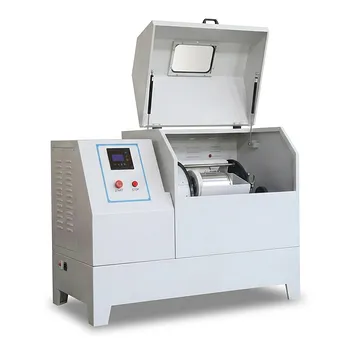
Heavy Duty Horizontal Planetary Ball Mill for Efficient Industrial Grinding and Sample Preparation
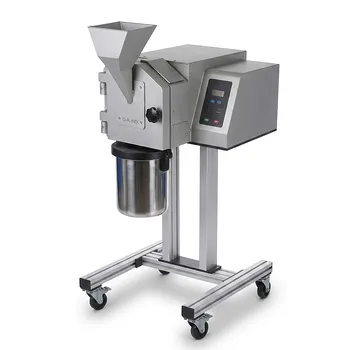
Industrial Rotor Beater Mill for High Speed Impact and Shear Grinding in Laboratory Sample Preparation
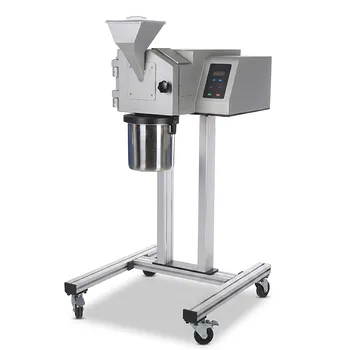
Cross Beater Mill for Brittle Material Grinding and Continuous Fine Crushing Industrial Sample Preparation
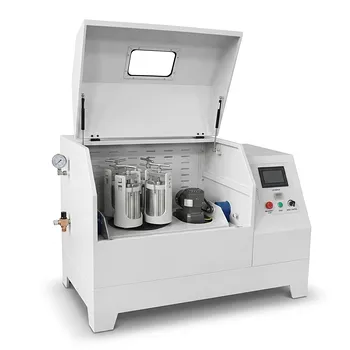
Vertical Production Planetary Ball Mill for High Throughput Powder Processing
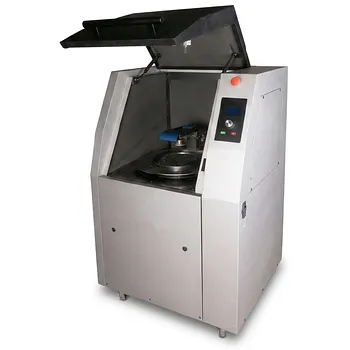
High Speed Vibratory Disc Mill for Spectral Analysis Sample Preparation and Rapid Powder Grinding
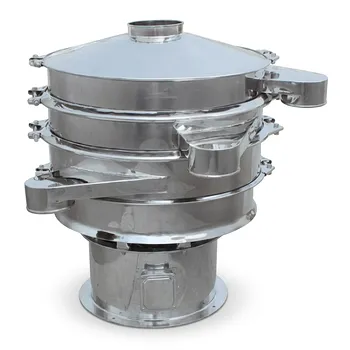
Stainless Steel Rotary Vibrating Sieve High Precision Circular Vibratory Separator Industrial Powder Grading Machine Multi Layer Sifting Equipment
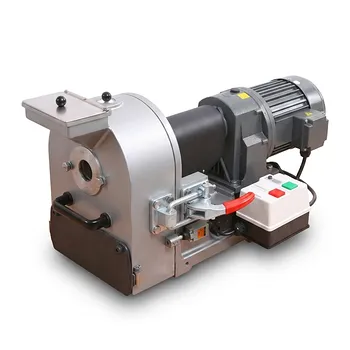
Laboratory Disc Mill for Fine Sample Preparation of Hard and Brittle Materials
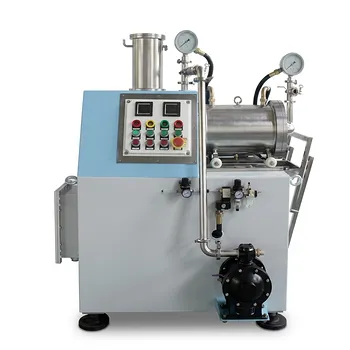
Horizontal Bead Mill for Nanoscale Grinding and Advanced Material Powder Processing
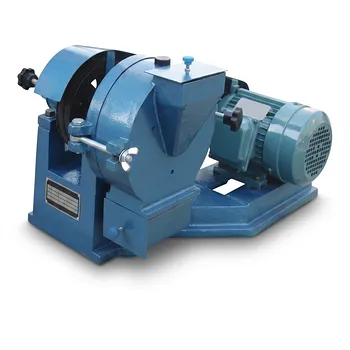
Laboratory Disc Mill for Ore and Mineral Sample Preparation
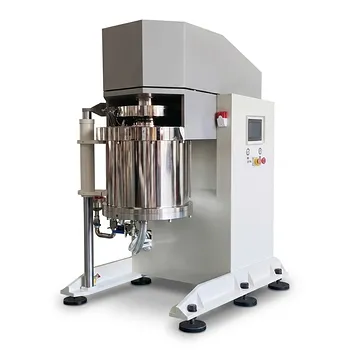
Vertical Nano Bead Mill for Ceramic Materials with Permanent Magnet Motor and High Efficiency Grinding

Vertical Square Planetary Ball Mill for Laboratory Sample Preparation and Nanoscale Grinding

High Energy Planetary Ball Mill for Nano Scale Grinding and Mechanical Alloying
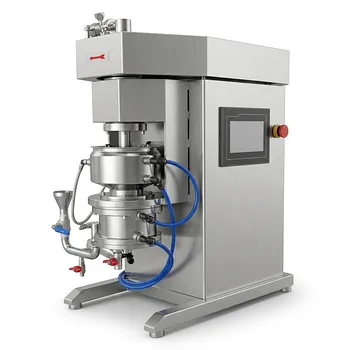
Small Ceramic Structure Laboratory Sand Mill Nanoscale Grinding Dispersion Equipment Seal-less Screen-less Design
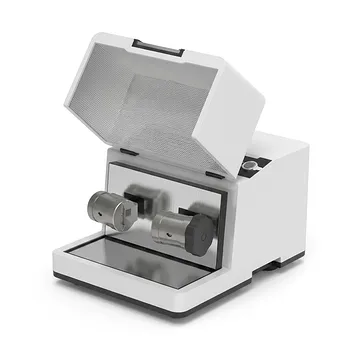
Heating Temperature Controlled High Energy Vibratory Ball Mill
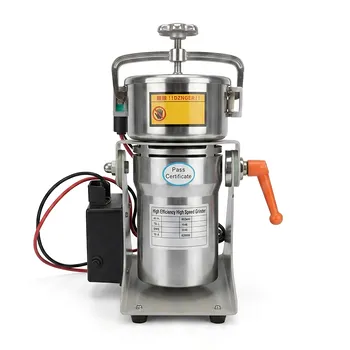
High Efficiency High Speed Grinder Laboratory Mill 1300W 25000rpm
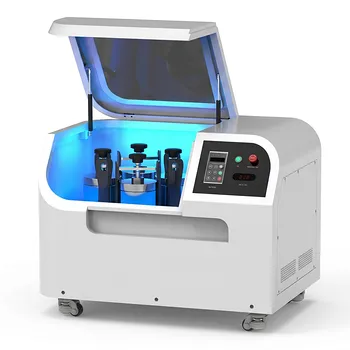
Planetary Ball Mill 12L
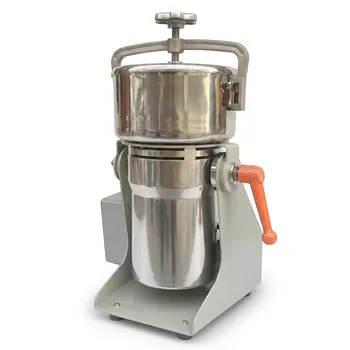
High Speed Laboratory Grinder Efficient Stainless Steel Powder Pulverizer Universal Material Science Mill for Sample Preparation
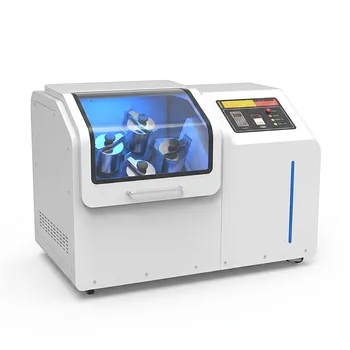
High Energy Omnidirectional Planetary Ball Mill 16L
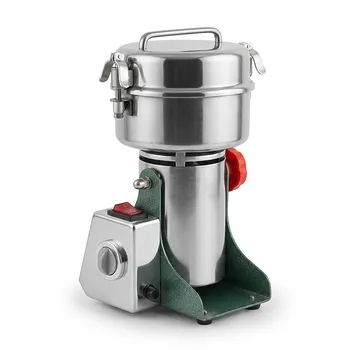
Small High-Speed Swing Grinder for Laboratory Sample Preparation