Why is a 55 MPa load required for SiC green bodies? Achieve Precise Density with Industrial Hydraulic Presses
Updated 4 months ago
Achieving a specific load, such as 55 MPa, is critical for establishing the "green density" required to ensure the final Silicon Carbide composite meets its performance specifications. Industrial hydraulic presses use this precise pressure to force powder particles into a state of maximum rearrangement, overcoming internal friction to fill microscopic voids. This mechanical compaction is the primary determinant of the material's final hardness, structural integrity, and ballistic effectiveness after the sintering process.
The core takeaway: A specific load like 55 MPa is not arbitrary; it is the calculated force necessary to reach a precise theoretical density (typically around 55.2%) that prevents non-uniform shrinkage and ensures the ceramic can withstand high-stress applications.
The Mechanics of Powder Compaction
Overcoming Internal Friction
Silicon Carbide particles are inherently abrasive and resist movement when placed in a mold. High axial pressure is required to overcome the frictional forces between individual particles and between the powder and the mold walls. This allows the particles to slide and rotate into a more stable, packed configuration.
Eliminating Internal Voids
Loose powder contains significant amounts of trapped air and large macropores that weaken the final structure. Applying 55 MPa of force induces plastic deformation and rearrangement that expels this air and increases the number of contact points between particles. This "contact tightness" is the foundation for the chemical bonding that occurs during later heat treatments.
Defining Geometric Precision
For complex shapes like hexagonal green bodies, uniform pressure distribution is essential to ensure every corner of the mold is filled. Precise load control ensures that the hexagonal geometry is maintained without density gradients, which could cause the piece to warp or "hourglass" during the sintering phase.
Impact on Post-Sintering Performance
Achieving Target Theoretical Density
The primary goal of uniaxial cold pressing is to reach a specific theoretical density, such as 55.2%. If the green body starts with the correct density, the subsequent sintering process can predictably reach the near-theoretical maximum density required for technical ceramics. This density is directly correlated to the material's final hardness and elastic modulus.
Minimizing Sintering Shrinkage
Ceramics naturally shrink as they are fired and pores are closed; however, a higher initial green density reduces the total volume of this shrinkage. By using a specific 55 MPa load, manufacturers can predict and control dimensional changes, ensuring the final hexagonal tiles fit perfectly into their intended assemblies without additional machining.
Enhancing Ballistic Performance
In ballistic applications, the energy-dissipating capability of Silicon Carbide depends on its microscopic uniformity. Precise pressure control eliminates the micro-defects and large pores that would otherwise act as crack initiation sites during a high-velocity impact.
Understanding the Trade-offs and Pitfalls
The Risk of Over-Pressing
Applying pressure significantly beyond the required load can lead to a phenomenon known as lamination or "capping." This occurs when stored elastic energy is released upon ejection from the mold, causing the green body to crack or split into layers.
The Danger of Insufficient Load
If the load falls below the required threshold, the green body will lack the handling strength necessary for transport to the sintering furnace. Furthermore, low-density green bodies suffer from excessive shrinkage during firing, which frequently leads to non-uniform cracking and structural failure.
Pressure Distribution Gradients
In uniaxial pressing, pressure decreases with distance from the punch due to wall friction. Using a specific, high-load setting helps ensure that even the center of the hexagonal body reaches the minimum critical density required for uniform grain growth during the solid-phase reaction.
How to Apply This to Your Project
Making the Right Choice for Your Goal
- If your primary focus is maximum hardness and ballistic resistance: Adhere strictly to the high-pressure specifications (e.g., 55 MPa) to ensure the green density reaches the 55% threshold necessary for a dense, pore-free final product.
- If your primary focus is geometric precision and tight tolerances: Prioritize the consistency of the load application and the quality of the lubrication to minimize density gradients across the hexagonal face.
- If your primary focus is reducing production scrap: Monitor for lamination cracks that suggest your load may be too high for the specific binder content of your Silicon Carbide mixture.
By mastering the precise application of hydraulic force, you transform loose powder into a high-performance structural component capable of surviving the most demanding industrial environments.
Summary Table:
| Key Factor | Impact of 55 MPa Load | Risk of Incorrect Pressure |
|---|---|---|
| Green Density | Reaches ~55.2% theoretical density | Poor handling strength & warping |
| Internal Voids | Eliminates air & increases contact points | Micro-defects & crack initiation |
| Shrinkage | Minimizes and stabilizes volume change | Dimensional inaccuracy & failure |
| Geometry | Ensures uniform hexagonal mold filling | Density gradients & "hourglassing" |
| Performance | Maximizes hardness & ballistic resistance | Structural weakness post-sintering |
Elevate Your Material Science Precision
Achieving the perfect green density is the foundation of high-performance technical ceramics. At our facility, we provide complete laboratory sample preparation solutions tailored for material science professionals and industrial manufacturers.
From achieving precise compaction loads for Silicon Carbide to fine-tuning powder grain sizes, our expert-grade equipment ensures your materials meet the most rigorous standards. Our extensive product line includes:
- Advanced Hydraulic Presses: Cold/Warm Isostatic Presses (CIP/WIP), standard lab presses, XRF pellet presses, hot presses, and vacuum hot presses for superior structural integrity.
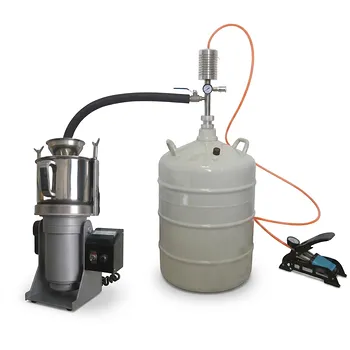
- Precision Powder Processing: Crushers (jaw/roll), liquid nitrogen cryogenic grinders, and various mills (planetary ball, jet, sand/bead, disc, rotor).
- Sieving & Mixing: Sieve shakers (vibratory/air-jet) and high-efficiency powder or defoaming mixers.
Whether you are refining ballistic-grade ceramics or developing new composites, we offer the technical expertise and equipment reliability you need to succeed.
Ready to optimize your powder compaction process? Contact us today for a professional consultation!
References
- Danilo Abílio Corrêa Gonçalves, Sérgio Neves Monteiro. Microstructural, mechanical and ballistic behavior of alumina/yttria – doped silicon carbide composite. DOI: 10.55905/oelv23n11-177
Mentioned Products
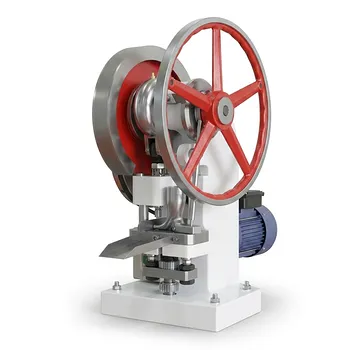
- 5 Ton Single Punch Tablet Press Laboratory Small Batch Production
- Vertical Production Planetary Ball Mill for High Throughput Powder Processing
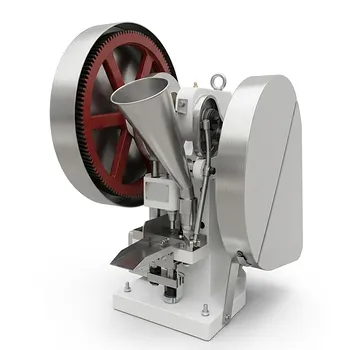
- 6-Ton Small Single-Punch Tablet Press — Laboratory Powder & Granule Tableting Equipment / Tablet Forming Machine
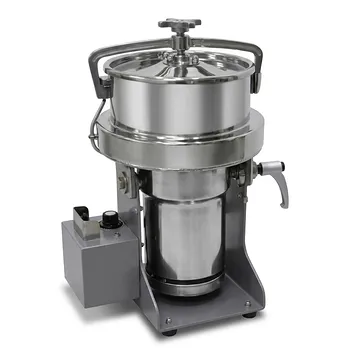
- 500g Capacity Water Cooled Low Temperature Grinder with Variable Speed and Safety Cover
- 6 Ton Variable Frequency Single Punch Tablet Press
People Also Ask
- What is the function of a laboratory press in assessing the hydrophobic performance of modified vermiculite fillers?
- What is the core function of a laboratory press in the forming of ceramic filter element green bodies? Maximize Density.
- What is the function of a laboratory press in Cr-Ti alloy evaluation? Quantify Fracture Stress & Strength
- Why is vacuum sealing and flexible packaging necessary for Aluminum Titanate powders during CIP? Ensure Peak Density
- Why is a laboratory hydraulic press required for FT-IR KBr pellets? Achieve Precise Sample Clarity for ZrC–SiC Analysis

Tech Team · PowderPreparation
Last updated on May 14, 2026
Related Products
5 Ton Single Punch Tablet Press Laboratory Small Batch Production

Vertical Production Planetary Ball Mill for High Throughput Powder Processing
6-Ton Small Single-Punch Tablet Press — Laboratory Powder & Granule Tableting Equipment / Tablet Forming Machine
500g Capacity Water Cooled Low Temperature Grinder with Variable Speed and Safety Cover
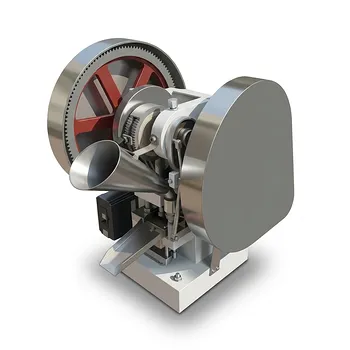
6 Ton Variable Frequency Single Punch Tablet Press
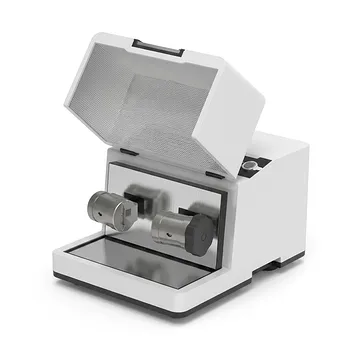
Heating Temperature Controlled High Energy Vibratory Ball Mill
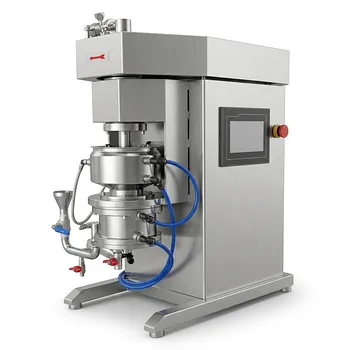
Small Ceramic Structure Laboratory Sand Mill Nanoscale Grinding Dispersion Equipment Seal-less Screen-less Design
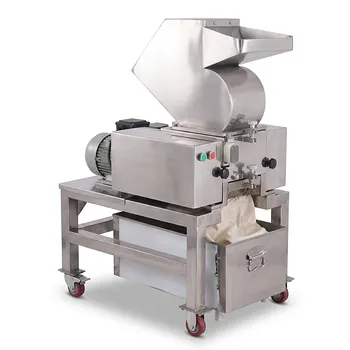
Stainless Steel Coarse Crusher for Pharmaceutical Food and Plastic Material Processing
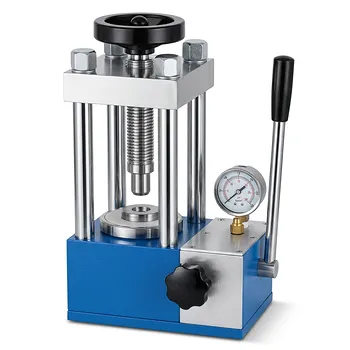
Manual Tablet Press with Dual Scale Pressure Gauge for Pharmaceutical Food Chemical Laboratory Sample Preparation
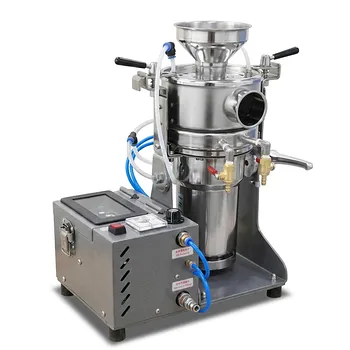
Water Cooled Pulse Jet Ultrafine Grinder
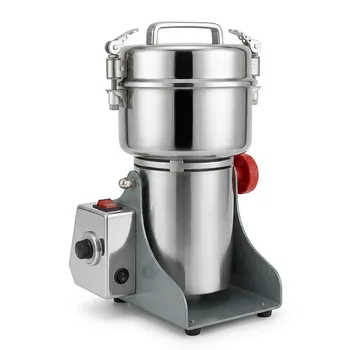
Versatile Industrial Crusher for Laboratory Crushing and Material Processing
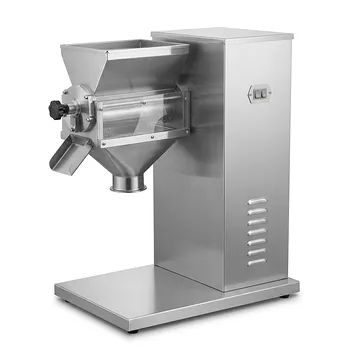
Small Swing Granulator Efficient Powder Granulation for Pharmaceutical Chemical Food Industries
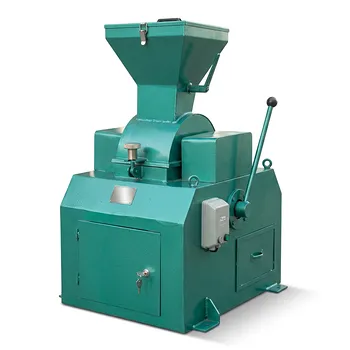
Laboratory Sealed Hammer Blade Crusher Divider for High Hardness Sample Preparation
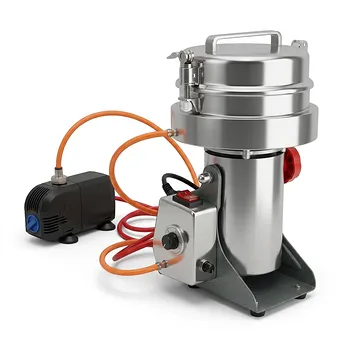
Water Cooled High Speed Grinder with Cryogenic Option for Laboratory Sample Preparation
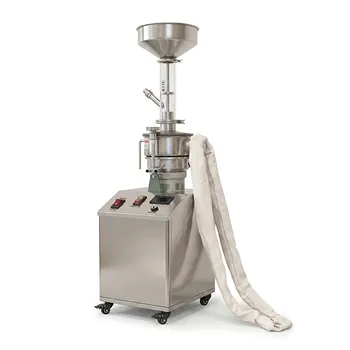
Small Liquid Nitrogen Cryogenic Grinder for Plastic and Heat-Sensitive Material Sample Preparation
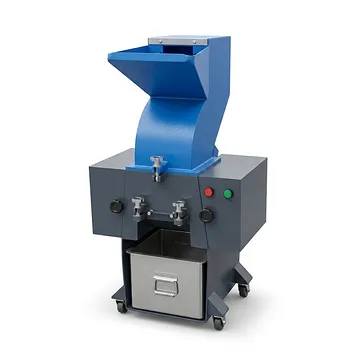
Heavy-Duty Crusher for Laboratory and Industrial Material Size Reduction
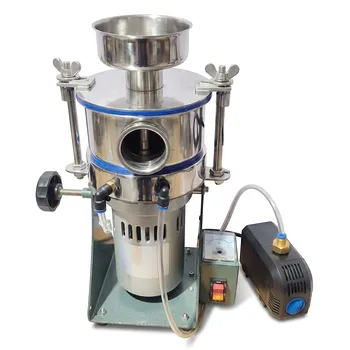
Water Cooled Airflow Ultra Fine Grinder for Low Temperature Material Processing
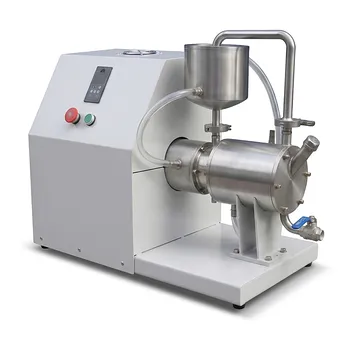
Laboratory Small Horizontal Sand Mill for Nano Materials Wet Grinding
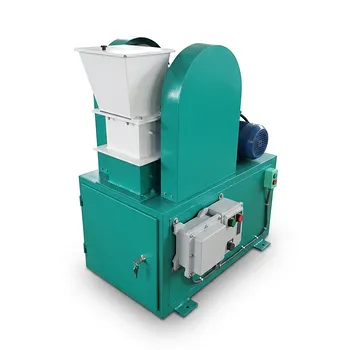
Custom Explosion-Proof Sealed Jaw Crusher for Laboratory and Industrial Sample Preparation