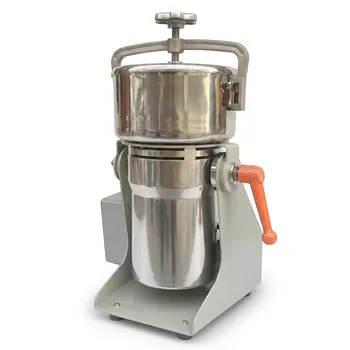
Why is a rotary grinder necessary when using recycled PET for WPC preparation? Enhance Encapsulation and Bond Quality
Updated 4 months ago
The necessity of a rotary grinder lies in its ability to transform rigid recycled PET flakes into a high-surface-area powder. This pulverization is critical because it ensures that the plastic matrix can uniformly encapsulate wood particles during the thermal processing stage. Without this step, the resulting composite would suffer from poor interfacial bonding, leading to structural instability and reduced mechanical performance.
A rotary grinder bridges the physical gap between large rPET flakes and fine wood fibers. By maximizing the material's surface area, it enables superior encapsulation and bonding, which are the cornerstones of high-performance Wood Plastic Composites (WPC).
Maximizing Surface Area for Interfacial Bonding
The Geometry of the Plastic Matrix
Recycled PET (rPET) typically arrives as large, irregular flakes from crushed bottles. These flakes have a low surface-to-volume ratio, making them difficult to distribute evenly among wood particles.
Facilitating Particle Contact
Reducing PET to a fine powder significantly increases the effective surface area available for contact. This allows the plastic to interact more intimately with the wood fibers during the mixing and hot-pressing phases.
Improving the Interfacial Bonding Effect
A higher surface area ensures that once the PET melts, it can "wet" the wood particles more effectively. This creates a stronger bond at the interface of the two materials, which is vital for the composite's durability.
Achieving Uniform Encapsulation
Ensuring Matrix Homogeneity
When rPET is in powder form, it mixes more thoroughly with wood flour or fibers. This homogeneity prevents "clumping" where some areas of the WPC are plastic-rich while others are wood-rich and brittle.
The Role of Molten Flow
During hot pressing, powdered PET melts faster and flows more predictably than large flakes. This uniform flow ensures that every wood particle is fully encapsulated within the plastic matrix.
Enhancing Structural Density
By eliminating the gaps often caused by large, unmelted flake fragments, the grinding process helps achieve a higher structural density. This density is essential for the composite's resistance to moisture and mechanical stress.
Understanding the Trade-offs
Thermal Degradation Risks
Mechanical grinding generates significant friction and heat, which can potentially degrade the polymer chains of the PET. In some high-precision applications, cryogenic cooling (using liquid nitrogen) is required to prevent melting during the grinding process itself.
Energy Consumption and Maintenance
PET is a naturally tough and "springy" material, making it energy-intensive to pulverize into micron-sized powders. This results in higher operational costs and necessitates frequent maintenance of the grinder's cutting blades or milling media.
Balancing Particle Size
While finer powder improves bonding, over-processing can lead to extremely fine dust that is difficult to handle and may pose inhalation risks in a factory environment. Finding the optimal micron size—often around 300μm—is a balance between performance and processability.
Making the Right Choice for Your Project
The decision to implement a specific grinding protocol depends on the final requirements of your WPC product.
- If your primary focus is maximum mechanical strength: Utilize a rotary grinder or ball mill to achieve a powder size of 300μm or less to maximize interfacial bonding.
- If your primary focus is preventing polymer degradation: Consider a cryogenic grinding system to maintain low temperatures and preserve the molecular integrity of the rPET.
- If your primary focus is cost-effective mass production: Use standard industrial rotary crushers to reach a uniform particle size that balances surface area with energy expenditure.
Precision grinding is the essential catalyst that transforms waste plastic into a high-performance structural material.
Summary Table:
| Key Benefit | Technical Reason | Impact on WPC Performance |
|---|---|---|
| Surface Area Expansion | Transforms large flakes into fine powder | Maximizes contact points for superior interfacial bonding |
| Matrix Homogeneity | Enables uniform mixing with wood fibers | Prevents brittle spots and eliminates plastic-rich clumping |
| Full Encapsulation | Ensures fast, predictable molten flow | Increases structural density and moisture resistance |
| Process Optimization | Precision control of particle size | Balances mechanical strength with manufacturing efficiency |
Elevate Your Material Research with Precision Sample Prep
Achieving high-performance Wood Plastic Composites (WPC) requires more than just mixing; it demands precision powder processing. At [Your Brand Name], we provide complete laboratory sample preparation solutions for material science, specializing in equipment that ensures your recycled PET and wood fibers bond perfectly.
Our extensive product lines are designed to handle every stage of your workflow:
- Size Reduction & Grinding: High-efficiency rotary grinders, jaw/roll crushers, and specialized mills (planetary ball, jet, disc, rotor). For heat-sensitive polymers, we offer liquid nitrogen cryogenic grinders to prevent thermal degradation.
- Sifting & Mixing: Vibratory/air-jet sieve shakers for particle analysis, plus advanced powder and defoaming mixers for a homogeneous matrix.
- Compaction & Pressing: A full spectrum of hydraulic presses, including Cold/Warm Isostatic Presses (CIP/WIP), standard lab presses, XRF pellet presses, and vacuum hot presses for final part consolidation.
Don't let poor interfacial bonding compromise your structural testing. Partner with us to access the tools that bridge the gap between waste material and high-performance composites.
Contact our technical team today to find your solution!
References
- Khandkar‐Siddikur Rahman, Md. Obaidullah Hannan. Properties of flat-pressed wood plastic composites as a function of particle size and mixing ratio. DOI: 10.1007/s10086-018-1702-3
Mentioned Products
- 360° Rotating Omnidirectional Laboratory Planetary Ball Mill for Homogeneous Ultra-Fine Grinding and Mixing
- Enhanced 9 Punch Rotary Tablet Press for Powder Compaction
- Small High-Speed Laboratory Grinder for Rapid Sample Preparation
- Ordinary Type Rotary Tablet Press for Pharmaceutical Chemical Food Electronic Industries
- Vibratory Superfine Grinder for Ultra Fine Laboratory Powder Milling
People Also Ask
- What role does an omni-directional planetary ball mill play in brass/cobalt antimonide pretreatment? Achieve Nano-Scale Homogeneity.
- What is the function of an omni-directional planetary ball mill? Achieve Streak-Free Glass Homogenization
- Why is an intermittent grinding process required for perovskites in a planetary ball mill? Ensure Stability & Purity
- Why is a planetary ball mill essential for SiBCN-rGO wet-spinning? Achieve Superior Dispersion and Spinnability
- What role does a planetary ball mill play in the synthesis of Li6PS5Cl (LPSCl)? Unlock High Ionic Conductivity

Tech Team · PowderPreparation
Last updated on Jun 03, 2026
Related Products

360° Rotating Omnidirectional Laboratory Planetary Ball Mill for Homogeneous Ultra-Fine Grinding and Mixing
Enhanced 9 Punch Rotary Tablet Press for Powder Compaction
Small High-Speed Laboratory Grinder for Rapid Sample Preparation
Ordinary Type Rotary Tablet Press for Pharmaceutical Chemical Food Electronic Industries
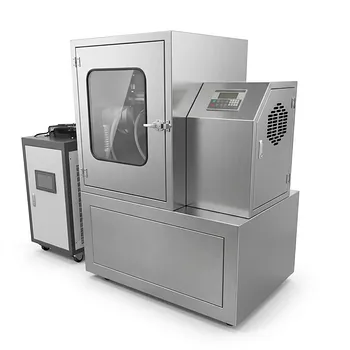
Vibratory Superfine Grinder for Ultra Fine Laboratory Powder Milling
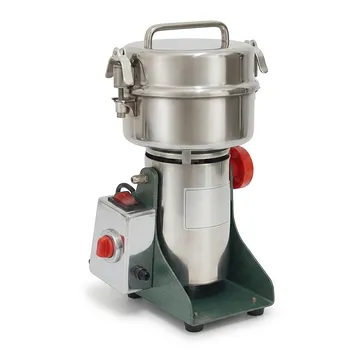
Small High Speed Grinder for Laboratory Sample Preparation
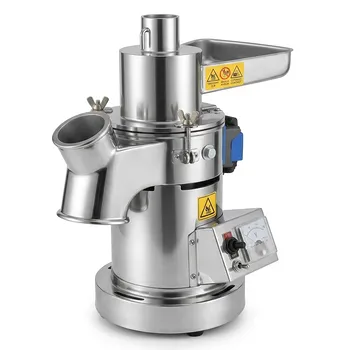
Continuous Feeding Grinder High Efficiency Pulverizer for Lab Sample Preparation
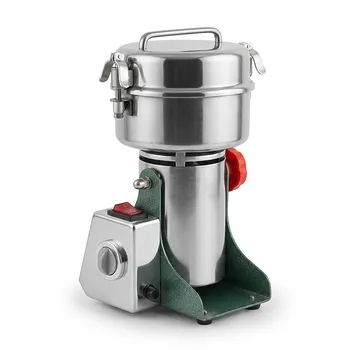
Small High-Speed Swing Grinder for Laboratory Sample Preparation
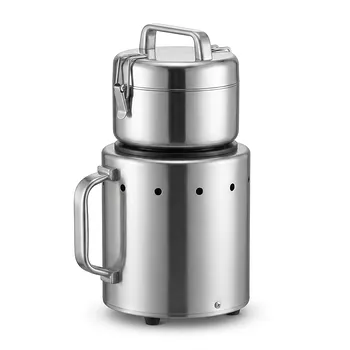
Small High Speed Grinder for Laboratory Sample Preparation
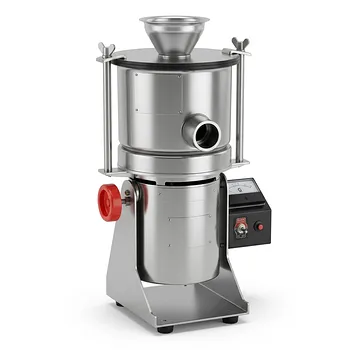
Laboratory Ultrafine Impact and Airflow Grinder for Precise Particle Size Control
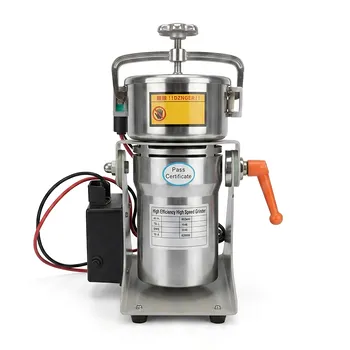
High Efficiency High Speed Grinder Laboratory Mill 1300W 25000rpm
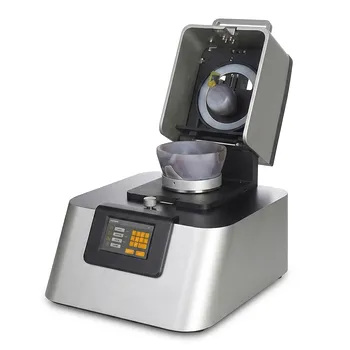
Laboratory Mortar Grinder for Sample Preparation and Cryogenic Powder Homogenization
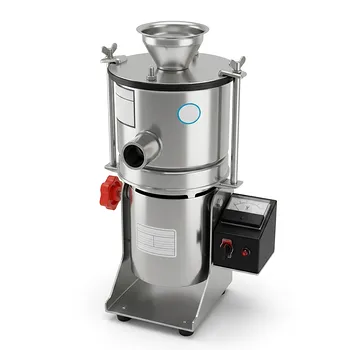
Air Guided Ultrafine Pulverizer High Speed Laboratory Powder Grinder for Chemical and Material Processing
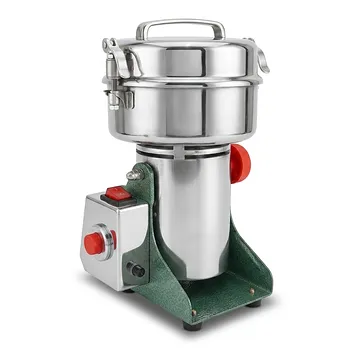
Small High-Speed Laboratory Grinder for Powder Processing
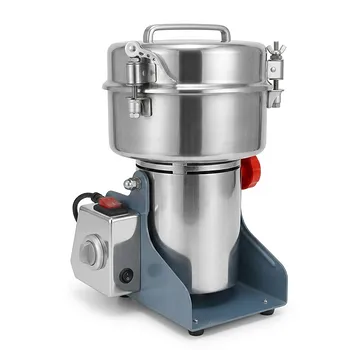
Small High-Speed Grinder for Efficient Laboratory Sample Preparation
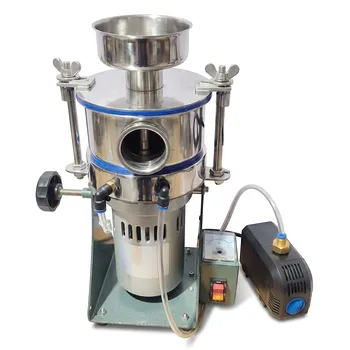
Water Cooled Airflow Ultra Fine Grinder for Low Temperature Material Processing
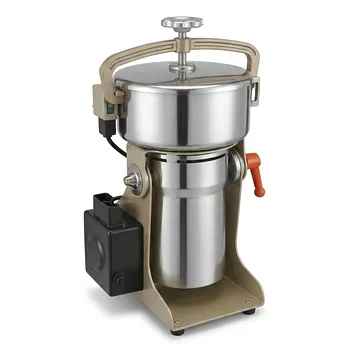
Multifunctional High Efficiency High Speed Laboratory Grinder

High Energy Omnidirectional Planetary Ball Mill 16L
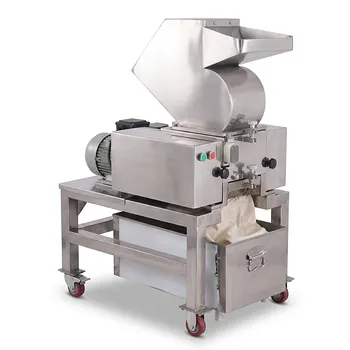
Stainless Steel Coarse Crusher for Pharmaceutical Food and Plastic Material Processing