Why is a laboratory hot press considered essential for the formation of dense mycelium-based composites? Optimize Density
Updated 4 months ago
A laboratory hot press is essential because it facilitates "thermo-mechanical coupling," the simultaneous application of high temperature and high pressure required to transform porous biological matter into a structural solid. By applying temperatures (typically 120°C to 150°C) and pressures (often around 20 MPa) simultaneously, the press forces mycelium and its substrate into a tight arrangement, eliminates internal pores, and triggers chemical bonding through the softening of lignin.
Core Takeaway: The laboratory hot press is the critical bridge between raw biological growth and high-performance engineering materials. It provides the precise environment necessary to eliminate voids and induce chemical cross-linking, resulting in a dense, mechanically superior composite.
The Mechanics of Densification and Bonding
Eliminating Porosity and Internal Voids
Mycelium-based materials are naturally porous and low-density in their grown state. A laboratory hot press applies synchronized pressure that collapses these internal air gaps and micropores, which are detrimental to mechanical strength.
This physical compaction ensures that the wood fibers and mycelium are forced into an ultra-tight arrangement. By expelling entrapped air and volatiles, the press creates a void-free internal structure that is necessary for consistent material performance.
Softening and Chemical Cross-linking
The application of high heat (approximately 120°C) serves a chemical purpose beyond simple drying. This temperature range induces the softening of lignin within the biomass substrate, allowing it to flow and act as a natural adhesive.
Under the high pressure of the press, this softened lignin undergoes chemical cross-linking. This creates strong interfacial bonds between the mycelium matrix and the reinforcing fibers, significantly increasing the composite's macro-mechanical strength.
Achieving Structural Uniformity and Precision
Precise Control of Geometry and Thickness
For research and development, consistency is paramount. A laboratory hot press allows for the production of specimens with uniform thickness (typically 1 to 2 mm) and standardized dimensions.
The press uses mold cavities to ensure that the material melt flows fully and compacts evenly. This level of control is vital for producing tensile test specimens that yield accurate, repeatable data during mechanical and microwave absorption testing.
Managing Thermal Gradients and Crystallization
The hot press does not just heat the material; it manages the entire thermal cycle. By controlling the cooling rates through circulating water systems, researchers can adjust the crystallization behavior of the matrix.
This precise thermal management prevents the warping or incomplete curing that often occurs with uneven heating. It ensures the final composite remains flat and structurally sound across its entire surface area.
Understanding the Trade-offs
The Risk of Thermal Degradation
While heat is necessary for lignin softening, excessive temperatures can lead to the thermal degradation of the organic mycelium fibers. If the temperature exceeds the stable threshold of the biological components, the material may char or lose its structural integrity, negating the benefits of the pressing process.
Pressure Sensitivity and Internal Stress
Applying too much pressure can crush the cellular structure of the substrate fibers rather than simply densifying them. Furthermore, if the pressure is released too quickly before the material has cooled sufficiently, internal stresses can cause the composite to delaminate or develop micro-cracks.
Scalability Constraints
Laboratory hot presses are designed for precision at a small scale. Translating these exact thermo-mechanical parameters to large-scale industrial production presents significant challenges in maintaining uniform heat and pressure distribution across much larger surface areas.
How to Apply This to Your Project
When utilizing a laboratory hot press for mycelium-based composites, your specific parameters should align with your ultimate material goals.
- If your primary focus is Maximum Mechanical Strength: Prioritize the 120°C to 150°C temperature range to ensure full lignin softening and maximize chemical cross-linking.
- If your primary focus is Acoustic or Thermal Insulation: Utilize lower pressure settings (5 MPa or less) to retain some controlled porosity while still achieving a uniform thickness.
- If your primary focus is Standardized Lab Testing: Use a precision mold and a controlled cooling cycle to ensure specimen flatness and eliminate thickness variations.
- If your primary focus is Multi-layer Lamination: Focus on the "vacuum hot press" method to ensure no air bubbles are trapped between the stacked layers of mycelium and substrate.
Mastering the synergy between heat and pressure allows you to unlock the full structural potential of biological binders.
Summary Table:
| Feature | Mechanism | Benefit for Mycelium Composites |
|---|---|---|
| Densification | Collapses air gaps and micropores | Maximizes mechanical strength and durability |
| Chemical Bonding | Softens lignin for cross-linking | Creates strong interfacial bonds between fibers |
| Precision Control | Mold-based compaction & heat | Ensures uniform thickness and repeatable test data |
| Thermal Management | Regulated cooling cycles | Prevents warping and ensures complete, even curing |
Elevate Your Sustainable Material Research with Precision Engineering
Unlock the full potential of your mycelium-based composites with our industry-leading laboratory solutions. At KINTEK SOLUTION, we specialize in providing complete laboratory sample preparation solutions for material science, focusing on high-performance powder processing and compaction equipment.
Whether you are refining biological binders or developing advanced engineering materials, our extensive range of equipment is designed to meet your exact specifications:
- Advanced Pressing Technology: A full spectrum of hydraulic presses, including Vacuum Hot Presses, Standard Lab Presses, and Cold/Warm Isostatic Presses (CIP/WIP) for superior densification.
- Sample Preparation: High-efficiency Planetary Ball Mills, Jet Mills, and Crushers (Jaw/Roll) to prepare your substrates.
- Precision Analysis: Sieve Shakers and Mixers to ensure material uniformity before pressing.
Don't let inconsistent equipment hold back your innovation. Contact us today to discuss your specific research goals and see how our expert-grade tools can enhance your lab's efficiency and specimen quality.
References
- Xin Ying Chan, Manoj Gupta. Mechanical properties of dense mycelium-bound composites under accelerated tropical weathering conditions. DOI: 10.1038/s41598-021-01598-4
Mentioned Products
- 6-Ton Small Single-Punch Tablet Press — Laboratory Powder & Granule Tableting Equipment / Tablet Forming Machine
- 5 Ton Single Punch Tablet Press Laboratory Small Batch Production
- Manual Tablet Press with Dual Scale Pressure Gauge for Pharmaceutical Food Chemical Laboratory Sample Preparation
- 6 Ton Variable Frequency Single Punch Tablet Press
- Water Cooled High Speed Grinder with Cryogenic Option for Laboratory Sample Preparation
People Also Ask
- What is the function of a laboratory press in Cr-Ti alloy evaluation? Quantify Fracture Stress & Strength
- What is the function of a laboratory press in assessing the hydrophobic performance of modified vermiculite fillers?
- What is the core function of a laboratory press in the forming of ceramic filter element green bodies? Maximize Density.
- What is the function of a laboratory press in the preparation of ceramic feed rods? Master Density and Precision
- Why is vacuum sealing and flexible packaging necessary for Aluminum Titanate powders during CIP? Ensure Peak Density

Tech Team · PowderPreparation
Last updated on Jun 03, 2026
Related Products
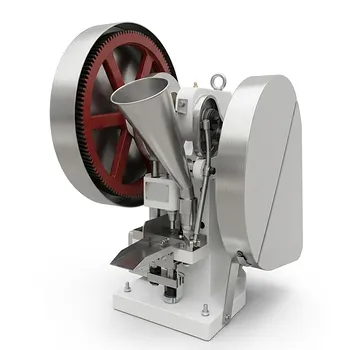
6-Ton Small Single-Punch Tablet Press — Laboratory Powder & Granule Tableting Equipment / Tablet Forming Machine
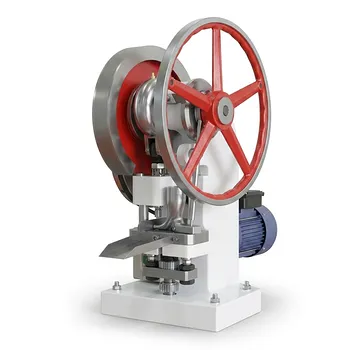
5 Ton Single Punch Tablet Press Laboratory Small Batch Production
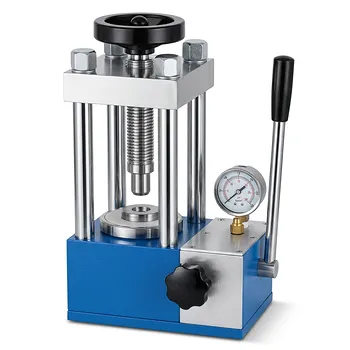
Manual Tablet Press with Dual Scale Pressure Gauge for Pharmaceutical Food Chemical Laboratory Sample Preparation
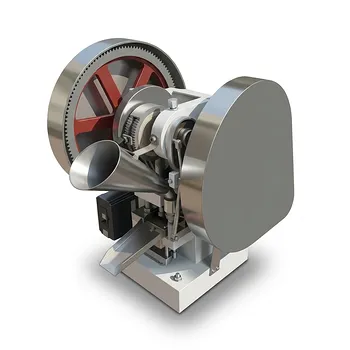
6 Ton Variable Frequency Single Punch Tablet Press
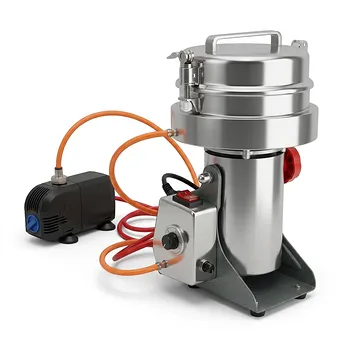
Water Cooled High Speed Grinder with Cryogenic Option for Laboratory Sample Preparation
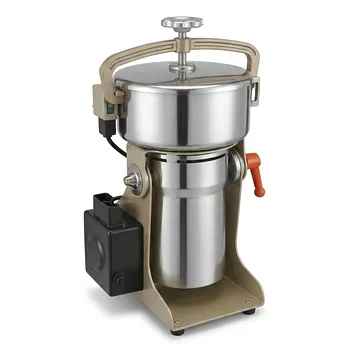
Multifunctional High Efficiency High Speed Laboratory Grinder
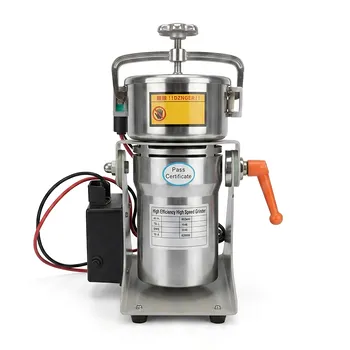
High Efficiency High Speed Grinder Laboratory Mill 1300W 25000rpm
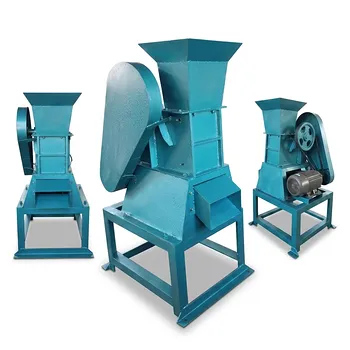
Custom Raised Height Laboratory Jaw Crusher for Precision Sample Preparation in Material Science
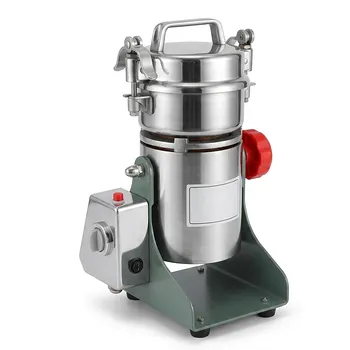
High Speed Swing Type Laboratory Pulverizer for Fine Powder Grinding and Sample Preparation

Small Trace Sample High Speed Pulverizer Grinder Laboratory Powder Mill
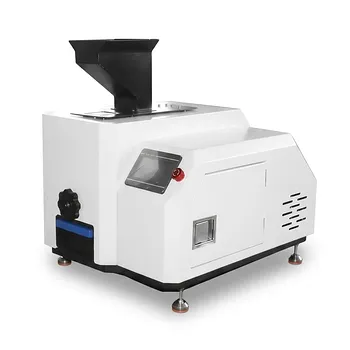
Laboratory Jaw Crusher 2025 Model for Ore and Brittle Material Crushing
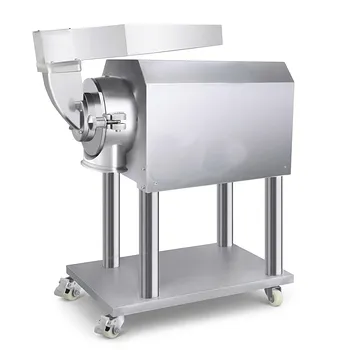
High Speed Small Laboratory Crusher for Dry Material Sample Preparation
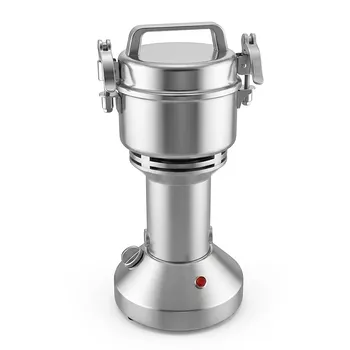
Small High Speed Upright Grinder for Laboratory Sample Preparation
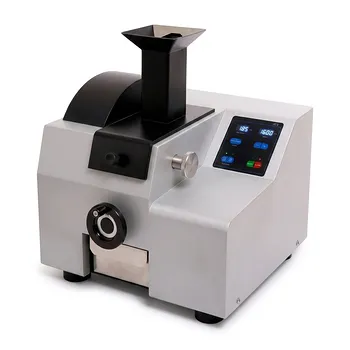
Laboratory Benchtop Jaw Crusher for Hard Brittle Materials Primary Size Reduction and Sample Preparation
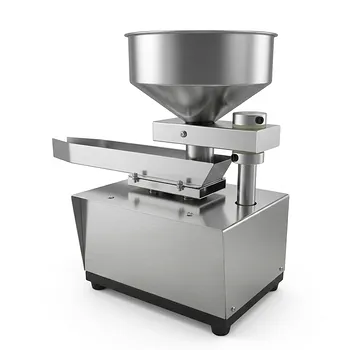
Automatic Vibrating Powder Feeder for Laboratory Material Processing Precision Vibratory Hopper Feeder for Granular and Powder Material Handling Industrial Grade Vibrating Tray Feeder for Consistent Material Sample Preparation
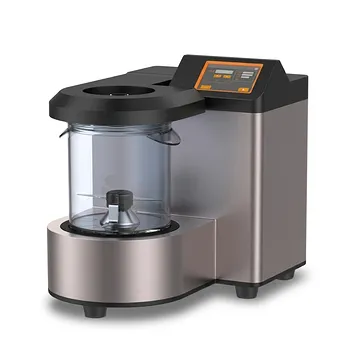
Laboratory Knife Mill for Large Volume Sample Homogenization and Food Preparation
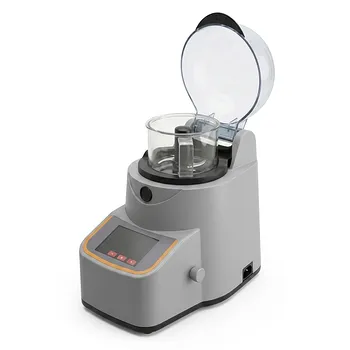
Industrial Knife Mill for Food and Biological Sample Preparation High Speed Laboratory Homogenizer
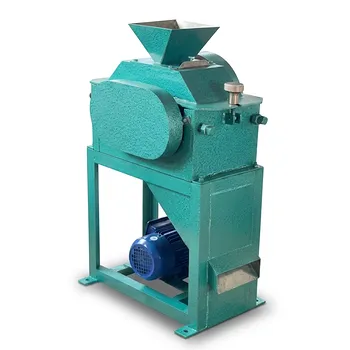
Laboratory Double Roll Crusher for Medium Hardness Materials Coal Ore Sample Preparation
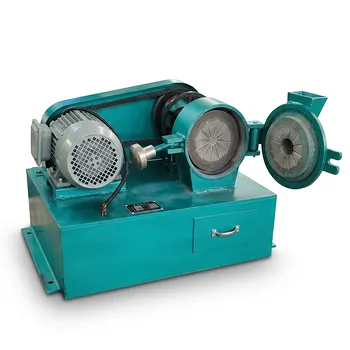
Laboratory Disc Mill Medium Hard Material Grinding Coal Coke Ore Pulverizer