Why is a lab-scale powder mixer essential for the preparation of cocoa-mannitol composite powders? Optimize Your Blend
Updated 5 months ago
The necessity of a lab-scale powder mixer lies in its ability to provide the mechanical shear and tumbling actions required to achieve high-level homogenization. This equipment ensures that fine cocoa particles are evenly distributed within the mannitol excipient, creating a physical foundation for stable intermolecular bonding and predictable mechanical properties during tablet compaction.
A lab-scale powder mixer is essential because it eliminates compositional bias at extreme ratios, ensuring that the physical uniformity of the cocoa-mannitol blend translates into consistent chemical stability and mechanical integrity in the final product.
Achieving Homogeneity at Extreme Ratios
Overcoming Distribution Challenges
In formulations where ingredients are combined at extreme ratios—such as 95:5 or 5:95—achieving a uniform blend is technically difficult. A lab-scale mixer ensures that the minor component is distributed evenly throughout the bulk excipient, preventing "clumping" of fine cocoa particles.
Leveraging Mechanical Shear and Tumbling
The mixer utilizes specific mechanical shear and tumbling actions to force particles into a homogeneous state. This process is more effective than manual mixing, as it applies consistent energy to break down agglomerates and ensure every unit of the powder has the same composition.
Eliminating Local Compositional Bias
Without a dedicated mixer, "hot spots" or areas of high concentration can occur, leading to compositional bias. By ensuring physical uniformity, the mixer guarantees that any sample taken from the batch is representative of the whole, which is critical for repeatable testing.
Establishing the Foundation for Compaction
Facilitating Intermolecular Bonding
The uniform distribution achieved during mixing is the prerequisite for stable intermolecular bonding. When cocoa and mannitol are perfectly interspersed, the surface area available for bonding is maximized, leading to a more robust composite structure.
Ensuring Consistent Mechanical Properties
The quality of the blend directly dictates the success of the subsequent compaction process. A homogeneous mixture ensures that the resulting tablets exhibit consistent hardness, friability, and dissolution rates across the entire production run.
Preserving Powder Integrity
Advanced lab-scale mixers, such as three-dimensional rocking mixers, achieve uniformity through complex spatial motion without altering the original grain size. This allows for dry mixing that provides a homogeneous mixture for comparative studies without the risks of mechanical activation or unintended alloying.
Understanding the Trade-offs and Pitfalls
The Risk of Over-Mixing
While high-level homogenization is the goal, over-mixing can lead to the degradation of particle morphology or the segregation of materials based on density. It is vital to determine the optimal mixing duration to maintain the integrity of the cocoa particles.
Limitations of Equipment Scaling
Lab-scale mixers provide excellent precision for research, but the results may not always translate linearly to large-scale industrial mixers. Professionals must account for differences in vessel geometry and shear forces when moving from laboratory results to mass production.
Heat Generation and Sensitivity
Some high-shear mixing processes can generate localized frictional heat, which may affect the flavor profile or physical state of cocoa. Monitoring temperature and selecting the appropriate mixer type (such as a 3D rocking mixer) is necessary for heat-sensitive composites.
Applying This to Your Formulation Project
How to Apply This to Your Project
To achieve the best results with your cocoa-mannitol composite, consider your primary objective and select your mixing parameters accordingly:
- If your primary focus is Tablet Strength: Prioritize high-shear mixing to maximize the surface contact between cocoa and mannitol for better intermolecular bonding.
- If your primary focus is Material Research: Utilize a 3-dimensional or rocking mixer to ensure homogeneity without altering the original grain size or particle morphology.
- If your primary focus is Analytical Repeatability: Focus on eliminating local compositional bias by using standardized mixing times to ensure every test sample is identical.
The right lab-scale mixer transforms a simple blend into a highly engineered composite powder ready for precise application.
Summary Table:
| Objective | Key Benefit | Recommended Approach |
|---|---|---|
| Extreme Ratios | Even distribution at 95:5 or 5:95 | High-precision 3D rocking mixer |
| Tablet Strength | Maximizes intermolecular bonding surface | High-shear mechanical mixing |
| Grain Integrity | Prevents morphology change/mechanical activation | 3D motion/low-energy dry mixing |
| Repeatability | Eliminates local compositional "hot spots" | Standardized lab-scale equipment |
Elevate Your Powder Research with Precision Engineering
Achieving the perfect cocoa-mannitol composite requires more than just mixing; it requires the right mechanical environment. We provide complete laboratory sample preparation solutions for material science, specializing in high-performance powder processing and compaction equipment.
Our extensive product line includes 3D powder mixers and defoaming mixers designed to eliminate compositional bias, alongside a full suite of crushers (jaw/roll), liquid nitrogen cryogenic grinders, and planetary ball mills for meticulous particle size control. To ensure your blends translate into superior final products, we manufacture a full spectrum of hydraulic presses, including Cold/Warm Isostatic Presses (CIP/WIP), XRF pellet presses, and vacuum hot presses.
Ready to enhance your lab's efficiency and achieve predictable mechanical properties in your formulations? Contact us today to find your custom solution!
References
- A.K. Mukri, Syamimi Mohd Yusoff. Compaction behaviour of mannitol-cocoa powder mixtures and their resulting tablet strength and disintegration characteristics. DOI: 10.26656/fr.2017.5(s1).038
Mentioned Products
- Multi Dimensional Universal Mixer for High Uniformity Powder Blending
- Three-Dimensional Motion Mixer for Laboratory Powder and Granule Blending
- Horizontal Ribbon Mixer for Uniform Powder and Slurry Mixing
- Inclined Mixer for Homogeneous Powder Blending and Grinding
- High Speed Laboratory Powder Grinder Small Batch Sample Preparation Mill
People Also Ask
- What is the role of a multi-dimensional powder mixer in the preparation of Ce-TZP ceramics? Optimize Homogenization
- What is the importance of using a high-efficiency powder mixer when preparing sand and soil mixtures? Accurate Results.
- What is the role of a powder mixer in SiC mechanical seal ring production? Ensure Homogeneity and Structural Integrity
- Why is high-uniformity powder mixing essential for antibacterial ceramic glazes? Ensure Consistent Bioactive Protection
- How do powder mixers and additives influence ZTA ceramics? Optimize microstructure for superior toughness and density

Tech Team · PowderPreparation
Last updated on May 14, 2026
Related Products
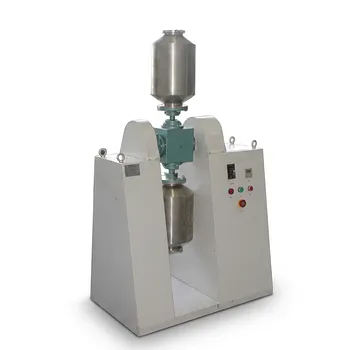
Multi Dimensional Universal Mixer for High Uniformity Powder Blending
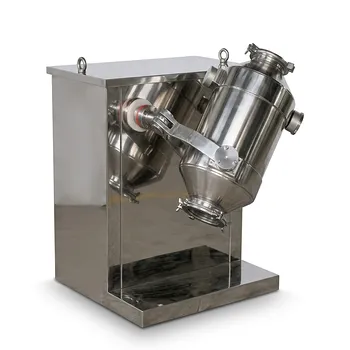
Three-Dimensional Motion Mixer for Laboratory Powder and Granule Blending
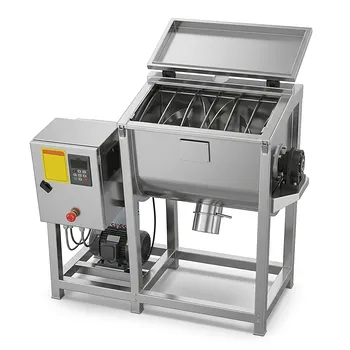
Horizontal Ribbon Mixer for Uniform Powder and Slurry Mixing
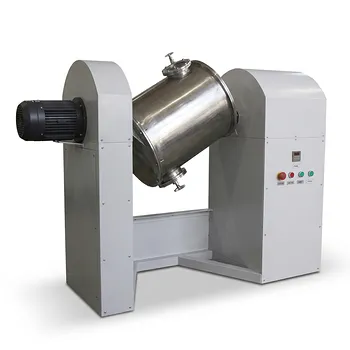
Inclined Mixer for Homogeneous Powder Blending and Grinding
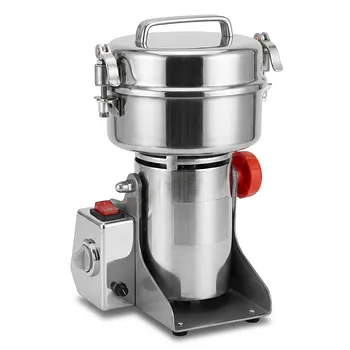
High Speed Laboratory Powder Grinder Small Batch Sample Preparation Mill
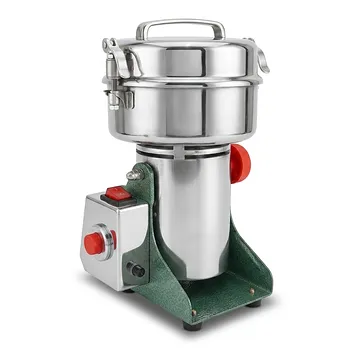
Small High-Speed Laboratory Grinder for Powder Processing
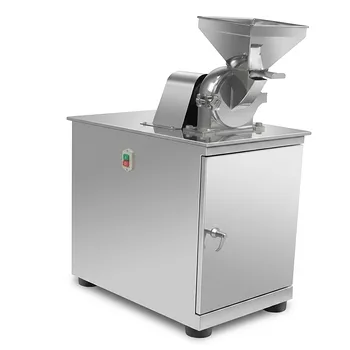
Universal Laboratory Pulverizer Grinder for Small Batch Powder Processing and Material Science Research
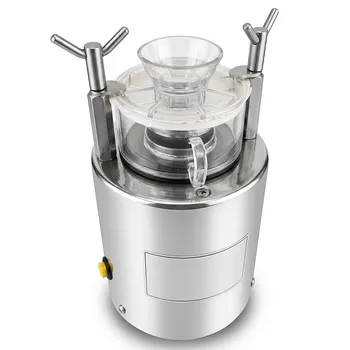
Laboratory Desktop Ultra Fine Powder Grinder High Speed Micronizing Pulverizer
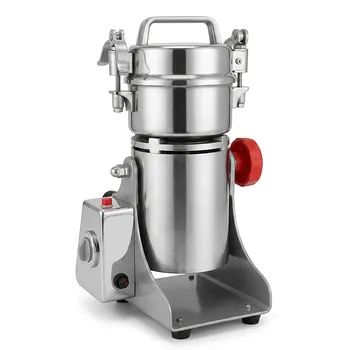
Industrial High Speed Small Sample Pulverizer Swing Type Laboratory Grinder for Powder Processing
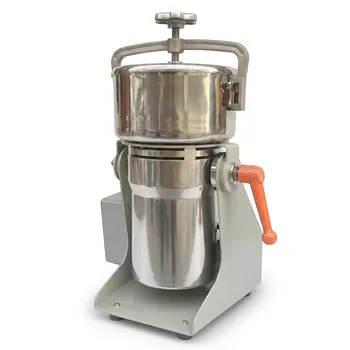
High Speed Laboratory Grinder Efficient Stainless Steel Powder Pulverizer Universal Material Science Mill for Sample Preparation
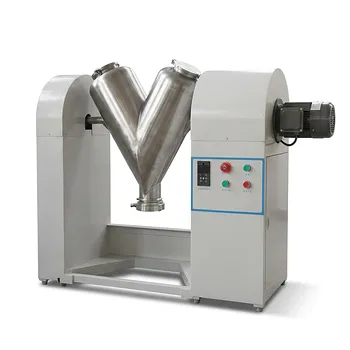
V-Type Powder Mixer for Uniform Blending of Dry Powders and Granules
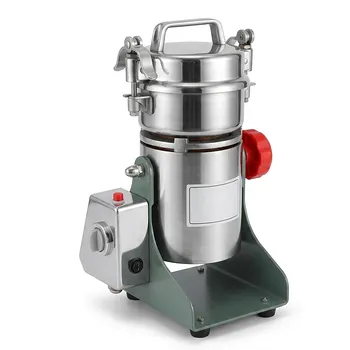
High Speed Swing Type Laboratory Pulverizer for Fine Powder Grinding and Sample Preparation
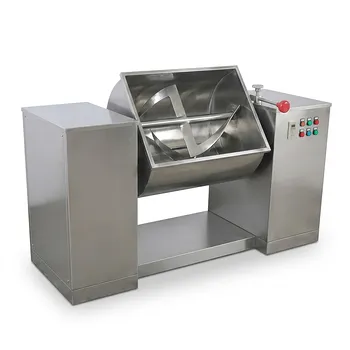
Horizontal Trough Mixer for Uniform Powder and Paste Blending
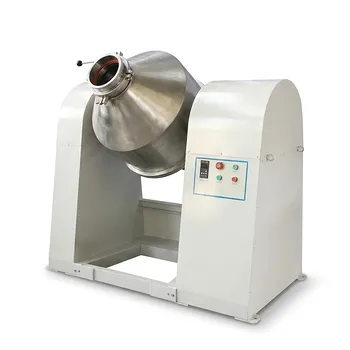
Industrial Double Cone Mixer for Powder Blending and Homogeneous Mixing
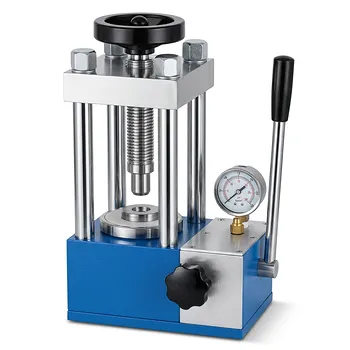
Manual Tablet Press with Dual Scale Pressure Gauge for Pharmaceutical Food Chemical Laboratory Sample Preparation
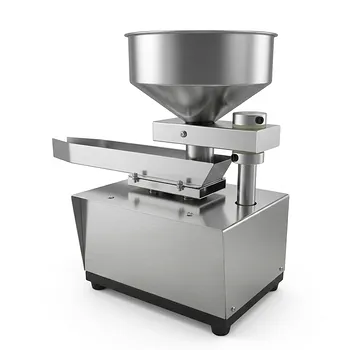
Automatic Vibrating Powder Feeder for Laboratory Material Processing Precision Vibratory Hopper Feeder for Granular and Powder Material Handling Industrial Grade Vibrating Tray Feeder for Consistent Material Sample Preparation
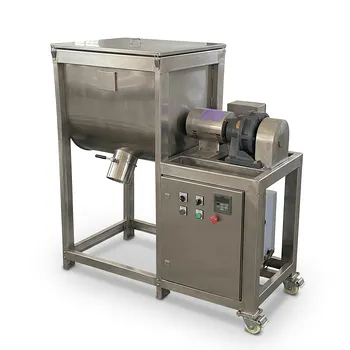
Horizontal Ribbon Mixer for Dry Powder and Slurry Blending
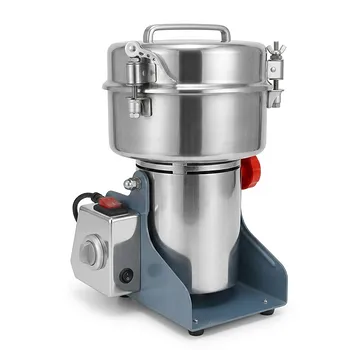
Small High-Speed Grinder for Efficient Laboratory Sample Preparation
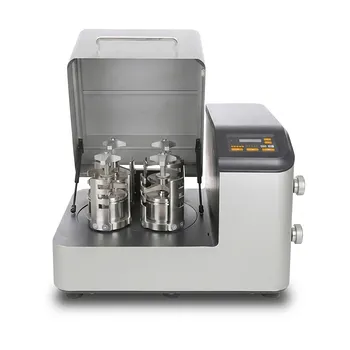
High Energy Planetary Ball Mill for Nano Scale Grinding and Colloidal Mixing in Material Science Research