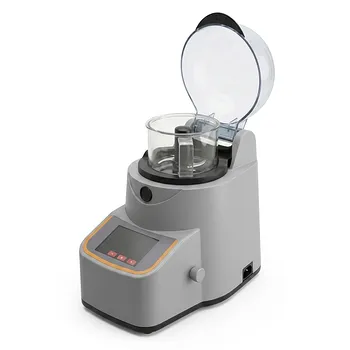
Why is a high-speed mixer essential for mixing hydromagnesite (HM) and diammonium phosphate (DAP)? Ensure Uniform Synergy
Updated 4 months ago
A high-speed mixer is essential for this process because it generates the intense turbulence and mechanical shear required to disperse trace amounts of diammonium phosphate (DAP) uniformly into a larger hydromagnesite (HM) matrix. This high-energy environment ensures that the components are not merely combined, but are integrated into a stable composite material where the chemical synergy of both agents can be fully realized.
The core necessity of a high-speed mixer lies in its ability to overcome the physical resistance of material agglomeration through shear force. By achieving microscopic uniformity, the mixer prevents performance fluctuations and ensures the final fire extinguishing agent remains stable and effective.
The Mechanics of High-Energy Dispersion
Generating Intense Turbulence and Shear
High-speed mixers operate by transferring significant mechanical energy into the material, creating a high-shear environment.
This energy is necessary to break down the physical bonds of the raw materials, forcing them to interact at a molecular or microscopic level.
Breaking Up Material Agglomerates
Powders like hydromagnesite often naturally clump or form "agglomerates" that resist traditional low-speed blending.
The shear forces generated by high-speed blades effectively "tear" these clumps apart, ensuring that no pocket of material remains isolated from the rest of the mixture.
The Challenge of the Matrix-to-Trace Ratio
Dispersing Trace Components
In this specific formulation, DAP is often present in trace amounts compared to the bulk volume of the HM matrix.
Without high-speed forced dispersion, these trace amounts would remain concentrated in small pockets, leaving the rest of the HM matrix untreated and underperforming.
Achieving Chemical Synergy
The effectiveness of a fire extinguishing agent depends on the "synergistic effect" between its different chemical components.
This synergy only occurs when the DAP and HM are in constant, uniform contact, a state that can only be reached through the rapid, forced movement of a high-speed system.
Impact on Material Stability and Performance
Preventing Performance Fluctuations
If the mixture is not uniform, different batches of the final product will exhibit different levels of fire suppression efficiency.
High-speed mixing eliminates this variability, ensuring that every gram of the composite agent performs exactly according to its technical specifications.
Ensuring a Stable Composite
A stable composite is one where the internal structure does not separate or settle over time during storage or use.
The uniform distribution achieved through high-speed mixing is a fundamental prerequisite for forming a composite that remains physically and chemically consistent throughout its lifecycle.
Understanding the Trade-offs and Pitfalls
Energy Consumption and Heat Generation
The primary trade-off of using high-speed mixers is the significant amount of energy required and the heat generated during the process.
Excessive heat can potentially alter the chemical properties of the DAP or HM if the mixing time is not strictly controlled and monitored.
The Risk of Over-Mixing
While high speed is necessary, mixing for too long can lead to material degradation or unwanted changes in particle size.
Finding the optimal balance between mixing speed and duration is critical to avoid compromising the structural integrity of the final fire extinguishing agent.
How to Apply This to Your Process
When integrating a high-speed mixer into your production line, your focus should shift based on your specific quality or cost requirements.
- If your primary focus is maximizing fire extinguishing efficiency: Prioritize high-shear speeds to ensure DAP is micro-dispersed for optimal chemical synergy with the HM matrix.
- If your primary focus is material stability and shelf-life: Focus on optimizing the mixing time to prevent the components from settling or forming pockets within the container.
- If your primary focus is process cost-efficiency: Calibrate your equipment to find the minimum speed threshold that still achieves total uniform dispersion to save on energy costs.
By utilizing high-speed mixing technology, you ensure that your composite materials transition from a simple physical blend to a high-performance, stable chemical solution.
Summary Table:
| Key Feature | Functional Benefit | Impact on Material Quality |
|---|---|---|
| High-Shear Force | Breaks down HM agglomerates | Ensures microscopic uniformity and stability |
| Intense Turbulence | Disperses trace DAP into matrix | Eliminates chemical performance fluctuations |
| Molecular Interaction | Promotes chemical synergy | Maximizes fire suppression efficiency |
| Energy Control | Optimized mixing cycles | Prevents thermal degradation of components |
Optimize Your Powder Processing with Professional Laboratory Solutions
Achieving the perfect chemical synergy between materials like hydromagnesite and DAP requires precision engineering. At [Brand Name], we provide complete laboratory sample preparation solutions for material science, specializing in high-performance powder processing and compaction equipment.
Whether you need high-speed mixers and defoaming mixers for uniform dispersion, or advanced planetary ball mills and jet mills for particle size control, our technology ensures your composites remain stable and effective. Beyond mixing, we offer a full spectrum of hydraulic presses (CIP/WIP) and hot presses to transform your powders into high-density materials.
Ready to enhance your lab's efficiency and material performance? Contact our technical experts today to find the ideal equipment for your specific application requirements.
References
- Lijing Wang, Haijun Zhang. Enhanced Fire-Extinguishing Performance and Synergy Mechanism of HM/DAP Composite Dry Powder. DOI: 10.3390/ma18030533
Mentioned Products
- High Speed Vacuum Planetary Centrifugal Mixer and Defoamer for Industrial Paste Processing
- High-Speed Simple Disperser for Efficient Mixing, Dispersion, and Emulsification
- Small High Speed Grinder for Laboratory Sample Preparation
- High Efficiency High Speed Grinder 2200W 25000 RPM Laboratory Sample Preparation
- Multifunctional High Efficiency High Speed Laboratory Grinder
People Also Ask
- Why increase revolution radius for high-viscosity materials? Optimize Mixing Performance with Centrifugal Acceleration
- What is the function of a planetary centrifugal mixer in electrode slurry prep? Achieve high-energy, uniform dispersion.
- Why is a planetary centrifugal mixer utilized for wood powder and HPMC? Achieve uniform dispersion & rapid defoaming.
- How does a planetary centrifugal mixer contribute to the preparation of magnetic polymer composites? Expert Guide
- How does a planetary centrifugal mixer address key challenges in Tyr-CDs@EVA optical films? Ensure Optical Clarity.

Tech Team · PowderPreparation
Last updated on Jun 03, 2026
Related Products
High Speed Vacuum Planetary Centrifugal Mixer and Defoamer for Industrial Paste Processing
High-Speed Simple Disperser for Efficient Mixing, Dispersion, and Emulsification
Small High Speed Grinder for Laboratory Sample Preparation
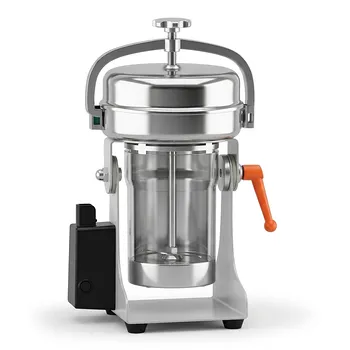
High Efficiency High Speed Grinder 2200W 25000 RPM Laboratory Sample Preparation
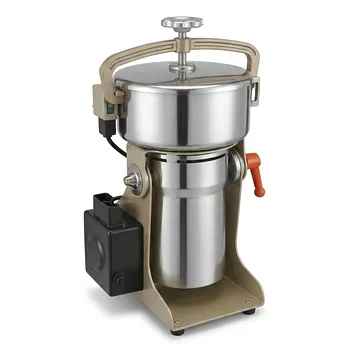
Multifunctional High Efficiency High Speed Laboratory Grinder
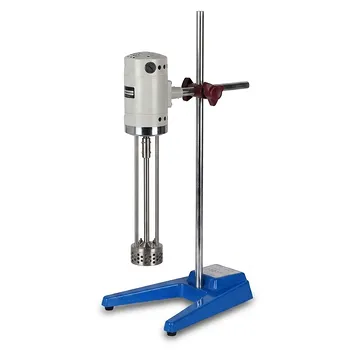
High Shear Laboratory Emulsifier for Mixing and Homogenization
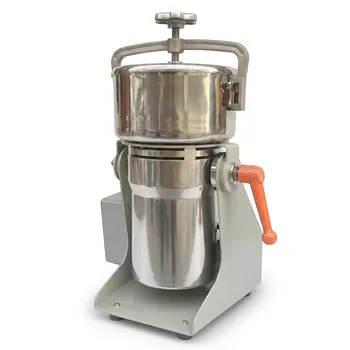
High Speed Laboratory Grinder Efficient Stainless Steel Powder Pulverizer Universal Material Science Mill for Sample Preparation
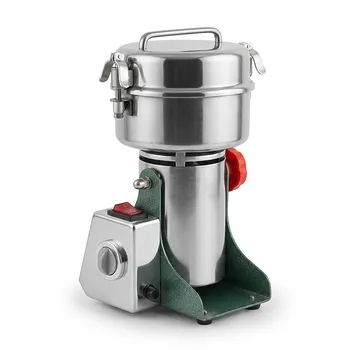
Small High-Speed Swing Grinder for Laboratory Sample Preparation
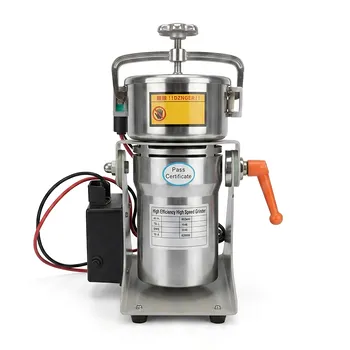
High Efficiency High Speed Grinder Laboratory Mill 1300W 25000rpm
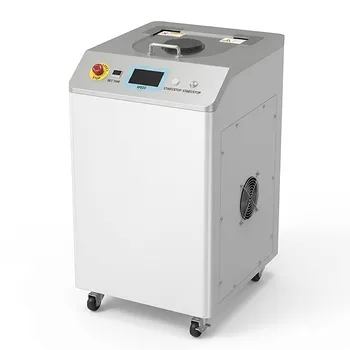
High Viscosity Planetary Centrifugal Vacuum Mixer for Material Defoaming and Uniform Mixing
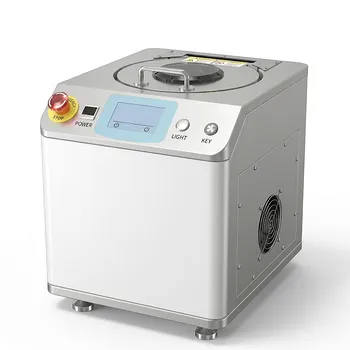
High Efficiency Vacuum Planetary Centrifugal Mixer and Defoaming Machine for Industrial Material Research and Precise Laboratory Powder Dispersion
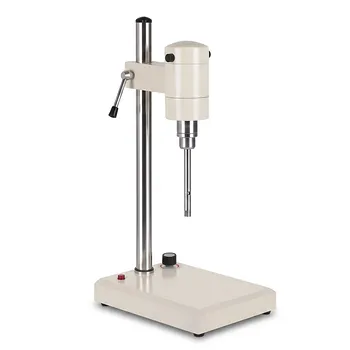
High Speed Dispersing Homogenizer for Laboratory Emulsification Dispersion and Cell Disruption
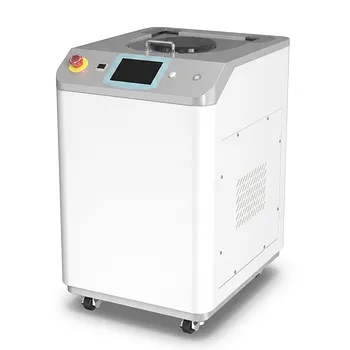
High Viscosity Planetary Centrifugal Mixing and Vacuum Defoaming Machine for Laboratory Material Preparation
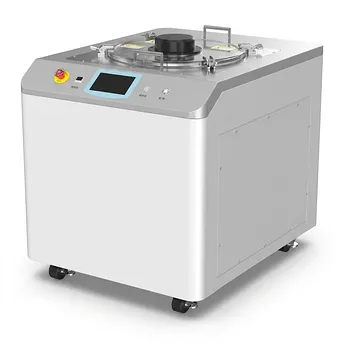
Industrial Planetary Centrifugal Vacuum Defoaming Mixer for High Viscosity Paste and Powder Homogenization
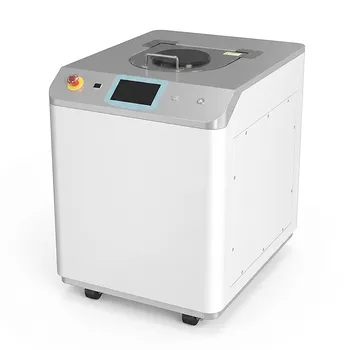
Industrial Planetary Centrifugal Vacuum Defoaming Mixer for High Viscosity Paste and Advanced Material Science
非介入式材料均质机真空脱泡行星搅拌高粘度混合设备
Industrial Vacuum Kneader for High-Viscosity Silicone, Rubber, and Compound Mixing
Multi Dimensional Universal Mixer for High Uniformity Powder Blending
Hydraulic Double Shaft Disperser for High Viscosity Liquid Mixing and Dispersion